Logo

Reprogramming fibroblasts into induced pluripotent stem cells (iPSC)

The reprogramming of differentiated mature cells into induced pluripotent stem cells (iPSCs) has revolutionized the field of regenerative medicine. This technique allows for an unlimited source of cells for research and therapeutic applications, from tissue engineering and disease modeling, to toxicity testing and drug discovery.

This workflow offers consistent and time-saving solutions for seamless cell collection, reprogramming, iPSC isolation, iPSC characterization, and quality control to ensure reliable iPSCs for downstream applications.

1. Cell collection: Human fibroblast derivation from skin

Using skin cell samples as the foundation for reprogramming into iPSCs provides a minimally invasive approach to obtaining patient-specific cells. This allows for many different applications such as disease modeling, toxicity testing, and drug discovery. The Whole Skin Dissociation Kit, human, is designed to obtain high yields of viable single cells, without the need to separate the epidermis and dermis layers.

Enabling the gentle and efficient generation of single-cell suspensions from human skin tissue, the Whole Skin Dissociation Kit, human, has been specifically developed for the isolation of fibroblasts from diverse human skin biopsies.

2. Reprogramming of fibroblasts into iPSCs

The reprogramming of fibroblasts into iPSCs using mRNA-based methods offers several advantages over other approaches. This technique is highly efficient, safe, and transient, eliminating the risk for genomic integration and the safety concerns connected with the use of viral-based vectors.

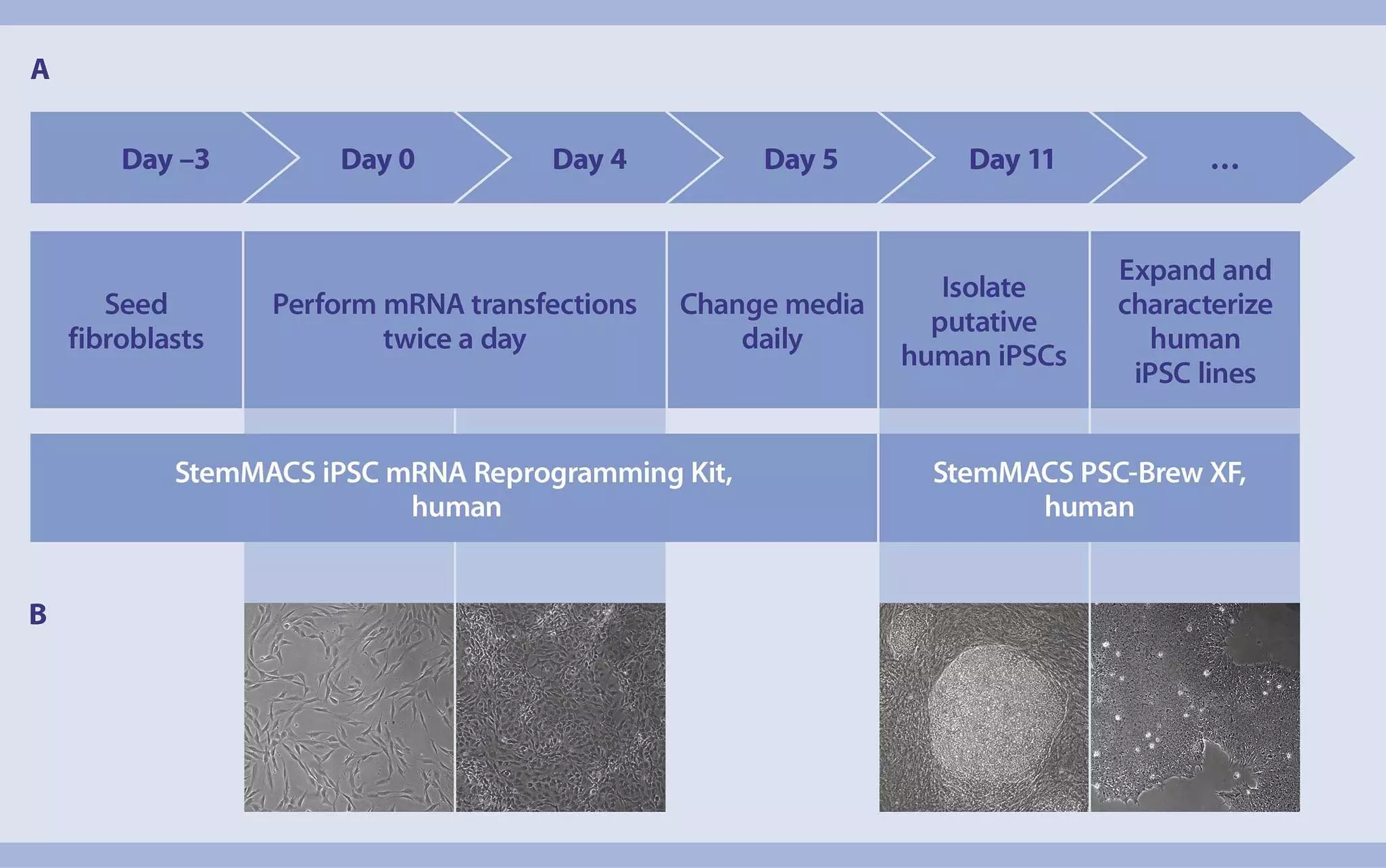
Inforgraphic showing the timeline of reprogramming of human fibroblasts into iPSCs using the StemMACS iPSC mRNA Reprogramming Kit, human
Timeline of reprogramming of human fibroblasts into iPSCs using the StemMACS iPSC mRNA Reprogramming Kit, human.

Quick and efficient iPSC generation

Using the StemMACS™ iPSC mRNA Reprogramming Kit, human, you can quickly and efficiently generate iPSCs from human fibroblasts in just 14 days. With our comprehensive kit, all essential products for your reprogramming workflow are included in one convenient package.

StemMACS iPSC mRNA Reprogramming Kit, human, is fully compatible with MACSmatrix Laminin 511, providing a chemically defined, xeno-free matrix for consistent and reliable results.

Data showing the successful reprogramming of human BJ fibroblasts using the StemMACS iPSC mRNA Reprogramming Kit, human
Successful reprogramming of human BJ fibroblasts using the StemMACS iPSC mRNA Reprogramming Kit, human.

mRNA reprogramming under feeder-free conditions

StemMACS Repro-Brew XF, human, is a carefully optimized medium and supplement that supports the efficient reprogramming of human fibroblasts into iPSCs. StemMACS Repro-Brew XF, human, has a xeno-free formulation and allows mRNA reprogramming under feeder-free conditions.

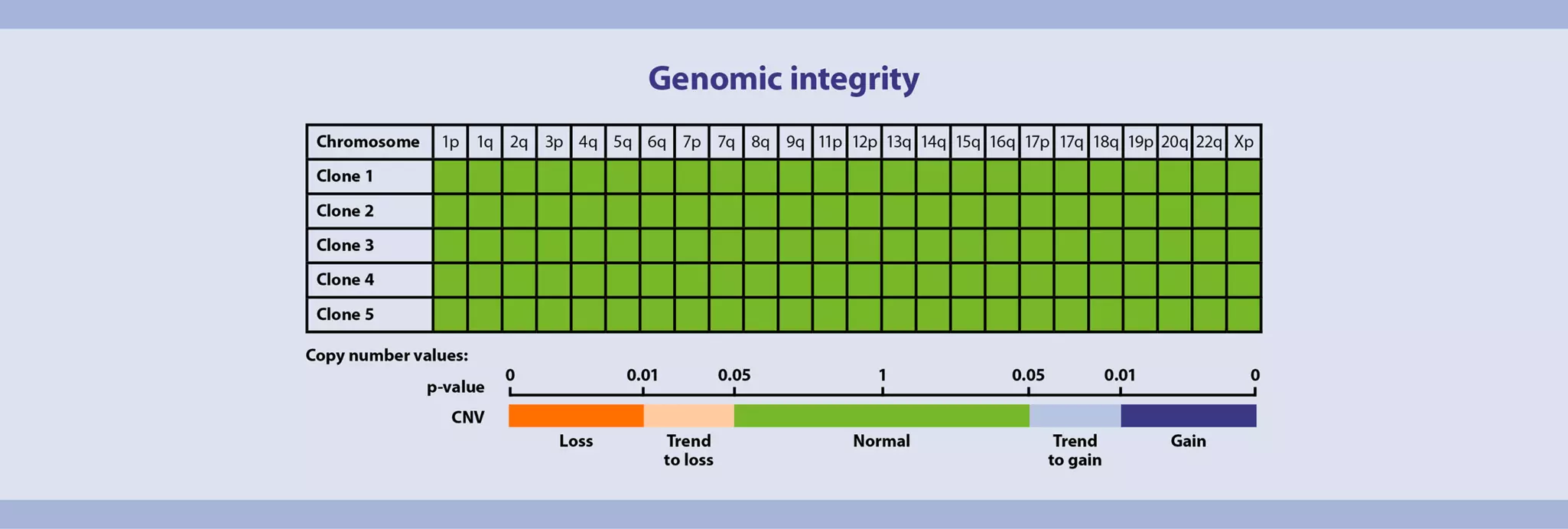
Data showing the assessment of the genomic integrity of iPSCs four passages after reprogramming of human BJ fibroblasts using the StemMACS iPSC mRNA Reprogramming Kit, human
Assessment of the genomic integrity of iPSCs four passages after reprogramming of human BJ fibroblasts using the StemMACS iPSC mRNA Reprogramming Kit, human.

Integration-free iPSC generation

In contrast to traditional viral or DNA-based reprogramming methods, the StemMACS iPSC mRNA Reprogramming Kit, human, eliminates the risk for genomic integration and the safety concerns connected with using viral-based vectors.

3. PSC isolation

Isolation of iPSCs after reprogramming methods is necessary to ensure that the resulting cell population is homogeneous and free of residual fibroblasts or other unwanted cells. Additionally, iPSC isolation allows for the selection of high-quality clones for downstream applications.

We recommend and support gentle isolation methods such as magnetic cell isolation based on MACS® Technology or cell sorting with the MACSQuant® Tyto® Cell Sorter.

Magnetic cell isolation method

Magnetic isolation allows for a pure population of iPSCs without the need for time-consuming or harsh manual colony picking, preserving the viability and functionality of the cells. Furthermore, magnetic isolation can be automated and scaled up for high-throughput processing, making it a powerful tool for iPSC-based research and clinical applications.

Anti-TRA-1-60 MicroBeads, human, has been developed for the positive selection of human pluripotent stem cells based on the expression of the TRA-1-60 antigen. The method offers a 10 minute isolation procedure, minimizing cell handling time.

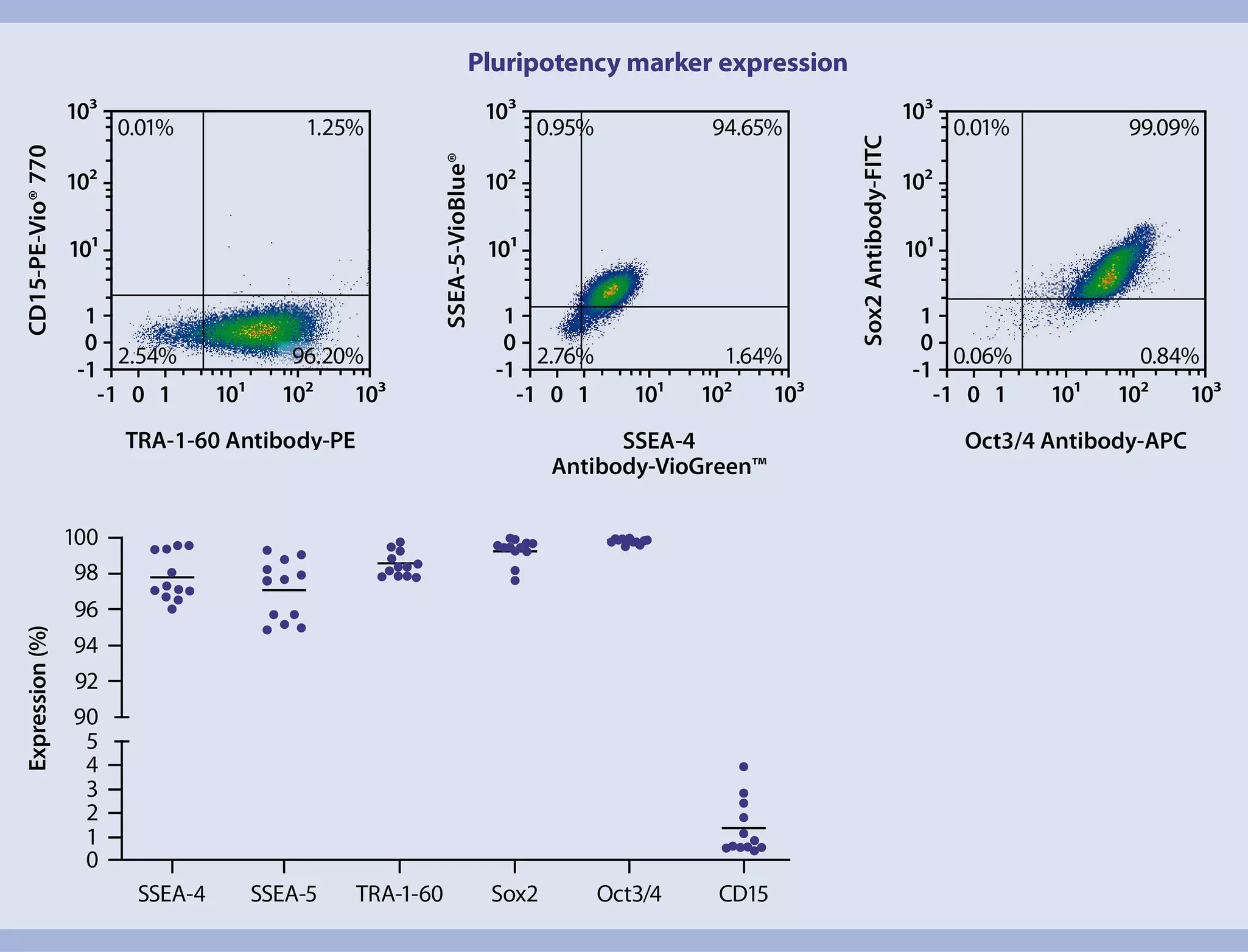
Flow cytometric analysis of pluripotency marker expression by isolated iPSCs four passages after reprogramming of human BJ fibroblasts using the StemMACS iPSC mRNA Reprogramming Kit, human.
Analysis of pluripotency marker expression by isolated iPSCs four passages after reprogramming of human BJ fibroblasts using the StemMACS iPSC mRNA Reprogramming Kit, human.

iPSC isolation using cell sorting methods

A cell sorting approach for isolating iPSCs after reprogramming allows for the isolation of homogeneous iPSC populations with high precision and sensitivity that can be used for downstream applications.

4. iPSC characterization and quality control

Characterization of iPSCs after reprogramming is important for assessing the quality and stability of the cells. This includes assessment of extra- and intracellular marker expression, confirming the cells' ability to differentiate into all cell types, and karyotype analysis. Proper characterization ensures the suitability of iPSCs for downstream applications.

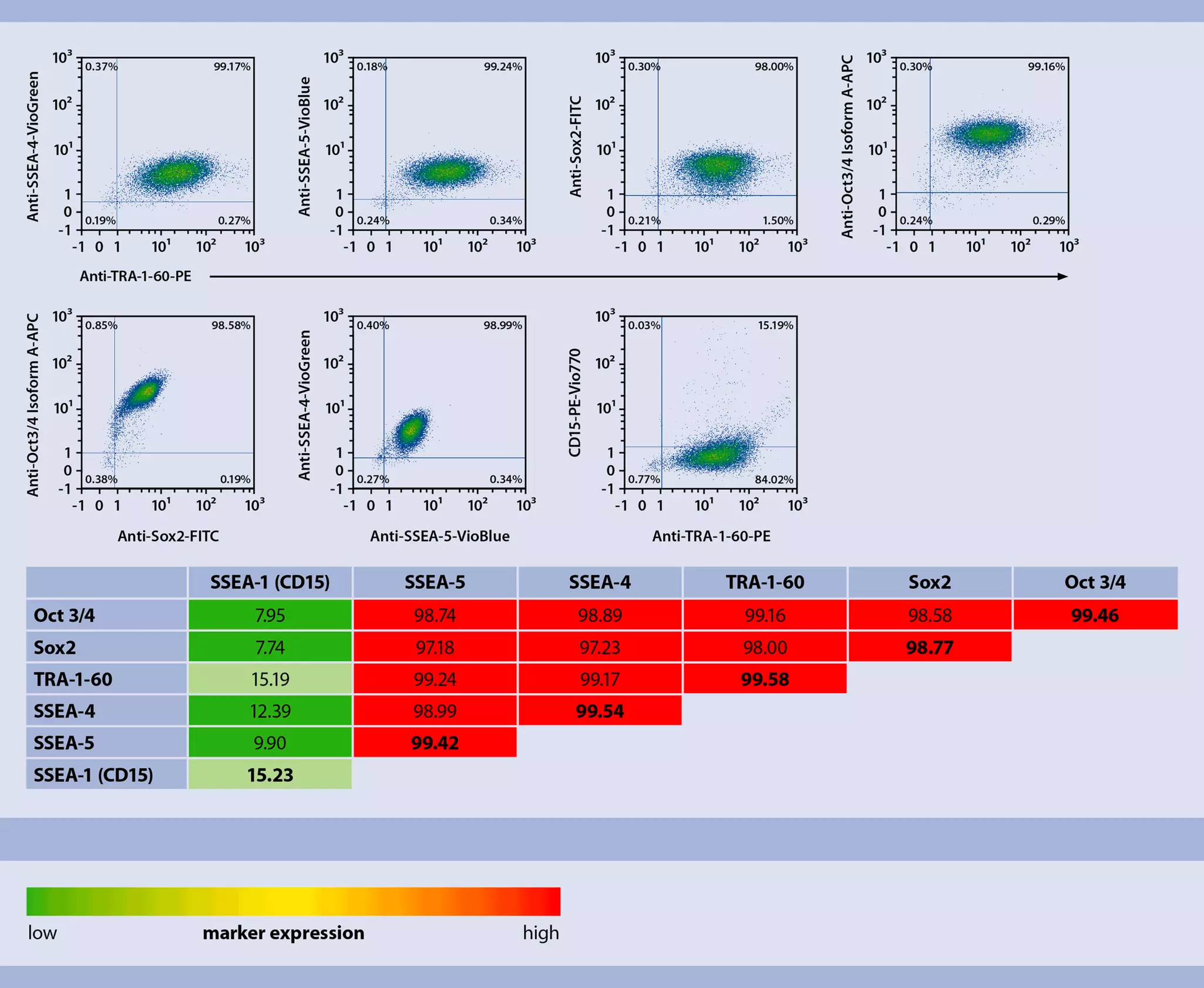
Scientific data showing immunophenotyping of the pluripotency status of human pluripotent stem cells using flow cytometry
Multicolor flow cytometry analysis of human iPSCs

Expression of pluripotency-associated markers

iPSCs must show high and stable expression of a combination of pluripotency-associated markers. To make this assessment easier and faster, we have created a multicolor panel for flow cytometry allowing for simultaneous quantification of intracellular and surface markers. Importantly, this assessment will provide not only qualitative but quantitative data, allowing for better characterization of iPSCs.

To simplify pluripotency assessment, the PSC Analysis Cocktail Kit, anti-human, provides a ready-to-use solution with key markers such as SSEA-4, TRA-1-60, Oct3/4, and CD15 for detecting differentiation. Its flexible design allows adding markers like Nanog or SOX2 and is compatible with GFP-labeled cell lines for versatile applications.

Data showing the evaluation of the trilineage differentiation potential by iPSCs four passages after reprogramming of human BJ fibroblasts using the StemMACS iPSC mRNA Reprogramming Kit, human
Evaluation of the trilineage differentiation potential by iPSCs four passages after reprogramming of human BJ fibroblasts using the StemMACS iPSC mRNA Reprogramming Kit, human.

Functional assessment of pluripotency in just seven days

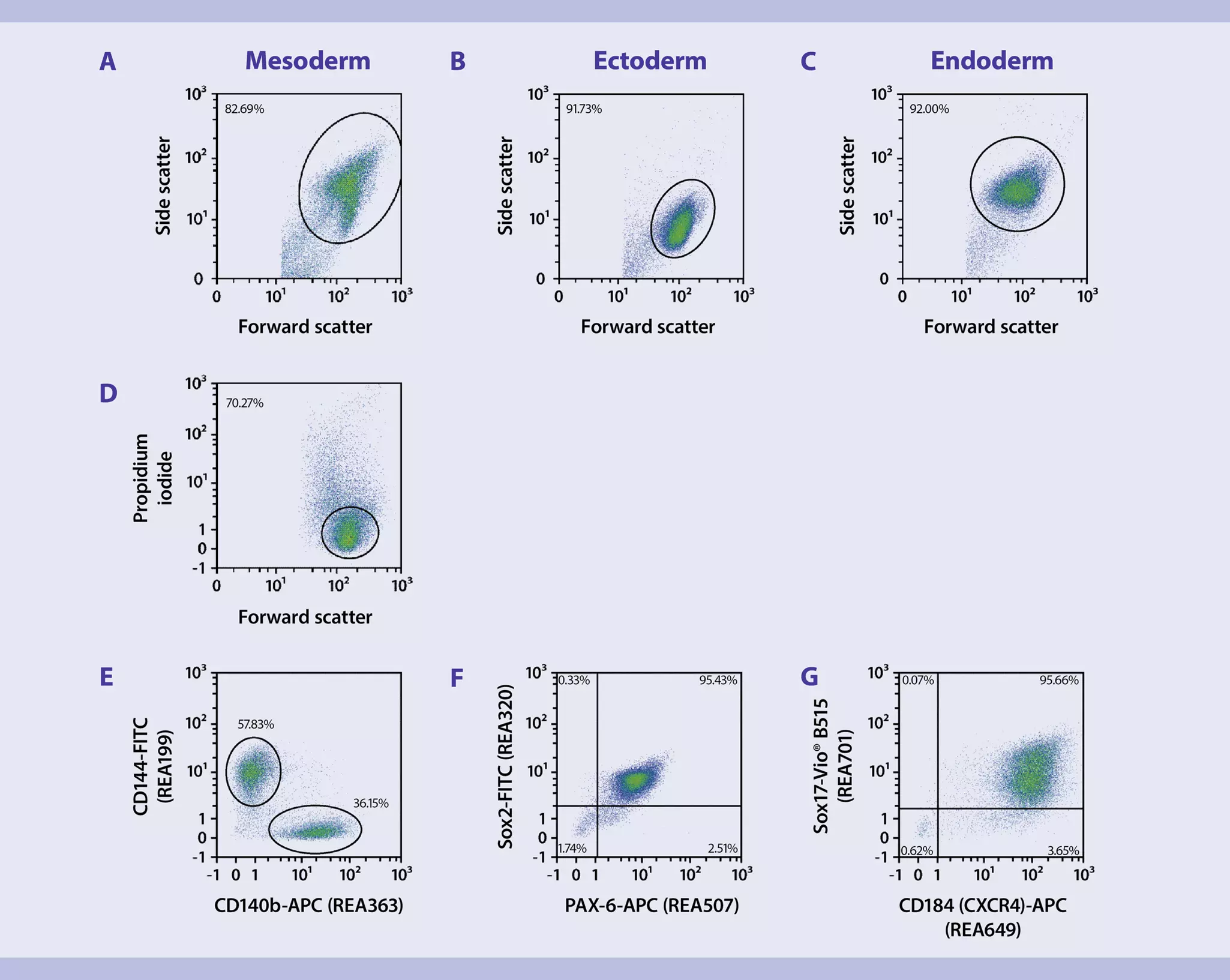
Confirming the ability of iPSCs to differentiate into all three germ layers (endoderm, mesoderm, and ectoderm) after reprogramming is crucial for demonstrating the cells' pluripotency and proving the highest quality of the line. To make this task easier and even more accurate, we have developed a standardized and quantifiable differentiation assay based on lineage-specific complete media that directly supports 2D differentiation into all three germ layers within 7 days.

The StemMACS Trilineage Differentiation Kit, human, contains ready-to-use media to ensure reproducibility and minimizes your effort allowing a definitive side-by-side comparison of different cell lines or clones.

Flow cytometric analysis showing the gating strategy for the trilineage differentiation potential of human PSCs
Gating strategy showing the analysis of the trilineage differentiation potential of human PSCs.

Multicolor panel for flow cytometry with REAfinity™ Recombinant Antibodies

We have also extended this innovation by quickening analysis capabilities with our multicolor panel for flow cytometry with REAfinity Recombinant Antibodies. This antibody panel now allows for rapid, yet sensitive, qualitative and quantitative analysis of human iPSC differentiation potential. Consisting of two antibody combinations for each embryonic germ layer (ectoderm, mesoderm, and endoderm) the ability to detect both surface and intracellular markers is now accessible.

Step-by-step protocols for your pluripotent stem cell research

Get acquainted with our protocols and antibody panels for your workflow in pluripotent stem cell applications.