Cell therapy for monogenic diseases of the blood


Cell therapy for monogenic diseases of the blood
Rare but significant monogenic diseases of the blood
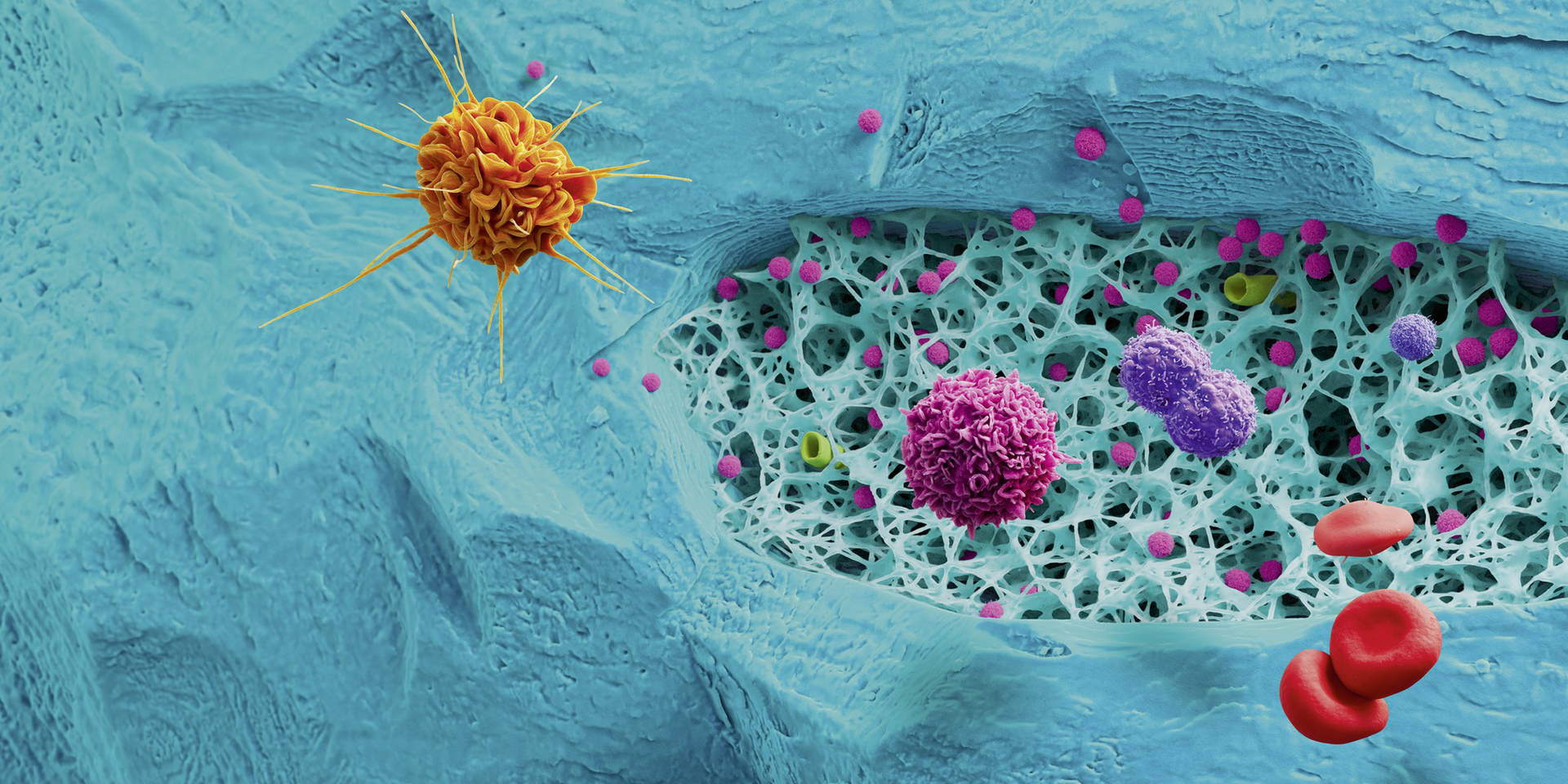
Monogenic diseases, often referred to as inborn errors, constitute a large group of rare disorders that, in sum, afflict a significant number of individuals.1 These disorders are caused by genetic mutations present at birth affecting one genetic locus.2 A significant number of monogenic diseases affect the development of blood cells or their precursors.3–5 For example, hemoglobinopathies like sickle cell disease and thalassemia are caused by mutations in genes of erythrocyte production and function.3 Inborn errors of immunity (IEI) are genetic defects of immune cells causing primary immunodeficiency.4,5
From transplantation to gene therapy: treatments for monogenic diseases
Based on disease type and clinical severity, treatments for monogenic diseases of the blood vary from regular blood transfusions or exchange transfusions to allogeneic hematopoietic stem cell transplantation (HSCT)6,7, genetically modified cell therapies, and in vivo (cell-free) gene therapy.8,9
Allogeneic HSCT is a proven long-term curative treatment.6,7 Engineered precision grafts have been used to reduce potential complications such as GVHD and infections.10-12 Furthermore, ex vivo T cell depletion enables HSCT as a valid treatment option even when a matched donor is not available.10-12
Hematopoietic stem cell engineering (HSCE) is a valid alternative.8,13–15 Commercial treatments using HSCE to correct the mutations of monogenic diseases such as adenosine deaminase deficiency, adrenoleukodystrophy, sickle cell disease, and β-thalassemia are approved in some countries.16 These treatments dramatically improve patient quality of life but, in some cases, still present certain risks like genotoxicity caused by viral vector insertional mutagenesis and delayed immune reconstitution.13,17 Therefore, patients are closely monitored for lengthy periods.13,17
Boosting HSCT efficacy and preventing GVHD
For decades, Miltenyi Biotec has played a decisive role in clinical applications of graft engineering to treat both malignant and non-malignant diseases. Our workflows help fine-tune graft composition and eliminate components associated with transplant complications, such as GVHD and infections.


Fostering safe and accessible HSCE-based therapies
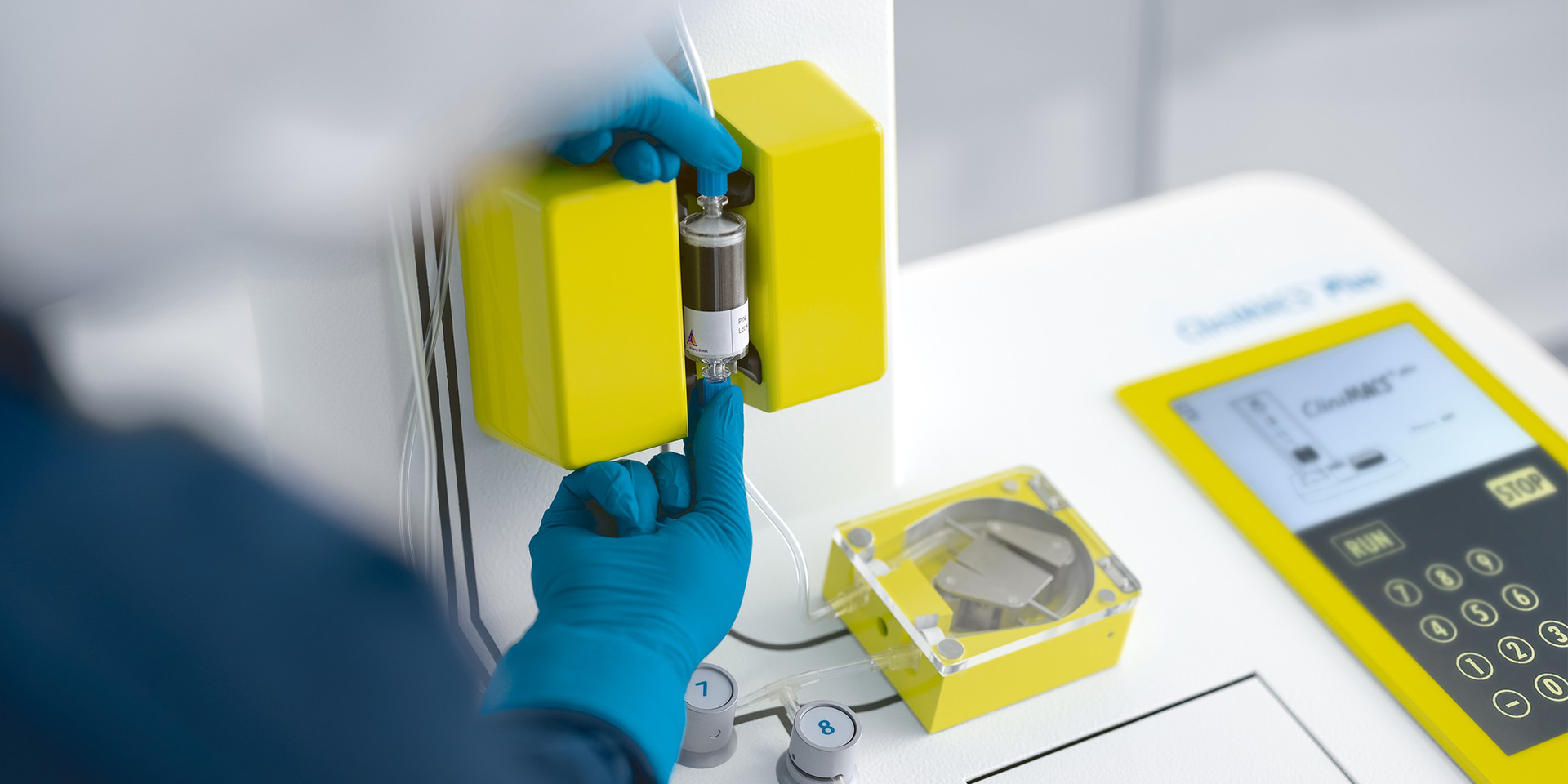
Despite its potential, HSCE-based therapies remain largely inaccessible, especially in low-income countries where hemoglobinopathies are more prevalent.13,18 The manufacturing process and regulatory burden in addressing the risk of genotoxicity from some viral vectors cause high prices and limited distribution.13,18 As a closed system that automates cell processing, the CliniMACS Prodigy® Platform helps overcome hurdles and facilitates point-of-care manufacturing through robust performance, minimized contamination risk, and flexible customization to protocol-specific requirements.

Miltenyi Biotec solutions in action
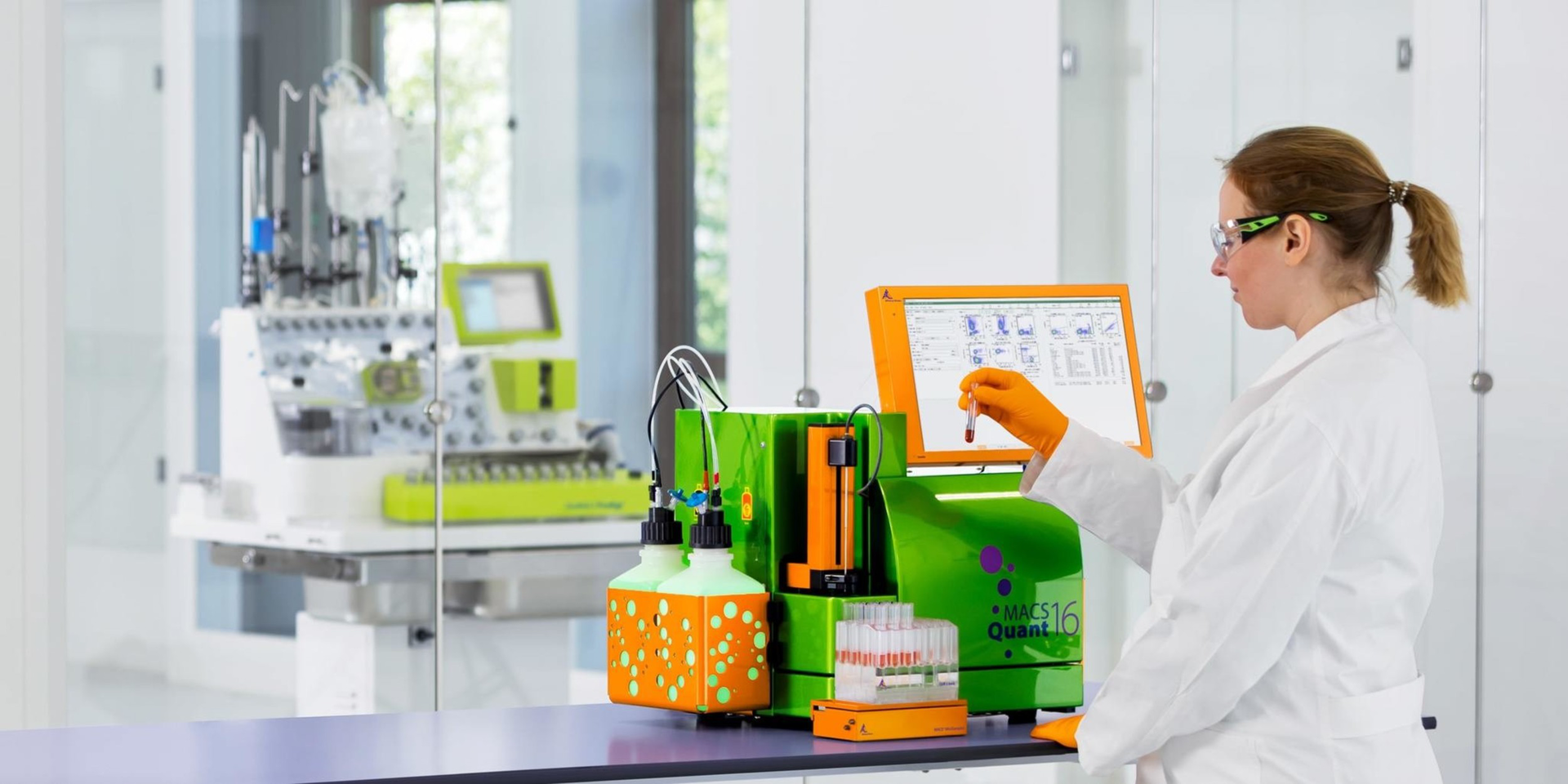
Designed with clinical settings in mind, the CliniMACS Prodigy Platform streamlines cell and gene therapy manufacturing by providing highly standardized and automated processes within a compact footprint. The following presentation and publications illustrate how the CliniMACS Prodigy Platform is used in clinical research related to monogenic diseases.
Recorded talk
Use of TCRαβ/CD19-depleted grafts from HLA-haploidentical donors for the treatment of non-malignant disorders: is it the new black?
Speaking at the Miltenyi Biotec Corporate Symposium at the 49th Annual Meeting of the EBMT, 2023, Pietro Merli presents on experiences at the Bambino Gesù Children's Hospital in Rome, Italy, using graft engineering to treat non-malignant disorders.
Publication
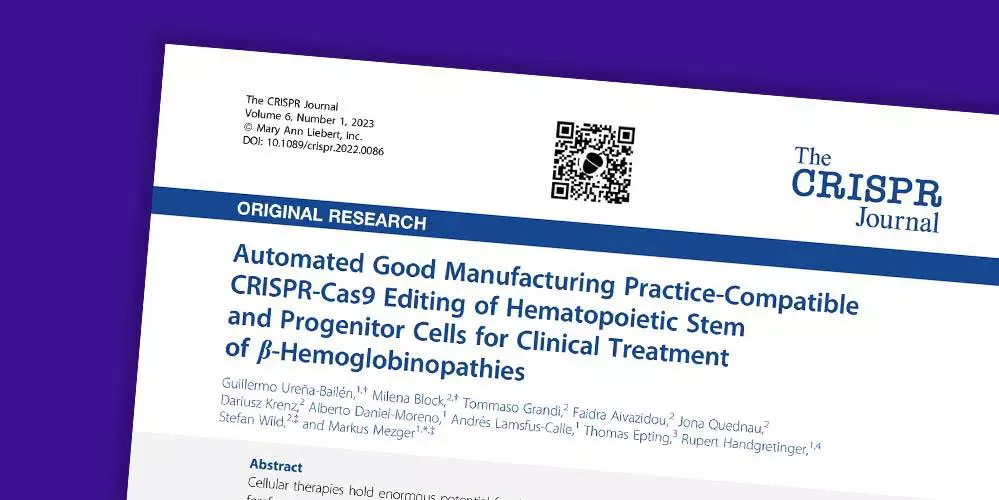
Automated good manufacturing practice-compatible CRISPR-Cas9 editing of hematopoietic stem and progenitor cells for clinical treatment of β-hemoglobinopathies
Ureña-Bailén, G. et al. (2023) CRISPR J. 6: 5.
In an automated, clinical-scale production process, CD34+ hematopoietic stem and progenitor cells were electroporated with CRISPR-Cas9 targeting the BCL11A erythroid-specific enhancer. The process yielded high editing efficiency, and analyses showed evidence of fetal hemoglobin resurgence in edited samples.

Publication
Exagamglogene autotemcel for severe sickle cell disease
Frangoul, H. et al. (2024) N. Engl. J. Med. 390: 1649.
A phase III clinical trial demonstrates that treatment with exagamglogene autotemcel (exa-cel), a nonviral cell therapy consisting of CRISPR-Cas9–edited CD34+ hematopoietic stem and progenitor cells, eliminates vaso-occlusive crises in sickle cell disease patients for a year or longer.
Additional publications
- Locatelli, F. et al. (2024) Exagamglogene autotemcel for transfusion-dependent β-Thalassemia. N. Engl. J. Med. 390: 1663. | Read article
- Frangoul, H. et al. (2020) CRISPR-Cas9 gene editing for sickle cell disease and β-thalassemia. N. Engl. J. Med. 384: 252–260. | Read article

Interested in other indications or a first chat?
Unless otherwise specifically indicated, Miltenyi Biotec products and services are for research use only and not for therapeutic or diagnostic use. For complete regulatory notes, please click here.