Leukemia: first advances in cell therapy for blood cancers


Leukemia: first advances in cell therapy for blood cancers
A promising frontier in leukemia care
Leukemias derive from malignant blood cells in an early phase of differentiation.1 Fast-growing (acute) leukemias affect adults and children and have different prognoses.1–4 Slower (chronic) leukemias, which affect mostly older patients, are less aggressive and easier to treat.1,5,6 Leukemias are classified into lymphoid and myeloid groups based on the affected blood cell type, which also defines available treatment options.1
Chemotherapy and targeted therapies, sometimes followed by consolidation therapy and allogeneic hematopoietic stem cell transplant (HSCT), have made great inroads into successfully treating leukemia. Prognoses vary widely depending on leukemia type and patient age1, but relapsed and refractory patients, especially with acute myeloid leukemia (AML)7, often have limited options.
Cell therapy and graft engineering for relapsed/refractory leukemia
Cell therapies and graft engineering have already demonstrated their potential to fill that gap. For example, commercial anti-CD19 CAR T cell therapies are a real option for relapsed and refractory B-cell leukemia patients with curative results in several cases.8,9 Engineered precision grafts can help to prevent complications of HSCT such as GVHD and improve outcomes.10,11
Nonetheless, there is ample room for innovation. To begin with, only half of acute lymphoid leukemia (ALL) patients who receive commercial anti-CD19 CAR T cell therapy achieve long-term response.8 Cell therapies have also failed to reach significant efficacy in severe non-B cell leukemias due to a lack of specific target molecules.12 Lastly, access to CAR T cell treatments is limited by the cost of manufacturing and the complicated logistics.13–15
Creating new cell therapy targeting strategies for leukemia
Miltenyi Biotec offers products and services to support clinicians exploring new cell-based approaches for leukemia, such as CAR T cells, NK cells, and graft engineering in allogeneic transplantation. The paucity of treatments for AML has sparked research into boosting the potency of therapies through deeply engineered constructs for T and NK cells. Next-generation engineering strategies include armoring, logic gates, and dual antigen targeting.12,16 NK cell-based therapies are particularly interesting as an off-the-shelf treatment option.12,16 Additionally, adoptive transfer of allogeneic γδ T cells can also exhibit potent anti-leukemia effects.17,18

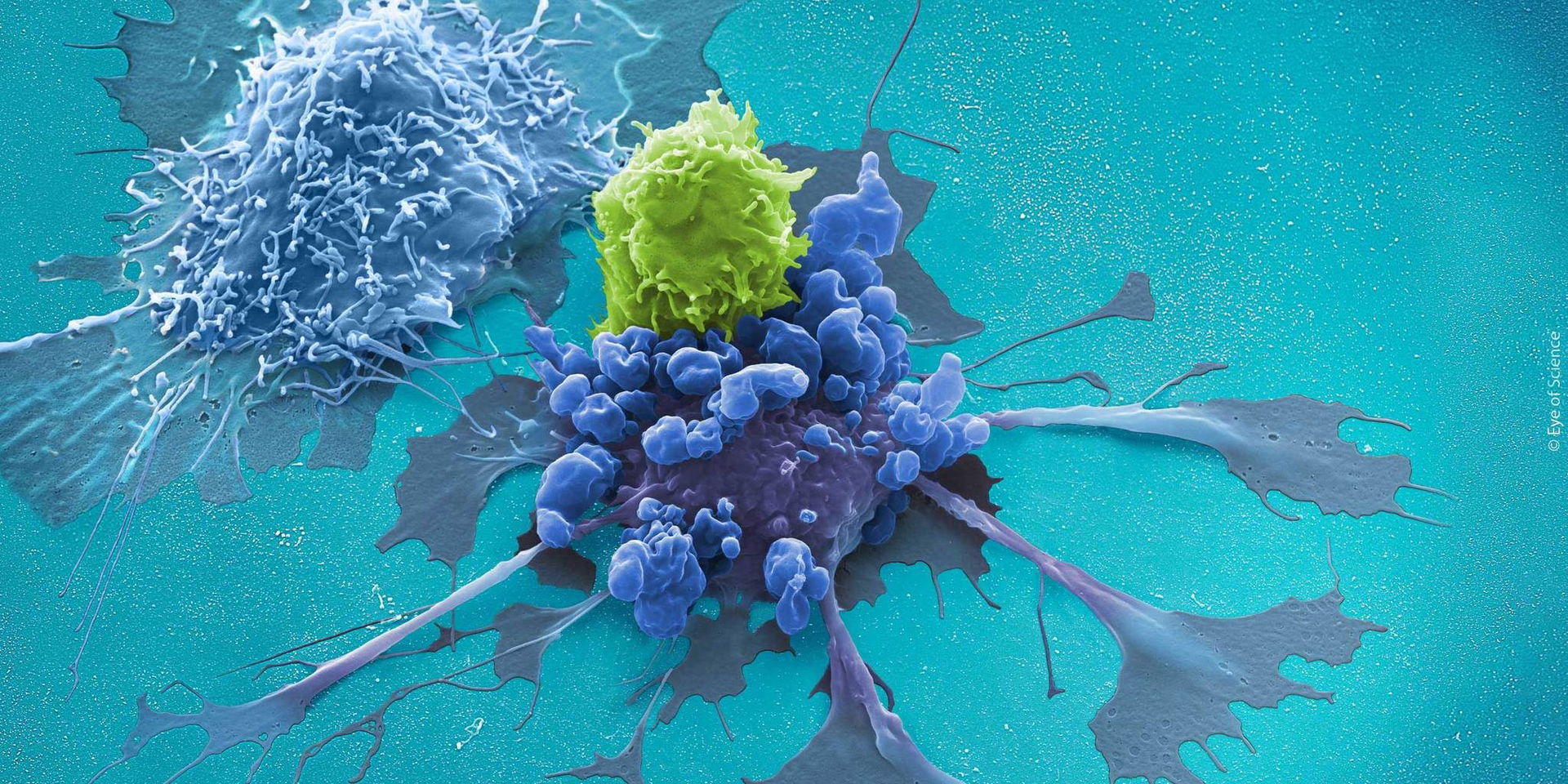

Expanding access to cell therapy for leukemia
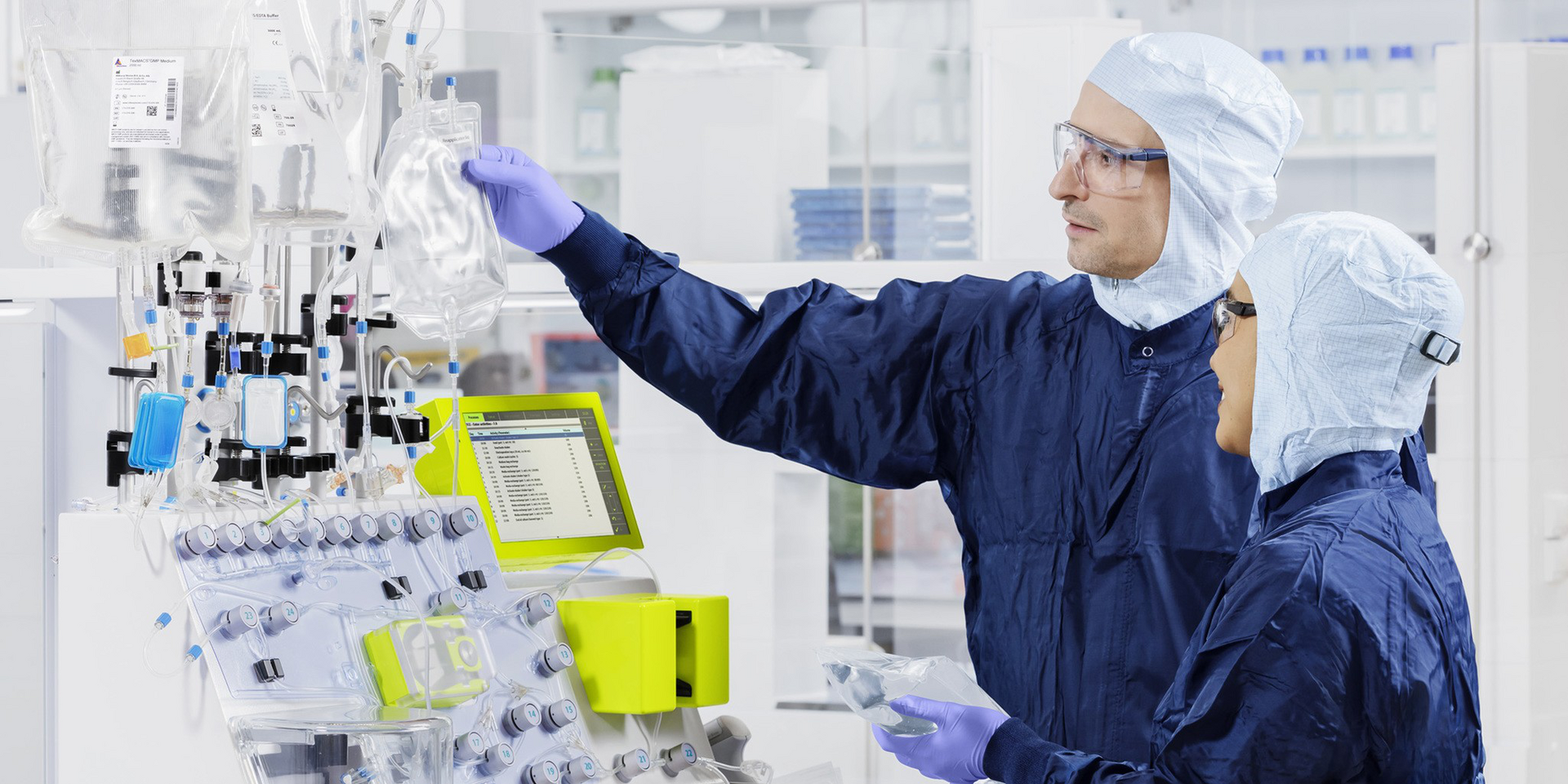
In addition to advancing therapeutic concepts, Miltenyi Biotec solutions help clinicians reduce cell therapy manufacturing and distribution costs. Shifting production to the point of care simplifies logistics and reduces manufacturing expenses.15,19,20

Miltenyi Biotec solutions in the field
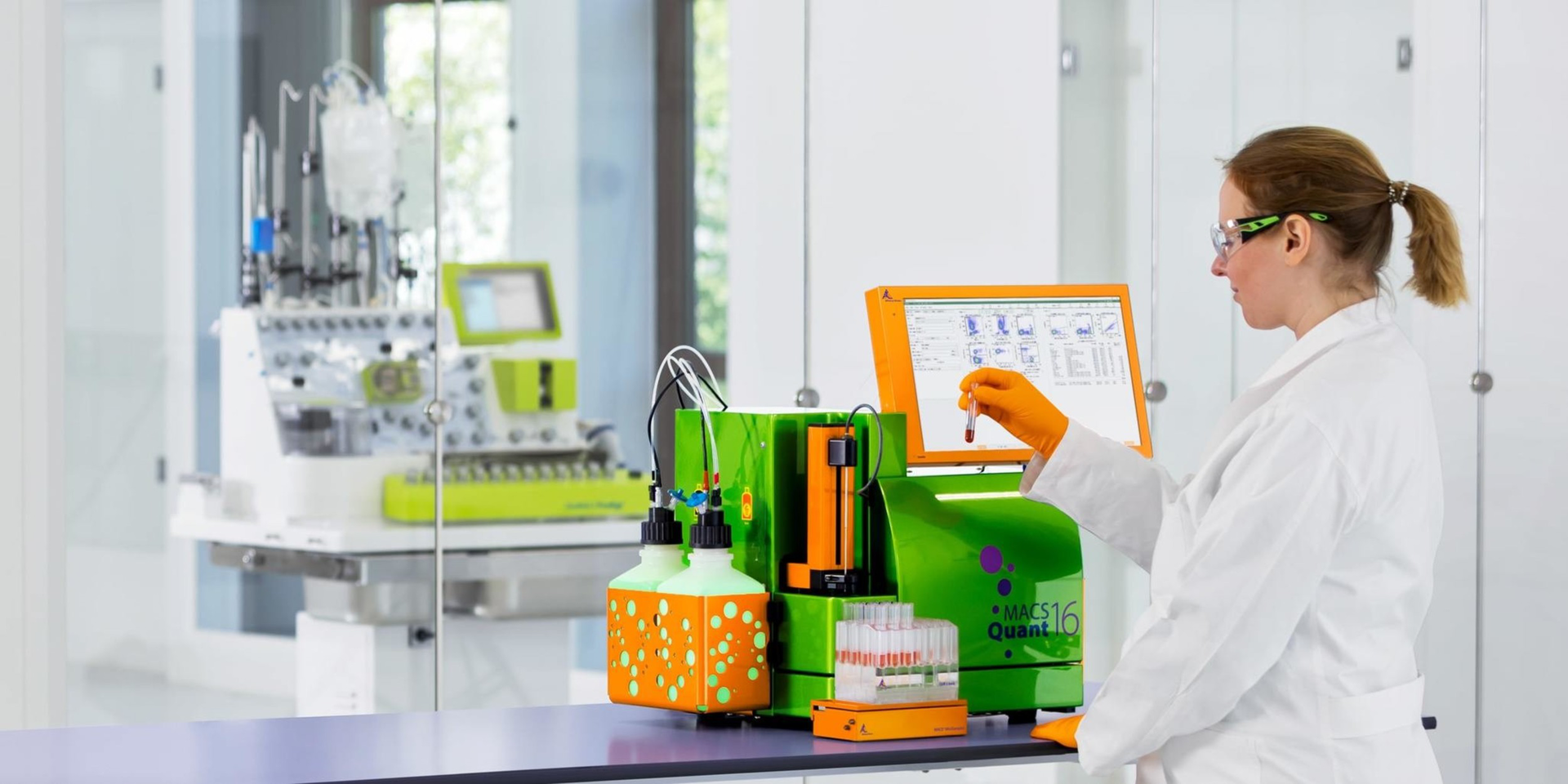
Designed with clinical settings in mind, the CliniMACS Prodigy® Platform streamlines cell and gene therapy manufacturing by providing highly standardized and automated processes within a compact footprint. The following presentation and publications illustrate how the CliniMACS Prodigy Platform is used in clinical research related to leukemia.
Recorded talk
CD45RA+ TN depletion of PBSC grafts for prevention of chronic GVHD – results from clinical trials and laboratory studies
Marie Bleakley, MD, PhD, MMSc, Professor of Pediatrics at the University of Washington and Fred Hutchinson Cancer Center, shares insights from clinical trials and laboratory research exploring selective CD45RA⁺ naïve T cell depletion in allogeneic PBSC grafts. She discusses how this graft engineering strategy may reduce chronic GVHD without compromising protection against infections or increasing relapse risk in patients undergoing allogeneic hematopoietic stem cell transplantation.
Would you like to hear more from your peers?
Publication
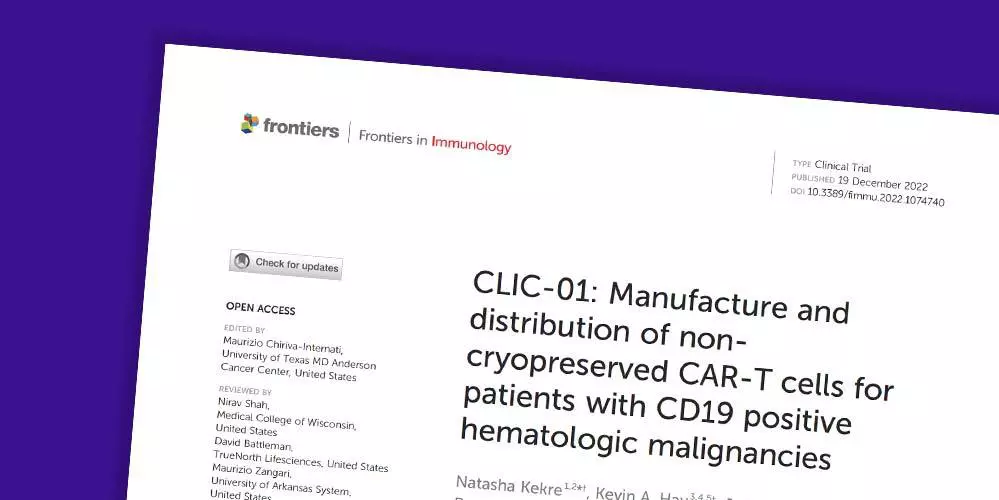
CLIC-01: Manufacture and distribution of non-cryopreserved CAR-T cells for patients with CD19 positive hematologic malignancies
Kekre, N. et al. (2022) Front. Immunol. 13: 1074740
A GMP-compliant in-house process is examined in the Canadian healthcare system as a solution for sustainable cell therapy programs for acute lymphoblastic leukemia (ALL), chronic lymphocytic leukemia (CLL), and B-cell non-Hodgkin’s lymphoma (NHL).

Publication
CART19-BE-01: A multicenter trial of ARI-0001 cell therapy in patients with CD19+ relapsed/refractory malignancies
Ortíz-Maldonado, V. et al. (2020) Mol. Ther. 29: P636.
Thirty-nine leukemia patients received the anti-CD19 CAR T cell therapy ARI-0001 after treatment with cyclophosphamide and fludarabine. Observed rates of cytokine release syndrome and neurotoxicity were comparable to other available products. Overall survival was 68.6% at 1 year.
Additional publications
- Palani, H. K. et al. (2025) Safety, efficacy and total cost of point-of-care manufactured anti-CD19 CAR-T cell therapy in India: VELCART trial. Mol. Ther. Oncol. 33: 200977. | Read article
- Malakhova, E. et al. (2024) Extended characterization of anti-CD19 CAR T cell products manufactured at the point of care using the CliniMACS Prodigy system: Comparison of donor sources and process duration. Cytotherapy 26: 567–578. | Read article
Bader, C. S. et al. (2024) Single-center randomized trial of T-reg graft alone vs T-reg graft plus tacrolimus for the prevention of acute GVHD. Blood Adv. 8: 1105–1115. | Read article - Kulkarni, U. et al. (2023) Haploidentical Natural Killer cell therapy as an adjunct to stem cell transplantation for treatment of refractory acute myeloid leukemia. Cell Transplant. 32: 9636897231198178. | Read article
- Meazza, R. et al. (2023) Donor selection for adoptive immunotherapy with NK cells in AML patients: Comparison between analysis of lytic NK cell clones and phenotypical identification of alloreactive NK cell repertoire. Front. Immunol. 14: 1111419. | Read article
- Del Bufalo, F. et al. (2023) Allogeneic, donor-derived, second-generation, CD19-directed CAR-T cells for the treatment of pediatric relapsed/refractory BCP-ALL. Blood 142: 146–157. | Read article
- Palani, H. K. et al. (2023) Decentralized manufacturing of anti CD19 CAR-T cells using CliniMACS Prodigy: real-world experience and cost analysis in India. Bone Marrow Transplant. 58: 160–167. | Read article
- Berrien-Elliott, M. M. et al. (2022) Systemic IL-15 promotes allogeneic cell rejection in patients treated with natural killer cell adoptive therapy. Blood 139: 1177–1183. | Read article
- Berrien-Elliott, M. M. et al. (2022) Hematopoietic cell transplantation donor-derived memory-like NK cells functionally persist after transfer into patients with leukemia. Sci. Transl. Med. 14: eabm1375. | Read article
- Parisi, S. et al. (2022) Long-term outcome after adoptive immunotherapy with Natural Killer cells: Alloreactive NK cell dose still matters. Front. Immunol. 12: 804988. | Read article
- Ramakrishnan, S. et al. (2022) Should we adopt an automated decentralized model of chimeric antigen receptor-T cell manufacturing for low- and middle-income countries? A real world perspective. Front. Oncol. 12: 1062296. | Read article
- Rubio-Azpeitia, E. et al. (2022) Clinical grade production of IL-15 stimulated NK cells for early infusion in adult AML patients undergoing haploidentical stem cell transplantation with post-transplant cyclophosphamide. Transfusion 62: 374–385. | Read article
- Devillier, R. et al. (2021) Phase I trial of prophylactic donor-derived IL-2-activated NK cell infusion after allogeneic hematopoietic stem cell transplantation from a matched sibling donor. Cancers 13: 2673. | Read article
- Maschan, M. et al. (2021) Multiple site place-of-care manufactured anti-CD19 CAR-T cells induce high remission rates in B-cell malignancy patients. Nature Comm. 12: 7200. | Read article
- Castella, M. et al. (2020) Point-of-care CAR T-cell production (ARI-0001) using a closed semi-automatic bioreactor: Experience from an academic phase I clinical trial. Front. Immunol. 11: 00482. | Read article

Looking for more details or to talk with our team?
Unless otherwise specifically indicated, Miltenyi Biotec products and services are for research use only and not for therapeutic or diagnostic use. For complete regulatory notes, please click here.