3D graphic of strands of DNA and leukocytes
Logo

Effective sample cleanup: Removing unwanted material and ensuring reliable genomic results

Working with samples with high cell viability and free of debris is a key prerequisite to obtain accurate and reliable results in single-cell sequencing. This is particularly important for gene expression analysis since only viable nucleated cells will generate functional libraries. Our strainers and removal reagents help you to clear your single-cell suspensions from unwanted material such as, cell aggregates, dead cells, debris, cell-free organelles, or erythrocytes to get the best possible genomic analysis results.

Genomic analysis of cell suspensions after cleanup

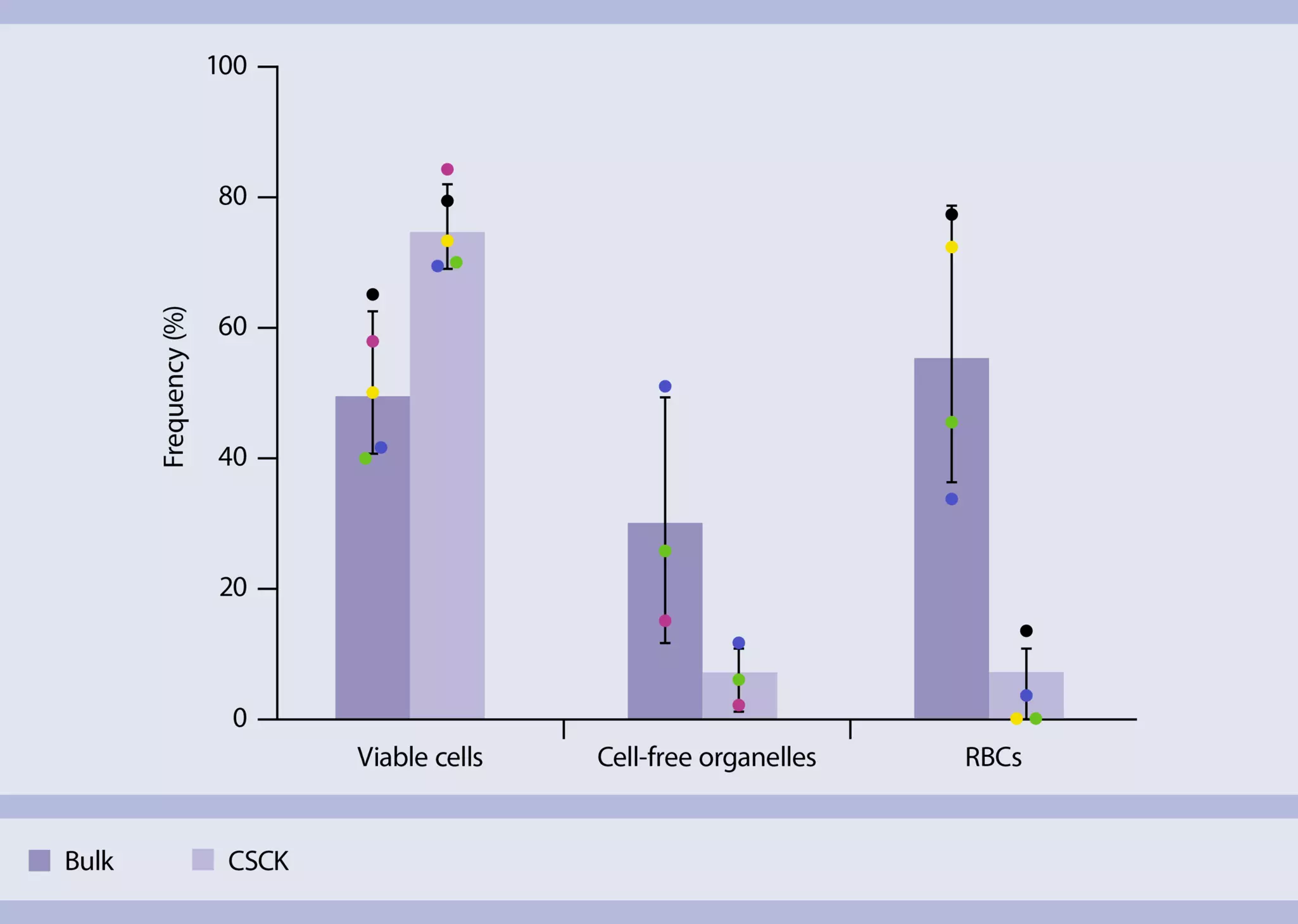
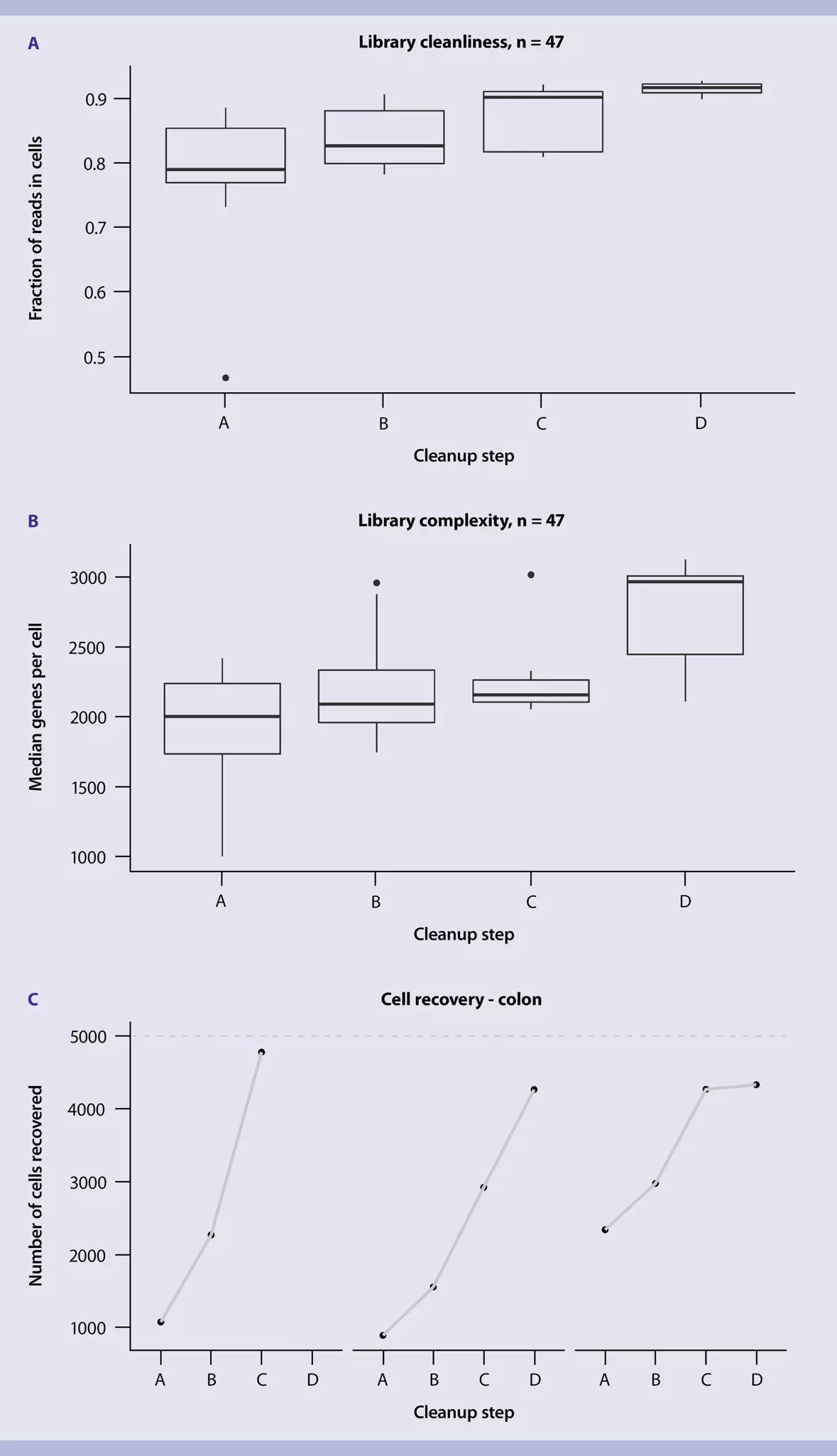
Graphs showing increased quality of single-cell gene expression data after tumor cell suspensions underwent cleanup steps
Single-cell gene expression data quality was increased after tumor cell suspensions underwent cleanup steps

Cleanup of tumor samples improves the quality of single-cell gene expression analysis

Application of different clean up steps on mouse tumor cell suspensions helps to remarkably increase the quality of single-cell genomic data.

How to cleanup your cell suspensions prior to single-cell genomic analysis
Removal of large particles and cell aggregates

MACS® SmartStrainers allow the removal of large particles and cell aggregates in cell suspensions from solid tissues or blood samples. Their special design enables a fast filtration without clogging and easily fit into 15 mL and 50 mL tubes.

Video

Cell strainers that fit all your needs

Removing large particles and cell aggregates in cell suspensions from solid tissue or blood samples results in purer samples that produce higher quality data.

Flow cytometry analysis  of human ovarian cancer tissue dissociated using the gentleMACS Octo Dissociator with Heaters and the Tumor Dissociation Kit, human, and then purified using the Cell Suspension Cleanup Kit, human
The Cell Suspension Cleanup Kit, human, can efficiently remove dead cells, red blood cells, and cell-free organelles

Cell suspension cleanup: Optimize your single-cell RNA sequencing preparation

Utilize the Cell Suspension Cleanup Kit, human, to magnetically remove unwanted components of your cell suspension that may interfere with your genomic analysis, such as dead or dying cells, erythrocytes, or cell-free organelles, in a single step. Using the Cell Suspension Cleanup Kit not only increases the reliability of your analysis data, but also minimizes the risk of cell damage when using a red blood cell lysis solution.

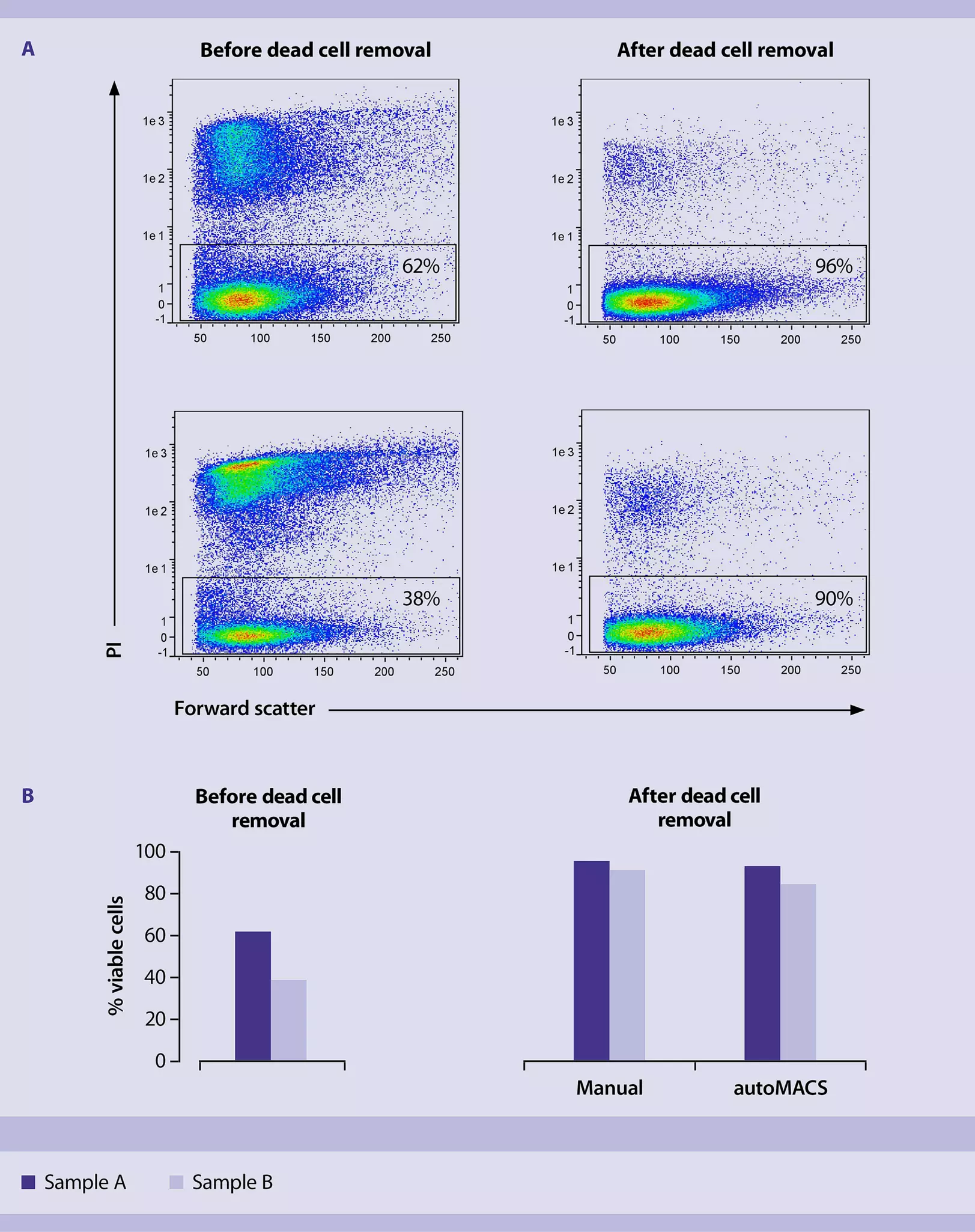
Flow cytometry analysis showing increased cell viability rates of PBMC samples after removal of dead cells
Increased cell viability rates of PBMC samples after removal of dead cells

Dead cell removal: Increase the viability of your cell suspension

Use the Dead Cell Removal Kit for the fast and straight forward magnetic depletion of dead cells from blood samples, cryopreserved cells, or cell suspensions from fresh solid tissues containing robust cells, such as fibroblasts, epithelial cells, tumor cells, or immune cells. When combined with the autoMACS® NEO Separator, the process of dead cell removal can be performed in an automated way by just clicking a button.

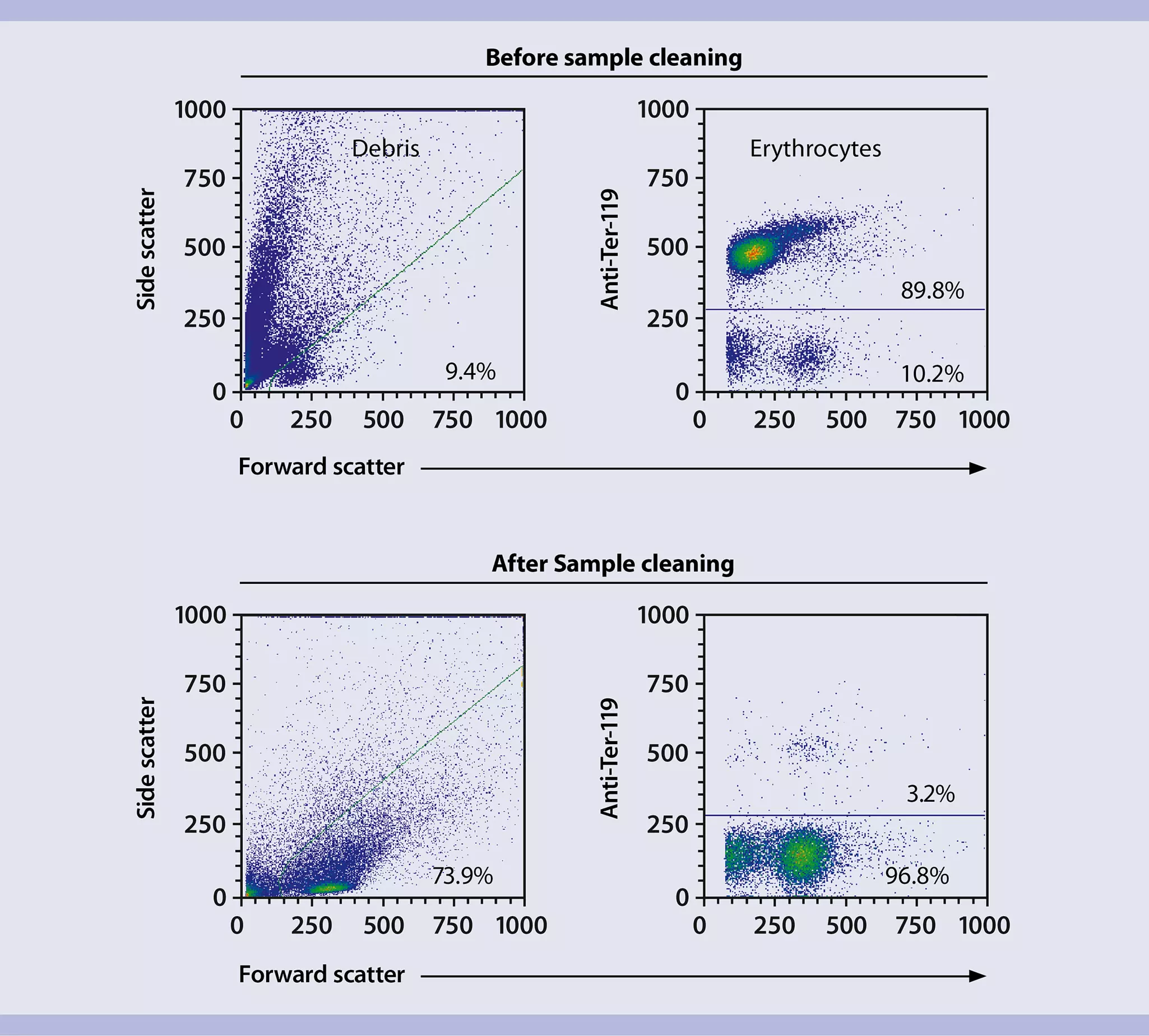
Flow cytometry analysis showing increased yield of viable adult mouse neural cells by applying debris removal and red blood cell lysis
Yield of viable adult mouse neural cells were increased by applying debris removal and red blood cell lysis

Debris removal and red blood cell lysis

The Debris Removal Solution is a ready-to-use density gradient reagent that allows the fast and convenient removal of subcellular debris in cell suspensions containing fragile cells, such as adult neurons, adult cardiomyocytes or hepatocytes , and kidney. In addition, lysis of red blood cells with the Red Blood Cell Lysis Solution helps to increase the yields of viable nucleated cells.