Logo

Clinical-scale Mo-DC manufacturing for DC-based immunotherapy

Harness the power of automation and standardization with the CliniMACS Prodigy® LP-14 Mo-DC Process – a solution designed for the efficient manufacturing of monocyte-derived dendritic cells (Mo-DCs) from leukapheresis products for DC-based immunotherapies.

This advanced system integrates key Mo-DC manufacturing steps in a closed environment, including high-purity CD14+ cell isolation and controlled differentiation and maturation, while offering the flexibility for optional antigen loading.

By standardizing key steps through automation, the CliniMACS Prodigy LP-14 Mo-DC Process ensures consistent and reproducible Mo-DC manufacturing at a clinical scale.

A streamlined workflow for Mo-DC manufacturing

The CliniMACS Prodigy Platform provides a standardized, GMP-compliant workflow that ensures consistent, high-quality Mo-DC production at scale. By integrating essential manufacturing steps, the platform reduces manual variability, improves reproducibility, and enables efficient clinical translation of DC-based immunotherapies.

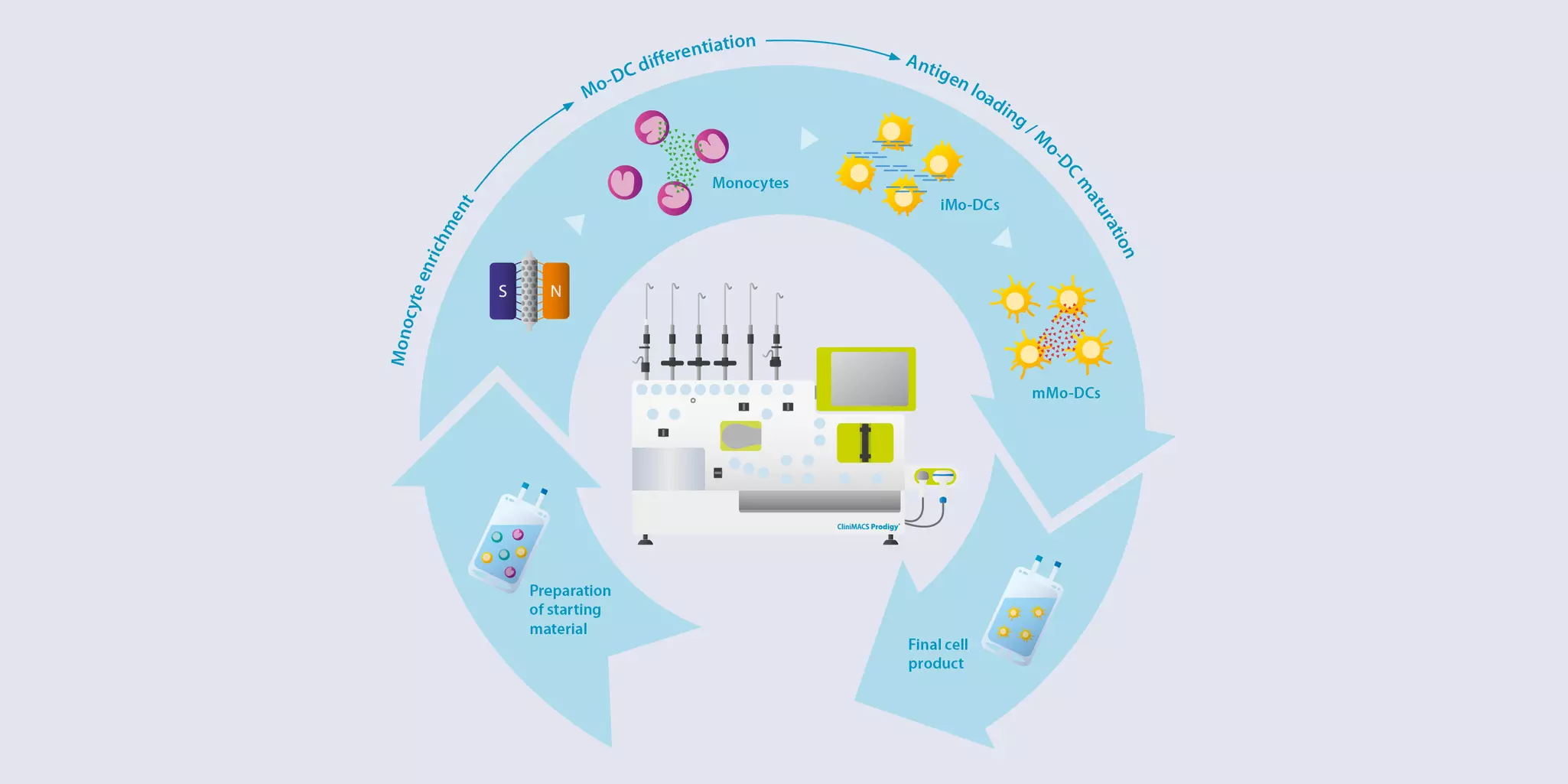
Illustration of Mo-DC manufacturing on CliniMACS Prodigy showing monocyte enrichment, differentiation, maturation, and antigen loading.
Automated process on the CliniMACS Prodigy for manufacturing Mo-DCs, from monocyte enrichment through differentiation to immature (iMo-DCs) and maturation to mature (mMo-DCs) dendritic cells.

For CD14+ cell enrichment, both the CliniMACS Prodigy and the CliniMACS® Plus Instruments can be used. However, for users continuing with Mo-DC cultivation, the CliniMACS Prodigy LP-14 Mo-DC Process is required, as the CliniMACS Plus System is limited to enrichment only.

Step-by-step Mo-DC manufacturing workflow

The CliniMACS Prodigy LP-14 Mo-DC Process streamlines the entire procedure, from CD14+ cell enrichment and differentiation to maturation, followed by rebuffering and harvest, all within an automated and closed workflow. It also offers flexibility for optional antigen loading and allows in-process quality control sampling at various stages of manufacturing.

1. CD14+ cell enrichment

Infographic showing the principle of magnetic cell separation

Efficient CD14+ monocyte enrichment removes contaminating immune cells, yielding a high-purity population from leukapheresis products. This step does not require magnetic bead removal, ensuring a well-defined starting material for downstream differentiation.

2. Mo-DC differentiation

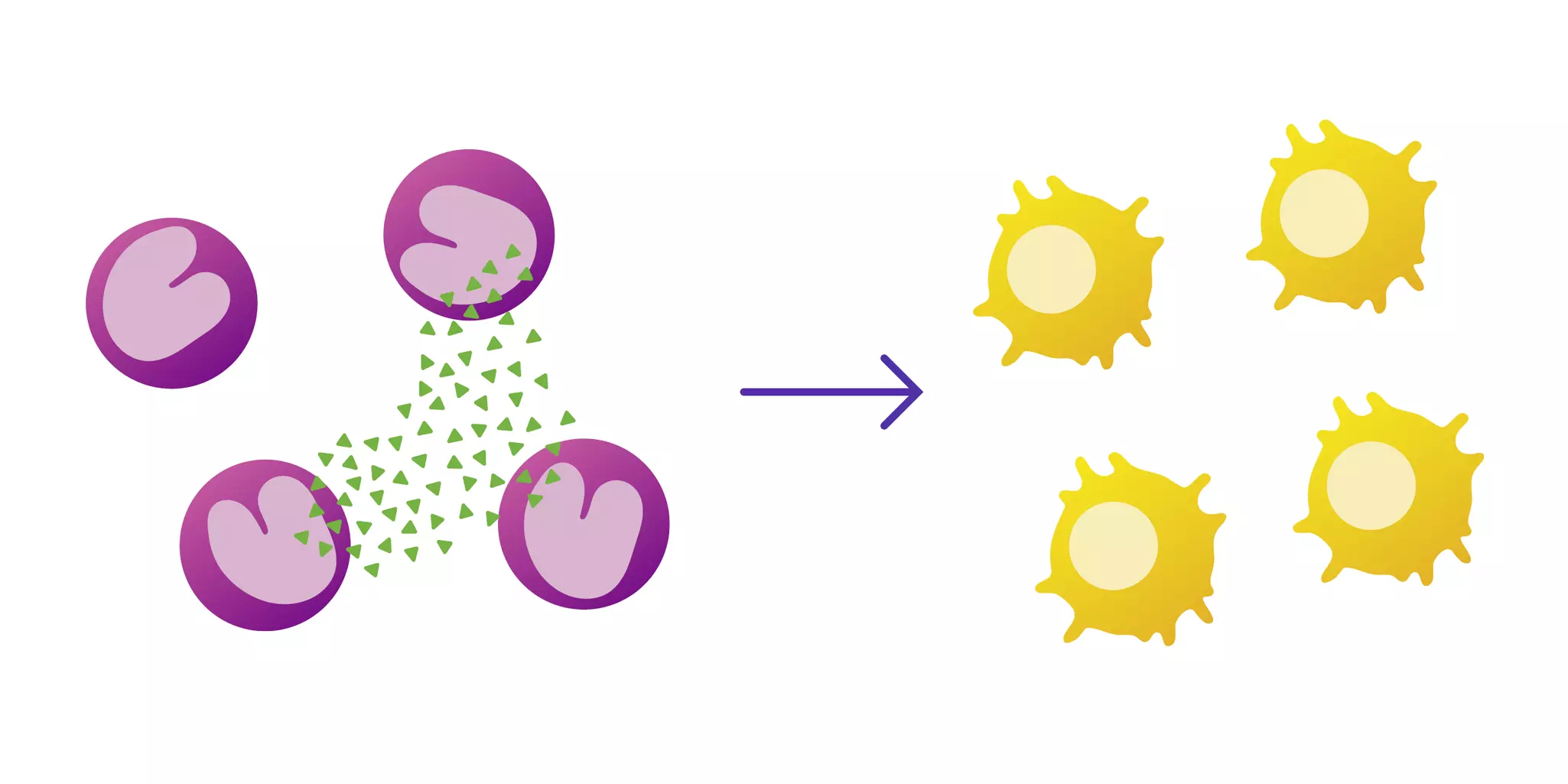
Monocyte differentiation to immature Mo-DCs (iMo-DCs) with cytokines, shown with arrow from monocytes to iMo-DCs

Enriched monocytes are cultured with cytokines, such as IL-4 and GM-CSF, to generate immature Mo-DCs in a closed, automated process.

3. Antigen loading and maturation

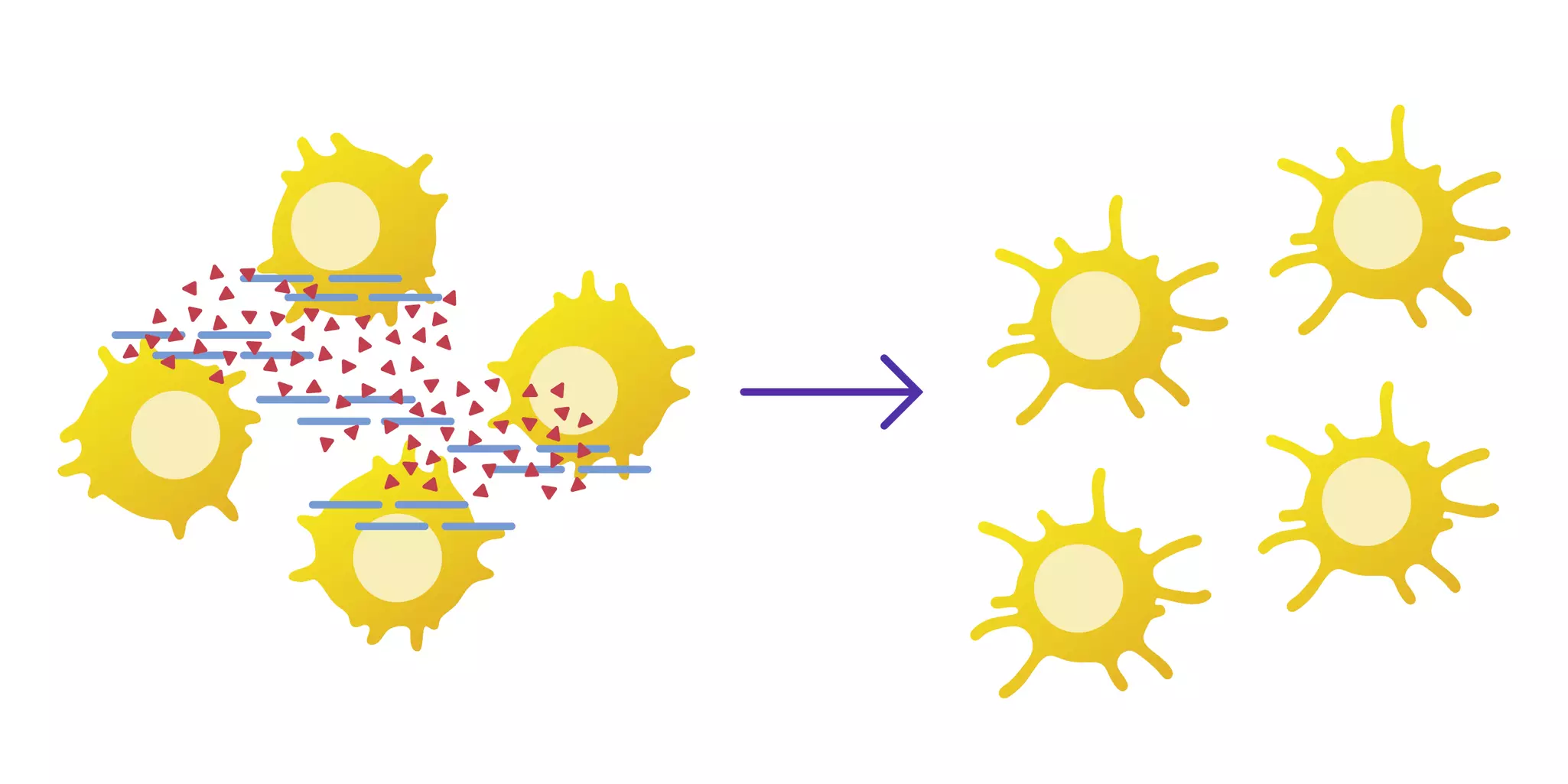
Immature Mo-DCs (iMo-DCs) loaded with antigens and cytokines, differentiating into mature Mo-DCs (mMo-DCs).

After differentiation, immature Mo-DCs are matured using cytokine stimulation (e.g., IL-1β, IL-6, and TNF-α) in combination with prostaglandin E2 (PGE2)* to ensure their full functional development. Antigen loading is optional and can be performed before, after, or simultaneously with the maturation step, allowing for a flexible workflow.

*Note: Some components, such as PGE2, are not included in the system and must be sourced according to local pharmaceutical regulations.

4. Quality control testing with flow cytometry

Researcher is starting an analysis on the flow cytometer MACSQuant Analyzer 16

In order to enable safe and consistent cell manufacturing, the implementation of robust in-process control and release testing (IPC/RT) is crucial.

Samples collected within the manufacturing process, e.g., on the CliniMACS Prodigy, are reliably analyzed on our standardized flow cytometry platform. Our comprehensive workflow solution comprises harmonized MACSQuant® Flow Cytometers, automated data acquisition and analysis (Custom Express Modes) in an audit-ready software, and a broad portfolio of REAfinity® Recombinant Antibodies with superior specificity and reproducibility.

Check also our analytical solutions for cell and gene therapy.

How are myeloid cells used in immunotherapy?

Mo-DCs are a powerful tool in immunotherapy, bridging innate and adaptive immune responses. When loaded with tumor antigens, they can stimulate antigen-specific T cells and are being investigated as therapy in various cancers, including glioblastoma, pancreatic cancer, and mesothelioma.1-3 Tolerogenic dendritic cells are also being explored for their potential to restore immune tolerance. This approach shows potential in autoimmune conditions like type 1 diabetes and rheumatoid arthritis.4-6

Despite their therapeutic promise, large-scale cell manufacturing presents challenges. Variability in cell quality, limited scalability, and the need for standardized protocols remain key hurdles for clinical translation.

To learn how these challenges are being addressed with Miltenyi Biotec products, visit our reference page below.

Selected references: Learn how Miltenyi Biotec tools are used to generate myeloid cells and applied in clinical research

Icon selected references in turquoise

Stay up to date with a selection of influential publications highlighting how Miltenyi Biotec products contribute to the manufacturing of clinical-grade dendritic cells and macrophages.

Get personalized support for your manufacturing of Mo-DC products for immunotherapy

More resources

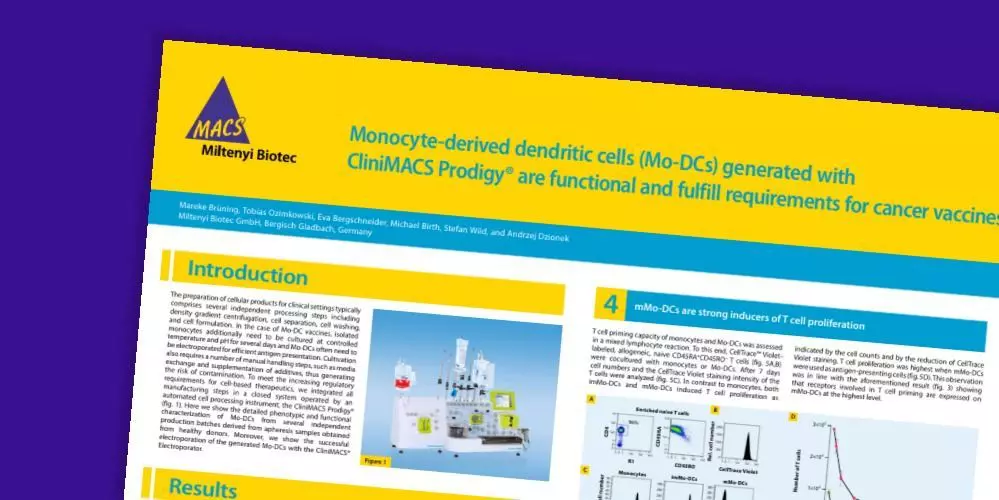
Scientific poster

Monocyte-derived dendritic cells (Mo-DCs) generated with CliniMACS Prodigy are functional and fulfill requirements for cancer vaccines

Mareke Brüning, Tobias Ozimkowski, Eva Bergschneider, Michael Birth, Stefan Wild, and Andrzej Dzionek, Miltenyi Biotec B.V. & Co. KG, Bergisch Gladbach, Germany

Webinar

Translational Mo-DC research

Join Cristina Conforti Andreoni and her webinar on the past, present, and future of monocyte-derived dendritic cells in translational research. She covers the challenges and solutions of Mo-DC manufacturing for clinical research and the means to bringing DC therapy to the next level.

Unless otherwise specifically indicated, Miltenyi Biotec products and services are for research use only and not for therapeutic or diagnostic use. For complete regulatory notes, please click here.