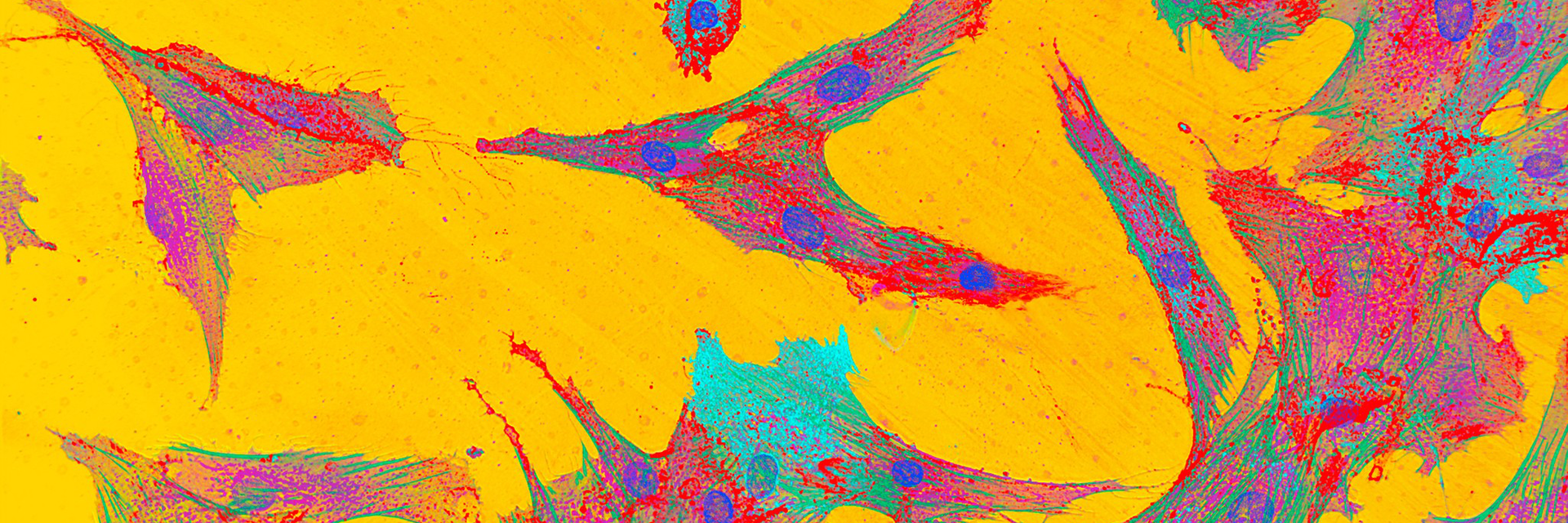
Microscopic image showing mesenchymal stem cells
Logo

Mesenchymal stem cell expansion in a GMP-compliant, closed, and automated system

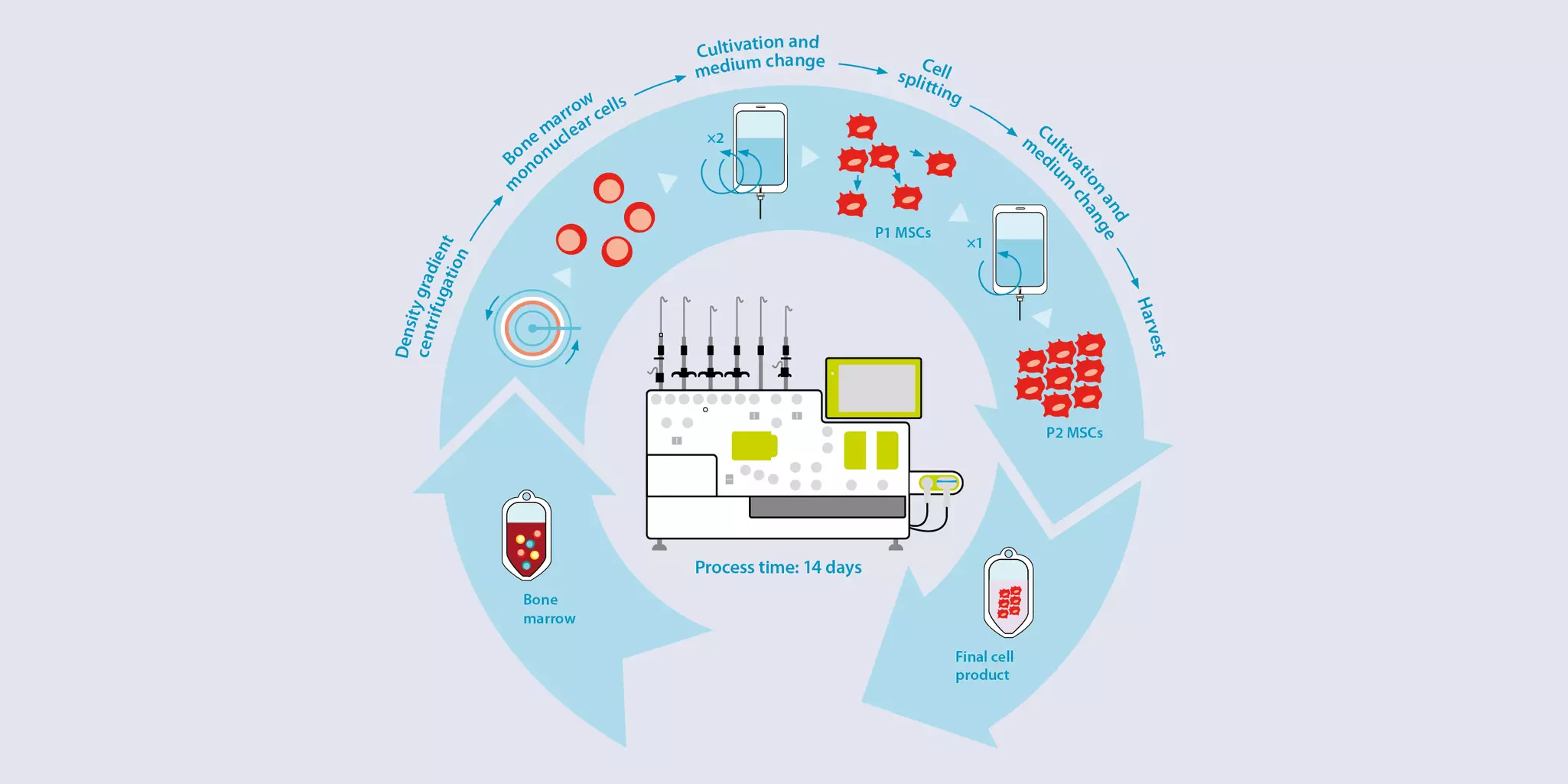
Enable mesenchymal stem cell (MSC) expansion with the closed and GMP-compliant CliniMACS Prodigy® Adherent Cell Culture process on the CliniMACS Prodigy. The process supports all steps from the isolation of bone marrow (BM) mononuclear cells to adherent culture of MSCs and the final cell product.

The following workflow focuses on bone marrow as the starting material; however, it can be used with enzymatically digested umbilical cord, adipose tissue, and even whole blood1.

Content overview

Content

  • Application overview
  • 1. Isolation of bone marrow mononuclear cells
  • 2. Cultivation and cell passaging
  • 3. Harvest
  • The CliniMACS Prodigy versus manual expansion of MSCs
  • In-process and quality control analyses of MSCs
  • Sorting of optimal MSC populations with the MACSQuant Tyto® Cell Sorter
  • Harvesting of MSC extracellular vesicles on the CliniMACS Prodigy
  • Contact and support

MSC expansion overview with the CliniMACS Prodigy

MSCs are multipotent cells with potential clinical applications due to properties that include immunomodulation and tissue regeneration.

The CliniMACS Prodigy Adherent Cell Culture platform, offers all steps for the expansion of MSCs to be conducted in a closed, automated, and GMP-compliant system. With the CliniMACS Prodigy you can perform:

  • Isolation of mononuclear cells from bone marrow
  • Inoculation of mononuclear cells including MSCs
  • MSC cultivation, passaging, and harvesting

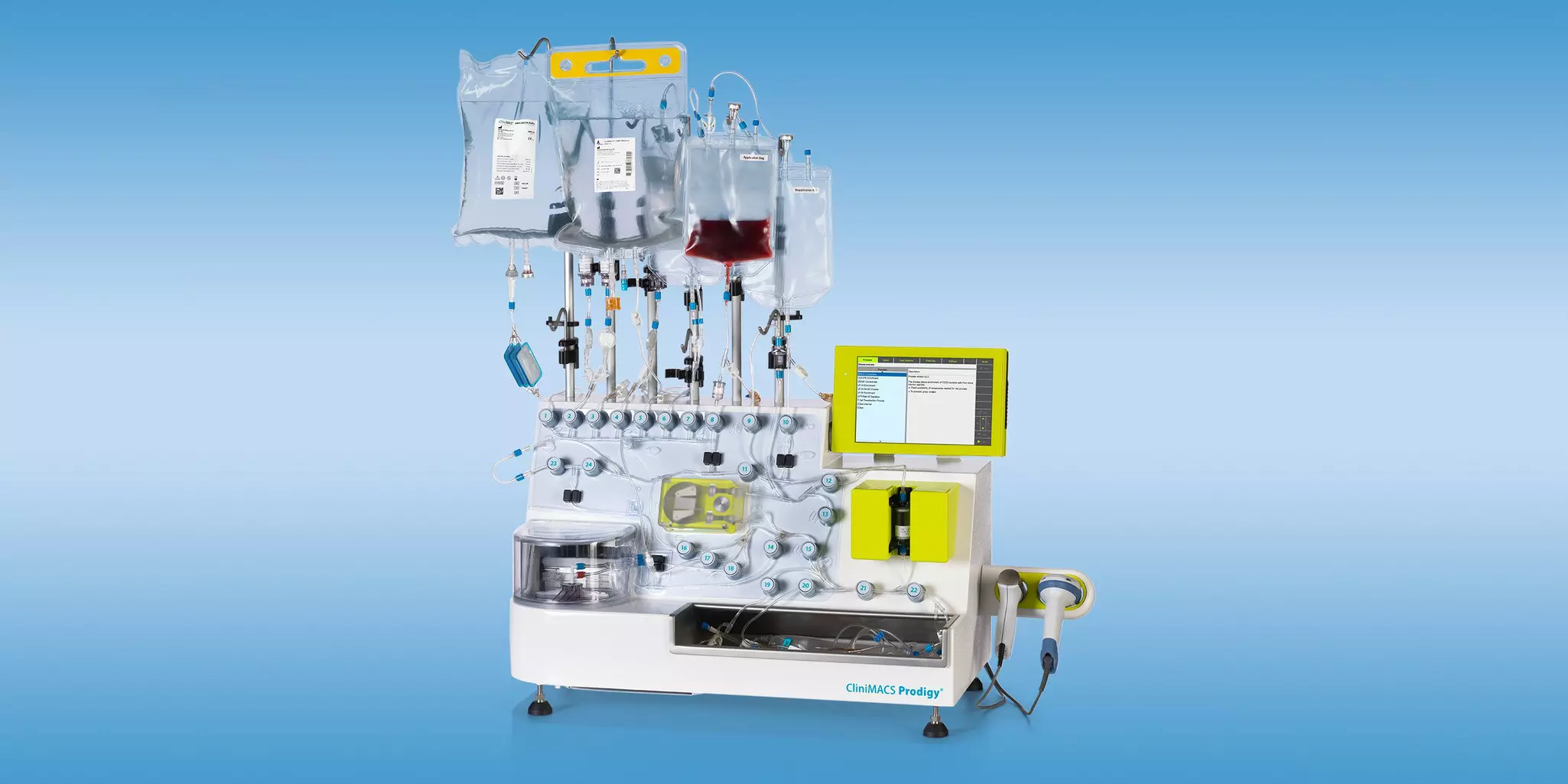
All cell processing takes place in the single-use CliniMACS Prodigy Tubing Set 730, and when needed, can be scaled up by connecting external culture vessels. This enables a flexible process that can be adapted to a variety of protocols such as EV harvesting. Harvesting is then possible for up to 0.4 billion cells in 14 days with less than 3 hours of hands-on time.

Infographic showing the workflow overview of GMP-compliant MSC expansion with the CliniMACS Prodigy Adherent Cell Culture process
Workflow overview of GMP-compliant, closed, and automated MSC expansion with the CliniMACS Prodigy Adherent Cell Culture platform

Specifications

Process capacityscalable (up to 4x10⁸ P2 MSCs)
Starting sample volume30–100 mL human bone marrow sample
Final product volumeapprox. 110 mL
Total process time14 days
Total hands-on timeapprox. 2.8 h

1. Isolation of bone marrow mononuclear cells with density gradient centrifugation

Infographic showing the isolation of bone marrow mononuclear cells with density gradient centrifugation

A bone marrow sample of 30–100 mL goes through density gradient centrifugation in the CentriCult™ Unit of the CliniMACS Prodigy to isolate mononuclear cells.

The mononuclear cells are inoculated on the external culture vessel with the Inoculation module. The MSCs will adhere to the plastic surface of the culture vessel and the external culture vessels will need to remain inside a separate incubator.

For standardized analysis and quantification of MSCs from human bone marrow we have developed the BM-MSC Analysis Cocktail Kit, anti-human. The kit measures the expression of different markers, including CD271 (LNGFR) and MSCA-1, which identifies MSCs with high proliferation potential.

2. Cultivation and cell passaging

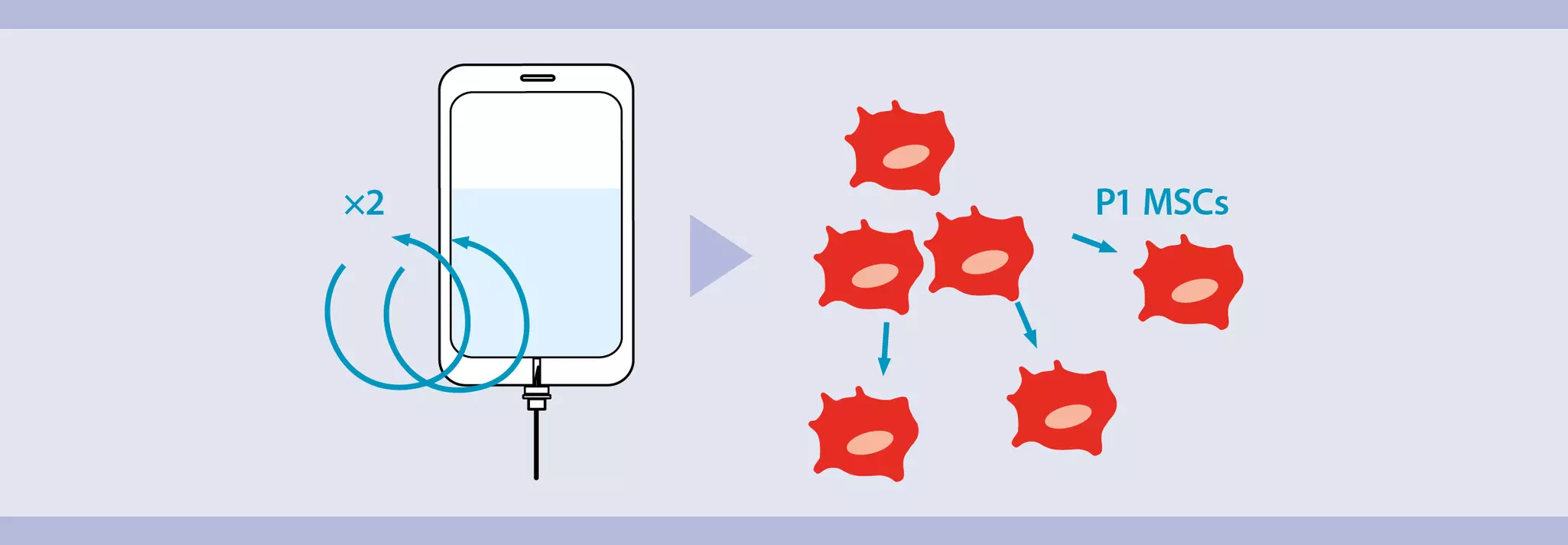
Infographic showing the cultivation and cell passaging step of MSCs on the CliniMACS Prodigy Adherent Cell Culture System

MSCs are cultured in MSC-Brew GMP Medium with cell washing and media exchange taking place during cultivation. The Media Change module facilitates complete or partial media change upon request. When cells reach the desired confluency, the Harvest module dissociates, collects, and centrifuges the cells from the culture vessels within the CentriCult Unit. CliniMACS Prodigy Adherent Cell Culture supports different enzymatic and non-enzymatic dissociation techniques.

During cell passing, a cell sample can be collected for quality control (QC) and cell counting via the integrated sample pouches. Inoculation can be repeated in external culture vessels for further cell expansion within the Inoculation module.

For easy tubing set connection, optimized MSC-Brew GMP Medium is available in bag format.

MSC-Brew GMP Medium

  • Xeno-free and serum-free
  • Without phenol red
  • No need for serum or cell attachement substrates
  • Quality control with functionality test on every batch
  • 500 mL or 2000 mL bags
  • Consistent lot-to-lot performance

MACS® GMP Products are manufactured and tested under a quality management system (ISO 13485) and are in compliance with relevant GMP guidelines. They are designed following the recommendations of USP <1043> on ancillary materials. Click here for more information on the MACS GMP Quality.

3. Harvest

Infographic showing the harvesting step of MSCs on the CliniMACS Prodigy Adherent Cell Culture System

Using the Harvest module cells can be dissociated, resuspended in the harvesting medium, and collected within the target cell bag. Additionally, a cell sample can be collected for QC and counted via the integrated sample pouches.

The CliniMACS Prodigy versus manual expansion of MSCs

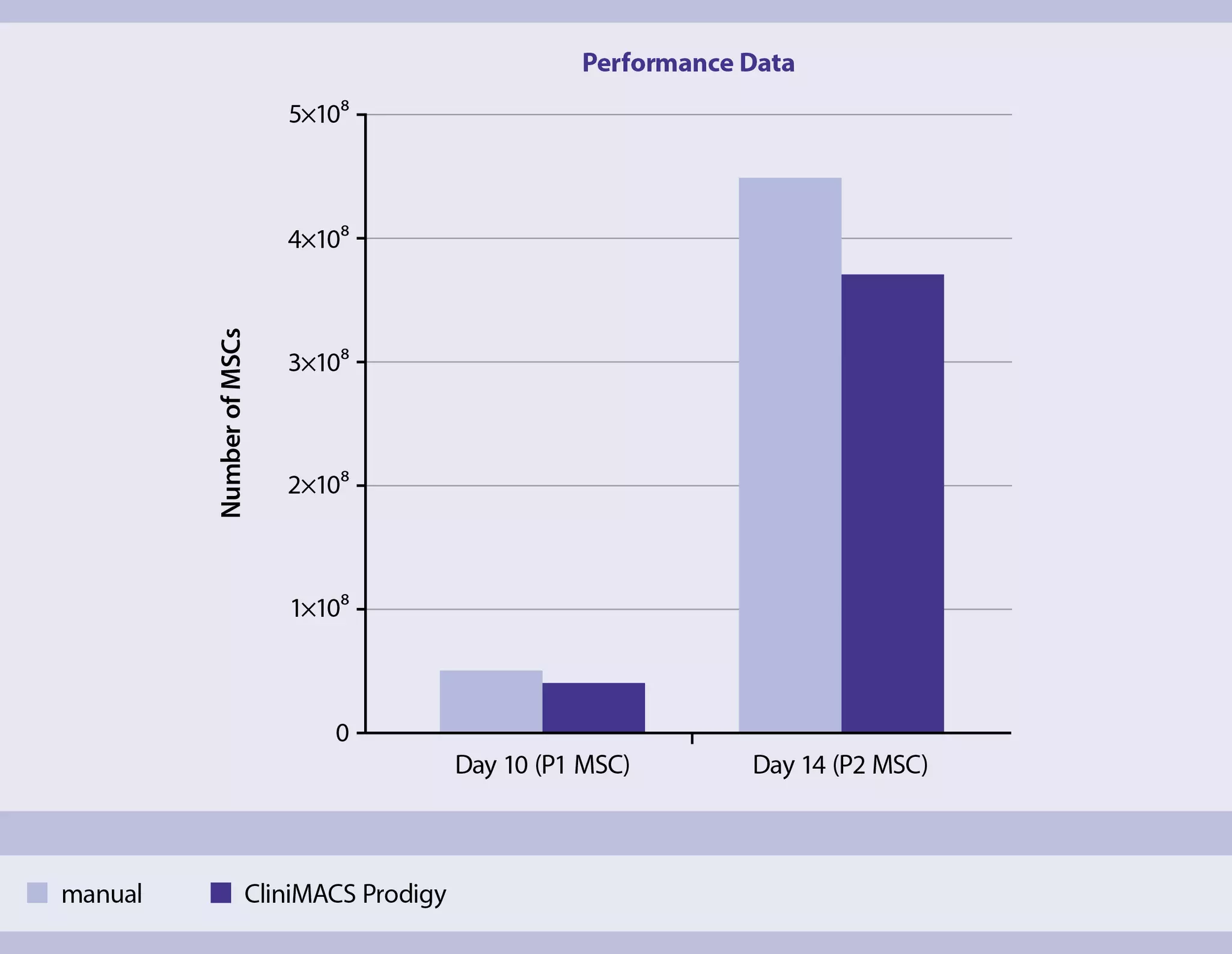
Bar chart comparing the expansion of MSCs with the CliniMACS Prodigy or a manual method on day 10 and day 14
The CliniMACS Prodigy versus manual expansion of MSCs.

MSC expansion with the CliniMACS Prodigy Adherent Cell Culture platform is comparable to manual expansion

After 14 days of expansion and less than 3 hours hands-on time, CliniMACS Prodigy Adherent Cell Culture achieved comparable numbers of passage 2 MSCs compared to the manual protocol using T175 flasks (approximately 4 x 10⁸ cells).

MSC specific markers CD73, CD90, CD105, and non-MSC marker expression assessed by the MSC Phenotyping Kit, human.

High expression of MSC markers

ISCT (International Society for Cell Therapy) has set specific criteria to define MSCs. These include high expression MSC specific markers CD73, CD90, and CD105, and low expression of non-MSC specific markers2. MSCs expanded with the CliniMACS Prodigy surpass these criteria. Through flow cytometric analysis with the MACSQuant® Analyzer 10 and the MSC Phenotyping Cocktail Kit, anti-human, REAfinity™, MSCs showed more than 99.7% expression of the MSC specific markers and 0.75% expression of the negative markers.

In-process and quality control analyses of MSCs

Reliable in-process and quality control (IPC/QC) are indispensable for consistent cell manufacturing. The CliniMACS Prodigy Tubing Set 730 integrates sampling pouches allowing for safe separation and collection of the control sample during and at the end of the cell manufacturing process.

Flow cytometric analyses

With our MACSQuant Analyzers and a wide portfolio of lot-to-lot consistent REAfinity Recombinant Antibodies (including CD73, CD90, CD105, and CD271), Miltenyi Biotec provides standardized solutions for flow cytometric IPC/QC analyses during the MSC expansion process.

MACSQuant Analyzers power automation and standardization:

  • Automated gating and analysis with Express Modes
  • Multi-instrument alignment with Smart Gain technology
  • 21 CFR Part 11 compliant software
  • Standardized reagents based on innovative technologies that ensure lot-to-lot consistency and reliable results

Express Modes, tools based on algorithms that make use of real data sets for processing, gating, and analysis of your samples, complement the MACSQuant Analyzer family of flow cytometers and allow standardization and full automation of your flow cytometry processes. Customized Express Modes can additionally be designed for your specific needs and processes allowing for standardized and reliable manufacturing control.

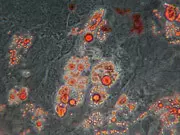
Image showing adipocytes stained with Oil Red O after cultivation of MSCs for 21 days in StemMACS AdipoDiff Medium
Adipocytes stained with Oil Red O after cultivation of MSCs for 21 days in StemMACS AdipoDiff Medium.

MSC differentiation capacity

The third criterion that defines MSCs (after specific marker expression and plastic adherence) is their capacity for trilineage differentiation into adipocytes, osteoblasts, and chondroblasts. To support this differentiation potential, we offer three differentiation media types (StemMACS™ AdipoDiff / OsteoDiff / ChondroDiff Media, human).

These media are suitable for quality control or analysis of the differentiation capacity of expanded MSCs, as well as in vitro studies on MSC differentiation, gene expression, and protein profiling.

Sorting of optimal MSC populations with the MACSQuant Tyto® Cell Sorter

Sorting of MSCs prior to inoculation on the CliniMACS Prodigy helps the expansion of a pure subpopulation with desired characteristics and is a key step when using a rare subpopulation of MSCs 3.

For example, CD271 is a well-known marker of MSCs from bone marrow or adipose tissue. CD271-positive MSCs secrete more growth factors and proliferate faster in comparison to MSCs isolated by plastic adherence 4–5.

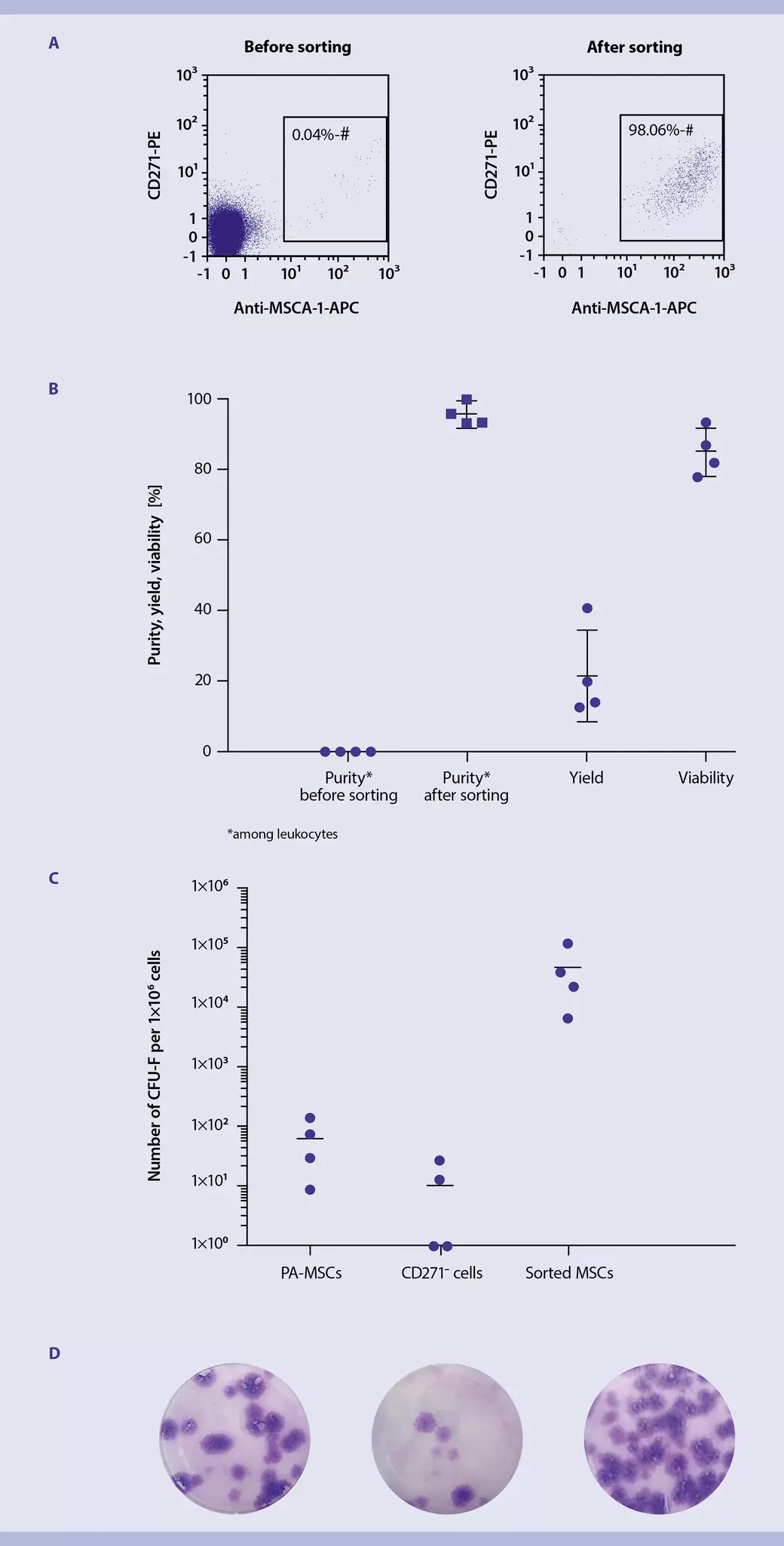
The sorting of MSCs from bone marrow mononuclear cells (BM-MNCs) on the MACSQuant Tyto Cell Sorter.

Pure and functional CD271+ MSCs after gentle and GMP-compliant sorting

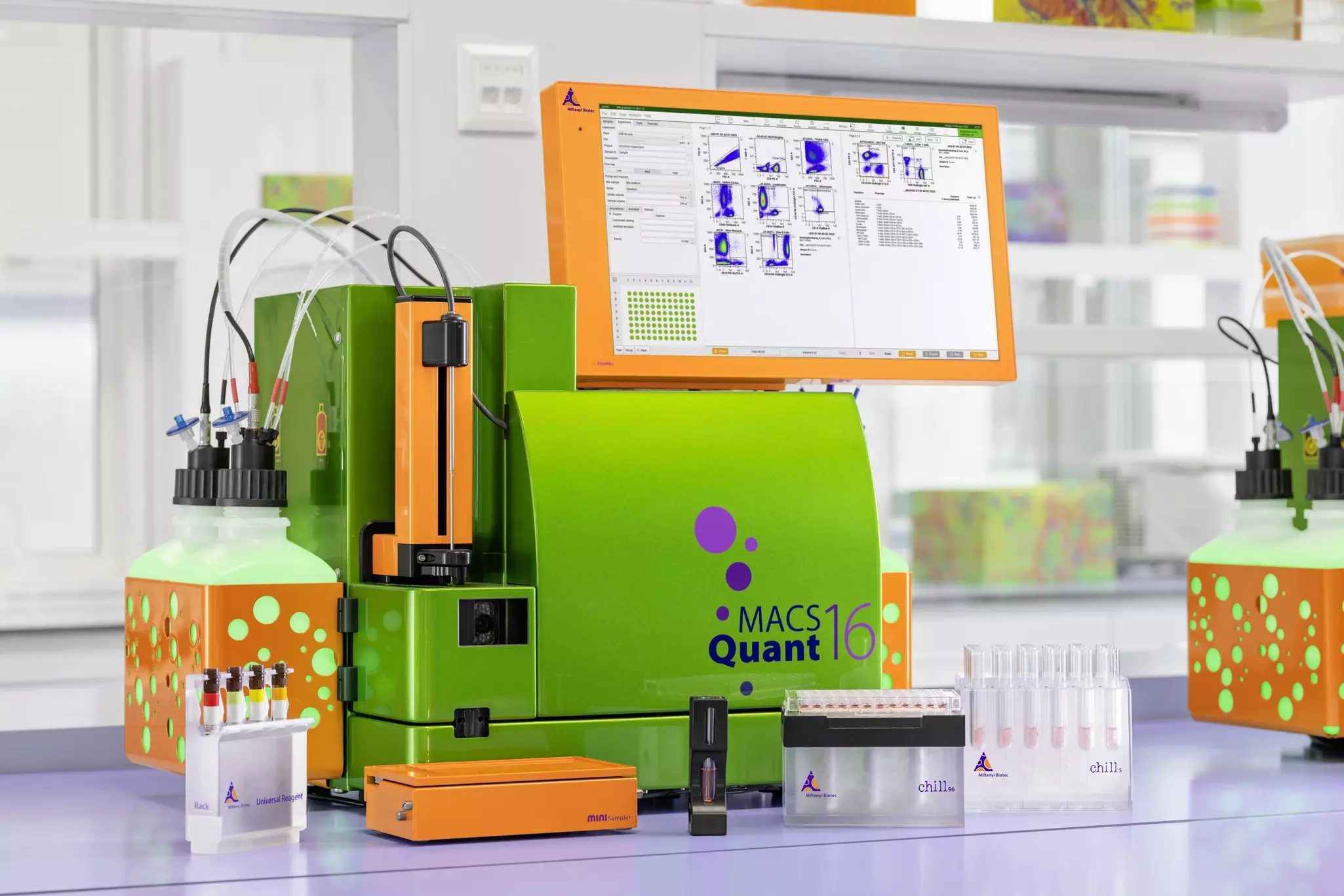
The MACSQuant Tyto Cell Sorter can sort MSC populations with gentle, microfluidic sorting in a single-use cartridge. It utilizes our patented microchip-based technology for high-speed, multiparameter flow sorting in the safety of a fully enclosed cartridge.

The gentle sorting conditions and sterile, fully closed system of the MACSQuant Tyto Cartridge provides an optimal basis for subsequent expansion of the isolated cells. After two-step sorting with the MACSQuant Tyto, the purity of CD271+MSCA+ MSCs increased from 0.03% to 91%. The cells are viable and functional, as shown by their high clonogenic and T cell–suppressive potential.

Harvesting of MSC extracellular vesicles on the CliniMACS Prodigy

EVs isolated from MSCs that have been expanded on the CliniMACS Prodigy can be analyzed with the MACSPlex EV kit IO, human.

MSC-derived extracellular vesicles (EVs), which include exosomes and microvesicles (MVs), are examined for their role in MSC-based cellular therapy, as well as for their own therapeutic potential. MSCs expanded in CliniMACS Prodigy can be used for harvesting EVs.

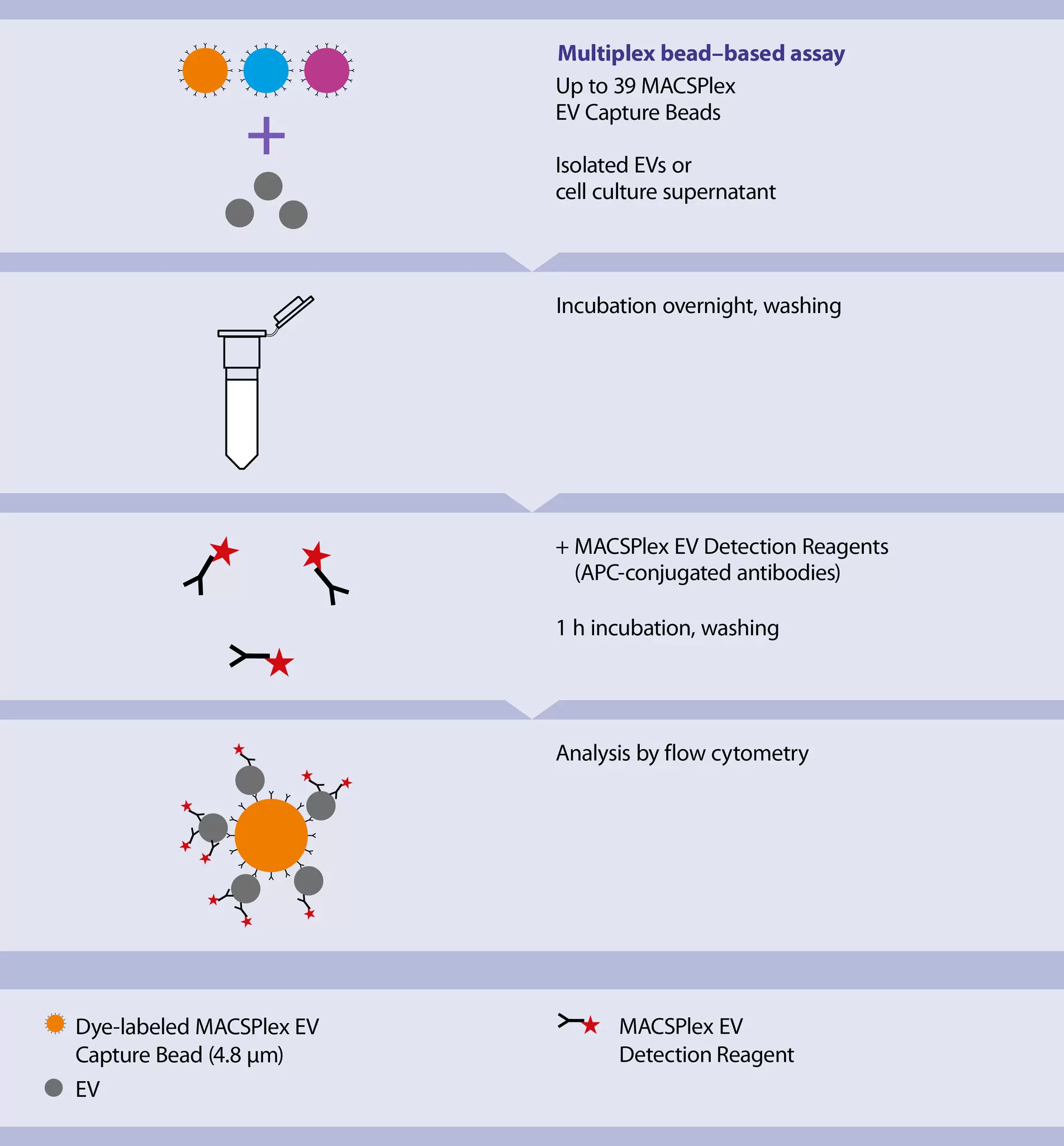
The MACSPlex EV Kit IO, human (previously MACSPlex Exosome Kit), allows the detection and characterization of EVs, such as exosomes, using 37 different surface epitopes and two isotype controls. It can be used for a variety of cell types, including MSCs 6–9. The MACSPlex EV Kit IO, human, comprises a cocktail of various fluorescently labeled bead populations, each coated with a specific antibody, binding the respective surface epitopes. The 39 bead populations can be distinguished by different fluorescence intensities via flow cytometry.

Get personalized support for your manufacturing workflows of MSCs and other adherent cell types

You have previously chosen International as your location.
What do you want to do?