Sorting yeast cells
Sorting bacteria
Isolating delicate parasites
Sorting infected immune cells from COVID patients
Content
- Sorting yeast cells
- Sorting bacteria
- Isolating delicate parasites
- Sorting infected immune cells from COVID patients

Sorting microorganisms and potentially infectious materials poses a serious risk, as aerosol formation, contamination, and waste disposal can jeopardize the instrument’s integrity and, more importantly, the safety of your team.
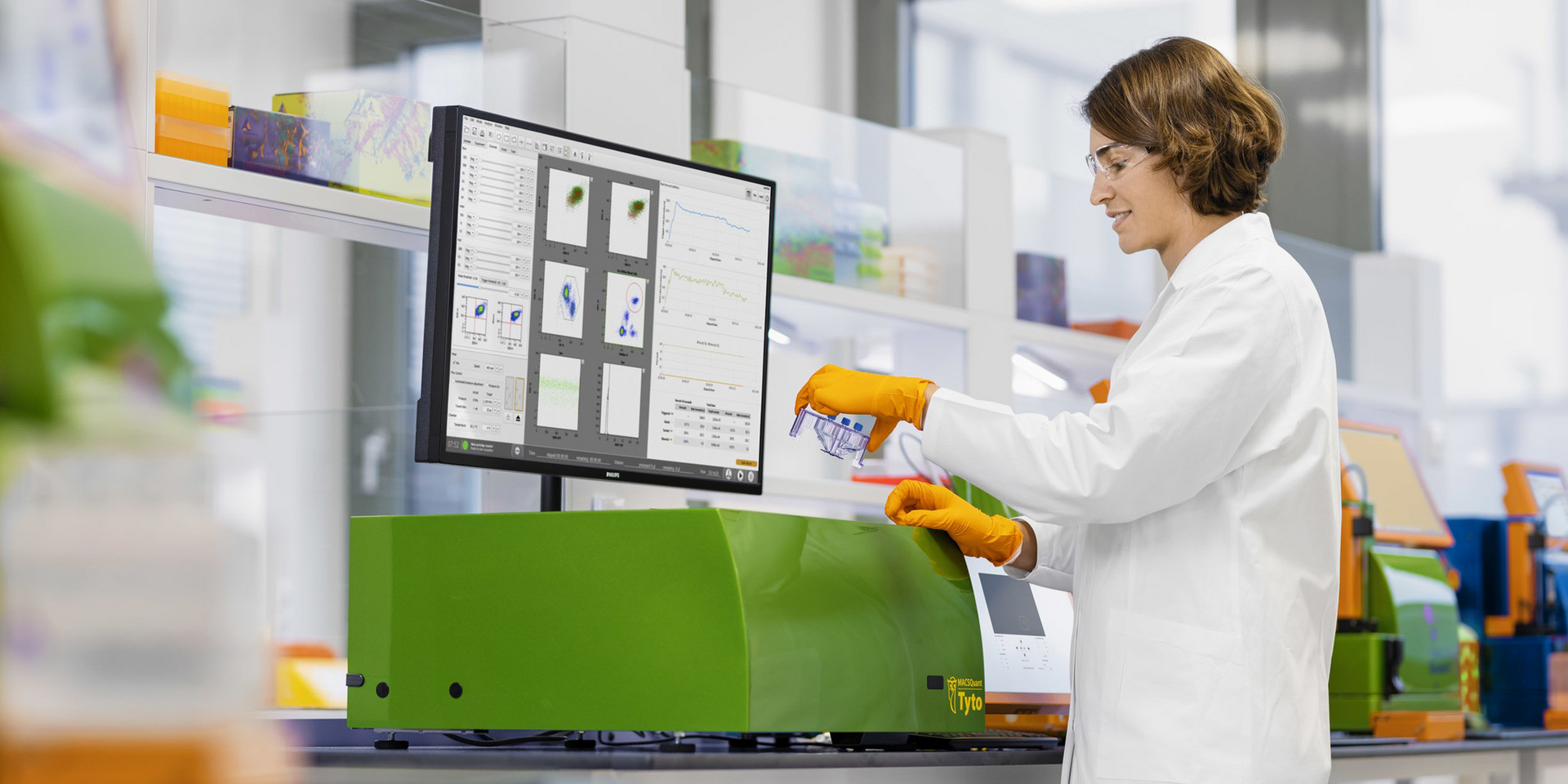
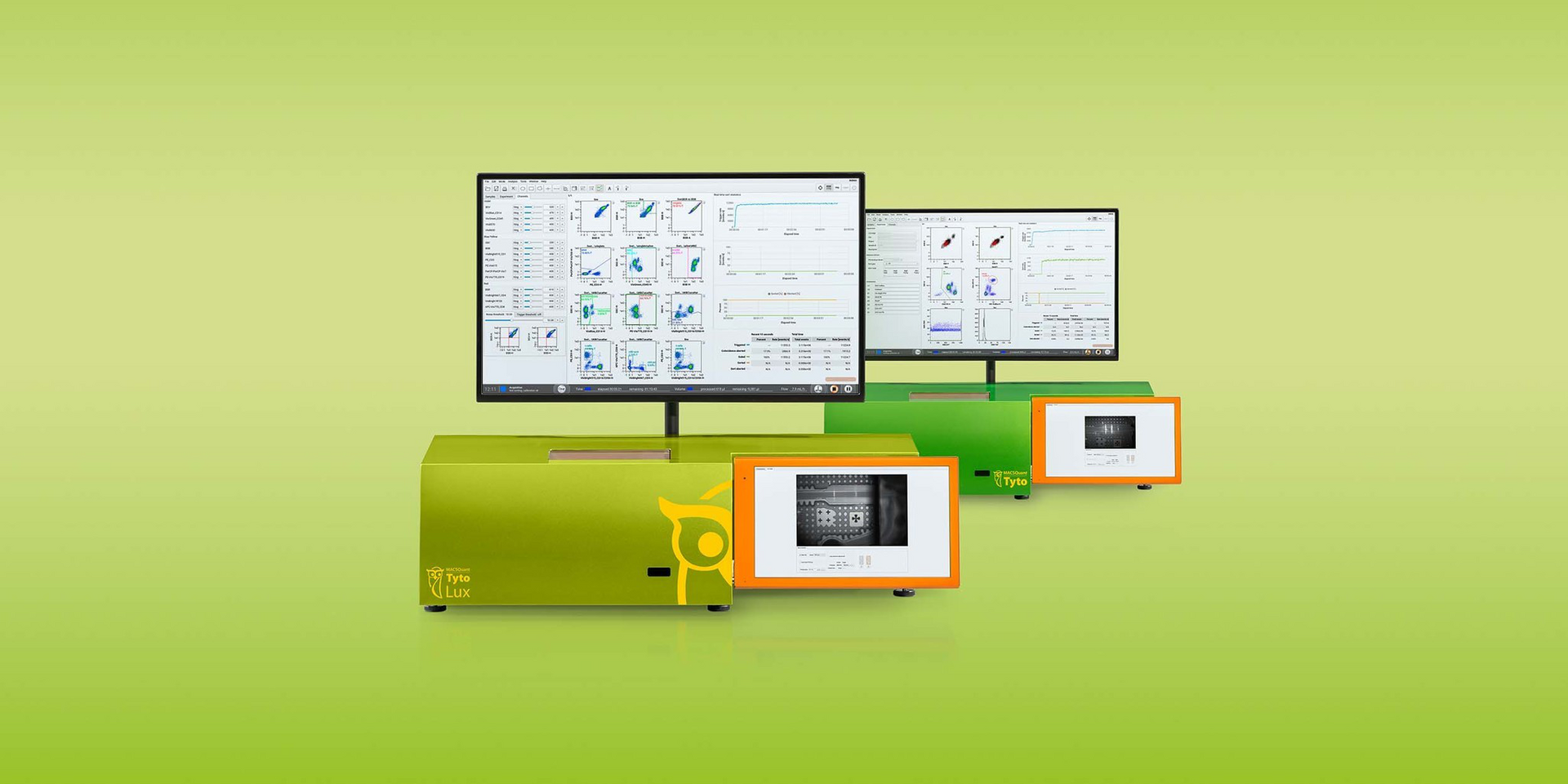
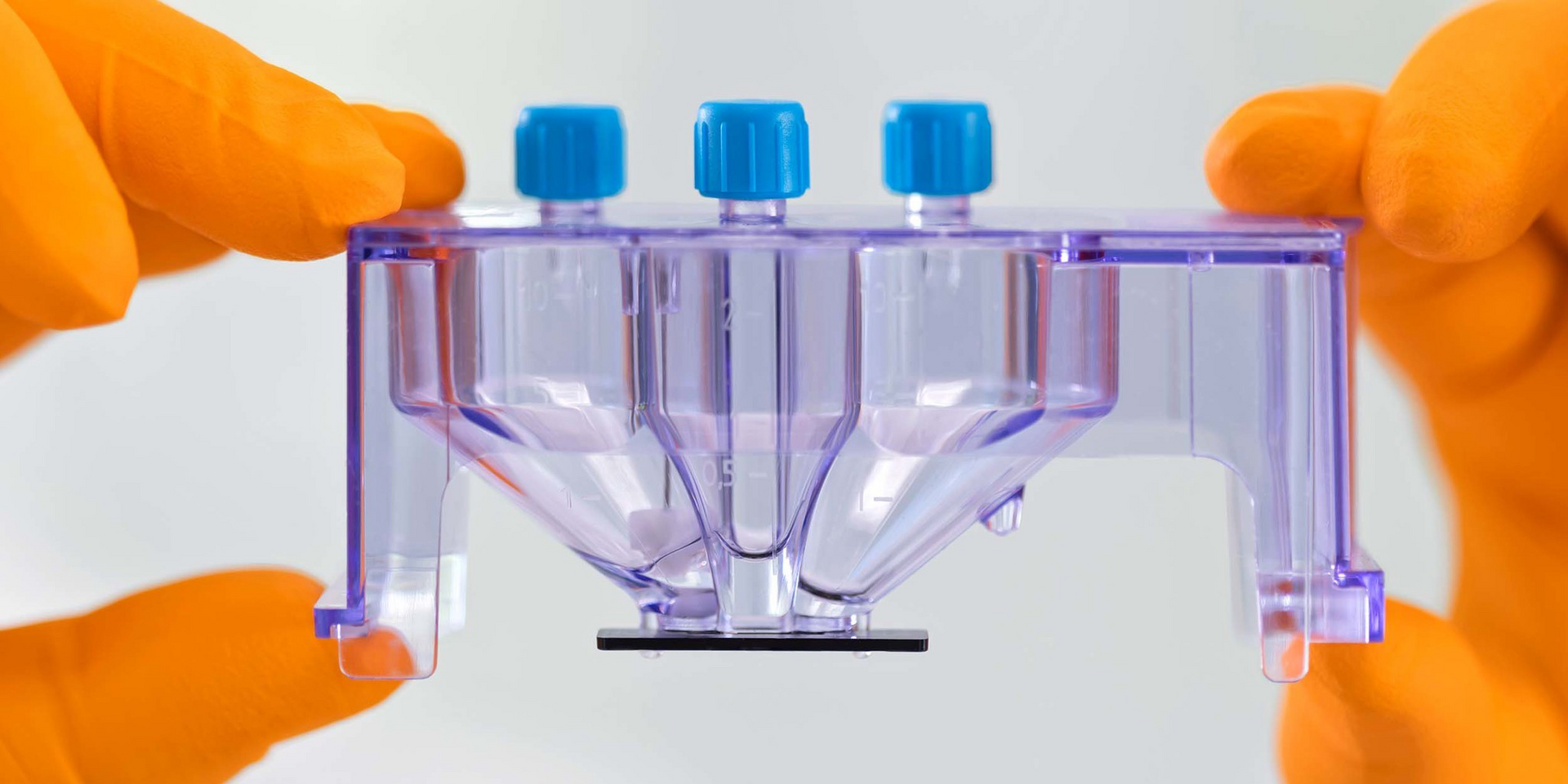
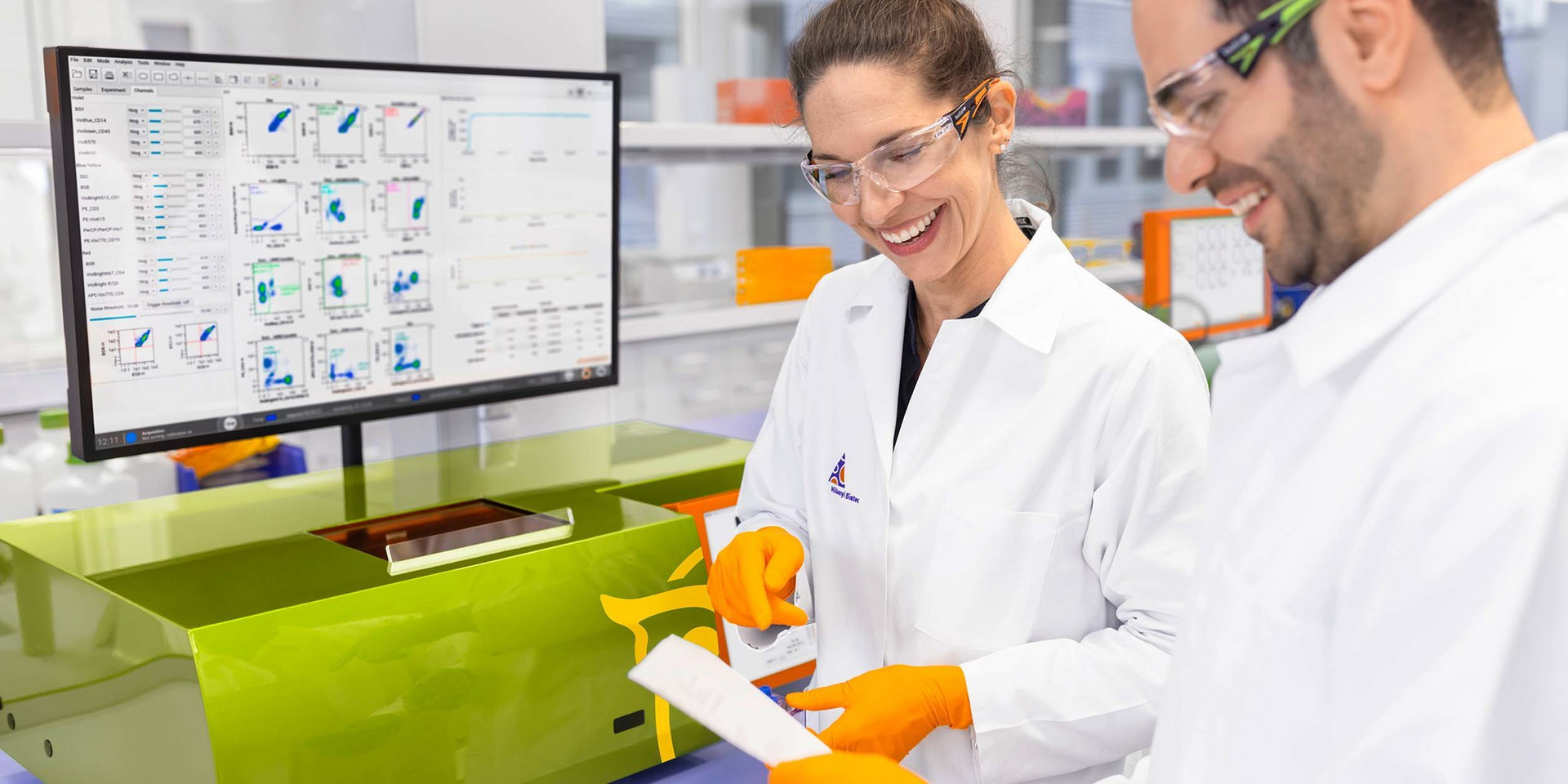
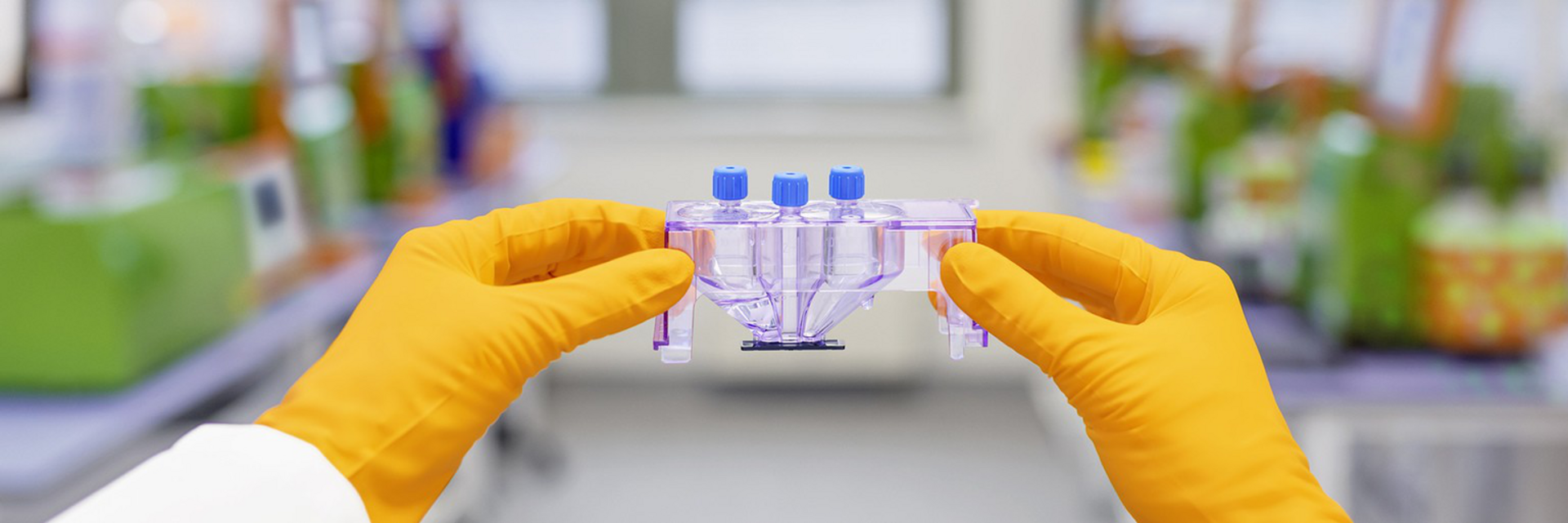
The MACSQuant® Tyto® Family of cell sorters provides the solution with its fully closed, disposable cartridge system. Within the MACSQuant Tyto Cartridge, samples remain sterile, fully contained, and never come into contact with the instrument. This minimizes hazardous waste, prevents cross-contamination, and ensures a safer, more efficient sorting process.
Beyond safety, the MACSQuant Tyto Family provides gentle cell sorting, making it ideal for fragile microorganisms. Sort yeast, bacteria, delicate parasites, or sensitive infected cells with the protection you need without compromising sorting performance, precision, or viability.
Sorting yeast cells
Sorting bacteria
Isolating delicate parasites
Sorting infected immune cells from COVID patients
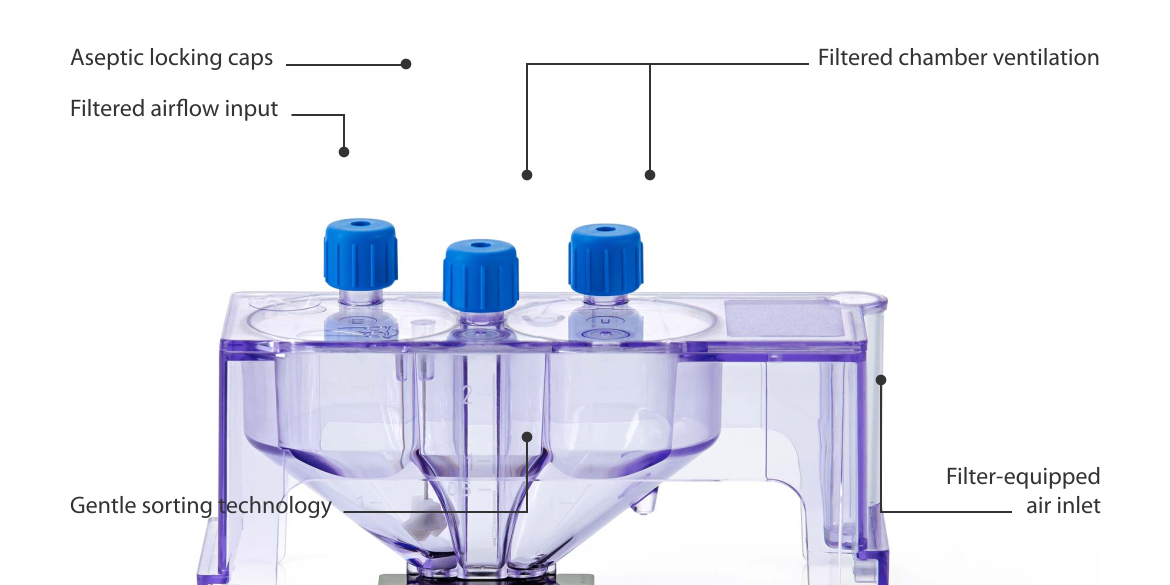
Airflow is carefully controlled with multiple filtration layers and the system is fully closed and sterile, ensuring safe and contamination-free sorting.
Samples remain fully sealed within the closed cartridge throughout sorting, eliminating carryover and contamination risks. No biosafety cabinets, no tedious cleaning procedures, no hassle. With no external sheath fluids, the only waste is the cartridge itself, minimizing biosafety risks and simplifying disposal.

Rigorous testing confirmed the MACSQuant Tyto Cartridge’s airtight design, ensuring a completely safe and contamination-free sorting environment. In mock experiments, buffer-only cartridges were processed immediately after yeast-loaded cartridges without intermediate cleaning procedures.
To assess potential cross-contamination, the running buffer from these cartridges was incubated under bioburden testing conditions after sorting. After 9 days of cultivation, no yeast cells were detected (<1 CFU), validating the cartridge’s reliability and containment efficiency. Read more.

Aerosol formation is a major biosafety risk when handling infectious pathogens. However, installing a cell sorter in a biosafety lab requires high costs, space, and the need for specialized training.
Without fluidics and a nozzle in the system, the risk of aerosol formation due to nozzle clog is eliminated in the MACSQuant Tyto Cell Sorter, ensuring a safer handling of high-risk samples.
While aerosols could be generated with pressurization of the cartridge, e.g., due to clogging of the 3D filter or cracks in the cartridge, additional safety features effectively mitigate this risk:
Watch the webinar to see how a team of flow experts thoroughly tested aerosol formation and escape from the cartridge. The result? No intentional clogging or pressurization efforts resulted in aerosol formation.
These results highlight the safety of the MACSQuant Tyto Cell Sorter's closed system, making it ideal for research on infectious diseases and high-risk pathogens.

Roberts, L.M. et al. (2021) Applied Biosafety 26: 4, 205-209
In this study, researchers evaluated the MACSQuant Tyto Cell Sorter and confirmed its efficacy in preventing aerosol formation while sorting high-risk pathogens. The closed, cartridge-based system eliminates biohazardous aerosol generation, enhancing operator safety. Routine quality control procedures demonstrated the instrument's consistent performance over time.
These findings show that the MACSQuant Tyto is a reliable tool for the safe sorting of biohazardous samples.

Mariane Schleimann, PhD, Department of Infectious Diseases, Aarhus University Hospital, Aarhus, Denmark
Learn how the MACSQuant Tyto Cell Sorter supported this Danish team in advancing their research on infectious diseases.
How is your unit set up at the Aarhus University Hospital?
Our department is essentially a combination of hospital and university, with medical doctors and PhD students, post docs, and other scientists all forming part of the team. Altogether, we’re made up of three individual but closely interlinking groups comprising around 40 people in total, all of whom are looking at infectious diseases and clinical medicine on a daily basis. Currently, one of several aims is to discover neutralizing antibodies to use in corona therapy, something we are also attempting to use in our regular HIV research; it’s a new therapeutic approach with, we hope, a great deal of potential.
That sounds promising, but challenging.
I imagine many of us get into cellular biology to be part of the effort to find cures and treatments for various diseases, to help people that are sick. By doing it here at the hospital, we are of course close to where the patients are: we get their actual samples and work with them directly. My PhD research gave me a lot of knowledge, and there’s no doubt that this work, and the work of others in this field, is extremely important, but for me I get real satisfaction out of being so close to the infection whilst working on how to cure it; that closeness to the patients and medical doctors – seeing the difference we make, often in real time, is more than motivation enough to keep working at the challenges.
The aerosol-free sorting technology of the MACSQuant Tyto Cell Sorter is based on the world’s fastest microvalve, with no need for generating and releasing any droplets.
You recently acquired one of Miltenyi Biotec’s MACSQuant® Tyto® Cell Sorters, and you’ll be using this mainly to sort B cells, correct?
Yes. When the instrument was demonstrated for us, we actually wanted to use it to sort CD4+ T cell subsets from HIV-positive patient material. Facing the recent crisis, we swapped our scope to SARS-CoV-2 research with the aim of developing a new antibody-based treatment. Our intended workflow is to get plasma from recovered COVID-19–patients, incubate it with the virus, and measure the levels of neutralization. If we find we have good neutralizers, we also test them against 2002’s SARS virus. In the next step, we´ll be trying to isolate B cells from those patients that can affect both viruses. This way, we hope to harvest antibodies that can be used in treatment. We also use its spike protein coupled to a fluorophore as the bait to mark the B cells that express and produce SARS-CoV-2–specific antibodies.
The MACSQuant Tyto Cell Sorter is a good fit for us because we can use it on plasma cells, memory B cells, or whatever our targets will be. The critical step is sorting B cells from previously infected patients.
It was the additional safety over traditional sorters afforded by the MACSQuant Tyto Cell Sorter that made the biggest impact, but is sorting B cells from recovered patients even dangerous?
There’s no evidence that the virus is still present in peripheral blood of recovered patients, but we take no chances and treat them as if they are still infected. This means a regular droplet sorter of any kind is completely incapable of meeting our needs.
Is that in line with regulations being followed by different institutions: If aerosols are produced, no chances should be taken?
Yes: we don’t have access to a cell sorter in BSL3 rooms, which is recommended for working with infectious samples and aerosol-producing lab equipment. The MACSQuant® Tyto® Cartridge makes it safe to move our samples around to BSL2 or even BSL1 because it´s fully closed. When we work with concentrated virus, that happens in a BSL3 room. As the virus is not concentrated in patients’ plasma itself, it can be handled in a BSL1 or BSL2 lab. Nonetheless, droplet based sorting on conventional machines has to happen in a biological safety cabinet or BSL3 due to aerosol formation. In contrast to that, we set up the MACSQuant Tyto in a BSL1 lab, and still can use it to sort cells from COVID-19 patients.
How does the neutralization assay work?
In the first step, we isolate antigen specific B cells using the MACSQuant Tyto. Next, we perform single cell DNA extraction to PCR amplify the gene sequences for the antibodies, which we then use to build and reproduce the antibodies we’re so interested in. Those antibodies are then used to attempt to neutralize the virus in BSL3 conditions.
How many promising antibody candidates do you expect to identify in your approach?
We plan to take material from five patients where we found that their plasma could neutralize the virus and sort out the B cells. From there, we are planning to produce antibodies from 200 antigen-specific B cells per patient that we would further analyze in a 96-well–based high throughput screening assay. We are optimistic that the size of this screen will be sufficient to identify promising candidates.
Sorting takes place exclusively inside the closed and sterile MACSQuant® Tyto® Cartridges, there are no fluidics within the instrument itself.
What benefits do you see from the MACSQuant Tyto Cell Sorter, especially in relation to your current COVID-19 research?
It always comes back to the safety issue. That is by far and away the major benefit, but it’s also great that getting hands-on with the instrument requires no in-depth training. Once it’s all set up, a lab manager can be trained to use it easily: they don’t need all the flow cytometry background knowledge. But definitely, being able to rely on closed, sterile containment is incredibly useful to our work: the sorting itself is what created a safety issue, and was the most critical part. With the Tyto everything’s far more practical: there is no longer a critical step as such. Our workflow is running smoothly.
Is the instrument shared outside of the HIV/COVID-19 research team?
No, though we plan to make much greater use of it soon: we want to invite our colleagues studying influenza and polio to take part. As for the flow core unit at the university: they currently have no opportunity to do infectious material sorting, so they are looking for funding for a MACSQuant Tyto Cell Sorter of their own.
Can you imagine a COVID-19 research application where contamination risk would be a concern 100% of the time?
Nothing we’re planning is, but if, for example, a group wanted to do high titer in vitro infection and look at all kinds of -omics, then sure. In most basic immunology/virology settings and generally anywhere where in vitro or ex vivo cells have been infected and interest is in the infected cells only. High concentrations of virus that would necessitate a BSL3 setting would absolutely benefit greatly from MACSQuant Tyto Cell Sorter.
What have been your overall impressions of working with Miltenyi Biotec?
I have only good things to say: it’s all been very professional. Our local Miltenyi Biotec representatives are great communicators; they know us well, they understand our needs, and can make great recommendations. We’ve worked with them for years, and in this particular instance, after seeing the MACSQuant Tyto Cell Sorter demo and getting funding, we had it on the premises two days later, and installed just a day after that. I’ve never seen similar processes go so smoothly. And our Miltenyi Biotec trainer was able to adapt easily on the fly to our knowledge level and meet us appropriately. We love your products! They run smoothly, they’re beautiful: no waste, no nothing!
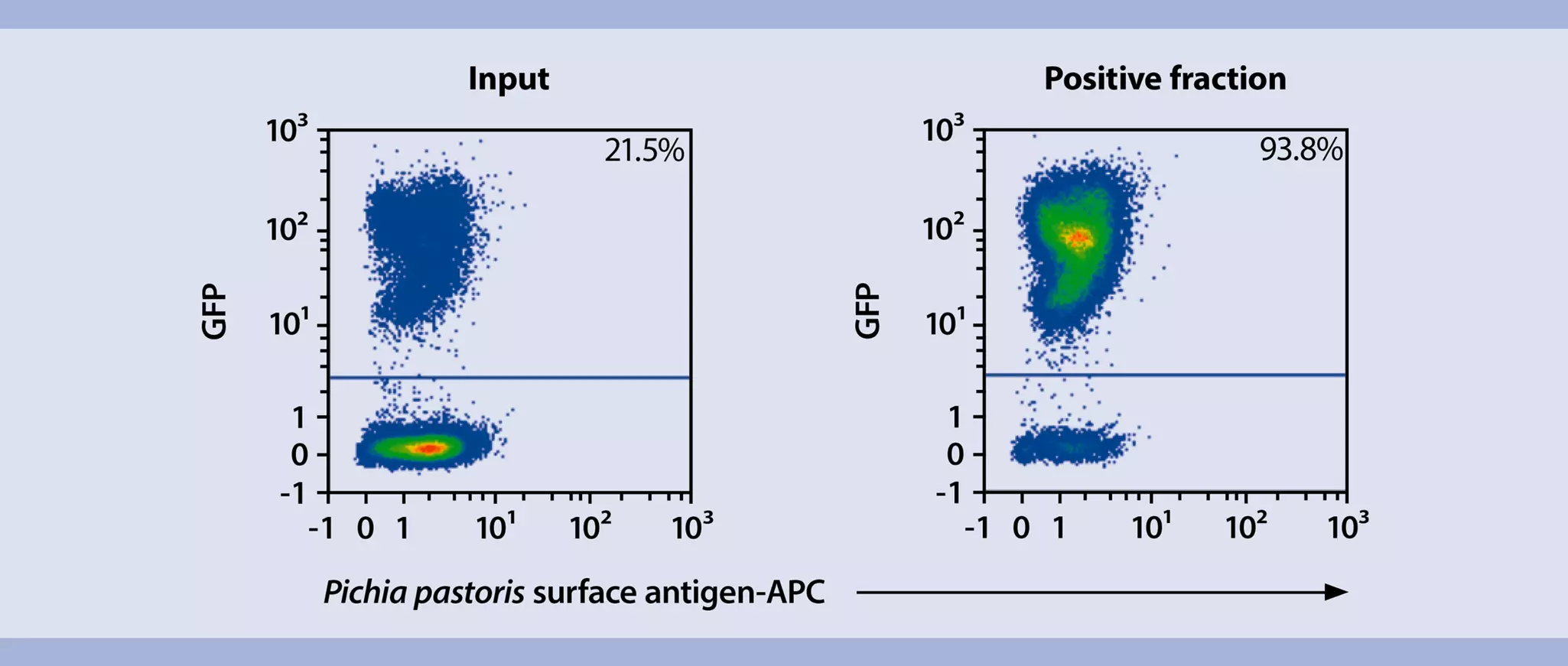
The MACSQuant Tyto Cell Sorter enabled the sorting of GFP-positive yeast with high purity and without compromising viability.
Thanks to its closed cartridge system, subsequent experiments can be performed on the same instrument immediately, without labor-intensive cleaning or risk of persistent contamination.
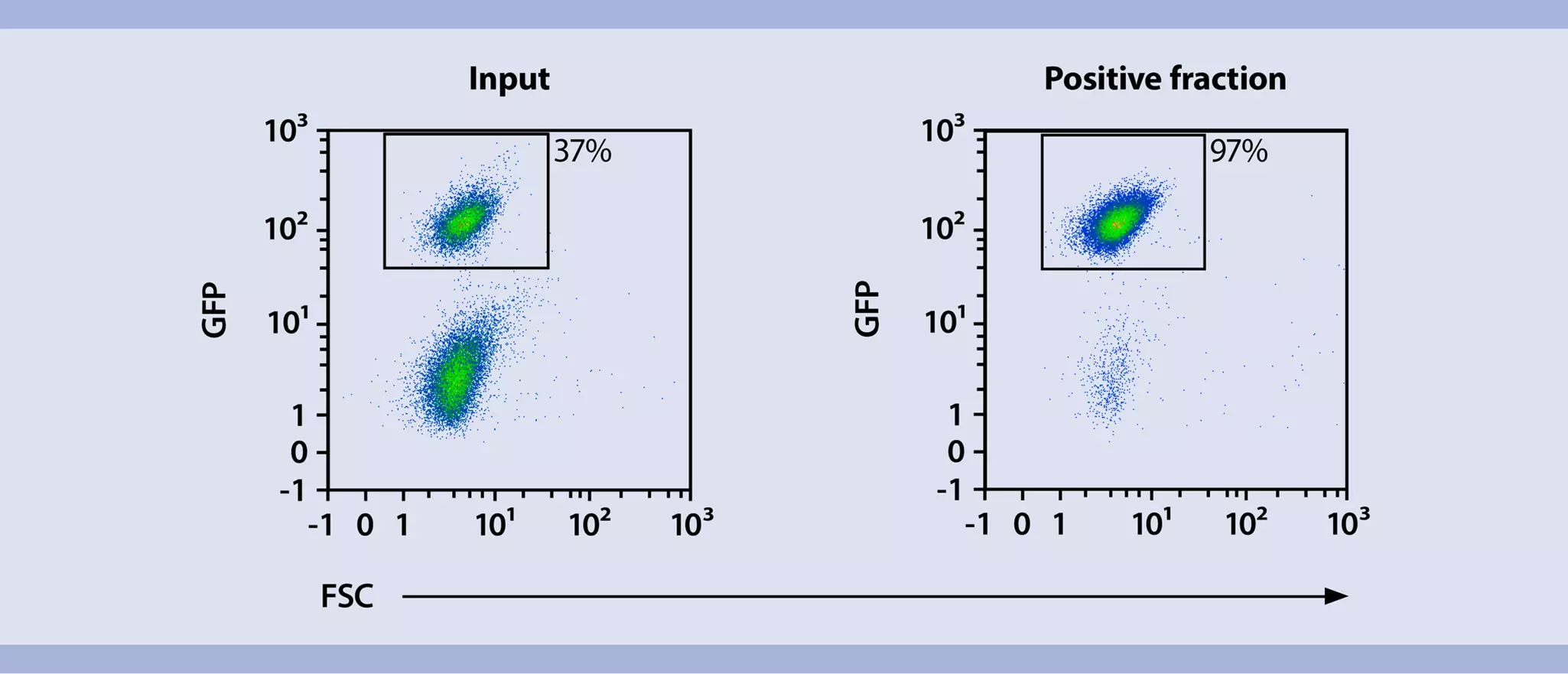
The MACSQuant Tyto Cell Sorter enables safe and contamination-free sorting of high-risk bacterial samples thanks to its fully closed, disposable cartridge system. In this experiment, GFP-expressing E. coli were successfully sorted to 97% purity, demonstrating the system’s ability to handle bacteria while eliminating biohazardous aerosols and carryover risks.
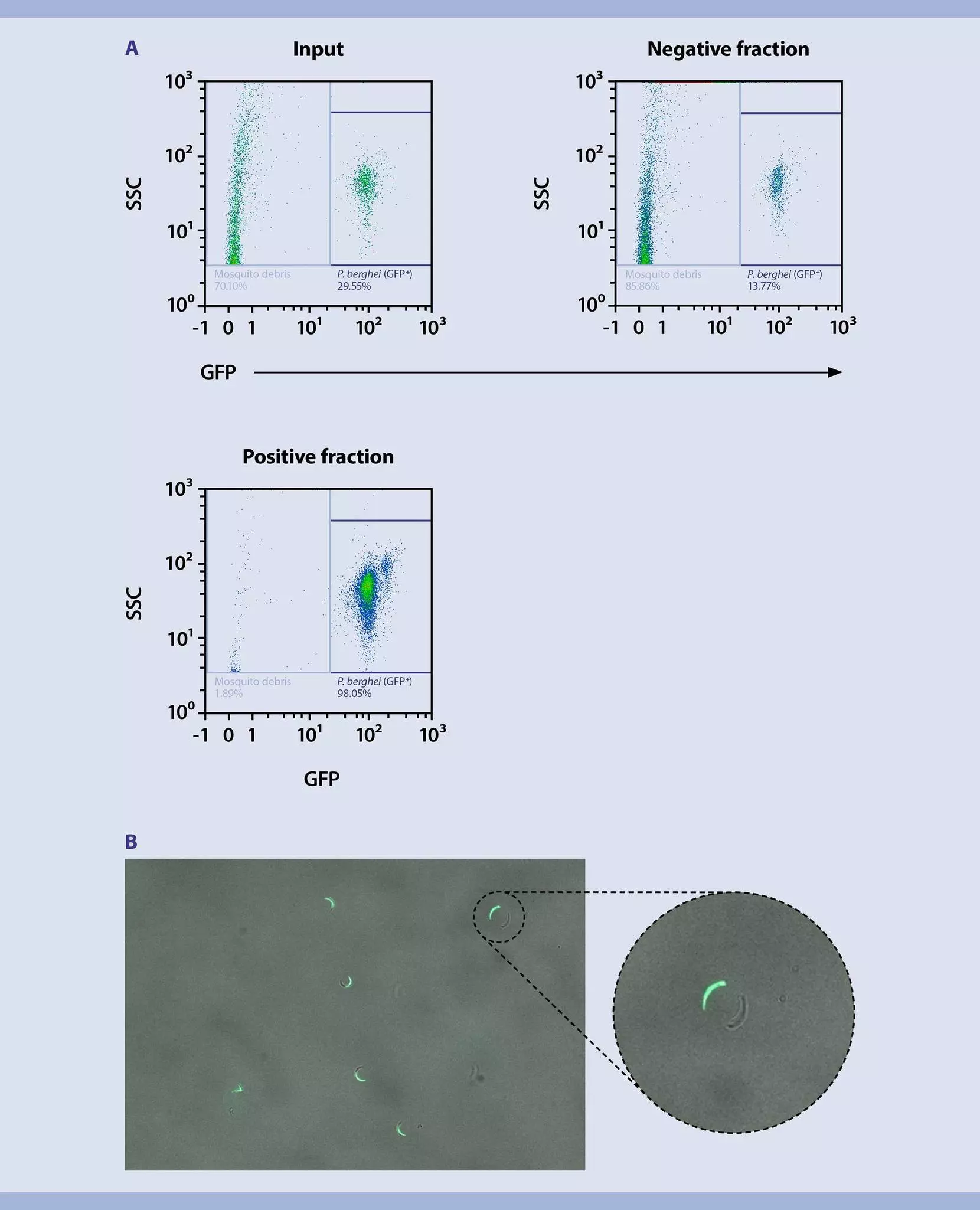
Isolation of the sporozoite stage of the Plasmodium parasite is problematic on conventional droplet sorters due to the harsh sorting conditions.
Gentle cell sorting on the MACSQuant Tyto Cell Sorter enriched the target GFP+ Plasmodium berghei population from 30% in the input fraction to 98% purity in the positive fraction. Microscopic images directly after sorting on the MACSQuant Tyto Cell Sorter revealed that the sporozoites were motile, suggesting that viability was maintained.
With its unique microchip technology, the MACSQuant Tyto Cell Sorter enabled researchers to sort immune cells from infected patients efficiently, minimizing risk while maximizing precision. Discover how this technology has empowered researchers in their mission to understand and combat COVID-19 by watching the webinars and checking the references below.

Rajeev Gupta, PhD, Associate Professor of Hematology
UCL Cancer Institute, London, United Kingdom
During the 2020 pandemic and after an exciting discovery, Dr. Gupta’s team focused on understanding the functional properties of innate immune cells from patients with mild and severe COVID-19. Choosing MACSQuant Tyto Cell Sorter was essential for their research.
Read the full interview here.
You have previously chosen International as your location.
What do you want to do?