Selected references: Graft engineering

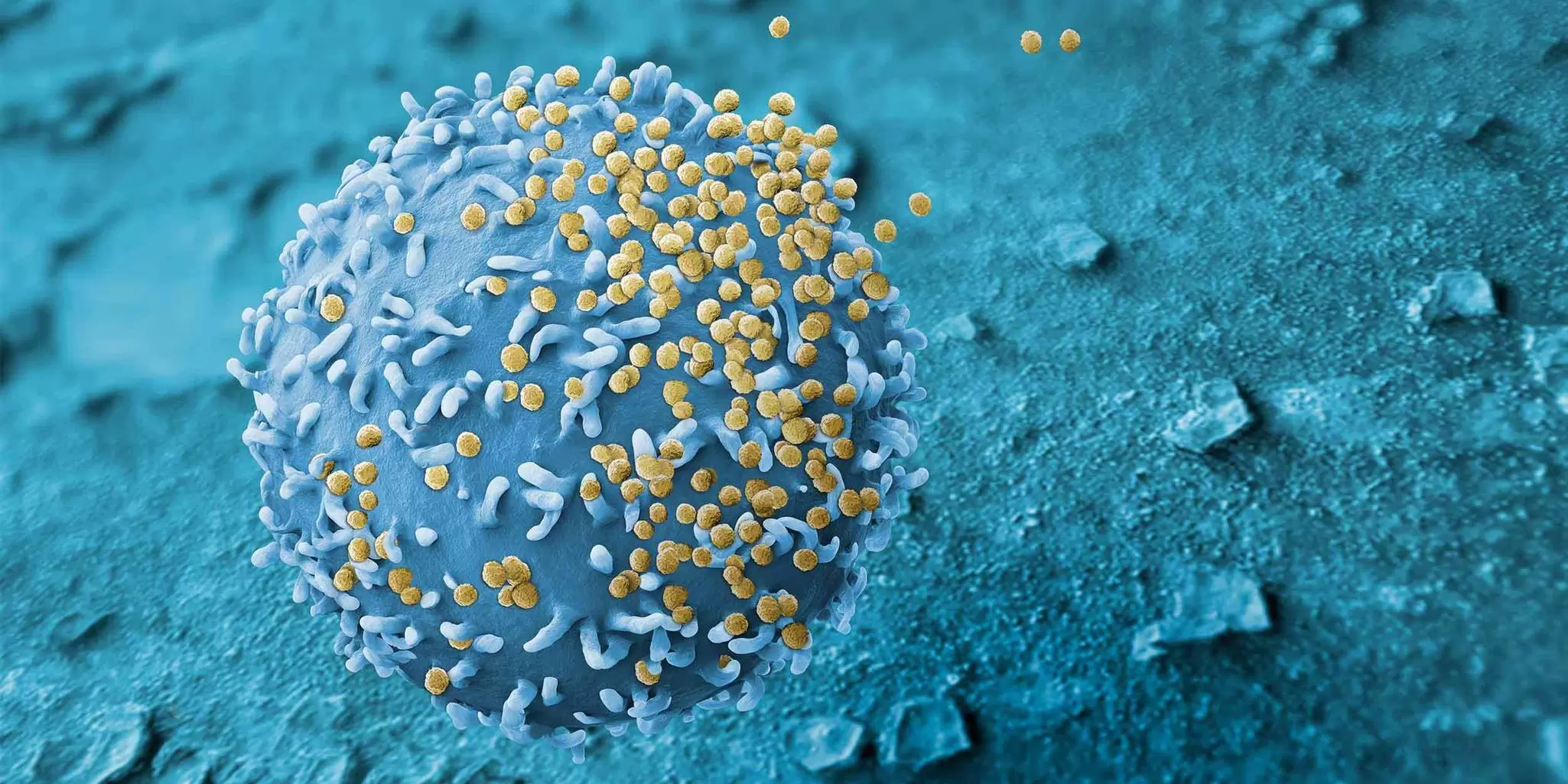
3D graphic showing blood cells passing CD34 beads for enrichment of CD34+ cells in graft engineering
Logo

Selected references: Graft engineering

For more than two decades, the CliniMACS® Instruments have helped set the standard for reliable, precise graft engineering in hematopoietic stem cell transplantation (HSCT). In an automated and closed-system environment, they enable CD34+ cell enrichment and a variety of T cell depletion strategies that are widely used to optimize stem cell grafts, enhance therapeutic potential, and reduce complications such as graft-versus-host disease (GVHD).

On this page, we highlight influential clinical research papers that showcase the pivotal role of the CliniMACS Plus and CliniMACS Prodigy® Instruments in advancing the graft engineering field.

Choose your topic of interest

Haploidentical HSCT

Haploidentical HSCT in malignant diseases

Upfront memory T cell add-back with haploidentical TCRαß-depleted graft in adults with haematological malignancies: a nationwide, multicentre, single-arm, prospective study

This study evaluated haploidentical hematopoietic cell transplantation using TCRα/β-depleted allografts plus upfront donor lymphocyte infusion (DLI) of CD45RA-depleted memory T cells in 145 adults with various hematological malignancies. Engraftment was rapid and chronic GVHD was rare. At a median follow up of 28 months, three-year GVHD-free and relapse-free survival (GRFS) was 59%. Compared with a propensity score-matched contemporary cohort receiving post-transplant cyclophosphamide, the TCRα/β-depleted allografts plus CD45RA-depleted memory T cell DLI approach demonstrated significantly improved GRFS.

Koh, L.-P. et al. (2026) Bone Marrow Transplant. 61: 26–35. | Read article

"Our results provide strong rationale for wider adoption of this combined αβTCD + TMDLI cell-therapy approach in future investigations and practices."

Koh et al. 2026

3D graphic showing human hematopoietic stem cells originating from bone marrow

TCRαβ/CD19 cell–depleted HLA-haploidentical transplantation to treat pediatric acute leukemia: updated final analysis

Merli et al. analyzed outcomes in 213 children with acute leukemia who received haploidentical hematopoietic stem cell transplants using TCRα/β- and CD19-depleted grafts. They reported low rates of non-relapse mortality and low incidences of both acute and chronic GVHD. Overall and disease-free survival rates were comparable to those achieved with other transplant approaches. Improved outcomes were observed in patients who underwent transplantation in either first or second complete remission; in patients with low or undetectable minimal residual disease; and in patients with acute lymphoblastic leukemia who were treated with total body irradiation.

Merli, P. et al. (2024) Blood 143: 279–289. | Read article

Additional publications

Unrelated donor α/β T cell– and B cell–depleted HSCT for the treatment of pediatric acute leukemia
Leahy, A. B. et al. (2022) Blood Adv. 6: 1175–1185. | Read article

Unrelated donor vs HLA-haploidentical α/β T-cell– and B-cell–depleted HSCT in children with acute leukemia
Bertaina, A. et al. (2018) Blood 132: 2594–2607. | Read article

Full haplotype-mismatched hematopoietic stem-cell transplantation: a phase II study in patients with acute leukemia at high risk of relapse
Aversa, F. et al. (2005) J. Clin. Oncol. 23: 3447–3454. | Read article

Transplantation of haploidentically mismatched stem cells for the treatment of malignant diseases
Aversa, F. & Martelli, M. F. (2004) Springer Semin. Immunopathol. 26: 155–168. | Read article

Megadose transplantation of purified peripheral blood CD34(+) progenitor cells from HLA-mismatched parental donors in children
Handgretinger, R. et al. (2001) Bone Marrow Transplant. 27: 777–783. | Read article

Halpoidentical HSCT in non-malignant disease

Use of TCR α+β+/CD19+-depleted haploidentical hematopoietic stem cell transplant is a viable option in patients with primary immune deficiency without matched sibling donor

Brettig et al. demonstrated that using haploidentical transplants using TCRα/β- and CD19-depleted grafts resulted in high engraftment and donor chimerism rates, a low incidence of clinically significant GVHD, and favorable overall survival at two years post-HSCT. Immune cell reconstitution was robust, with timely recovery of T and B cell compartments and functional humoral immunity in surviving patients. The authors concluded that haploidentical HSCT is a viable option for children with primary immunodeficiencies who do not have an HLA-matched sibling or a matched unrelated donor.

Brettig, T. et al. (2019) J. Clin. Immunol. 39: 505–511. | Read article

Improved survival and graft function in ex vivo T-cell depleted haploidentical hematopoietic cell transplantation for primary immunodeficiency

Between 1987 and 2019, Lum et al. conducted a study comparing different ex vivo T cell depletion strategies for haploidentical hematopoietic stem cell grafts in patients with severe combined immunodeficiency (SCID) and non-SCID primary immunodeficiency. T cell depletion strategies included Campath-1M, a monoclonal antibody directed against lymphocytes; CD34 selection from bone marrow; and CD3/CD19 depletions as well as depletion of TCRα/β and CD19 applied to peripheral blood stem cell grafts. The 5-year overall survival rates were 58% with Campath-1M, 68% with CD34 selected stem cells, 69% with CD3/CD19-depleted grafts, and 84% with TCRα/β- and CD19-depleted grafts. It is important to note that the CD3/CD19-depleted grafts and the grafts depleted of TCRα/β and CD19 contained a higher dose of CD34+ stem cells, which may have influenced these outcomes. Overall, this study highlights the change in the practice of T cell depletion methods and the successful application of TCRα/β and CD19 depletion of HLA-mismatched donors for patients with a wide variety of primary immunodeficiencies, who historically had a very poor outcome from haploidentical HSCT.

Lum, S. H. et al. (2021) Bone Marrow Transplant. 56: 1200–1204. | Read article

“The introduction of CD3+ TCRα/β/CD19 depletion has transformed our practice in the last seven years: all patients with any form of PID now have a donor.”

Lum et al. 2021

Additional publications

Haploidentical stem cell transplantation in children with benign disorders: improved survival and cost-effective care over 15 years from a single center in India
Uppuluri, R. et al. (2019) Indian J. Hematol. Blood Transfus. 35: 426–430. | Read article

Alternative donor hematopoietic stem cell transplantation for sickle cell disease
Gilman, A. L. et al. (2017) Blood Adv. 1: 1215–1223. | Read article

Successful haploidentical bone marrow transplantation in Fanconi anemia
Elhasid, R. et al. (2000) Bone Marrow Transplant. 26: 1221–1223. | Read article

Matched HSCT

αβ T-cell graft depletion for allogeneic HSCT in adults with hematological malignancies

De Witte et al. conducted a prospective multicenter study in adults undergoing TCRα/β-depleted allogeneic HSCT using peripheral blood stem cells from matched related or unrelated donors (10/10 or 9/10). They observed a low incidence of acute and moderate to severe chronic GVHD, comparable to post-transplant cyclophosphamide outcomes. The combination of early antithymocyte globulin, a myeloablative-reduced toxicity conditioning regimen with fludarabine and dose-adapted busulfan, and TCRα/β-depleted PBSC allografts was associated with a favorable risk-benefit ratio. The study reported the use of prophylactic donor lymphocyte infusion (DLI) three months after transplantation for patients (50%) who were not taking immunosuppressive medication or experiencing GVHD, in order to enhance immune recovery. This emphasizes the advantage of TCRα/β-depleted allogeneic HSCT as a promising platform for early immune interventions, allowing for enhanced immune recovery and potentially reducing relapse rates, due to the short immunosuppression period and the ability to administer prophylactic DLI effectively.

de Witte, M. A. et al. (2021) Blood Adv. 5: 240–249. | Read article

Additional publications

CD3+TCRαβ/CD19+-depleted mismatched family or unrelated donor salvage stem cell transplantation for graft dysfunction in inborn errors of immunity
Ramanathan, S. et al. (2023) Transplant. Cell. Ther. 29: 513.e1–513.e9. | Read article

Immunological recovery following HLA‐matched CD3+ TCR αß+/CD19+ depleted hematopoietic stem cell transplantation in children
Sperl, D. et al. (2022) Pediatr. Transplant. 26: e14285. | Read article

TCRαβ-depleted haploidentical grafts are a safe alternative to HLA-matched unrelated donor stem cell transplants for infants with severe combined immunodeficiency
Tsilifis, C. et al. (2022) J. Clin. Immunol. 42: 851–858. | Read article

T-replete HLA-matched grafts vs T-depleted HLA-mismatched grafts in inborn errors of immunity
Lum, S. H. et al. (2022) Blood Adv. 6: 1319–1328. | Read article

Comparison of outcomes after HLA-matched unrelated and αβ T-cell-depleted haploidentical hematopoietic stem cell transplantation for children with high-risk acute leukemia
Erbey, F. et al. (2018) Pediatr. Transplant.22: e13192. | Read article

Comparison of outcomes at two institutions of patients with ALL receiving ex vivo T-cell-depleted or unmodified allografts
Hobbs, G. S. et al. (2015) Bone Marrow Transplant. 50: 493–498. | Read article

Ex vivo T cell depleted versus unmodified allografts in patients with acute myeloid leukemia in first complete remission
Bayraktar, U. D. et al. (2013) Biol. Blood Marrow Transplant. 19: 898–903. | Read article

HLA-matched sibling transplantation with BM and CD34(+)-purified PBSCs in adult patients with high-risk severe aplastic anemia to overcome graft rejection without an increase in GVHD
Cho, B. et al. (2010) Bone Marrow Transplant. 45: 1497–1501. | Read article

Transplantation of highly purified CD34+ progenitor cells from unrelated donors in pediatric leukemia
Lang, P. et al. (2003) Blood 101: 1630–1636. | Read article

Targeting complications of allogeneic HSCT

Graft-versus-host disease

Naive T-cell depletion to prevent chronic graft-versus-host disease and enhance immune reconstitution

Previous preclinical studies have demonstrated that naive T cells are key drivers of GVHD. Bleakley et al. treated 138 patients with acute leukemia and myelodysplastic syndrome using CD34-selected peripheral blood stem cell grafts administered together with a defined dose of CD45RA-depleted memory T cells from HLA-matched related and unrelated donors. Three-year overall survival rate was 77%, with very low cumulative incidence of chronic GVHD (7%) and no severe chronic GVHD. Grade III–IV acute GVHD was rare, while grade II acute GVHD occurred in 71% of patients, predominantly as stage 1 upper gastrointestinal GVHD that was responsive to corticosteroids. Interestingly, grade II acute GHVD was associated with protection from relapse and death, suggesting a connection to graft-versus-leukemia effect. Importantly, naive T cell depletion resulted in low severe GVHD without an apparent increase in relapse or nonrelapse mortality, supporting preservation of graft-versus-leukemia effects.

Bleakley, M. et al. (2022) J. Clin. Oncol. 40: 1174–1185. | Read article

3D graphic showing regulatory T cells

Tregs prevent GVHD and promote immune reconstitution in HLA-haploidentical transplantation

Di Ianni et al. evaluated a clinical protocol using early infusion of regulatory T cells (Tregs) followed by infusion of CD34+ selected hematopoietic stem cells as well as conventional T cells in a haploidentical transplantation setting. A total of 28 patients with high-risk hematological malignancies were treated. Transfer of Tregs prevented GVHD in absence of any post-transplantation immunosuppression, promoted lymphoid reconstitution, improved immunity to opportunistic infections, and did not weaken the graft-versus-leukemia effect.

Di Ianni, M. et al. (2011) Blood 117: 3921–3928. | Read article

Additional publications

Novel CD62L depleted donor lymphocyte infusion with T-cell receptor alpha-beta depleted haploidentical hematopoietic stem cell transplantation in children
Cheuk, D. K. L. et al. (2025) Transpl. Immunol. 89: 102176. | Read article

HLA-haploidentical hematopoietic stem cells transplantation with regulatory and conventional T-cell adoptive immunotherapy in pediatric patients with very high-risk acute leukemia
Massei, M. S. et al. (2023) Bone Marrow Transplant. 58: 526–533. | Read article

Graft failure

Graft failure after allogeneic hematopoietic stem cell transplantation in pediatric patients with acute leukemia: autologous reconstitution or second transplant?

In their review supported by five case reports, Rostami et al. outlined risk factors and treatment options for graft failure. Graft failure occurs as the result of a classical alloreactive immune response, driven by residual host immunity persisting after patient conditioning. The most prominent effector cells that induce graft failure are thought to be residual host cytotoxic T lymphocytes. A second transplant is almost the only salvage method to manage graft failure, but some pediatric patients may achieve long-term, disease-free survival through the recovery of autologous hematopoiesis using a myeloablative conditioning regimen.

Rostami, T. et al. (2024) Stem Cell Res. Ther. 15: 111. | Read article

Association of second allogeneic hematopoietic cell transplant vs donor lymphocyte infusion with overall survival in patients with acute myeloid leukemia relapse

In this retrospective study, Kharfan-Dabaja et al. compared the outcome of patients with acute myeloid leukemia who relapsed after their first HSCT. The patients either received a second HSCT or one or multiple donor lymphocyte infusions (DLIs). No significant difference in overall survival was observed between the two groups. However, overall survival was superior when the second intervention occurred during complete remission or when relapse occurred more than six months after the first HSCT. Patients treated with DLIs had a higher relapse-related death rate, while those receiving a second HSCT experienced higher mortality unrelated to relapse, with infections and GVHD being the most common causes.

Kharfan-Dabaja, M. A. et al. (2018) JAMA Oncol. 4: 1245–1253. | Read article

Additional publications

Changes in donor lymphocyte infusion for relapsed patients post-hematopoietic stem cell transplantation: a 30-year single-center experience
Uchibori, Y. et al. (2025) Front. Immunol. 16: 1521895. | Read article

Treatment of graft failure with TNI-based reconditioning and haploidentical stem cells in paediatric patients
Teltschik, H.-M. et al. (2016) Br. J. Haematol. 175: 115–122. | Read article

Retransplantation with stem cells from mismatched related donors after graft rejection in pediatric patients
Lang, P. et al. (2008) Blood Cells. Mol. Dis. 40: 33–39. | Read article

Donor leukocyte infusions for the treatment of relapsed acute leukemia after allogeneic stem cell transplantation
Loren, A. W. & Porter, D. L. (2008) Bone Marrow Transplant. 41: 483–493. | Read article

Infections

Virus-specific T cells to treat infections

Automated production of viral-specific T cells for treatment of refractory viral infections after allogeneic stem cell transplantation

Therapy-resistant viral reactivations significantly contribute to mortality after HSCT. Antiviral therapy can be extended to adoptive transfer of virus-specific T cells (VSTs), as recovery of cellular immunity is essential for viral eradication. In this retrospective study, Heinz and Calkoen et al. reported results from 31 VST preparations and the experience of 12 treating centers regarding safety and treatment responses in 26 patients after VST application. A virologic response, defined as a ≥1-log reduction in viral load, was observed in 20/26 patients. Among responders, 13 showed a straight response with rapid viral control, while 7 had a transient response. Straight responders had more favorable outcomes than transient responders and non-responders.

Heinz, A. T. et al. (2023) Haematologica 108: 2080–2090. | Read article

First-line therapy with donor-derived HCMV-specific T cells reduced persistent HCMV infection by promoting antiviral immunity after allogenic stem cell transplantation

Zhao et al. treated patients at high risk for cytomegalovirus (CMV) infection after receiving an allogeneic stem cell transplant using CMV-specific T cells from the donor. No serious side effects related to the T cell infusions were observed. Compared with a pair-matched high-risk control cohort receiving antiviral therapy, first-line treatment incorporating CMV-specific T cells significantly reduced the incidence of persistent and late CMV infections. Recovery of CMV-specific T cells was associated with declining viral load and permanent CMV clearance.

Zhao, X.-Y. et al. (2020) Clin. Infect. Dis. 70: 1429–1437. | Read article

Additional publications

Effective virus-specific T-cell therapy for high-risk SARS-CoV-2 infections in hematopoietic stem cell transplant recipients: initial case studies and literature review
Gopcsa, L. et al. (2024) GeroScience 46: 1083–1106. | Read article

Chronic active Epstein-Barr virus (EBV) infection controlled by allogeneic stem cell transplantation and EBV-specific T cells
Meedt, E. et al. (2023) Clin. Infect. Dis. 76: 2200–2202. | Read article

Allogeneic BK virus-specific T-cell treatment in 2 patients with progressive multifocal leukoencephalopathy
Hopfner, F. et al. (2021) Neurol. Neuroimmunol. Neuroinflamm. 8: e1020. | Read article

Progressive multifocal leukoencephalopathy in a patient post allo-HCT successfully treated with JC virus specific donor lymphocytes
Steinhardt, M. J. et al. (2020) J. Transl. Med. 18: 177. | Read article

Curative or pre-emptive adenovirus-specific T cell transfer from matched unrelated or third party haploidentical donors after HSCT, including UCB transplantations: a successful phase I/II multicenter clinical trial
Qian, C. et al. (2017) J. Hematol. Oncol. 10: 102. | Read article

Memory T cells to treat infections

Familial CD45RA- T cells to treat severe refractory infections in immunocompromised patients

Al-Akioui Sanz et al. present data on six immunocompromised patients with cytomegalovirus (CMV), adenovirus (AdV), BK virus (BKV), Epstein-Barr-virus (EBV), and Aspergillus infection. These patients were treated with multiple infusions of CD45RA-depleted memory T cells. Donors were selected based on HLA genotype, requiring at least a partial match, as well as the presence of antigen-specific memory T cells. A dose of 1 × 10⁶ CD45RA– T cells/kg was infused, which was reduced to 1 × 10⁵ CD45RA– T cells/kg in patients at risk for GVHD. No GVHD was observed, and patients treated for CMV, AdV, BKV, and invasive aspergillosis experienced pathogen clearence with complete resolution of symptoms within four to six weeks. The two patients treated for EBV lymphoproliferative disease underwent chemotherapy and received several infusions of CD45RA-depleted memory T cells containing EBV-specific cytotoxic lymphocytes. Viremia cleared in one patient, while the other, despite persistent viremia hepatic lymphoproliferative disease, remained stable and was ultimately cured following EBV-specific cytotoxic T cell therapy.

Al-Akioui Sanz, K. et al. (2023) Front. Med. 10: 1083215. | Read article

Memory T cell donor lymphocyte infusion as a treatment for viral infection after pediatric haploidentical hematopoietic stem cell transplant

Li et al. conducted a retrospective study of 24 pediatric patients who underwent TCRα/β-depleted haploidentical HSCT. These patients received one or more donor lymphocyte infusions (DLIs) of CD45RA- memory T cells to treat viral infections within 100 days post-transplant. For cytomegalovirus (CMV), adenovirus (AdV), Epstein-Barr virus (EBV), BK virus (BKV), and human herpesvirus 6 (HHV6), an initial dose of 2 × 10⁶ CD45RA-depleted T cells/kg was administered, with additional infusions given as needed. No acute GVHD was observed, though one patient developed chronic GVHD after DLI treatment. The cumulative incidence of negative viral PCR for all viruses was 75% at 30 days after first DLI. The median clearance times for CMV, EBV, BKV, and HHV6 were 14, 17, 25.5, and 78 days, respectively. The median clearance time for AdV was not reached because both patients died from active AdV infection.

Li, Y. et al. (2026) Transplant. Cell. Ther. 32: 156.e1–156.e9. | Read article

Additional publications

Successful treatment of refractory CMV colitis after haploidentical HSCT with post-transplant cyclophosphamide using CD45RA+ depleted donor lymphocyte infusion
Park, H. J. et al. (2020) Bone Marrow Transplant. 55: 1674–1676. | Read article

Adoptive T-cell therapy with CD45RA-depleted donor in the treatment of cytomegalovirus disease in immunocompromised non-transplant patients
Yuste, J. R. et al. (2019) Antivir. Ther. 24: 313–319. | Read article

Stem cell boost

Stem cell boost after CAR T cell therapy

CD34+-selected stem cell boost can safely improve cytopenias following CAR T-cell therapy

Immune effector cell–associated hematotoxicity is one of the most common adverse evenst related to CAR T cell therapy, increasing the risk of infectious complications. Mullanfiroze et al. retrospectively describe outcomes in a small cohort of patients who received a CD34-selected stem cell boost for persistent cytopenia after CAR T cell therapy following prior allogeneic stem cell transplantation. The study suggests that CD34-selected stem cell boost may ameliorate prolonged cytopenia after CAR T cell therapy, particularly in patients with severely hypocellular bone marrow and transfusion dependence. The approach was considered safe, with a low risk of GVHD due to minimal T cell content in the stem cell product, although cytokine release syndrome can occur, likely triggered by CD19-positive progenitor cells present in the graft.

Mullanfiroze, K. et al. (2022) Blood Adv. 6: 4715–4718. | Read article

Additional Publications

Successful allogeneic CD34+ hematopoietic stem cell boost for prolonged cytopenias following CAR T-cell therapy in B-cell acute lymphoblastic leukemia. On behalf of the Spanish Group for Hematopoietic Transplantation and Cellular Therapy (GETH-TC)
Molinos-Quintana, Á. et al. (2025) Bone Marrow Transplant. 60: 250–253. | Read article

Efficacy and safety of CD34+ stem cell boost for delayed hematopoietic recovery after BCMA directed CAR T-cell therapy
Davis, J. A. et al. (2023) Transplant. Cell. Ther. 29: 567–571. | Read article

Allogeneic CD34+ selected hematopoietic stem cell boost following CAR T-cell therapy in a patient with prolonged cytopenia and active infection
Lipsitt, A. et al. (2023) Pediatr. Blood Cancer 70: e30166. | Read article

Stem cell boost for poor graft function

Outcomes with CD34-selected stem cell boost for poor graft function after allogeneic hematopoietic stem cell transplantation: a systematic review and meta-analysis

Poor graft function is a life-threatening complication after allogeneic HSCT. It is characterized by multilineage cytopenia in the absence of mixed donor chimerism, relapse, or severe GVHD. The meta-analysis by Shahzad et al. concluded that CD34-selected stem cell boost can provide a safe and effective treatment option for poor graft function in adults after allogeneic stem cell transplantation. The acceptable incidence of GVHD observed across studies is consistent with the low T cell content of CD34-selected stem cell products. This approach may expand therapeutic options for patients with poor graft function complicated by cytopenia-related infectious risk. However, there remains an unmet need for prospective studies to define optimal dosing, timing, and graft manipulation strategies for stem cell boosts.

Shahzad, M. et al. (2021) Transplant. Cell. Ther. 27: 877.e1-877.e8. | Read article

Additional publications

Favorable outcomes following CD34-selected stem cell boost for poor graft function after allogeneic hematopoietic stem cell transplantation
Al-Ramahi, J. S. et al. (2024) Bone Marrow Transplant. 59: 134–137. | Read article

Efficacy of haematopoietic stem cell boost as a rescue for poor graft function after haematopoietic stem cell transplantation: a multicentre retrospective study on behalf of the Francophone Society of Bone Marrow Transplantation and Cellular Therapy (SFGM-TC)
Gaffet, M. et al. (2023) Br. J. Haematol. 201: 1153–1158. | Read article

Durable engraftment and excellent overall survival after CD34-selected peripheral blood stem cell boost in pediatric patients with poor graft function following allogeneic stem cell transplantation
Fraint, E. et al. (2022) Transplant. Cell. Ther. 29: 46.e1–46.e6. | Read article

Fresh or cryopreserved CD34+-selected mobilized peripheral blood stem and progenitor cells for the treatment of poor graft function following allogeneic hematopoietic cell transplantation
Ghobadi, A. et al. (2017) Biol. Blood Marrow Transplant. 23: 1072–1077. | Read article

Autologous HSCT

Autologous haematopoietic stem cell transplantation for systemic lupus erythematosus: data from the European group for Blood and Marrow Transplantation registry

The EBMT Autoimmune Disease Working Party retrospectively reviewed the efficacy and safety of CD34+ enriched autologous stem cell transplants (ASCT) in 28 systemic lupus erythematosus patients. They concluded that their data further supports the concept of ASCT to re-induce long-term clinical and serological remission even in absence of maintenance therapy. The study also suggested a beneficial effect of CD34-selected stem cells in preventing relapse post-transplantation.

Alchi, B. et al. (2013) Lupus 22: 245–253. | Read article

Additional publications

Refractory myasthenia gravis treated with autologous hematopoietic stem cell transplantation
Beland, B. et al. (2025) Ann. Clin. Transl. Neurol. 12: 56–68. | Read article

CD34-selected versus unmanipulated autologous haematopoietic stem cell transplantation in the treatment of severe systemic sclerosis: a post hoc analysis of a phase I/II clinical trial conducted in Japan
Ayano, M. et al. (2019) Arthritis Res. Ther. 21: 30. | Read article

Myeloablative autologous stem-cell transplantation for severe scleroderma
Sullivan, K. M. et al. (2018) N. Engl. J. Med. 378: 35–47. | Read article

Immunoablation and autologous haemopoietic stem-cell transplantation for aggressive multiple sclerosis: a multicentre single-group phase 2 trial
Atkins, H. L. et al. (2016) Lancet 388: 576–585. | Read article

Autologous hematopoietic stem cell transplantation vs intravenous pulse cyclophosphamide in diffuse cutaneous systemic sclerosis: a randomized clinical trial
van Laar, J. M. et al. (2014) JAMA 311: 2490–2498. | Read article

Separation process performance

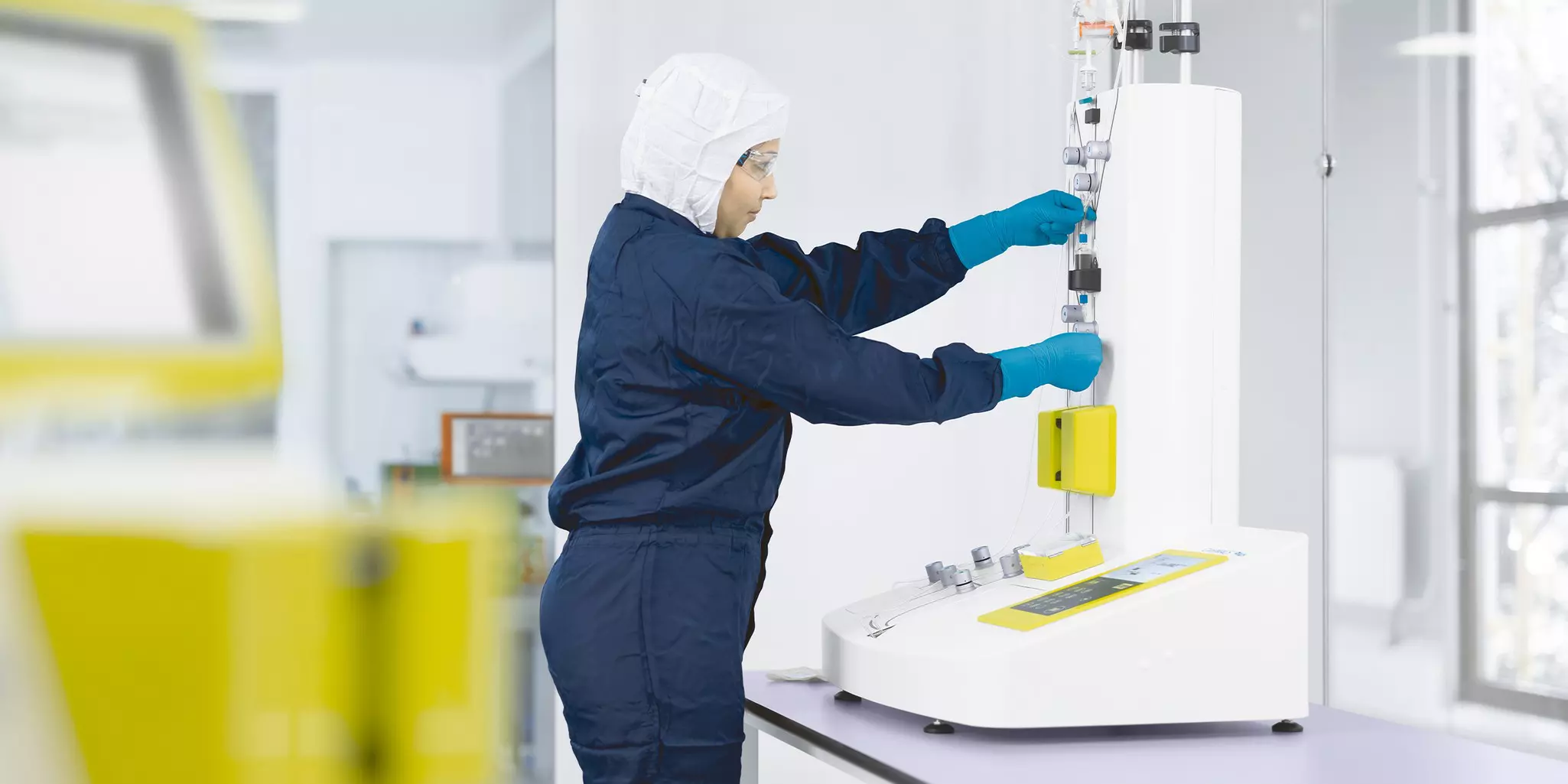
Clinical employee in clean room attire setting up a cell manufacturing process on the CliniMACS Prodigy

CliniMACS Prodigy

Automatic generation of alloreactivity-reduced donor lymphocytes and hematopoietic stem cells from the same mobilized apheresis product

Strong T cell depletion is required to manage alloreactivity in haploidentical HSCT. In the study by Wiercinska and Quade-Lyssy et al., two separate cellular products were generated from the same mobilized leukapheresis: one depleted of naive T cells via CD45RA depletion, and the other depleted of TCRα/β+ and CD19+ cells. The separation was achieved using highly automated processes with minimal hands-on time. The resulting cell products retained TCRγ/δ+ and NK cells, while achieving an approximately four-log reduction in the target cell populations. Storage of the apheresis product for 48 hours was associated with a modest loss of hematopoietic stem cells, while depletion efficiency remained comparable. The depleted cell products remained stable for up to 72 hours after apheresis. The robustness and high degree of automation of this method support its suitability for decentralized manufacturing, including automated quality control workflows.

Wiercinska, E. et al. (2023) J. Transl. Med. 21: 849. | Read article

CD34 positive selection of cryopreserved stem cell concentrates with the CliniMACS Prodigy Platform and the tubing set TS320: preclinical results from a validation study

Bernecker et al. developed a protocol for CD34 selection of cryopreserved stem cells using the CliniMACS Prodigy, which is particularly valuable when fresh products are unavailable. The method enables automated preparation of CD34-selected stem cell products and may facilitate the provision of stem cell boosts for poor graft function and long-term cytopenia following allogeneic HSCT. Hematopoietic stem cells are thawed in the presence of DNase and sodium citrate to reduce aggregates and clots, and DMSO removal is integrated directly into the automated enrichment of CD34+ cells on the CliniMACS Prodigy.

Bernecker, C. et al. (2025) Transfus. Med. Hemother. Epub ahead of print, Nov. 25. | Read article

Automated isolation of primary antigen-specific T cells from donor lymphocyte concentrates: results of a feasibility exercise

Bunos et al. explored the feasibility of an automated selection of cytomegalovirus-specific T cells using the CliniMACS Prodigy. Virus-specific T cells (VST) were enriched with the Cytokine Capture System (CCS), which isolates cytotoxic and helper T cells that secrete interferon-γ after viral peptide stimulation. The CCS process achieved a 447-fold enrichment of VSTs, yielding approximately 9 × 10⁶ VSTs with a mean purity of 83%.

Bunos, M. et al. (2015) Vox Sang. 109: 387–393. | Read article

Additional publications

Selective TCRαβ+ and CD45RA+ T-cell depletion of hematopoietic stem cell graft: an analysis on factors that affect depletion performance
Ang, C. H. et al. (2025) Cell Transplant. 34: 9636897251336965. | Read article

Depletion of αβ+ T and B cells using the CliniMACS Prodigy: results of 10 graft-processing procedures from haploidentical donors
Haastrup, E. et al. (2019) Transfus. Med. Hemotherapy 46: 446–449. | Read article

Generation of alloreactivity-reduced donor lymphocyte products retaining memory function by fully automatic depletion of CD45RA-positive cells
Müller, N. et al. (2018) Cytotherapy 20: 532–542. | Read article

Automation of cellular therapy product manufacturing: results of a split validation comparing CD34 selection of peripheral blood stem cell apheresis product with a semi-manual vs. an automatic procedure
Hümmer, C. et al. (2016) J. Transl. Med. 14: 76. | Read article

Preliminary evaluation of a highly automated instrument for the selection of CD34+ cells from mobilized peripheral blood stem cell concentrates
Stroncek, D. F. et al. (2016) Transfusion 56 : 511–517. | Read article

A person is operating the CliniMACS Plus instrument for automated cell separation for clinical-scale cell enrichment or depletion

CliniMACS Plus Instrument

Isolation of highly purified autologous and allogeneic peripheral CD34+ cells using the CliniMACS Device

Schumm et al. isolated CD34+ hematopoietic stem cells from bone marrow or peripheral blood using the CliniMACS Plus Instrument, performing a total of 71 separations from autologous patients and allogeneic donors. CD34+ cells with high purity, viability, and recovery were obtained with concomitant effective T cell depletion in the allogeneic setting and high purging efficacy in the autologous setting.

Schumm, M. et al. (1999) J. Hematother. 8: 209–218. | Read article

A large-scale method for the selective depletion of αβ T lymphocytes from PBSC for allogeneic transplantation

Previous studies have shown that transplanting CD34+ selected stem cells can lead to delayed immune reconstitution, which increases the risk of life-threatening infections and relapse. Chaleff et al. investigated the selective depletion of TCRα/β+ T cells using the CliniMACS Plus Instrument. The median depletion efficiency was 3.9 log, with mean recovery rates of 92% for γδ T cells and 80% for NK cells. CD34+ cell recovery was 66%. The TCRα/β-depleted cell product successfully engrafted in NSG mice, demonstrating higher CD3+ T cell engraftment and no signs of GVHD compared to CD133+ selected stem cells.

Chaleff, S. et al. (2007) Cytotherapy 9: 746–754. | Read article

Additional publications

Robust selections of various hematopoietic cell fractions on the CliniMACS Plus Instrument
Panch, S. R. et al. Clin. Hematol. Int. (2019) 1: 161–167. | Read article

Depletion of T-cell receptor alpha/beta and CD19 positive cells from apheresis products with the CliniMACS Device
Schumm, M. et al. (2013) Cytotherapy 15: 1253–1258. | Read article

You have previously chosen International as your location.
What do you want to do?

Attention

The medical device and therapy related information on this website is intended for access by healthcare professionals only and their request.

By clicking "Accept" you are confirming that you are a healthcare professional and have read and agreed to the information above. If you are not a healthcare professional, please

click here

to be redirected to www.miltenyibiotec.com.