Cell manufacturing
Explore cutting-edge cell manufacturing with new strategies, novel cell types, and their therapeutic potential.


Cell manufacturing
Understanding cancer vaccines: a revolution in oncology
Cancer vaccines, once a distant dream in the realm of medical science, are quickly becoming a reality. As researchers delve deeper into the complex relationship between cancer and the immune system, vaccines designed to prevent or treat cancer are emerging as groundbreaking tools in the fight against this devastating disease.
In this blog post, we explore the types of therapeutic cancer vaccines and the latest breakthroughs in cancer vaccine research, from mechanism-driven design to clinical applications, providing key insights for scientists working at the intersection of oncology and immunology.
Understanding TCR T–cell therapy: harnessing the immune system to fight cancer, infection, and autoimmunity
In the evolving landscape of cell-based treatments, immunotherapy has emerged as a promising and revolutionary approach. Among the various forms of immunotherapy, TCR (T cell receptor) T–cell therapy stands out for its potential to offer more targeted and effective treatments for patients suffering from cancer or other diseases.
In this blog post we explore the latest breakthroughs, ongoing challenges, and future directions in TCR-T therapy research.
Understanding the power of CAR T cells in revolutionizing cancer treatment
Cancer treatment has evolved significantly over the years, but one of the most promising and groundbreaking advancements is the use of CAR T cells. Short for Chimeric Antigen Receptor T cells, this form of immunotherapy has captured the medical world's attention for its potential to combat some of the most difficult-to-treat cancers.
In this blog post, we’ll explore what CAR T cells are, how they work, and the potential they hold for the future of cancer therapy.
Understanding NK cells and cancer: the body’s first line of defense against tumors
The immune system is our body’s defense network, designed to fend off harmful invaders like viruses, bacteria, and even cancerous cells. Among the many immune cells that protect us, Natural Killer (NK) cells stand out as a unique and vital force. NK cells are the body’s first responders, ready to destroy abnormal cells without needing prior exposure or activation, making them a critical part of both cancer immunotherapy and natural immunity.
In this blog post, we explore what NK cells are, how they work, and why they are gaining attention in cancer research and treatment.
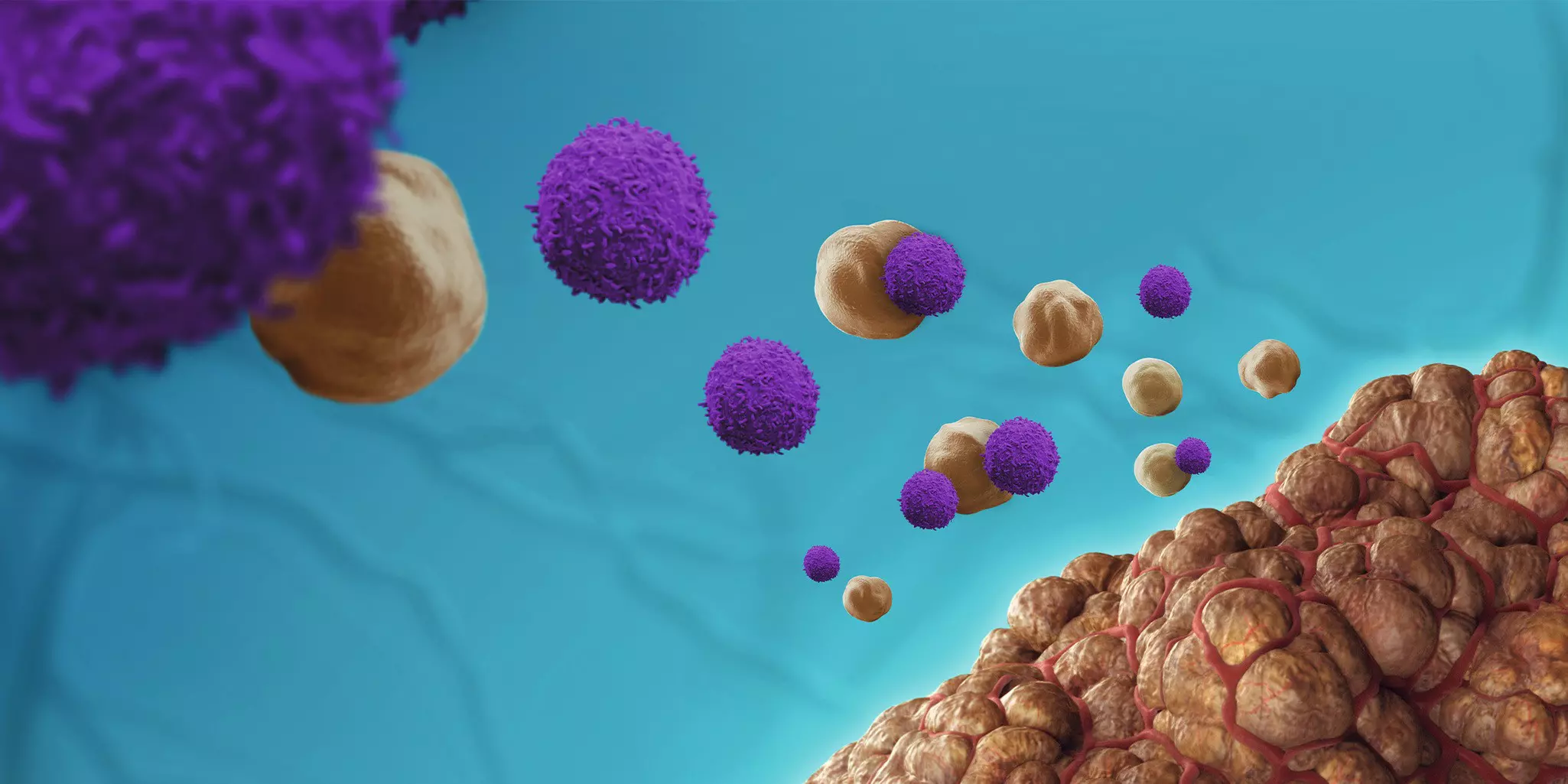
Understanding TILs and TIL therapy
Cancer treatment has undergone a significant transformation over the past decade, with immunotherapy emerging as one of the most promising avenues. Among the cutting-edge therapies, tumor-infiltrating lymphocytes (TILs) have gained attention for their ability to harness the body's immune system to fight cancer. This approach offers hope, especially for patients with advanced or resistant tumors. But what exactly are TILs, and how are they changing the landscape of cancer treatment?
In this post, we'll explore the science behind TILs, their role in cancer immunotherapy, and why they are considered a game-changer in the battle against cancer.
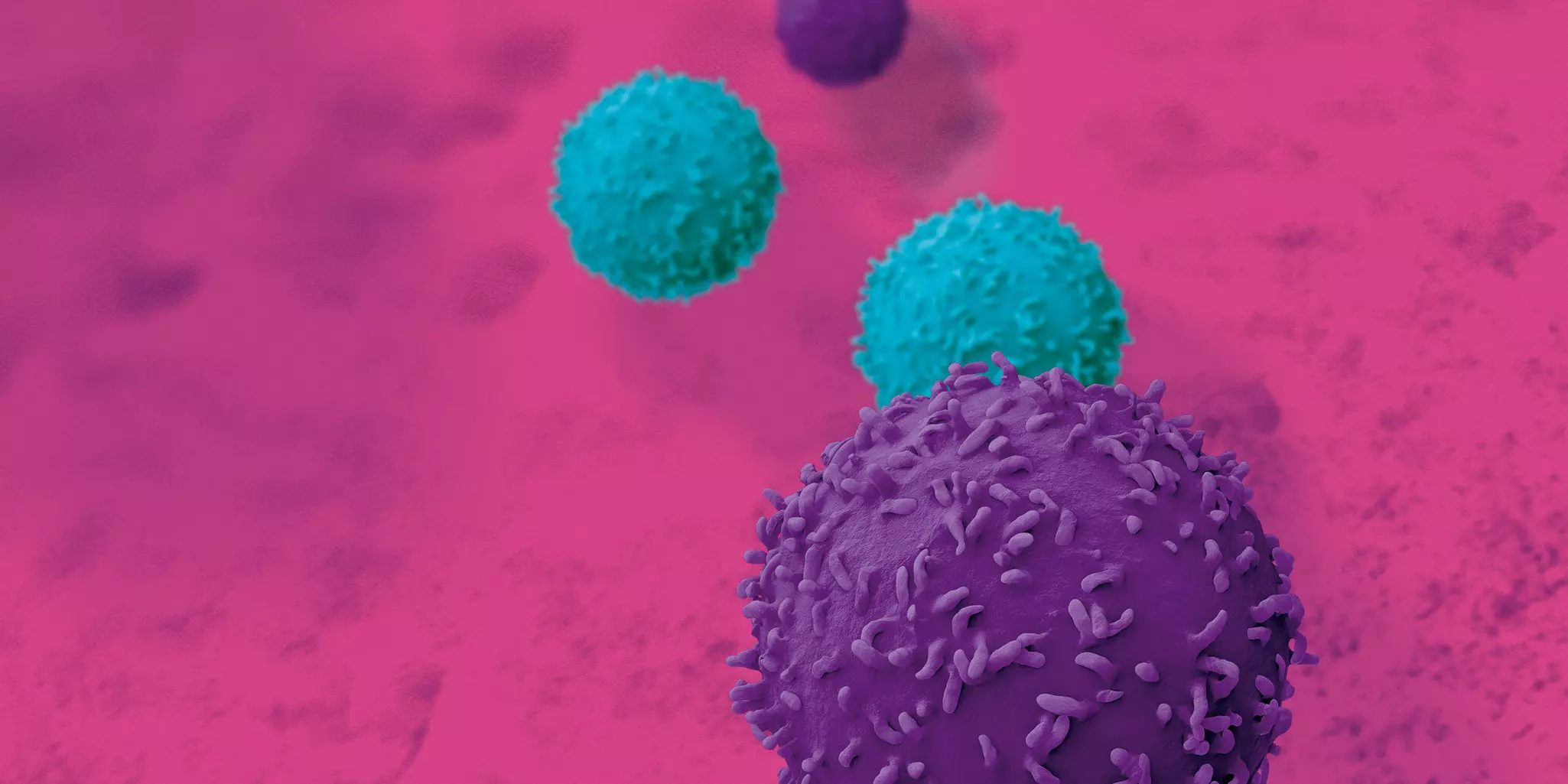
Understanding gamma delta T cells: the overlooked heroes of the immune system
Most people know T and B cells as key players in adaptive immunity, but gamma delta (γδ) T cells are a lesser-known yet crucial subset. They play a unique role in fighting infections, cancer, and controlling chronic inflammation.
In this blog post, we explore γδ T cells’ growing importance in immunity.