Understanding TCR T–cell therapy: harnessing the immune system to fight cancer, infection, and autoimmunity

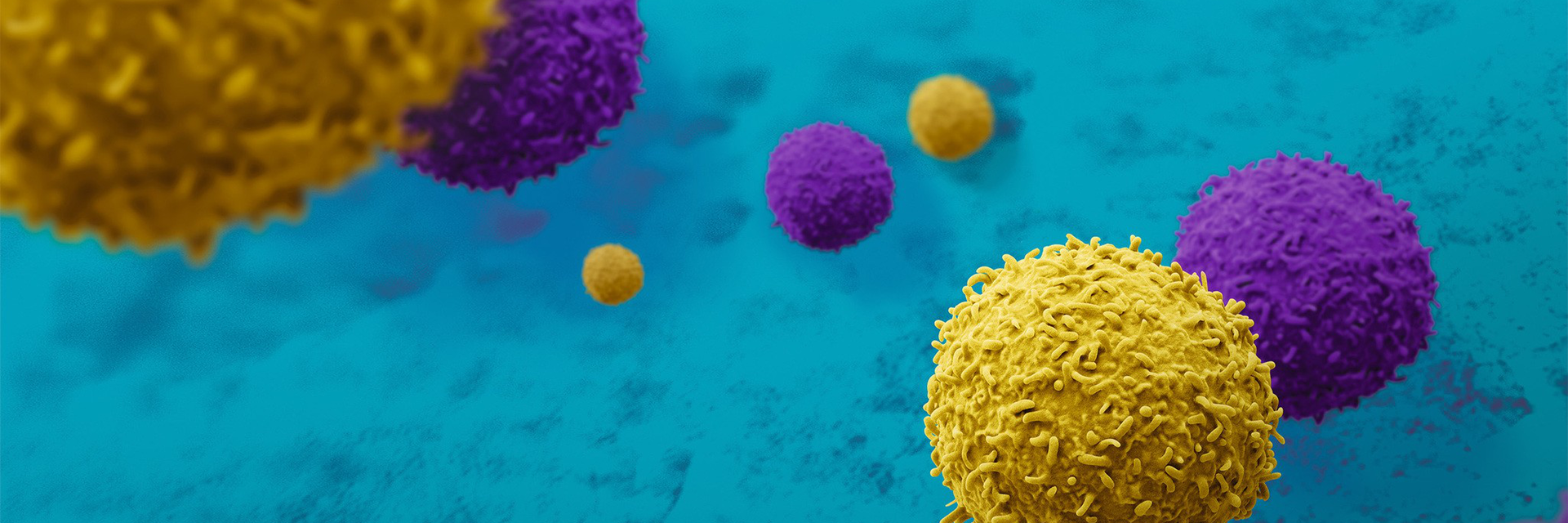
3D graphic showing regulatory T cells
Logo

Understanding TCR T–cell therapy: harnessing the immune system to fight cancer, infection, and autoimmunity

In the evolving landscape of cell-based treatments, immunotherapy has emerged as a promising and revolutionary approach. Among the various forms of immunotherapy, TCR (T cell receptor) T–cell therapy stands out for its potential to offer more targeted and effective treatments for patients suffering from cancer or other diseases.

In this blog post, we explore the latest breakthroughs, ongoing challenges, and future directions in TCR T–cell therapy research.

Read time: 5–10 minutes

This information is intended for biological researchers and should not be viewed as advice on medical treatments.

Check out our blog and get up to speed on how TCR T–cell therapy is reshaping cancer treatment

Content overview

Content

  • What Is TCR T–cell therapy?
  • How is TCR T–cell therapy developed?
  • Classification of tumor antigens
  • Off-the-shelf TCR T–cell therapy (allogeneic TCR therapy)
  • Challenges and considerations
  • Comparing TCR T–cell therapy to CAR T–cell therapy
  • What lies beyond cancer?
  • What new developments are there in TCR T–cell therapy research?

What Is TCR T–cell therapy?

TCR T–cell therapy is a type of adoptive cell transfer (ACT). It harnesses the power of a patient's own immune system to fight diseases by modifying their T cells, a key component of healthy immunity, to recognize and destroy malignant or infected cells.

T cells patrol the body, detecting infections or malignant transformations by recognizing specific patterns called T cell antigens or peptides. These antigens are presented to the TCR via major histocompatibility complex (MHC) molecules, known in humans as Human Leukocyte Antigens (HLA), which are expressed on nearly all cells. HLA-mediated antigen presentation enables T cells to quickly recognize changes and eliminate harmful cells or microbes.1

Cancer cells and viruses can evade this system by disguising themselves or suppressing HLA-mediated responses. Additionally, misdirected T cell surveillance can lead to attacks on the body's own tissues. TCR T–cell therapy seeks to target and attack specific structures on cancer cells or pathogens to treat these diseases.2

Icon showing a shining lightbulb with an exclamaiton mark on it

Did you know?

The genes for HLA molecules are some of the most diverse in the human genome, with thousands of variants that help our immune system recognize and fight off infections. In fact, no two people (except identical twins) have the exact same set of HLA molecules, making HLA matching a fascinating challenge in cell therapy! One of the most frequent HLA allotypes in the global human population is HLA-A*02, which is present in about 10–20% of individuals worldwide.3

How is TCR T–cell therapy developed?

The foundation of TCR T cell–mediated cancer therapy lies in the modification of T cells to express TCRs that are specifically engineered to recognize peptide-HLA complexes presented on the patient’s cancer cells. Due to the extreme diversity of HLA allotypes in the human population, the patient's HLA genetic background must always be taken into account.4

Step-by-step breakdown of the TCR T workflow in cancer therapy:

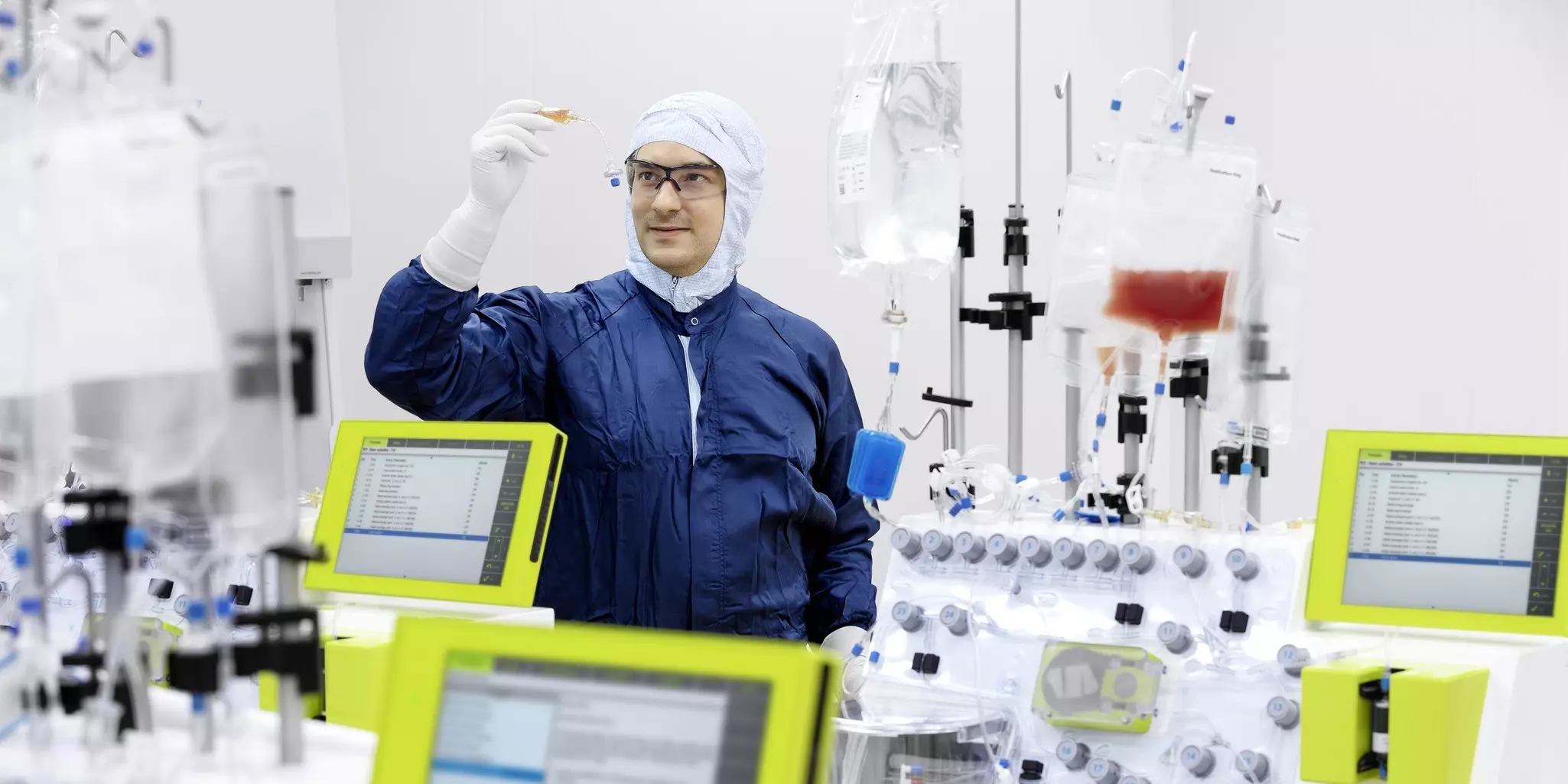
  • Collecting T cells: T cells are harvested from the patient’s blood via leukapheresis.
  • Genetic engineering: The T cells are modified in the lab to express TCRs tailored to the patient’s HLA type, enabling recognition of tumor-specific antigens on cancer cells.
  • Cell expansion: The engineered T cells are multiplied to create a large supply of cancer-targeting cells.
  • Re-infusion: The modified T cells are infused back into the patient, equipped to detect and target cancer cells.
  • Cancer targeting: The TCR T cells attack cancer cells displaying the targeted peptide-HLA combination and can stimulate the broader immune system to sustain the response.

In 2024, the very first autologous TCR T–cell therapy against a solid cancer was approved by the FDA, which was a groundbreaking milestone in the global fight against solid cancers. TECELRA® (or Afamitresgene autoleucel) targets Melanoma-associated antigen 4 (MAGE-A4) presented on HLA-A*0201 in patients suffering from unresectable or metastatic synovial sarcoma. Many scientists believe TECELRA® to be the pioneer of a promising new era of TCR T–cell therapy.5

Classification of tumor antigens

The success of cancer-specific TCR T–cell therapy stands or falls with the selection of an efficient and safe tumor antigen. Learn more about the basic classification of tumor antigens below.

  • Tumor-specific antigens (TSAs): TSAs are antigens resulting from malignant transformation and are restricted to tumors while not being found in healthy cells. They are exclusively presented by HLAs on tumor cells, hence are suitable candidates as tumor biomarkers. Targeting TSAs in therapy can be particularly effective because they minimize the risk of attacking healthy tissues.6
    • Peptides produced as a consequence of DNA-mutation or differential splicing mechanisms, also referred to as “neoantigens”, for example, KRAS7, G12D, p53, or EGFRvIII8
    • Onco-viral antigens derived from viruses driving the oncogenic transformation of cancer cells in humans, e.g., HPV E6/E7 in Human Papillomavirus (HPV)-related cancers (cervical cancer, head and neck cancers) or EBV EBNA in Epstein-Barr Virus (EBV)-associated cancers (nasopharyngeal carcinoma, some lymphomas)9
  • Tumor-associated antigens (TAAs): TAAs are self-proteins expressed in cancer cells that are, to a certain extent, also presented by HLAs on non-malignant tissues. After malignant transformation, the following changes in the expression of these antigens might be observed:
    • Overexpression of normal proteins (overexpressed TAAs), e.g., Her2/neu10
    • Expression of proteins with tissue-specific gene patterns (differentiation TAAs), e.g., tyrosinase, Melan-A, MART-1, or gp100/pmel11
    • Expression of proteins usually restricted to the testes (“cancer/testis” TAAs), e.g., MAGE-A family,12 PRAME,13 or NY-ESO-114

Icon showing a shining lightbulb with an exclamaiton mark on it

Did you know?

Did you know that neoantigens are like the “fingerprints” of cancer cells? These newly formed antigens pop up when tumors mutate, creating unique protein markers our immune system has never seen before. Sounds simple, right? Well, here’s where it gets tricky! Neoantigens are typically defined as mutated proteins generated by changes in a cancer cell's DNA, making them different from normal, healthy cells. However, they can also arise from alternative splicing – a process where cells shuffle their RNA instructions, producing brand new proteins without DNA mutations!15

So, even though neoantigens are often thought of as purely DNA mutation–driven, splicing can create the same "foreign" effect, making the term a bit more complex than it at first seems!

Off-the-shelf TCR T–cell therapy (allogeneic TCR therapy)

While most TCR T cell therapies are autologous (using a patient’s own T cells), there is growing interest in developing allogeneic or "off-the-shelf" TCR therapies that use T cells from a healthy donor. These therapies require careful engineering and HLA-matching to avoid immune rejection or the risk of graft-versus-host disease (GVHD).16 Advantages include:

  • Faster production process since the cells come from a donor rather than having to collect and modify the patient's own cells.
  • Potentially more consistent product since the T cells from healthy donors are often of higher quality and quantity than those from cancer patients.

Challenges and considerations

Despite its promise, TCR T–cell therapy is still an evolving field with some challenges:17

  • Antigen selection: Success requires identifying cancer-specific antigens not present on healthy or vital cells to avoid severe side effects (on-target, off-tumor toxicity). The antigen must also bind effectively to the TCR to trigger a strong T cell response, which is particularly challenging in autoimmune conditions.
  • HLA restriction: TCRs recognize antigens only when presented by HLA molecules, which vary greatly between individuals. This necessitates tailoring therapies to each patient’s HLA type, complicating development, increasing costs, and hindering universal solutions.

Icon publication
Research highlight

Read more about how the Miltenyi Biotec IFNγ Secretion Assay-Cell Enrichment and Detection Kit, CD4 and CD8 MicroBeads and antibodies contributed to research for developing a strategy for cloning tumor-specific TCRs from long-term surviving patients who have responded to immunotherapy.

HLA-class II restricted TCR targeting human papillomavirus type 18 E7 induces solid tumor remission in mice
Long, J. et al. (2024) Nat Commun. 15(1):2271 | Read article

Person operating a CliniMACS Prodigy with a document icon
Research highlight

Discover how Miltenyi Biotec magnetic MicroBeads, T Cell TransAct™ Reagent, T cell media and interleukins, and the CliniMACS Prodigy® enabled the development of personalized neoTCR T-cell therapy.

Non-viral precision T cell receptor replacement for personalized cell therapy
Fox, SP. et al. (2023) Clinical Trial Nature. 615(7953):687-696. | Read article

Comparing TCR T–cell therapy to CAR T–cell therapy

Though both therapies involve engineering T cells to combat cancer, key differences include:18

  • Targeting mechanism: CAR T cells recognize surface antigens (e.g., CD19, BCMA) without needing HLA-presentation, making them effective for blood cancers but limited for solid tumors. TCR T cells target intracellular tumor antigens presented via HLA molecules, offering broader applicability, including solid tumors.
  • Cancer types: CAR T–cell therapy excels in treating blood cancers like leukemia and lymphoma, while TCR T–cell therapy shows promise for solid tumors, such as lung cancer, melanoma, and sarcoma.

In short, CAR T and TCR T cells differ mainly in 1) the type of antigen they target, 2) their antigen-recognition mechanism, and 3) their reliance on HLA presentation.

What lies beyond cancer?

TCR T–cell therapy, primarily advanced for cancer treatment, is now being explored for chronic infections and autoimmune diseases. Studies are assessing CMV-specific TCR T cells for lethal CMV infections post-hematopoietic stem cell transplantation, and investigating their use in HIV-1 patients alongside anti-retroviral therapy.19

TCR-engineered regulatory T cells (Tregs) show promise for personalized autoimmune disease treatments like type 1 diabetes (T1D) and multiple sclerosis (MS).20 While no clinical trials exist yet, preclinical research includes GAD65-reactive Tregs for T1D21 and Tregs targeting myelin basic protein (MBP) for MS.22

What new developments are there in TCR T–cell therapy research?

These publications contribute to a deeper understanding of TCR T–cell therapies, highlighting both the progress and challenges in developing effective treatments for various malignancies.

Strategic insights into TCR-engineered T cell therapies

A 2025 review in Theranostics delves into the theoretical foundations of TCR T–cell therapy, exploring strategies for screening specific TCRs and antigens. Screening strategies include assessing the efficiency of TCR expression and monitoring for any rapid internalization that could diminish therapeutic effectiveness. The article also addresses ongoing challenges in specificity, affinity, and safety of engineered TCRs, providing a comprehensive overview of the current therapeutic landscape.

Targeting cancer with precision: strategical insights into TCR-engineered T cell therapies
Lin, P. et al. (2025) Theranostics. 1;15(1):300-323. | Read article

Clinical advances and challenges associated with TCR T–cell therapy

Analyzing 174 clinical trials, this review study highlights the significant efficacy of TCR T–cell therapies across various tumor types, including refractory hematologic malignancies and certain solid tumors, and identified MAGE-A4 and NY-ESO-1 (CTAG1B) tumor antigens as currently having the greatest potential in advancing immunotherapy. The research underscores the potential of combining TCR T–cell therapy with other immunotherapies to enhance anti-tumor effects. It also discusses the challenges in translating preclinical successes to clinical applications, emphasizing the need for further research to optimize treatment protocols.

Clinical advances and challenges associated with TCR T–cell therapy for cancer treatment
Li, J. et al. (2024) Front Immunol. 15:1487782. | Read article

Computational approaches for TCR optimization

Innovations in computational modeling are contributing to TCR T–cell therapy development. For instance, a study published in Nature Biotechnology addresses the challenge of identifying tumor-reactive T cell receptors (TCRs) for personalized cancer immunotherapy. The researchers developed a high-throughput platform called TRTpred and MixTRTpred, an antigen-agnostic in silico TRT predictor, to systematically identify and validate TCRs that specifically target tumor antigens, facilitating the development of personalized TCR T–cell therapies.

Identification of clinically relevant T cell receptors for personalized T cell therapy using combinatorial algorithms
Pétremand, R. et al. (2024) Nat Biotechnol. doi: 10.1038/s41587-024-02232-0. Online ahead of print. | Read article

Similarly, a group in London recently published about SCEPTR, a TCR language model that employs a novel pre-training strategy combining autocontrastive learning and masked-language modeling. SCEPTR achieved state-of-the-art performance in predicting TCR specificity, outperforming existing protein language models and sequence alignment-based methods. The study underscores the promise of contrastive learning in decoding TCR specificity.

Contrastive learning of T cell receptor representations
Nagano, Y. et al. (2025) Cell Syst. 16(1):101165. | Read article