The MACSPlex EV Kit IO (for immuno-oncology) allows the detection and characterization of extracellular vesicles (EVs), such as exosomes, using 37 different surface epitopes and two isotype controls. The MACSPlex EV Kit IO comprises a cocktail of various fluorescently labeled bead populations, each coated with a specific antibody binding the respective surface epitopes. The 39 bead populations can be distinguished by different fluorescence intensities via flow cytometry.


Related products for MACSPlex EV Kit IO, mouse
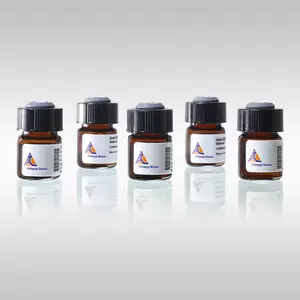

The MACSPlex EV Kit IO (for immuno-oncology) allows the detection and characterization of extracellular vesicles (EVs), such as exosomes, using 37 different surface epitopes and two isotype controls. The MACSPlex EV Kit IO comprises a cocktail of various fluorescently labeled bead populations, each coated with a specific antibody binding the respective surface epitopes. The 39 bead populations can be distinguished by different fluorescence intensities via flow cytometry.
Extracellular vesicles (EVs) are incubated with the antibody-coated MACSPlex EV Capture Beads. Subsequently or in parallel, EVs bound to the MACSPlex EV Capture Beads are labeled with the MACSPlex EV Detection Reagents. The MACSPlex EV Detection Reagents can also be combined to create a cocktail comprising of MACSPlex EV Detection Reagent for CD9, CD63, and CD81. Consequently, sandwich complexes are formed between the MACSPlex EV Capture Bead, extracellular vesicle, and the detection reagent (see Data and images, figure 1). These complexes can be analyzed based on the fluorescence characteristics of both the MACSPlex EV Capture Bead and the detection reagent. Positive signals indicate the presence of the respective surface epitope within the EV population (see Data and images, figure 2). It is also possible to compare different EV samples using the MACSPlex EV Kits allowing semi-quantitative analysis of differential surface epitopes.
Minimal information for studies of extracellular vesicles (MISEV2023)
For more information on the latest state of the art extracellular vesicle (EV) research, including currently available technologies and expert guidelines for separation and characterization of EVs from different sources, please refer to the Minimal information for studies of extracellular vesicles (MISEV) provided by The International Society for Extracellular Vesicles (ISEV)
Our MACSPlex EV Kits are included and recommended within the MISEV guidelines for bead-based flow cytometry characterization of EVs.
The MACSPlex EV Kit IO has been developed for the simultaneous flow cytometric detection of 37 surface epitopes that are known to be present on different extracellular vesicles plus two isotype control beads.
To access a Certificate of Analysis (CoA) follow the link below and enter the specific lot of your product.
Should you wish to request additional documentation, such as a Safety Data Sheet (SDS) in other languages than English or Swedish, an SDS-replacement document, or a Certificate of Origin (CoO), please direct your inquiry to your local technical support team.
- Görgens, A. et al. (2021) A robust and semi-quantitative method for analyzing exosomes by flow cytometry. Trillium Extracellular Vesicles 3 (1): 41-45
- Koliha, N. et al. (2016) A novel multiplex bead-based platform highlights the diversity of extracellular vesicles. J Extracell Vesicles 5: 29975
- Welsh, J. A. et al. (2024) Minimal information for studies of extracellular vesicles (MISEV2023): From basic to advanced approaches. J Extracell Vesicles : doi: 10.1002/jev2.12404