Miltenyi Biotec’s

Cell and Gene Therapy Days

Watch exclusive talks from Miltenyi Biotec’s Cell and Gene Therapy Days 2023

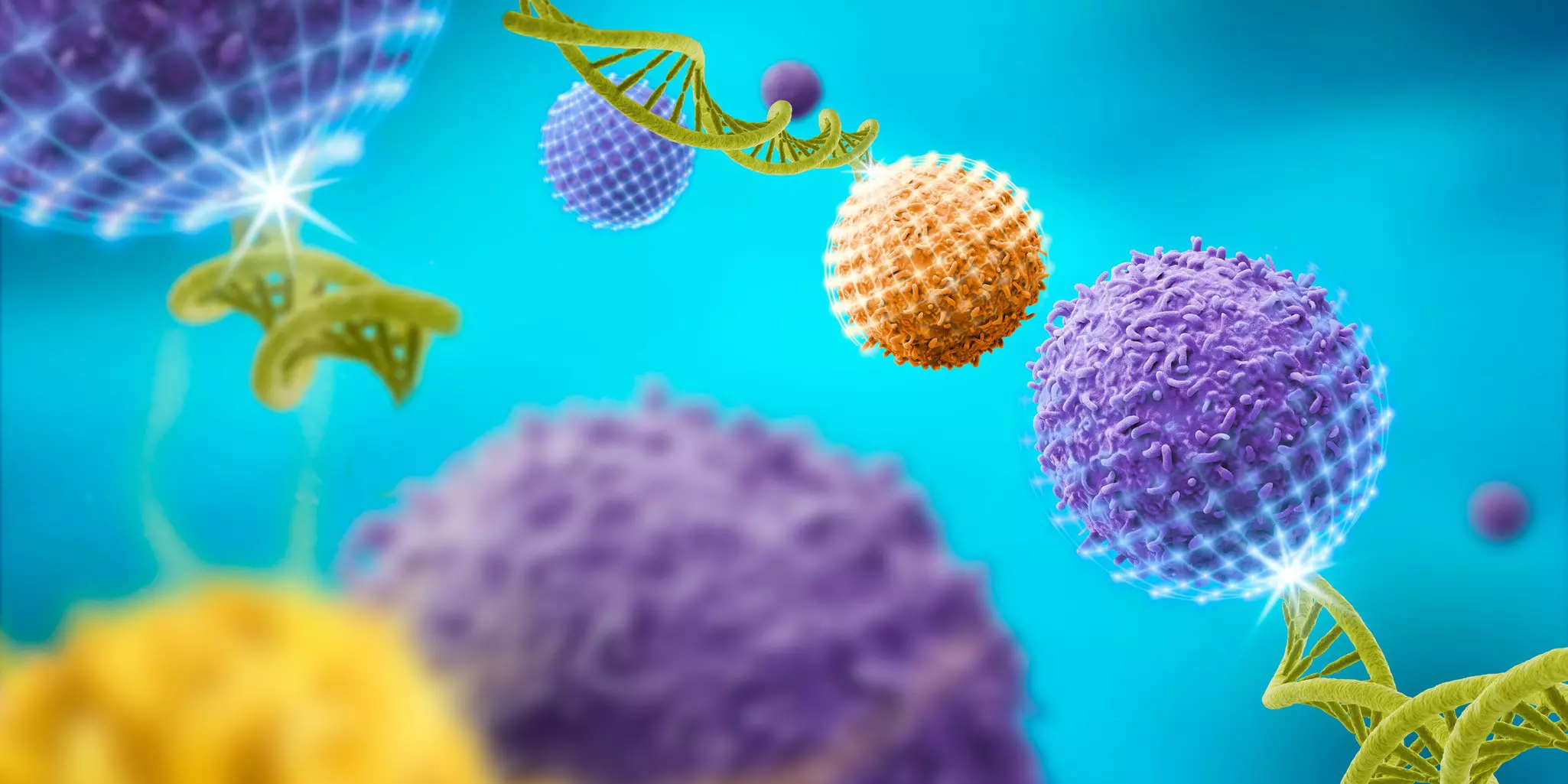
3D image of immune cells and DNA helixes

Our two-day event in Bergisch Gladbach was a memorable occasion to bring together great minds, who exchanged ideas and knowledge. It was a great opportunity to learn more about cellular immunotherapy advancements and their translation into early GMP manufacturing. If you missed the chance to attend, or you wish to revisit one of the talks, you can now watch our exclusive recordings.

Choose a session

Engineered T cells beyond lymphoma and leukemia

Hypoxia-sensing CAR T to focus the fight on solid cancers

James Arnold, DPhil, Reader and Head of Tumour Immunology Group, Kings College London, UK & CSO Korecyte Bio, Netherlands

Abstract
On target off-tumour activation of chimeric antigen receptor T-cell (CAR T) immunotherapies can result in dose and treatment limiting toxicities in patients. Unfortunately, tumour-specific CAR targets for solid cancers are scarce. We have been investigating opportunities for exploiting hypoxia, which represents a selective feature of most solid tumours, as a trigger for CAR T activation. We developed a stringent hypoxia-sensing CAR T platform technology called ‘HypoxiCAR’, which delivers tumour-restricted CAR expression and activation. In preclinical models, HypoxiCAR successfully provides anti-tumour efficacy while circumventing systemic toxicities of this therapy.

CAR T cells for the treatment of B cell–mediated autoimmune diseases

Andreas Mackensen, MD, Director Oncologic Center, University Clinic Erlangen, Germany

Abstract

Despite better treatment modalities some patients with systemic lupus erythematosus (SLE) suffer
from severe and treatment-resistant disease. This situation puts patients at high risk for organ failure
or even death. Furthermore, many patients with SLE have to take long-term, sometimes even life-long immune suppressive medication to control the disease without being able to enjoy drug-free
remission.

Autoreactive B cells play a key role in the pathogenesis of autoimmune diseases,
such as systemic lupus erythematosus. Recently, we reported that deep B cell depletion using a single infusion with autologous CD19 chimeric antigen receptor (CAR) T cells induced drug-free clinical remission in severe SLE patients with refractory disease. In this presentation we present an update on clinical efficacy and safety of the first SLE patients receiving CD19 CAR-T cell therapy.

Novel strategies for tumor targeting

AdaptNK - A novel allogeneic adaptive NK cell therapy product

Andreas Björklund, MD, PhD, Unit for Cell therapy and Allogeneic Stem Cell Transplantation, Karolinska Institute, Sweden

Abstract
Since the discovery of adaptive natural killer (NK) cells, intensive research has been performed by our group and others, trying to harness their powerful cytotoxic capabilities for clinical use. We have developed a method for selectively expanding these single-KIR expressing cells to large numbers, enabling them to be used in vivo in a missing-self setting.

The GMP-compliant AdaptNK off-the-shelf platform utilizes an 11 day expansion of adaptive NK cells from select third-party “super donors” with pre-existing adaptive subsets. On average, the AdaptNK product expands 470-fold, featuring maximal alloreactivity via expression of a single self-HLA-specific KIR and HLA-E checkpoint evasion through NKG2C expression without NKG2A.

Moreover, the AdaptNK product displays potent ADCC capacity due to high CD16 expression, enabling antibody/engager combinations, and alloreactivity against primary leukemic blasts from AML patients. NK cells has shown great promise as a source for allogeneic cell therapy against hematological myeloid malignancies, in our previous study (and others). We are now planning a clinical phase I/II study with AdaptNK in a KIR-ligand mismatched setting against chemotherapy-refractory acute myeloid leukemia and myelodysplastic syndrome. The talk describes our previous NK cell therapy trial, at Karolinska University Hospital, the developmental steps of the new AdaptNK-product and the coming trial showing where allogeneic NK cell therapy fit in today’s cell therapy landscape.

Novel T cell receptor – target pairs that provide new therapeutic opportunities in cancer

Johanna Olweus, MD, PhD, Professor at Oslo University Hospital, Department of Cancer Immunology

Abstract

T-cell receptors (TCRs) can access a wide array of intracellular antigens currently unavailable to CARs, potentially expanding the repertoire of tumor targets for adoptive cell therapies. Neoantigens encoded by mutations are attractive tumor-specific targets that were recently exploited in autologous TCR T-cell therapies.

However, challenges include that the large majority of mutations is unique to the individual patient, that TCRs might not be identified from the patient in time for efficacious treatment, and that TCRs identified from patients might have insufficient avidities.

Hence, there is a need for alternative strategies to identify immunogenic targets that are shared among patients, and efficacious TCRs recognizing them. Our group has developed technologies to identify TCRs from healthy donors, circumventing the suppressed immune system of the patient. To this end, we have demonstrated that a TCR recognizing a mutation that is shared among a subgroup of patients with acute myeloid leukemia (AML) can mediate eradication of AML in patient-derived xenograft models, including leukemia cells with cancer stem cell properties.

These results show proof-of-concept that TCR-T cells targeting a single, shared neoantigen can eradicate cancer in disease-relevant models (Giannakopoulou et al, Nature Cancer, in press). Moreover, we recently published a pipeline for pre-clinical selection of safe candidate therapeutic TCRs in vitro (Fôldvari et al, NPJ Vaccines 2023) that will be discussed.

Dynamic T cell redirection for enhanced cancer immunotherapy

Luis Álvarez-Vallina, PhD, H12O-CNIO Cancer Immunotherapy Clinical Research Unit, Madrid, Spain

Abstract
T cell redirecting strategies are revolutionizing the management of hematological tumors by recruiting T cells towards surface tumor associated antigens with adoptive cell therapies (ACT) based of engineered autologous T cells bearing chimeric antigen receptors (CAR T cells) or systemic administration of bispecific T cell engagers (TCE). An emerging strategy that combines aspects of antibody and ACT based therapies, STAb immunotherapy, is based on the endogenous secretion of TCE antibodies by engineered T cells. Sustained in vivo secretion results in effective serum TCE concentrations, expansion, and persistence of adoptively transferred STAb-T cells and polyclonal recruitment of both gene-modified STAb-T cells and unmodified bystander T cells present at the tumor microenvironment, in contrast to CAR T cells, leading to significantly increased antitumor responses. Indeed, the therapeutic potential of STAb-T cells has been demonstrated in different types of hematological malignancies, such as CD19+ B cell leukemia and CD1a+ T cell leukemias.

Miltenyi's support to academic CGT development

Spatial biology helps to identify CAR target candidates against pancreatic adenocarcinoma

Daniel Schäfer, PhD, Team Coordinator for Cellular Immunotherapy, Miltenyi Biotec, Bergisch Gladbach, Germany

Abstract
Making use of the innovative MICS (MACSima™ Imaging Cyclic Staining) technology, Dr. Schäfer has managed to bypass a major roadblock prohibiting effective cellular immunotherapy of pancreatic ductal adenocarcinoma: a lack of suitable tumor specific antigens. This research has allowed the positive identification of four target candidates from among 371 antigens, and the subsequent generation of 32 CARs to evaluate for therapeutic approaches. Dr. Schäfer will explain not just how this was accomplished, but also how CAR T cell activity was evaluated in vitro, and promising constructs in vivo, with efficacies ranging from stabilized disease to complete tumor eradication. Dr. Schäfer’s approach offers a tantalizing glimpse at the new possibilities opened by the introduction of the MACSima Platform.

Academic partnerships for cellular immunotherapy: journeys from the concept to the clinic

Dina Schneider, B.S.Pharm., PhD, Director, Cell Therapy, Lentigen, a Miltenyi Biotec company, Gaithersburg, USA

Abstract
The development of cell therapies is a complex, multi-step process. Our company has a proven track record of sucessful collaboration with academic and clinical partners, facilitating the discovery, development, manufacturing and clinical application of CAR cell therapies. This presentation will focus on our efforts in the discovery and development of CAR constructs, optimal CAR architectures, multi-targeting, armored, and antigen-controlled CARs. We will highlight our collaborative success stories, including work on CAR cell therapies for hematologic and solid tumors, several of which are now in the clinic.

In summary, we leverage deep technical knowledge and practical experience in the development of CAR cell therapies, with the mission to synergistically support clinical researchers, and make cancer history.

Accelerate your innovative CGT developments with grant projects

Sebastian Huhn, PhD, Senior Grant Coordinator Miltenyi Biotec Grant Team, Miltenyi Biotec, Bergisch Gladbach, Germany

Abstract
Learn about the strategic use of grant projects to accelerate your innovative cell and gene therapy developments. Collaborative in nature, grant projects can cover any topic from ‘disease mechanisms’ to ‘drug development’ in highly specialized, interdisciplinary consortia. In addition to their future-oriented character, grant projects provide a secure environment for exchange between key opinion leaders to foster cutting-edge research. Miltenyi Biotec recognized the added benefit of grants and established a specialized grant team over 20 years ago. Its track record is proof of unmatched expertise and success in the funding landscape. Among Miltenyi Biotec’s more than 100 grant projects in over 30 countries, there are basic research projects, translational endeavours and even investigator initiated clinical trials, with hallmark results including the CliniMACS Prodigy. Reach out to us to start your personal grant journey!

Cellular immunotherapy landscape: how can we solve the maze?

Cristina Conforti Andreoni, PhD, Portfolio Strategy Manager - Immunotherapy, Miltenyi Biotec, Bergisch Gladbach, Germany

Abstract
Cellular immunotherapy is a rapidly evolving field with the potential to revolutionize the treatment of various diseases, including cancer and autoimmunity. Besides the current six CAR T cell therapies already approved, many other cellular immunotherapies are in development including engineered NK cells, T cell receptor (TCR) T cells, and other gene-edited strategies. Navigating through the maze of these different treatments and understanding their positioning and rationale can be challenging. In this talk, Cristina Conforti Andreoni will give a structured overview on the scientific and commercial landscape of cell and gene therapies, analyzing how companies, public medical institutions and tool-providers for cell manufacturing, such as Miltenyi Biotec, can contribute to solve the maze of cellular immunotherapy, addressing challenges such as patient accessibility.

Establishing CAR-T cell manufacturing in clinical settings and how to make it faster

Marko Gogala, PhD, Product Manager for Services, Miltenyi Biotec, Bergisch Gladbach, Germany

Abstract
Setting up a CAR T cell manufacturing process and quality control systems with a potential for manufacturing in a GMP-compliant environment is a complex and time-consuming endeavor. The development of a viable protocol may take years and tends to involve high personnel, material, and facility costs. Further, translating protocols into GMP-ready documents is a long and demanding process.

In this talk, you will be presented with an overview of the typical steps required to develop a cell manufacturing protocol and establish quality control methods. The challenges of transferring the final process from a development setup onto a manufacturing site will also be addressed. Finally, approaches and solutions that can help optimize and minimize the costs of setting up CAR T cell manufacturing will be discussed.

Cell therapy development in academic settings

CAR T manufacturing in an academic institution

Marta Español Rego, PhD, Responsible of manufacturing and monitoring of CAR T cell therapies, Hospital Clinic Barcelona, Spain

Abstract
At the Hospital Clinic of Barcelona, we have developed a second-generation CAR T (with 4-1BB as a co-stimulatory motif) targeting CD19 (ARI0001 or varnimcabtagene autoleucel), which is fully publicly funded and has received authorization for use under the hospital exemption regulation. It is the first academic and European CAR T approved worldwide for acute lymphoblastic leukemia B and is currently undergoing evaluation under the Priority Medicines (PRIME) designation by the European Medicines Agency (EMA), trying to obtain centralized marketing authorization.

Alongside ARI0001, we are also close to obtaining "hospital exemption" for ARI0002h (cesnicabtagene autoleucel), an anti-BCMA CAR T for multiple myeloma. Obviously, all these academic products meet the same quality requirements as commercial products and must also demonstrate effectiveness within the ranges of commercial products in clinical trials for approval.

Possibly, with these Barcelona products, we are paving the way to enable academic production to provide treatment options in cases where pharmaceutical companies are not interested in developing these products (such as rare diseases like pediatric tumors or even autoimmune diseases to low frequent autoantigens). Beyond cancer, other immune-mediated diseases (such as autoimmune disorders and systemic lupus erythematosus) are probably the next challenges for CAR T immunotherapies.

Transposon-based system for CAR T cell therapy

Andrea Biondi, MD, Director of Pediatric Department and Tettamanti Research Center, University of Milano-Bicocca Monza, Italy

Abstract
Adoptive transfer of chimeric antigen receptor (CAR) T lymphocytes is a powerful technology that has revolutionized the way we conceive immunotherapy. However, the widening use of cell therapy is hampered by the accessibility to viral vectors that are commonly used for T cell transfection.

We report our experience of a non-viral Sleeping Beauty transposon system for the genetic modification of Cytokine-Induced Killer (CIK) cells to express Chimeric Antigen Receptors (CARs), paving the way for innovative treatments for hematologic malignancies. Clinical results from a phase I-IIatrial (NCT03389035) will be described, highlighting the safety and efficacy of CARCIK-CD19 therapy in patients with relapsed B-cell acute lymphoblastic leukemia (B-ALL) following hematopoietic stem cell transplantation (HSCT).

Furthermore, a comprehensive overview of our advancements in the non-viral CAR-CIK platform will be given. This includes streamlining the production process and harnessing cord blood (CB) as a source for CAR-CIK cell production, paving the way for a more readily available "off-the-shelf" CAR T cell therapy. Finally, the presentation will underscore the remarkable versatility of the non-viral platform through the preclinical characterization of next-generation CAR-CIK cells tailored to acute myeloid leukemia (AML). This entails introducing a dual CAR strategy aimed at optimizing both efficacy and safety, targeting CD123 and CD33 antigens and “armored” CAR-CIK cells carrying CD33CAR and CXCR4, engineered to enhance their homing capabilities within the bone marrow niche.

Enabling patient access to cell and gene therapies

Current status and challenges of cell and gene therapies in India​

Vikram Mathews MBBS, MD, DM, Head of Department of Hematology, Christian Medical College, Vellore, India

Abstract

The department of Hematology at Christian Medical College, Vellore, India, has had an active hematopoietic cell transplant (HCT) program since 1986, performing 300+ HCT a year, of which around 250 allogeneic HCT, including haplo-identical HCT with graft manipulation in the pre- and post-PTCy era, and with CD34 selection transplants in the earlier era. There is an increased interest in graft manipulation for HCT, as well as using cell therapy alone as an adjunct to HCT to treat or reduce the risk of relapse in hematological malignancies.

An NK cell program with a phase II study in relapsed refractory acute myeloid leukemia (AML) has just been completed. The preliminary data, in addition to establishing safety, provides a signal to suggest efficacy, and we are keen to move this strategy to high-risk first remission AML HCT.

As viral reactivation is a major challenge in our current haplo-identical HCT program, we initiated a study using anti-cytomegalovirus (CMV)–directed CTL therapy or CD45RA+-depleted donor lymphocyte infusion (DLI) post haplo-identical HCT.

We have also made early steps into establishing a CAR T cell program in collaboration with Miltenyi Biotec. We hope to expand this program to other centers in the country with a decentralized manufacturing approach and to move into gene therapy for inherited hematopoietic disorders such as thalassemia major and sickle cell disease. In this presentation, I will give an overview of the status and opportunities of cell and gene therapy in India and illustrate the regulatory pathways that we have followed and challenges that we face.