

First-hand experiences in HSC manufacturing

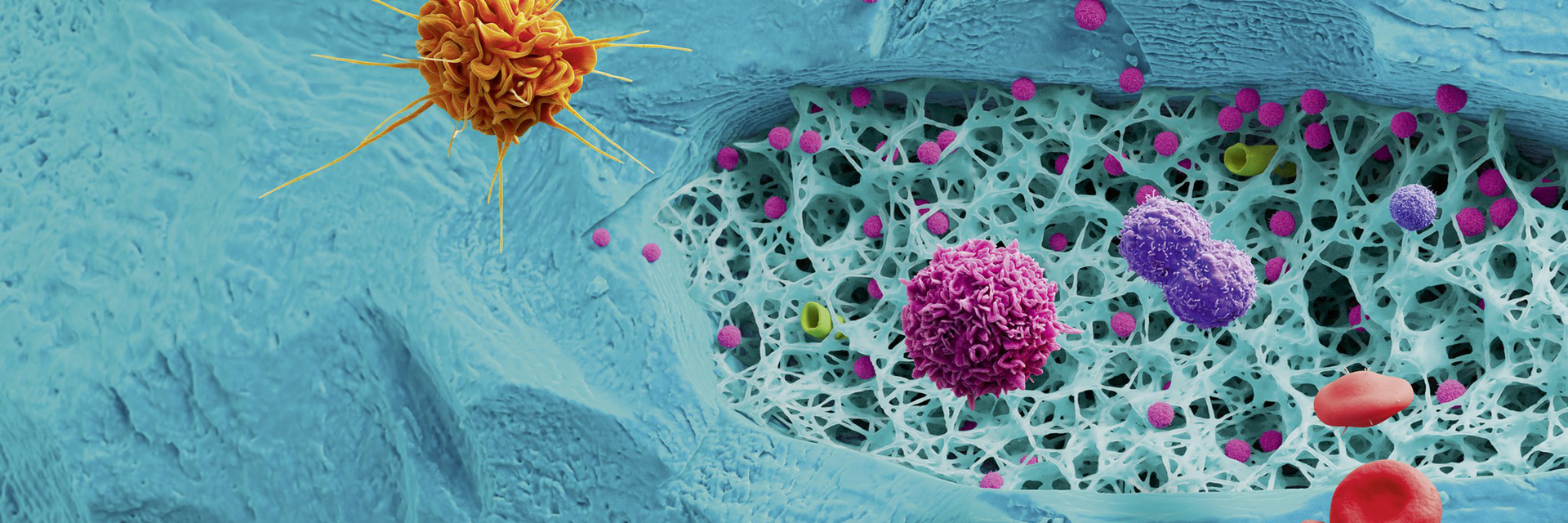
3D graphic showing human hematopoietic stem cells originating from bone marrow
Logo

First-hand experiences in HSC manufacturing

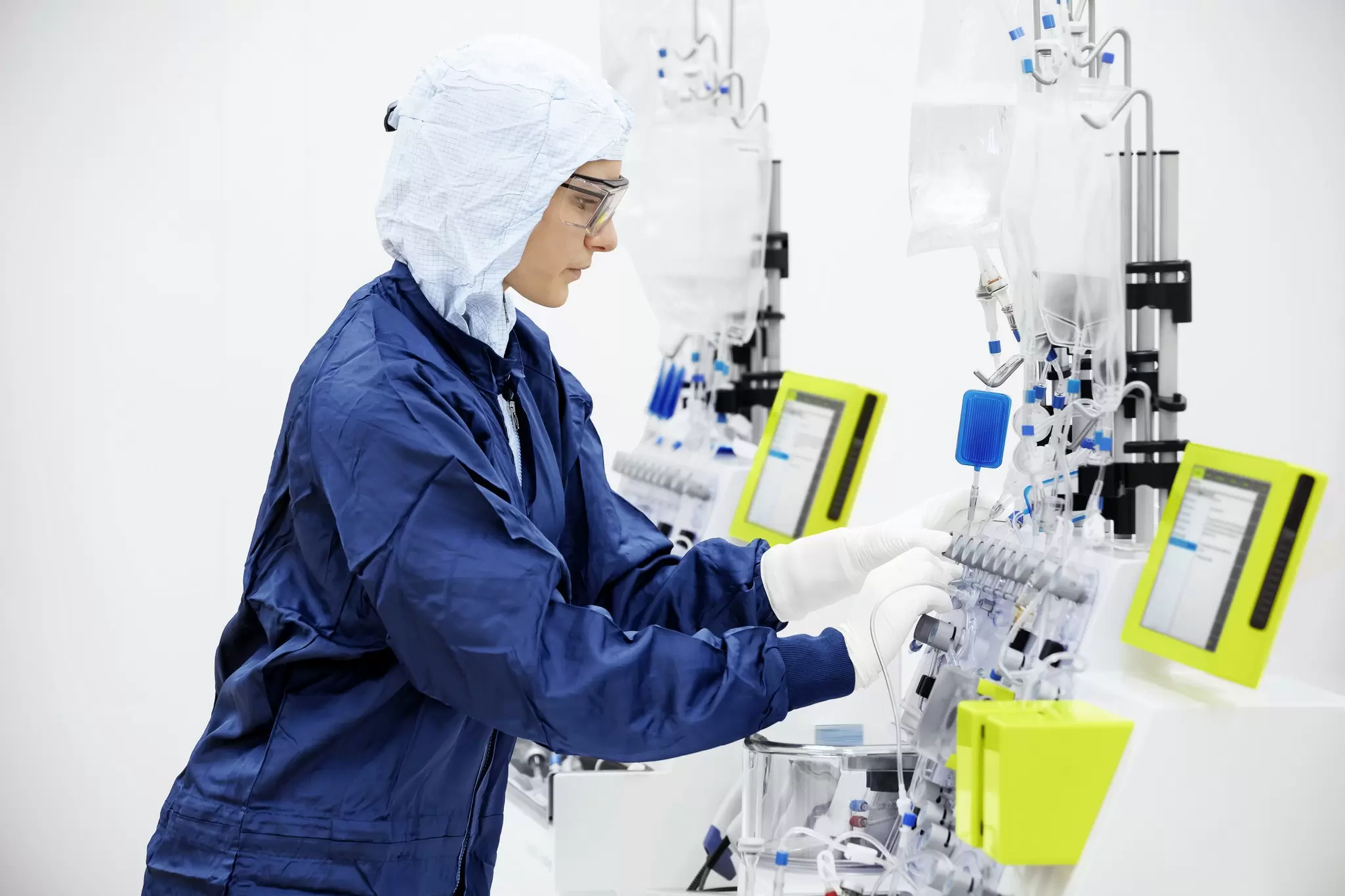
Automating hematopoetic stem cell (HSC) manufacturing with the CliniMACS Prodigy® has brought benefits to research and clinical settings.
Saying goodbye to time-consuming manual steps streamlines the process for gene-engineered HSCs and often provides higher quality results.
From a medical university to a startup looking to scale up, see their first-hand experiences for yourself below.

See an example for β-thalassemia

We utilized the Prodigy system to perform our lentiviral vector–mediated gene therapy for severe β-thalassemia. The platform supported the transduction of CD34+ hematopoietic stem cells from a patient with severe β-thalassemia, providing a streamlined and efficient cell-processing workflow. This resulted in the successful treatment of our first adolescent patient with severe β-thalassemia using gene therapy. To date (September 2026), the patient has remained transfusion-independent for 10 months, with a stable hemoglobin level of approximately 9 g/dL, demonstrating a favorable early clinical outcome.

Close-up from Prof. Suradej Hongeng, M.D. from Faculty of Medicine, Ramathibodi Hospital

Read further on Dr. Hongeng's experiences

Publication thumbnail for “Betibeglogene Autotemcel Gene Therapy for Non-β0/β0 Genotype β-Thalassemia” in The New England Journal of Medicine.
Publication

Betibeglogene autotemcel gene therapy for non–β0/β0 genotype β-thalassemia

Gene therapy is transforming the treatment landscape for transfusion-dependent β-thalassemia. Betibeglogene autotemcel (beti-cel) uses genetically modified autologous hematopoietic stem cells to restore β-globin production, representing a potentially durable alternative to chronic blood transfusions.

Locatelli et al. (2021) N. Engl. J. Med. 386:415-427.

Startup can scale up with automated HSC process

Certainly, Miltenyi is a strong partner with CliniMACS Prodigy Technology as the tool of choice for our type of CGT therapy to enable upscaling and transfer the process to the clinical environment.

Speaker portrait

Watch the interview about scaling up a startup with the Prodigy

Interview with Niklas Beschorner: Startup journeys–driving CGT to the next stage fast

Viral transduction is a key method for modifying CD34+ cells, providing a potential treatment option for inherited disorders. An automated and functionally closed system can provide the necessary environment for GMP-compliant manufacturing of such cell therapy products.

This interview covers Miltenyi Biotec’s automated Hematopoietic Stem Cell (HSC) Engineering process, facilitated by the CliniMACS Prodigy Cell Manufacturing Platform. The platform automates gene-engineered HSCs through viral transduction of human CD34+ cells, with all steps taking place in sterile, single-use tubing sets to ensure reproducibility and standardization.

Read further on Dr. Beschorner's experiences

Publication thumbnail for “Development of an investigational medicinal stem cell gene therapy product to attempt curing human immunodeficiency virus infection” in Scientific Reports.
Publication

Development of an investigational medicinal stem cell gene therapy product to attempt curing human immunodeficiency virus infection

This study details the development of an autologous stem cell gene therapy utilizing the engineered recombinase Brec1 to target and excise the integrated HIV-1 proviral genome. By placing the therapeutic transgene under a Tat-inducible promoter, the approach ensures the molecular machinery remains dormant until encountering viral reactivation, thereby advancing toward clinical-grade manufacturing and first-in-human trials.


Weigand, L. et al. (2026) Scientific reports vol. 16,1 24020. 4

Benefits with automated HSC manufacturing

Despite the low frequency of the CD34+ cells in the starting material apheresis, the Prodigy enrichment resulted in high CD34+ purity.

Ana Rubio Gomes, Scientist II, Technical Development, Orchard Therapeutics

Hear it all for yourself in this webinar

Webinar with Ana Rubio Gomez: Switching from manual to automated hematopoietic stem cell (HSC) gene engineering

Genetic modification of CD34+ cells holds promise for developing therapies for inherited disorders such as sickle cell disease, β-thalassemia, and primary immunodeficiencies. Current manufacturing processes are often manual, involving significant handling and user interaction, which increases the risk of human error. Looking ahead to clinical trials and therapeutic applications, transitioning to an automated manufacturing process early can minimize user intervention and reduce clean room requirements. This shift makes manufacturing processes more reproducible and standardized.

In this webinar, Ana Rubio Gomez from Orchard Therapeutics will provide valuable insights into transitioning from manual to automated hematopoietic stem cell gene engineering using the CliniMACS Prodigy HSC Engineering process. She will also present data from a case study highlighting the benefits of this transition.

Interested in achieving similar results for your HSC manufacturing workflow? Receive personalized guidance from one of our experts.

Attention

The medical device and therapy related information on this website is intended for access by healthcare professionals only and their request.

By clicking "Accept" you are confirming that you are a healthcare professional and have read and agreed to the information above. If you are not a healthcare professional, please

click here

to be redirected to www.miltenyibiotec.com.