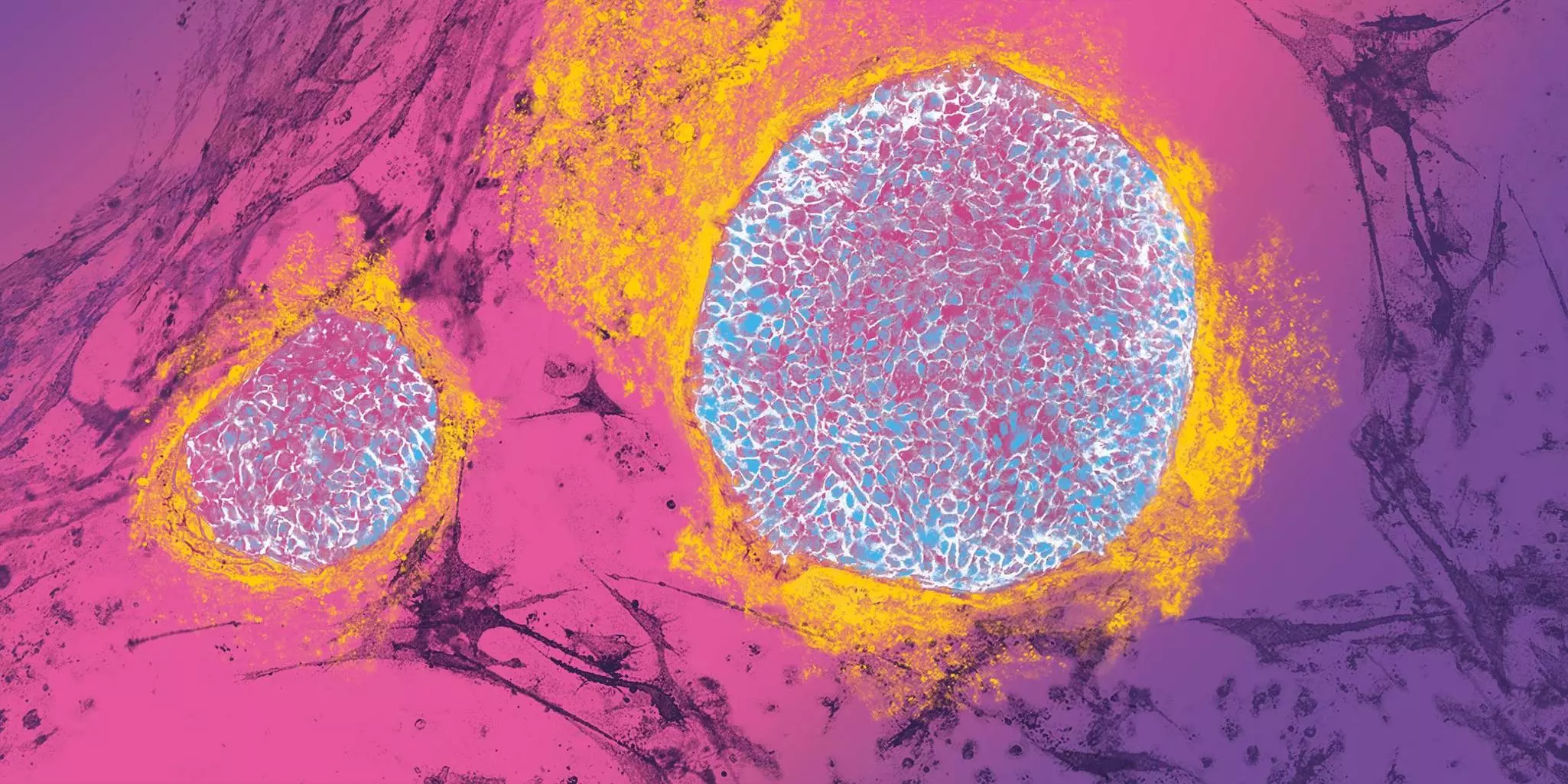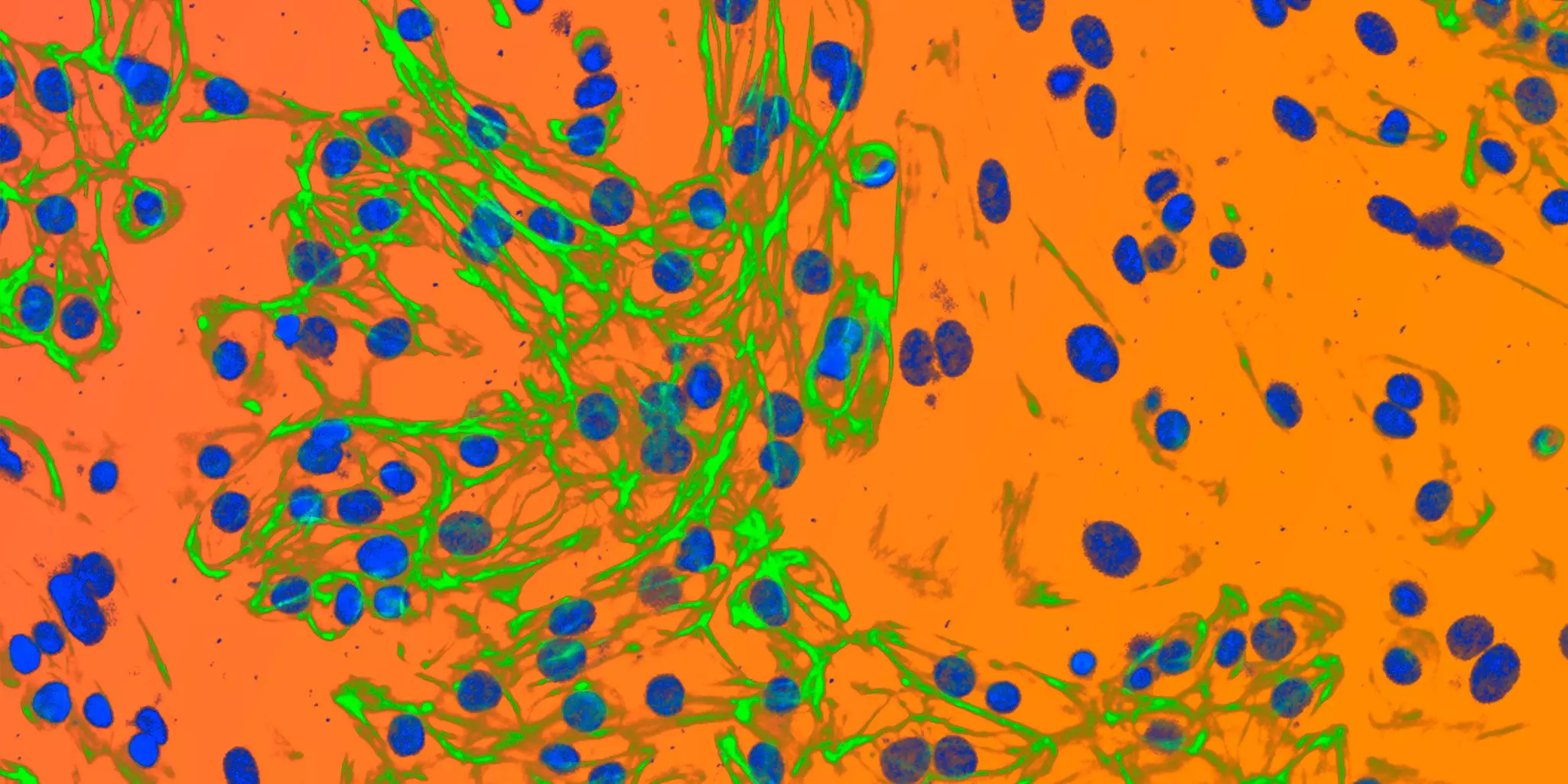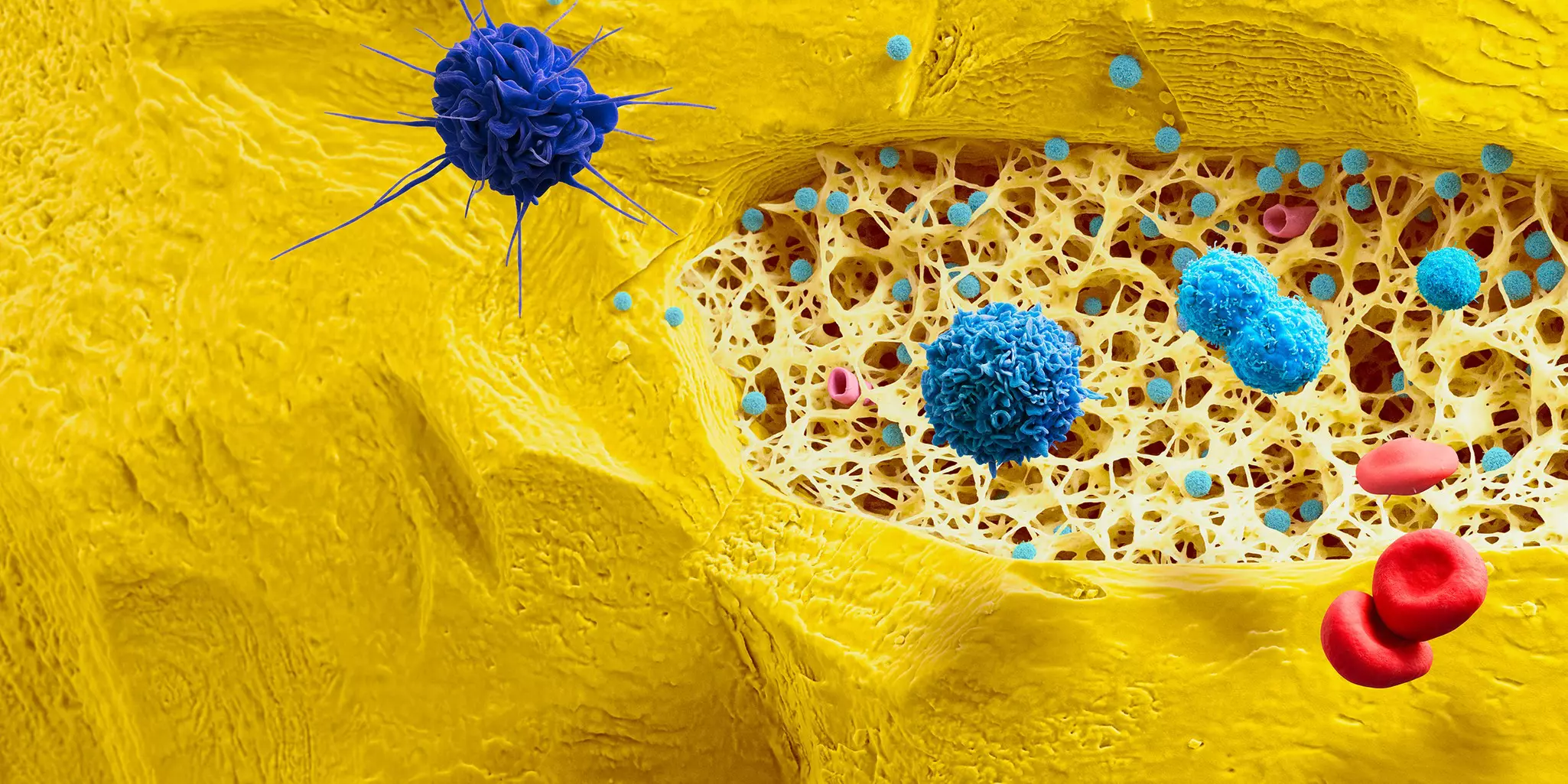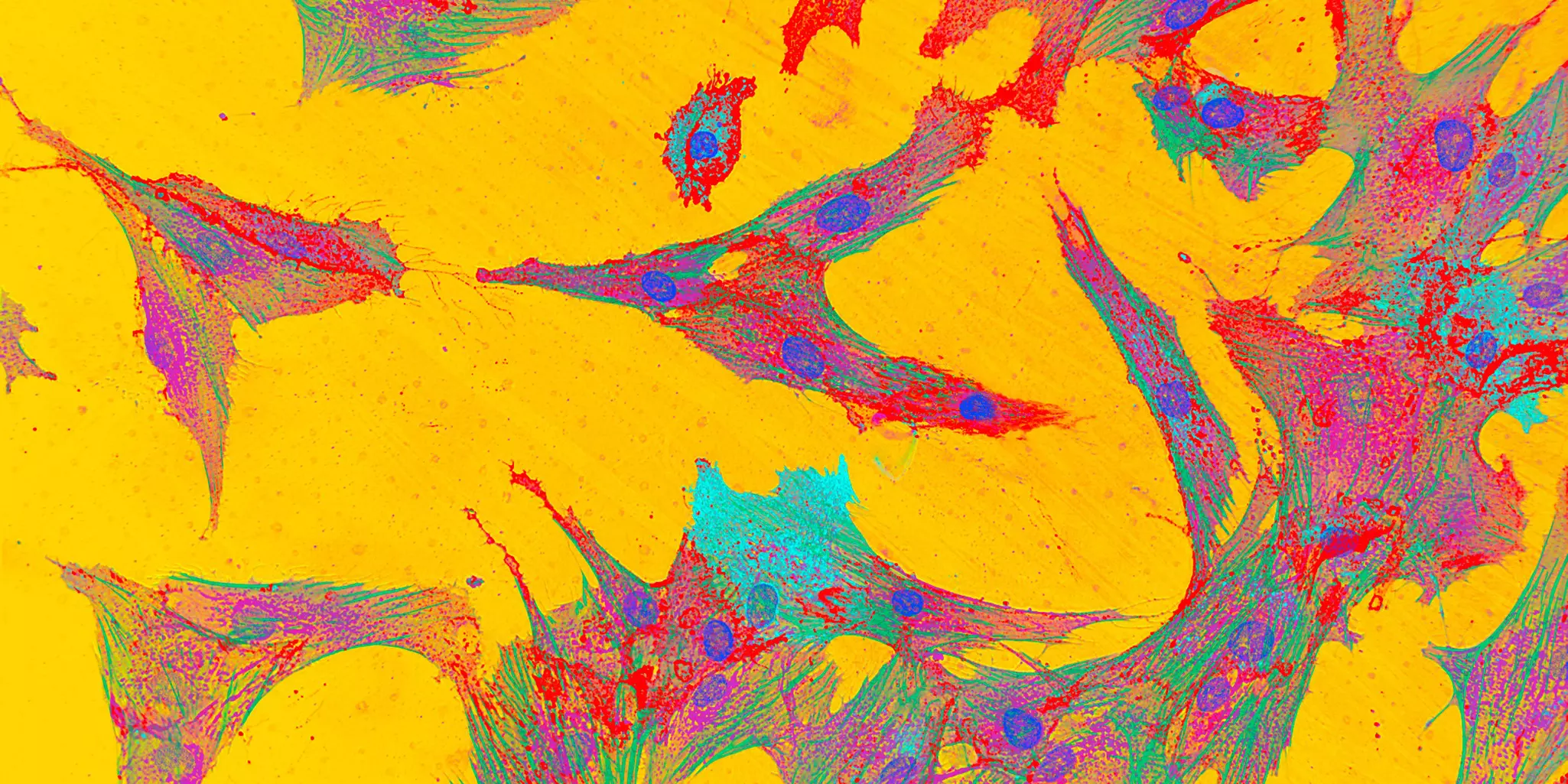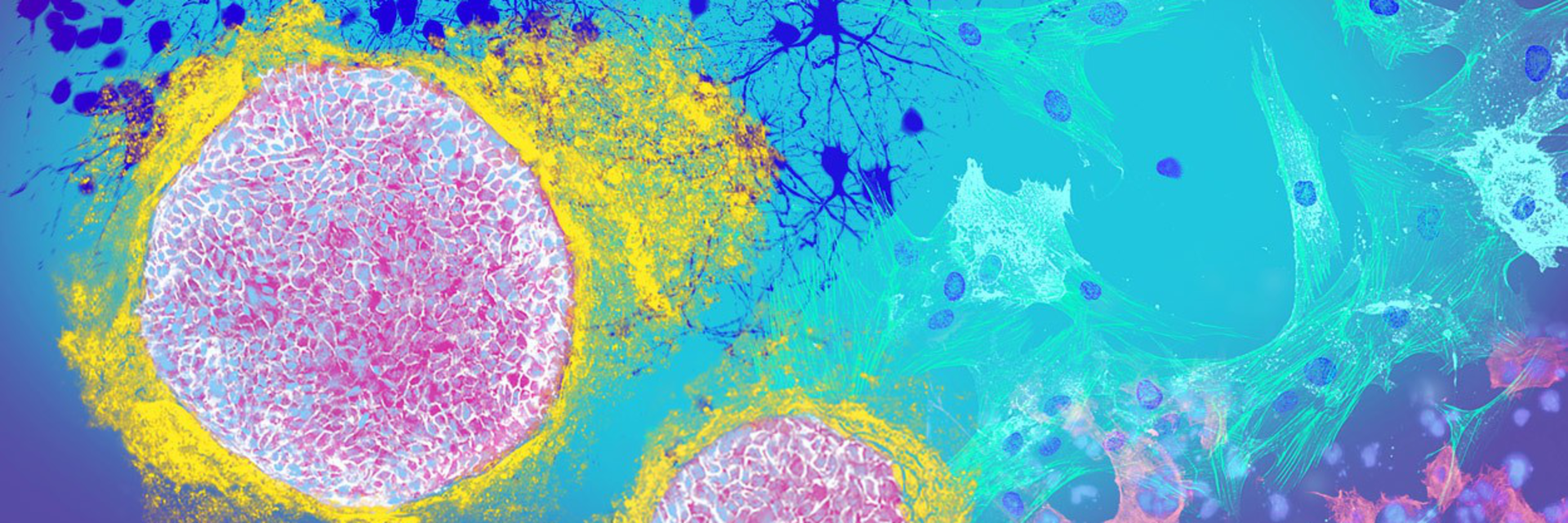
Graphical composition of microscopy images showing cardiomyocytes, PSCs, HSCs and MSCs
Logo

Regenerative medicine

Regenerative medicine has become a key focus worldwide and aims to restore, replace, or regenerate cells, tissues, or even organs by using the potential of stem cells to differentiate into virtually any kind of cell.

Take advantage of our innovative tools, products, and educational assets for basic as well as translational and clinical research. We offer translatable solutions that grow with your vision.

Choose your topic of interest

PSCs and PSC-derived cells

Picture iPS Reprog Fibroblasts

Induced pluripotent and embryonic stem cell research workflow for culture and maintenance

High-quality human pluripotent stem cell (PSC) lines, either embryonic or induced pluripotent stem cells, are the foundation for any successful and reproducible PSC research. Choosing the most supportive cell culture conditions is critical when expanding, passaging, or cryopreserving PSCs, as only high-quality lines show pluripotent characteristics and successfully pass all mandatory characterization assays.

Picture Immunofluorescene

Pluripotent stem cell (PSC) differentiation into cardiomyocytes

Directed cardiomyocyte differentiation of human induced pluripotent stem cells (hPSCs) is a major tool for development of disease models, drug screening platforms, and cellular therapies. Our workflow offers consistent, timesaving, and reliable hPSC differentiation solutions resulting in cardiomyocytes ready for any downstream application.

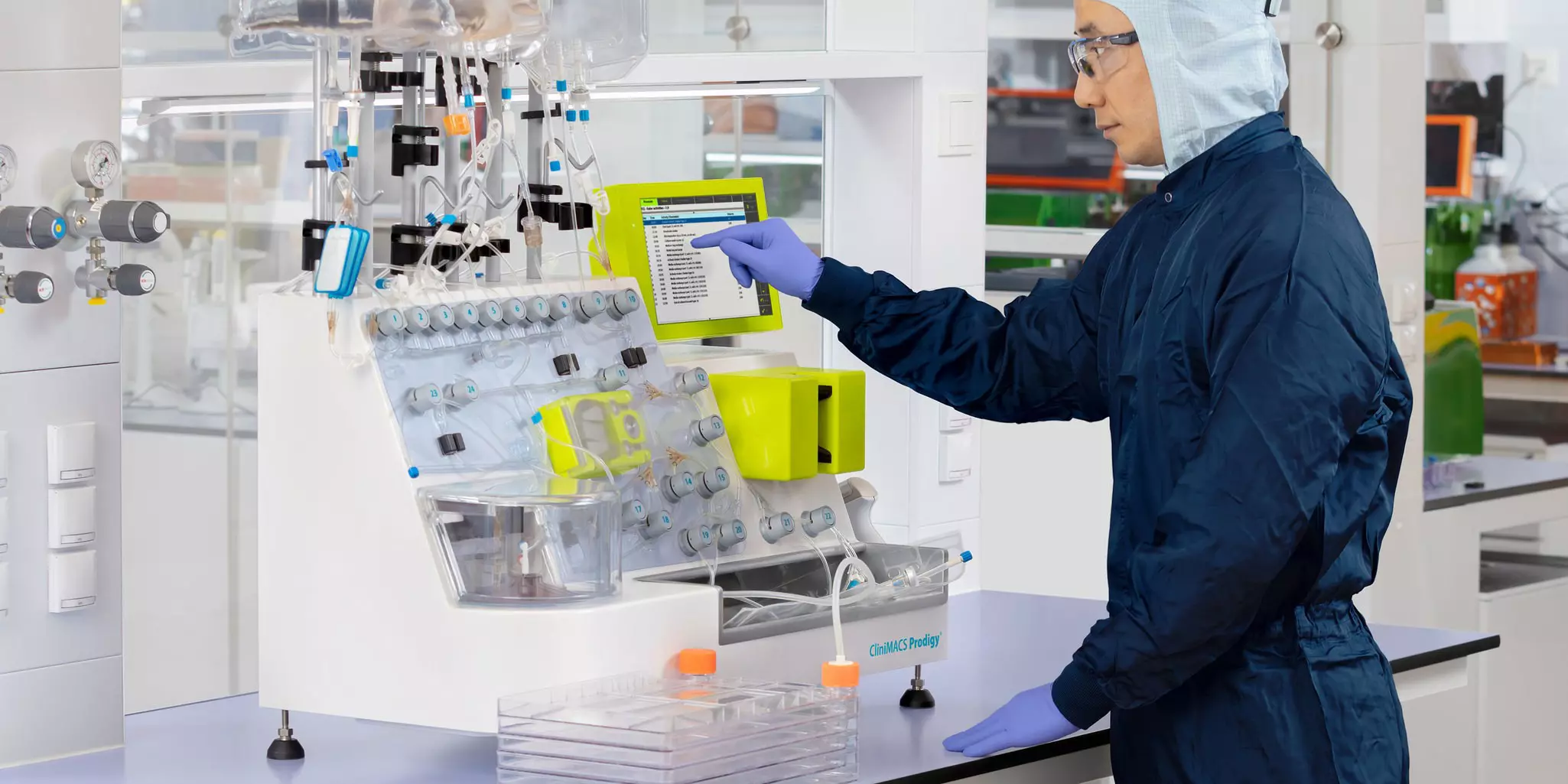
Picture CiniMACS Prodigy

Pluripotent stem cell banking and differentiation

Human pluripotent stem cells (PSCs), including induced pluripotent stem cells (iPS cells) and embryonic stem cells (ES cells), can self-renew infinitely and give rise to cells of all three germ layers, thus holding great promise in regenerative therapies. However, with varying cell type needs and technical challenges influencing cell manufacturing, the ability to leverage automation, process integrity, quality, and scalability becomes vital for success. The CliniMACS Prodigy® Adherent Cell Culture process, together with the GMP compliant CliniMACS Prodigy Tubing Set 730, meets the demands for automated, closed, and scalable manufacturing of PSCs and their derivatives for clinical applications.

Explore the application pages to extend your knowledge our various workflows, application data, and protocols for your PSC expansion and differentiation processes.

HSCs

Picture Hematopoietic stem cells

Retroviral transduction of hematopoietic stem cells (HSCs)

Whatever your experimental needs, our dependable solutions provide vital support for you and your HSC research. With delicate HSC isolation protocols for your cell lines and the use of our MACS® MicroBead Technology, the potential for reliable retroviral transduction, in vitro expansion, culture media and phenotypic flow cytometric analysis ensures an accurate multiparameter analysis of intracellular markers, and provides seamless integration and reliability.

Picture Hematopoietic stem cells

Manufacturing of gene-engineered hematopoietic stem cells

The CliniMACS Prodigy Hematopoietic Stem Cell Engineering (HSCE) process automates manufacturing of gene-engineered hematopoietic stem cells (HSCs) by viral transduction of CD34+ cells. Manufacturing takes place in sterile and single-use tubing sets connected to the CliniMACS Prodigy Instrument, providing a functionally closed system. Its robust performance reduces donor variations while the flexible software allows for easy conversion of manual processes.

Allogeneic cell therapies

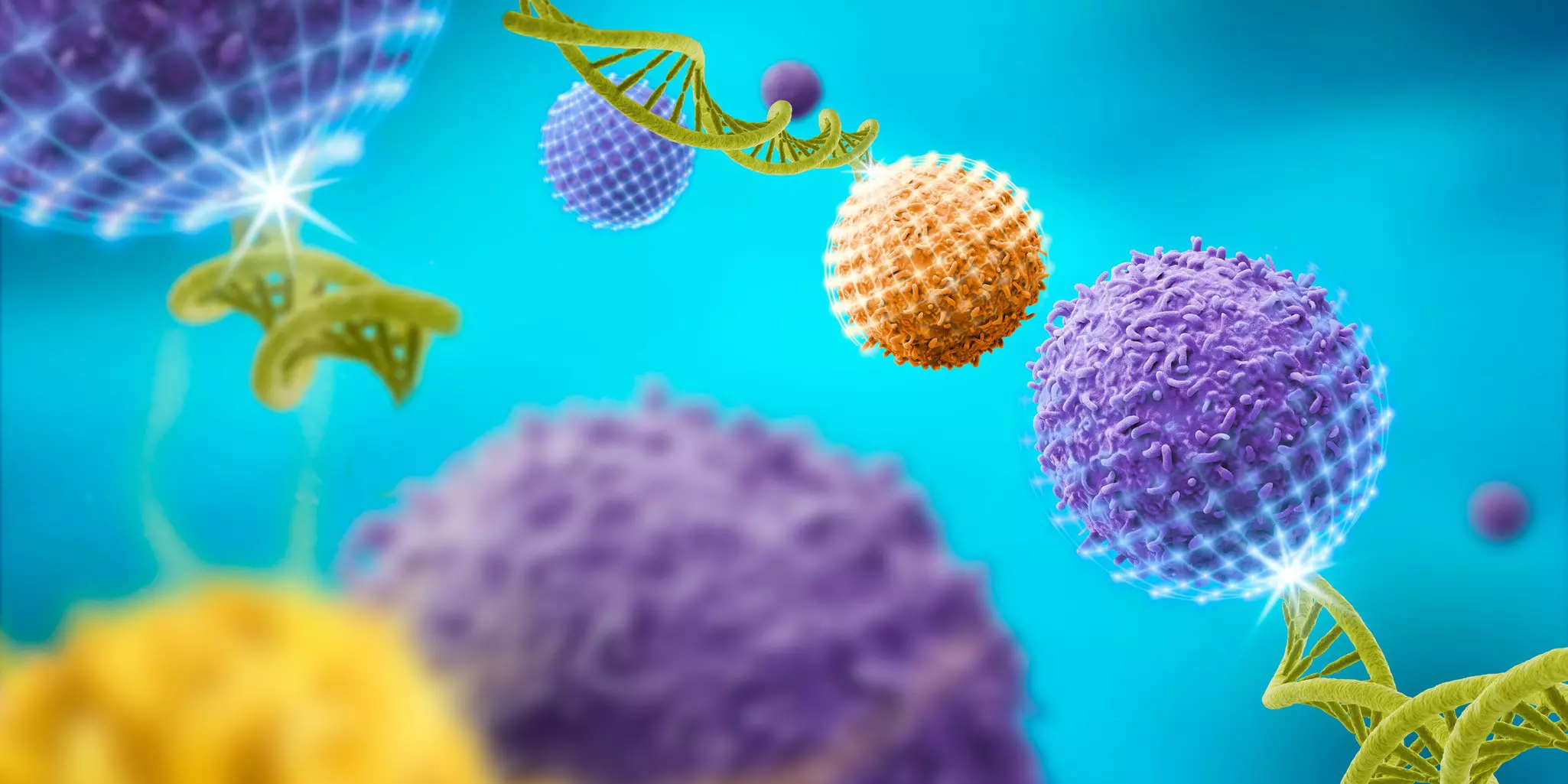
3D image of immune cells and DNA helixes

Enabling allogeneic cell therapy manufacturing

At Miltenyi Biotec, we support the entire spectrum of cell therapy modalities, empowering both autologous and allogeneic approaches whether in clinical research or commercial settings.

Our CliniMACS® Instruments, consumables, and reagents provide essential tools needed to achieve optimal growth conditions and create streamlined scalable allogeneic workflows. With flexibility built in, you can seamlessly integrate external expansion systems, such as bioreactors, to meet diverse manufacturing needs. This adaptability makes it easier to advance modalities like allogeneic stem cell therapy or allogeneic CAR T cell therapy.

MSCs

Microscopic image showing mesenchymal stem cells

Mesenchymal stem cell expansion in a GMP-compliant, closed, and automated system

Enable mesenchymal stem cell (MSC) expansion with the closed and GMP-compliant CliniMACS Prodigy® Adherent Cell Culture process on the CliniMACS Prodigy. The process supports all steps from the isolation of bone marrow (BM) mononuclear cells to adherent culture of MSCs and the final cell product.

The following workflow focuses on bone marrow as the starting material; however, it can be used with enzymatically digested umbilical cord, adipose tissue, and even whole blood.