
Selected cell and gene therapy references by disease indication
For over 25 years, Miltenyi Biotec has been at the forefront of advancing cell and gene therapies, supporting the journey from early research to clinical manufacturing. By empowering clinicians, researchers, and manufacturers with innovative technologies and expertise, we enable standardized, efficient, and safe workflows across diverse therapeutic areas.
At the heart of this progress are the CliniMACS® Instruments and MACSQuant® Analyzers, equipping researchers and clinical scientists with the tools needed to develop and manufacture cell therapies with precision and reliability.
The following reference list highlights publications where our solutions have contributed to the development and clinical application of cell therapies. Organized by disease indication, these examples demonstrate our global role in advancing innovation across immuno-oncology, graft engineering, autoimmune diseases, regenerative medicine, and beyond. All of them are helping bring cutting-edge science into clinical practice.
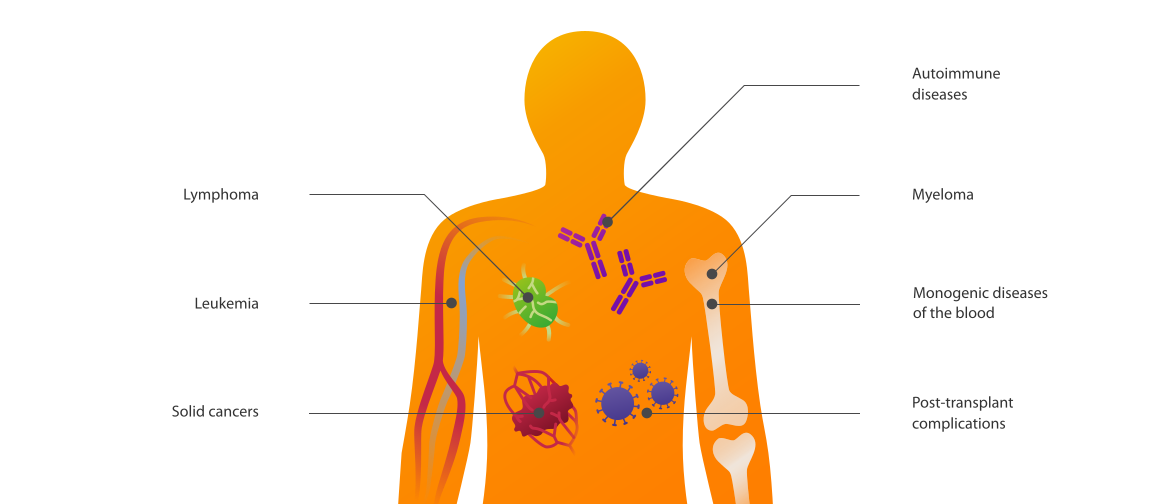
Navigate references by indication


Lymphoma
Publication
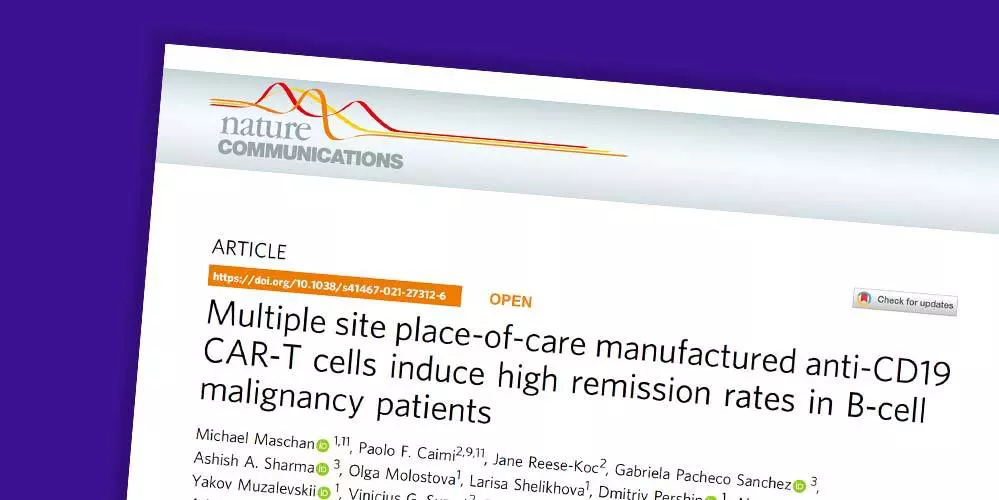
Multiple site place-of-care manufactured anti-CD19 CAR-T cells induce high remission rates in B-cell malignancy patients
Maschan, M. et al. (2021) Nature Comm. 12: 7200.
Anti-CD19 CAR T cells manufactured at the point of care in two countries enabled product harvest in as little as 8 days to treat relapsed/refractory pediatric acute lymphocytic leukemia (ALL) and adult non-Hodgkin's lymphoma patients.
Additional publications
- Shah, N. N. et al. (2025) Phase I/II study of adaptive manufactured lentiviral anti-CD20/anti-CD19 chimeric antigen receptor T cells for relapsed, refractory mantle cell lymphoma. J. Clin. Oncol. 43: 2285–2295. | Read article
- Ghobadi, A. et al. (2025) Treatment of non-Hodgkin lymphoma with point-of-care manufactured CAR T cells: a dual institution, phase 1 trial. EClinicalMedicine 81: 103138. | Read article
- Luanpitpong, S. et al. (2024) Point-of-care manufacturing of anti-CD19 CAR-T cells using a closed production platform: Experiences of an academic in Thailand. Mol. Ther. Oncol. 32: 200889. | Read article
- Zhang, Y. et al. (2023) Safety and efficacy of a novel anti-CD19 chimeric antigen receptor T cell product targeting a membrane-proximal domain of CD19 with fast on- and off-rates against non-Hodgkin lymphoma: a first-in-human study. Mol. Cancer 22: 200. | Read article
- Bold, A. et al. (2023) Haploidentical γδ T cells induce complete remission in chemorefractory B-cell non-Hodgkin Lymphoma. J. Immunother. 46: 56–58. | Read article
- Ortíz-Maldonado, V. et al. (2021) CART19-BE-01: A multicenter trial of ARI-0001 cell therapy in patients with CD19+ relapsed/refractory malignancies. Mol. Ther. 29: 636–644. | Read article
- Jackson, Z. et al. (2020) Automated manufacture of autologous CD19 CAR-T cells for treatment of non-Hodgkin's lymphoma. Front. Immunol. 11: 01941. | Read article
- Castella, M. et al. (2020) Point-of-care CAR T-cell production (ARI-0001) using a closed semi-automatic bioreactor: experience from an academic phase I clinical trial. Front. Immunol. 11: 00482. | Read article
- Liu, E. et al. (2020) Use of CAR-transduced natural killer cells in CD19-positive lymphoid tumors. N. Engl. J. Med. 382: 545–553. | Read article
Leukemia
Publication
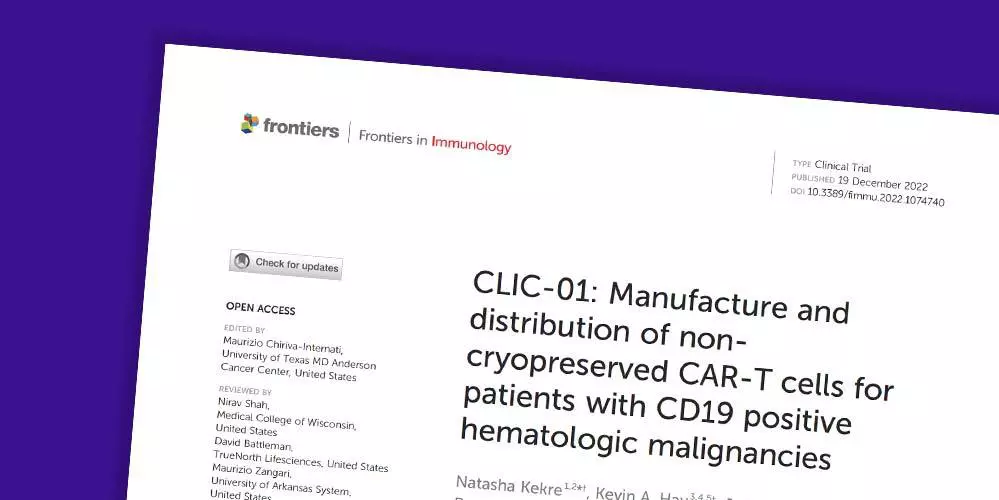
CLIC-01: Manufacture and distribution of non-cryopreserved CAR-T cells for patients with CD19 positive hematologic malignancies
Kekre, N. et al. (2022) Front. Immunol. 13: 1074740
A GMP-compliant in-house process is examined in the Canadian healthcare system as a solution for sustainable cell therapy programs for acute lymphoblastic leukemia (ALL), chronic lymphocytic leukemia (CLL), and B-cell non-Hodgkin’s lymphoma (NHL).
Publication
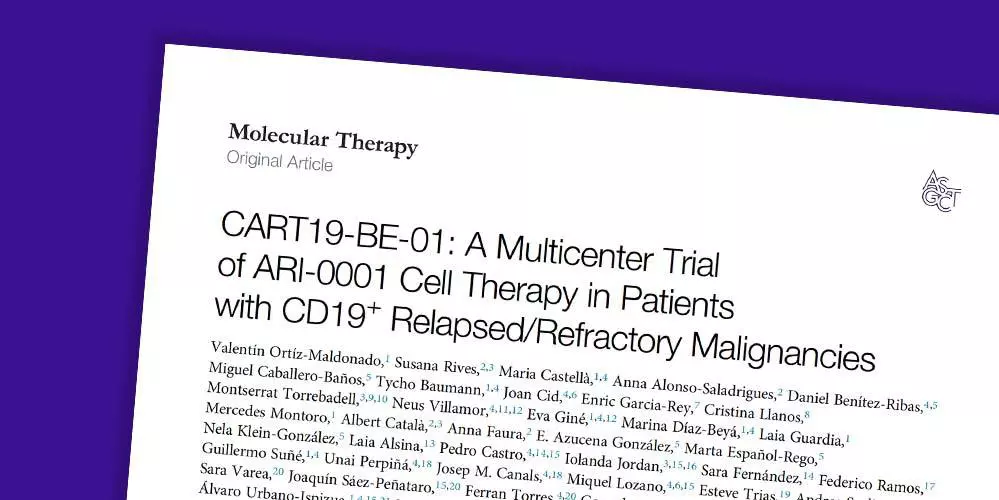
CART19-BE-01: A multicenter trial of ARI-0001 cell therapy in patients with CD19+ relapsed/refractory malignancies
Ortíz-Maldonado, V. et al. (2020) Mol. Ther. 29: P636.
Thirty-nine leukemia patients received the anti-CD19 CAR T cell therapy, ARI-0001, after treatment with cyclophosphamide and fludarabine. Observed rates of cytokine release syndrome and neurotoxicity were comparable to other available products. Overall survival was 68.6% at 1 year.
Additional publications
- Palani, H. K. et al. (2025) Safety, efficacy and total cost of point-of-care manufactured anti-CD19 CAR-T cell therapy in India: VELCART trial. Mol. Ther. Oncol. 33: 200977. | Read article
- Malakhova, E. et al. (2024) Extended characterization of anti-CD19 CAR T cell products manufactured at the point of care using the CliniMACS Prodigy® system: Comparison of donor sources and process duration. Cytotherapy 26: 567–578. | Read article
Bader, C. S. et al. (2024) Single-center randomized trial of T-reg graft alone vs T-reg graft plus tacrolimus for the prevention of acute GVHD. Blood Adv. 8: 1105–1115. | Read article - Kulkarni, U. et al. (2023) Haploidentical Natural Killer cell therapy as an adjunct to stem cell transplantation for treatment of refractory acute myeloid leukemia. Cell Transplant. 32: 9636897231198178. | Read article
- Meazza, R. et al. (2023) Donor selection for adoptive immunotherapy with NK cells in AML patients: Comparison between analysis of lytic NK cell clones and phenotypical identification of alloreactive NK cell repertoire. Front. Immunol. 14: 1111419. | Read article
- Del Bufalo, F. et al. (2023) Allogeneic, donor-derived, second-generation, CD19-directed CAR-T cells for the treatment of pediatric relapsed/refractory BCP-ALL. Blood 142: 146–157. | Read article
- Palani, H. K. et al. (2023) Decentralized manufacturing of anti CD19 CAR-T cells using CliniMACS Prodigy: real-world experience and cost analysis in India. Bone Marrow Transplant. 58: 160–167. | Read article
- Berrien-Elliott, M. M. et al. (2022) Systemic IL-15 promotes allogeneic cell rejection in patients treated with natural killer cell adoptive therapy. Blood 139: 1177–1183. | Read article
- Berrien-Elliott, M. M. et al. (2022) Hematopoietic cell transplantation donor-derived memory-like NK cells functionally persist after transfer into patients with leukemia. Sci. Transl. Med. 14: eabm1375. | Read article
- Parisi, S. et al. (2022) Long-term outcome after adoptive immunotherapy with Natural Killer cells: Alloreactive NK cell dose still matters. Front. Immunol. 12: 804988. | Read article
- Ramakrishnan, S. et al. (2022) Should we adopt an automated decentralized model of chimeric antigen receptor-T cell manufacturing for low- and middle-income countries? A real world perspective. Front. Oncol. 12: 1062296. | Read article
- Rubio-Azpeitia, E. et al. (2022) Clinical grade production of IL-15 stimulated NK cells for early infusion in adult AML patients undergoing haploidentical stem cell transplantation with post-transplant cyclophosphamide. Transfusion 62: 374–385. | Read article
- Devillier, R. et al. (2021) Phase I trial of prophylactic donor-derived IL-2-activated NK cell infusion after allogeneic hematopoietic stem cell transplantation from a matched sibling donor. Cancers 13: 2673. | Read article
- Maschan, M. et al. (2021) Multiple site place-of-care manufactured anti-CD19 CAR-T cells induce high remission rates in B-cell malignancy patients. Nature Comm. 12: 7200. | Read article
- Castella, M. et al. (2020) Point-of-care CAR T-cell production (ARI-0001) using a closed semi-automatic bioreactor: Experience from an academic phase I clinical trial. Front. Immunol. 11: 00482. | Read article
Solid cancers
Publication
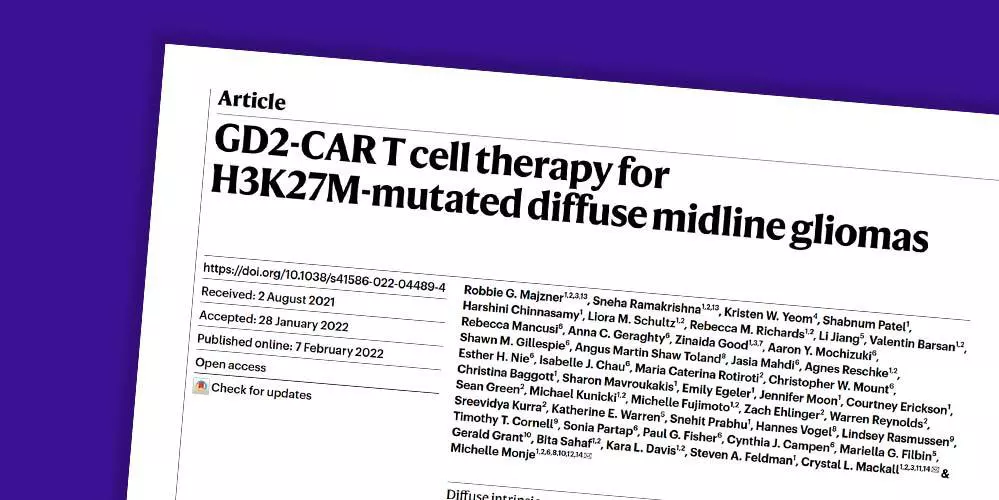
GD2-CAR T cell therapy for H3K27M-mutated diffuse midline gliomas
Majzner, R. G. et al. (2022) Nature 603: 934.
A first-in-human phase I clinical trial examined the use of CAR T cells directed against the disialoganglioside GD2 in four patients with diffuse intrinsic pontine glioma or diffuse midline glioma. Toxicity was reversible with intensive supportive care, and three of four patients exhibited clinical improvement.
Publication
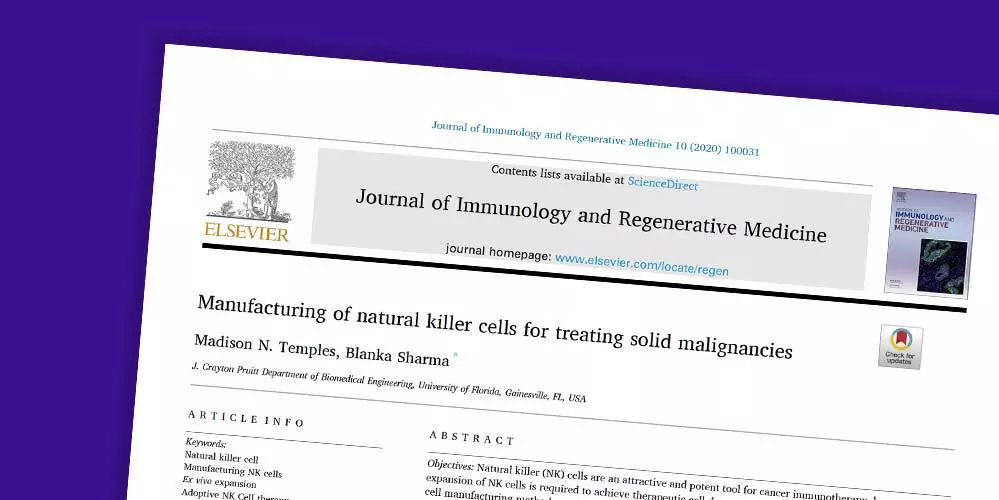
Manufacturing of natural killer cells for treating solid malignancies
Temples, M. N. and Sharma, B. (2020) J. Immunol. Reg. Med. 10: 100031.
Natural killer (NK) cells are an attractive option for developing engineered cell therapies that effectively treat solid tumors. They also enable "off-the-shelf" approaches. This review explores NK cell manufacturing methods used in clinical trials.
Additional publications
- Mahdizadeh, H. et al. (2025) The safety and feasibility of multiple intrathecal injections of allogenic NK cells in pediatrics with refractory/recurrent brain tumors. BMC Cancer 25: 952. | Read article
- Berneman, Z. N. et al. (2025) Correction: WT1-mRNA dendritic cell vaccination of patients with glioblastoma multiforme, malignant pleural mesothelioma, metastatic breast cancer, and other solid tumors: type 1 T-lymphocyte responses are associated with clinical outcome. J. Hematol. Oncol. 18: 34. | Read article
- Brennan, P. N. et al. (2025) Autologous macrophage therapy for liver cirrhosis: A phase 2 open-label randomized controlled trial. Nat. Med. 31: 979–987. | Read article
- Vounckx, M. et al. (2024) A randomized phase II clinical trial of stereotactic body radiation therapy (SBRT) and systemic pembrolizumab with or without intratumoral avelumab/ipilimumab plus CD1c (BDCA-1)+/CD141 (BDCA-3)+ myeloid dendritic cells in solid tumors. Cancer Immunol. Immunother. 73: 167. | Read article
- van 't Land, F. R. et al. (2024) Dendritic cell-based immunotherapy in patients with resected pancreatic cancer. J. Clin. Oncol. 42: 3083–3093. | Read article
- Aerts, J. G. et al. (2024) Dendritic cells loaded with allogeneic tumour cell lysate plus best supportive care versus best supportive care alone in patients with pleural mesothelioma as maintenance therapy after chemotherapy (DENIM): A multicentre, open-label, randomised, phase 2/3 study. Lancet Oncol. 25: 865–878. | Read article
- Tijtgat, J. et al. (2024) Intratumoral administration of the immunologic adjuvant AS01B in combination with autologous CD1c (BDCA-1)+/CD141 (BDCA-3)+ myeloid dendritic cells plus ipilimumab and intravenous nivolumab in patients with refractory advanced melanoma. J. Immunother. Cancer. 12: e008148. | Read article
- Fischer-Riepe, L. et al. (2024) Preclinical development of CAR T cells with antigen-inducible IL18 enforcement to treat GD2-positive solid cancers. Clin. Cancer Res. OF1–OF14. | Read article
- Schreibelt, G. et al. (2024) Fully closed and automated enrichment of primary blood dendritic cells for cancer immunotherapy. Methods Cell Biol. 183: 33–50. | Read article
- Vincent, B. G. et al. (2023) Efficacy of a dual-epitope dendritic cell vaccine as part of combined immunotherapy for HER2-expressing breast tumors. J. Immunol. 211: 219–228. | Read article
- Schwarze, J. K. et al. (2022) Intratumoral administration of CD1c (BDCA-1)+ and CD141 (BDCA-3)+ myeloid dendritic cells in combination with talimogene laherparepvec in immune checkpoint blockade refractory advanced melanoma patients: a phase I clinical trial. J. Immunother. Cancer 10: e005141 | Read article
- Lau, S. P. et al. (2022) Autologous dendritic cells pulsed with allogeneic tumour cell lysate induce tumour-reactive T-cell responses in patients with pancreatic cancer: a phase I study. European J. Cancer 169: P20–31. | Read article
- Bloemendal, M. et al. (2021) Immunological responses to adjuvant vaccination with combiend CD1c+ myeloid and plasmacytoid dendritic cells in stage III melanoma patients. Oncoimmunol. 11: 2015113. | Read article
- Aerts, J. G. J. V. et al. (2018) Autologous dendritic cells pulsed with allogeneic tumor cell lysate in mesothelioma: from mouse to human. Clin. Cancer Res. 24: 766–776. | Read article
Autoimmune diseases
Publication
Anti-CD19 CAR T cell therapy for refractory systemic lupus erythematosus
Mackensen, A. et al. (2022) Nature Med. 28: 2124.
Five patients suffering from systemic lupus erythematosus (SLE) and unresponsive to standard therapy were treated with autologous T cells transduced with an anti-CD19 lentiviral CAR. After treatment, B cells decreased significantly, symptoms improved, and laboratory parameters normalized. Data suggested that CD19 CAR T cell transfer is feasible, tolerable, and highly effective in SLE.
Publication
CD34-selected versus unmanipulated autologous hematopoietic stem cell transplantation in the treatment of severe systemic sclerosis: a post hoc analysis of a phase I/II clinical trial conducted in Japan
Ayano, M. et al. (2019) Arthritis Res. Ther. 21: 30.
Systemic sclerosis patients were treated with either unmanipulated HSCT or a CD34-selected graft. The condition improved in both patient groups, but improvements were greater in the CD34-selected group. The authors conclude that use of the selected HSCT "may offer an excellent benefit-to-risk balance."
Additional publications
- Mougiakakos, D. et al. (2025) Successful generation of fully human, second generation, anti-CD19 CAR T cells for clinical use in patients with diverse autoimmune disorders. Cytotherapy 27: 236–246. | Read article
- Auth, J. et al. (2025) CD19-targeting CAR T-cell therapy in patients with diffuse systemic sclerosis: A case series. Lancet Rheumatol. 7: e83–e93. | Read article
- Müller, F. et al. (2024) CD19 CAR T-cell therapy in autoimmune disease - a case series with follow-up. N. Engl. J. Med. 390: 687–700. | Read article
- Krickau, T. et al. (2024) CAR T-cell therapy rescues adolescent with rapidly progressive lupus nephritis from haemodialysis. Lancet 403: 1627–1630. | Read article
- Hagen, M. et al. (2024) Treatment of CNS systemic lupus erythematosus with CD19 CAR T cells. Lancet 404: 2158–2160. | Read article
- Bergmann, C. et al. (2023) Treatment of a patient with severe systemic sclerosis (SSc) using CD19-targeted CAR T cells. Ann. Rheum. Dis. 82: 1117–1120. | Read article
- Müller, F. et al. (2023) CD19-targeted CAR T cells in refractory antisynthetase syndrome. Lancet 401: 815–818. | Read article
- Pecher, A.-C. et al. (2023) CD19-targeting CAR T cells for myositis and interstitial lung disease associated with antisynthetase syndrome. JAMA 329: 2154–2162. | Read article
- Sullivan, K.M. et al. (2018) Myeloablative autologous stem-cell transplantation for severe scleroderma. N. Engl. J. Med. 378:35-47. | Read article
- Keever-Taylor, C. A. et al. (2017) Manufacture of autologous CD34+ selected grafts in the NIAID-sponsored HALT-MS and SCOT multicenter clinical trials for autoimmune diseases. Biol. Blood Marrow Transplant. 23:1463–1472. | Read article
- Oliveira, M. C. et al. (2016) Does ex vivo CD34+ positive selection influence outcome after autologous hematopoietic stem cell transplantation in systemic sclerosis patients? Bone Marrow Transplant. 2016, 51:501–505. | Read article
Myeloma
Publication
Long-term follow-up of ARI0002h (cesnicabtagene autoleucel), an academic point-of-care B-cell maturation antigen (BCMA)-directed chimeric antigen receptor (CAR) T-cell strategy: activity and safety after fractionated initial therapy and booster dose in 60 patients with relapsed/refractory multiple myeloma (RRMM).
Fernandez de Larrea, C. et al. (2024) J. Clin. Oncol. 42: suppl.7544.
A multicenter study examined the fractionated and booster administration of an anti-BCMA CAR T cell therapy produced at the point of care. Results from patients with heavily treated multiple myeloma indicate a deep and sustained response, with low toxicity and a confirmed safety profile.
Monogenic diseases of the blood
Publication
Automated good manufacturing practice-compatible CRISPR-Cas9 editing of hematopoietic stem and progenitor cells for clinical treatment of β-hemoglobinopathies
Ureña-Bailén, G. et al. (2023) CRISPR J. 6: 5.
In an automated, clinical-scale production process, CD34+ hematopoietic stem and progenitor cells were electroporated with CRISPR-Cas9 targeting the BCL11A erythroid-specific enhancer. The process yielded high editing efficiency, and analyses showed evidence of fetal hemoglobin resurgence in edited samples.
Publication
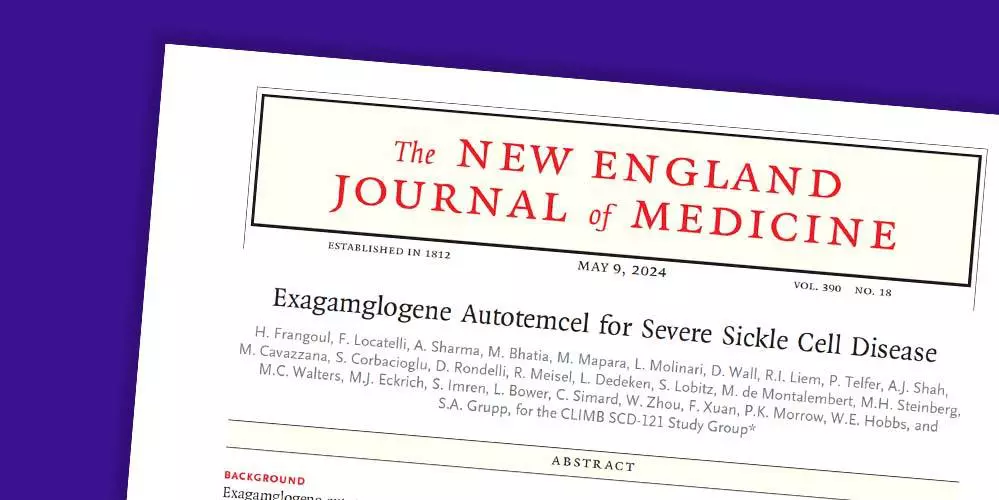
Exagamglogene autotemcel for severe sickle cell disease
Frangoul, H. et al. (2024) N. Engl. J. Med. 390: 1649.
A phase III clinical trial demonstrates that treatment with exagamglogene autotemcel (exa-cel), a nonviral cell therapy consisting of CRISPR-Cas9–edited CD34+ hematopoietic stem and progenitor cells, eliminates vaso-occlusive crises in sickle cell disease patients for a year or longer.
Additional publications
- Locatelli, F. et al. (2024) Exagamglogene autotemcel for transfusion-dependent β-Thalassemia. N. Engl. J. Med. 390: 1663. | Read article
- Frangoul, H. et al. (2020) CRISPR-Cas9 gene editing for sickle cell disease and β-thalassemia. N. Engl. J. Med. 384: 252–260. | Read article
Post-transplant complications
- Triplett, B. M. et al. (2018) Selective T-cell depletion targeting CD45RA reduces viremia and enhances early T-cell recovery compared with CD3-targeted T-cell depletion. Transpl. Infect. Dis. 20: e12823. | Read article
- Merli, P. et al. (2022) TCRαβ/CD19 depleted HSCT from an HLA-haploidentical relative to treat children with different nonmalignant disorders. Blood Adv. 6: 281–292. | Read article
- Pulsipher, M. A. et al. (2022) KIR-favorable TCR-αβ/CD19-depleted haploidentical HCT in children with ALL/AML/MDS: primary analysis of the PTCTC ONC1401 trial. Blood 140: 2556–2572. | Read article
- Kabat, M. G. et al. (2024) Safety and efficacy of high-dose memory CD45RO+ donor lymphocyte infusion in pediatric recipients after hematopoietic stem cell transplantation. Cytotherapy 26: 1458–1464. | Read article