Selected references -
Engineered T cell manufacturing

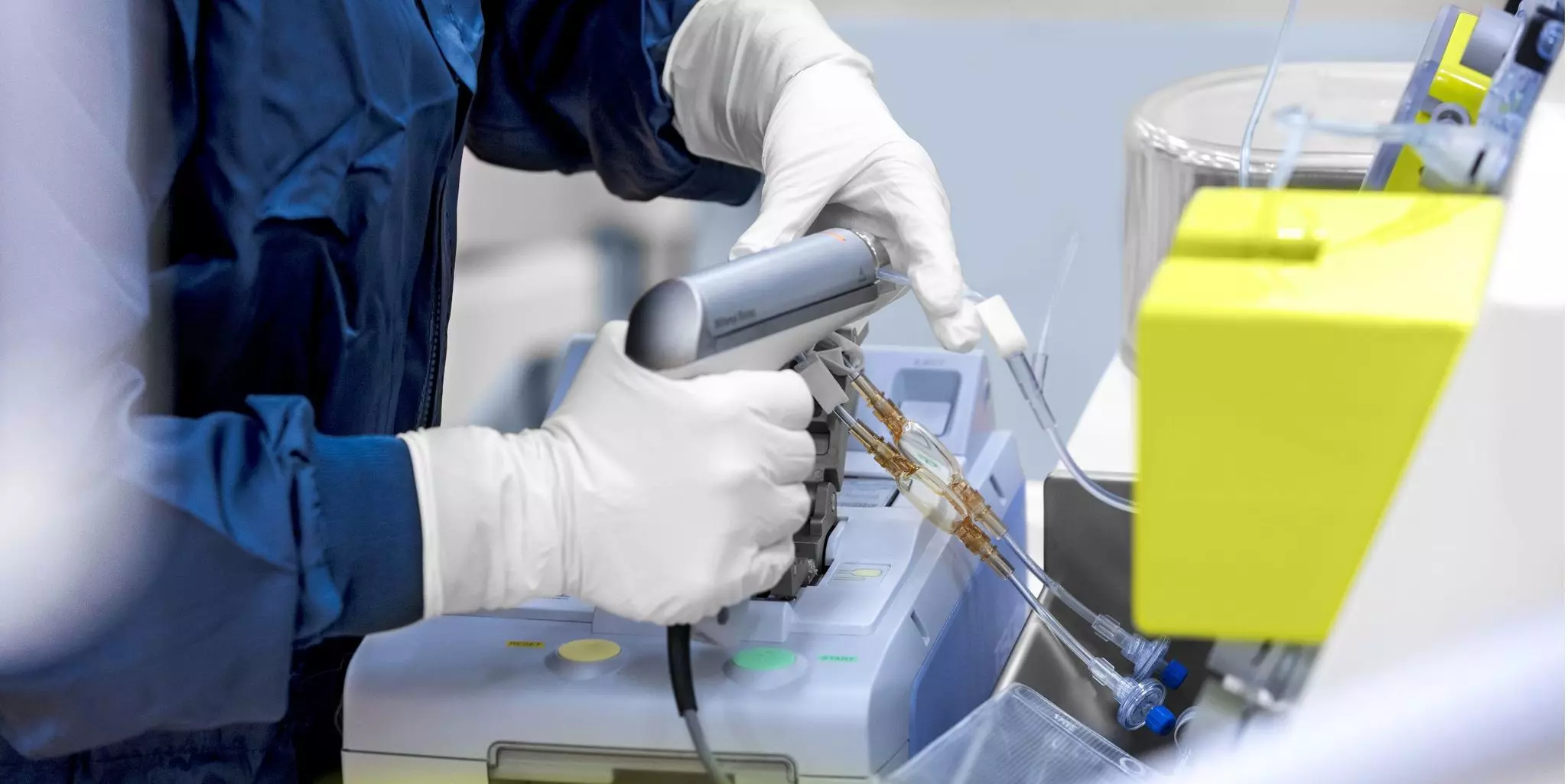
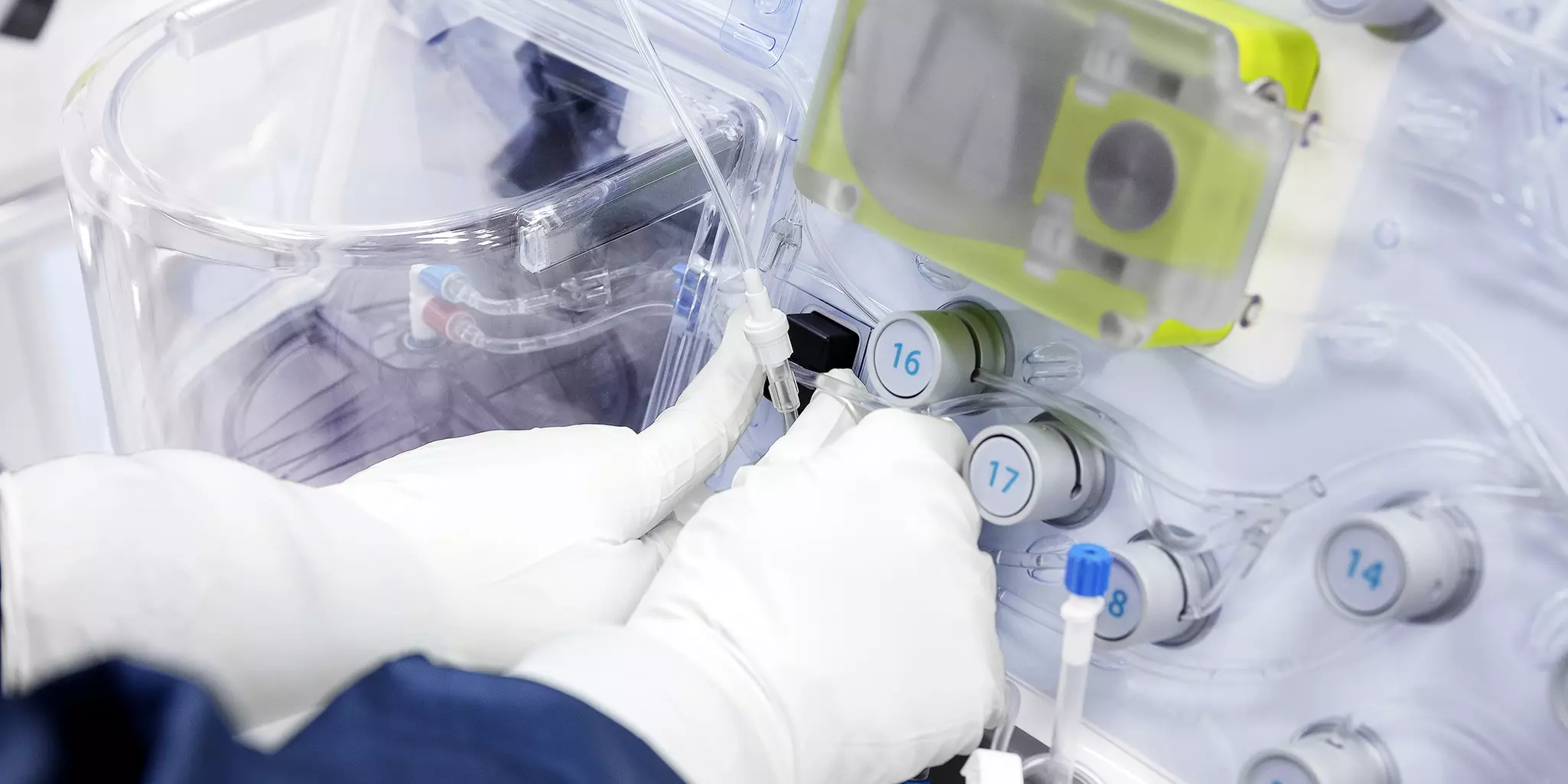
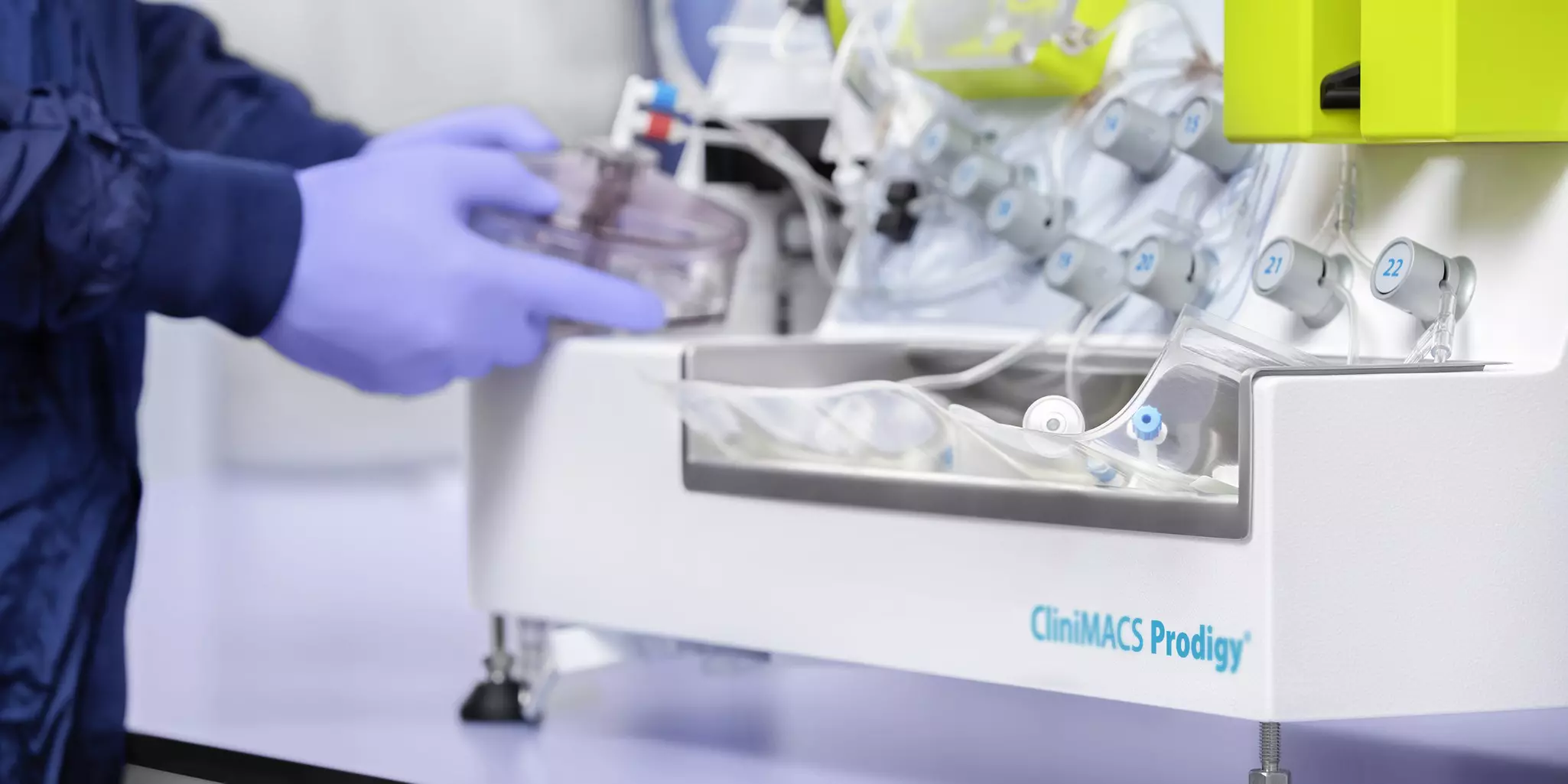
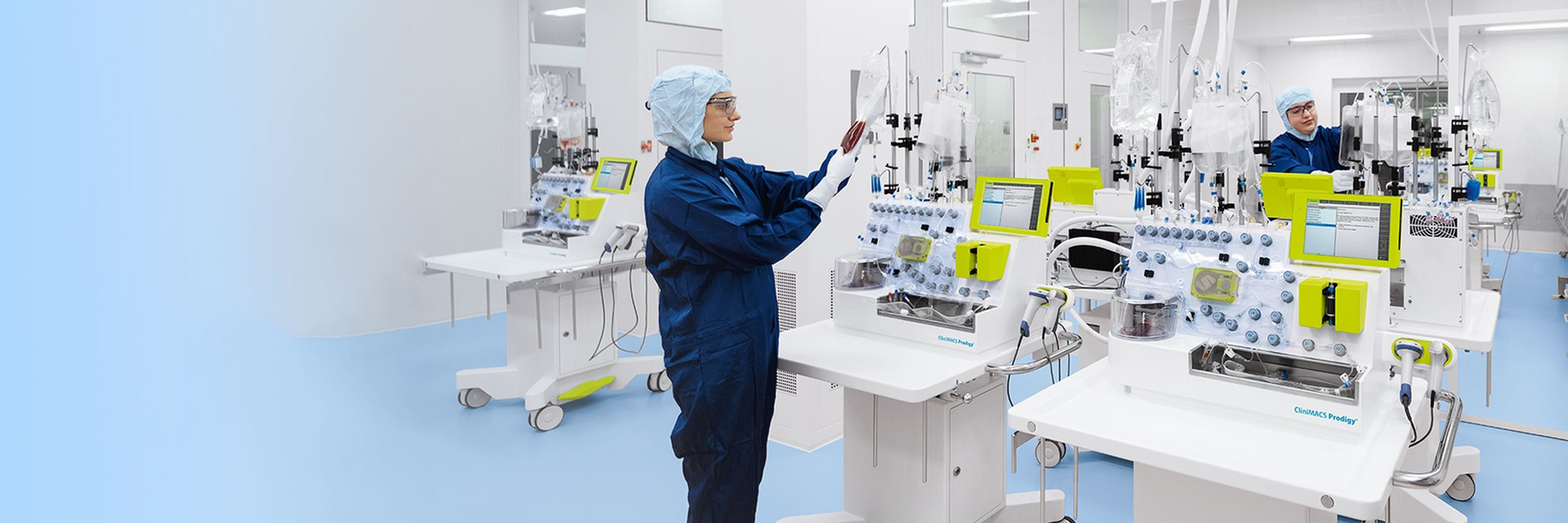
A person in a clean room operating the CliniMACS Prodigy cell manufacturing platform
Logo

Selected references -
Engineered T cell manufacturing

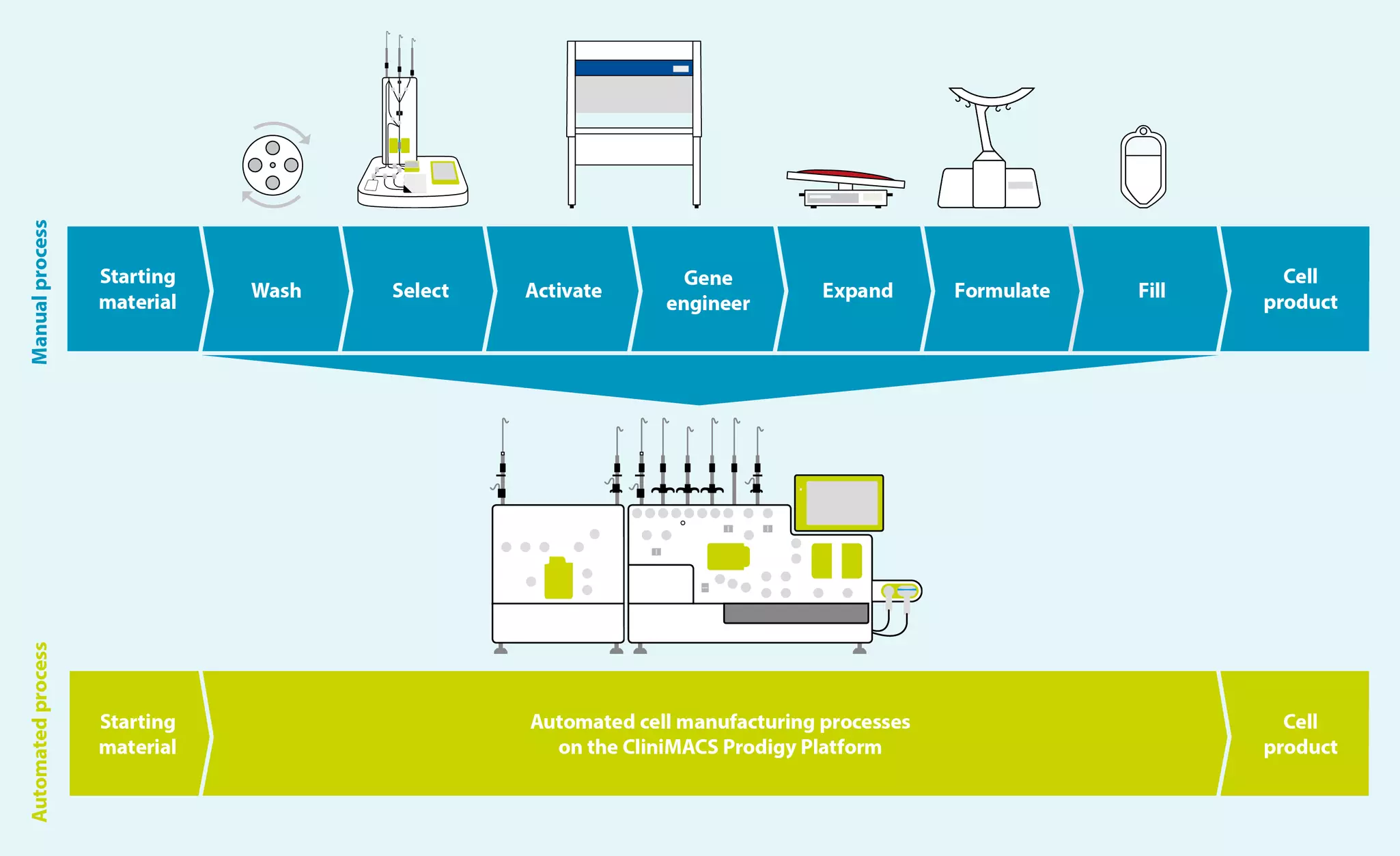
In recent years, engineered T cells have emerged as a promising frontier in treating cancer and immune-related disorders. At the forefront of this revolution stands the CliniMACS Prodigy® Platform empowering researchers and clinical scientists in their quest for innovative therapies.

On this page, we spotlight influential clinical research papers that showcase the pivotal role of the CliniMACS Prodigy in advancing the field.

Content overview

Content

  • CAR T cells in solid tumor
  • TCR-engineered T cells in clinical trials
  • CAR T cells in autoimmunity
  • Point-of-care manufacturing
  • How to shorten the process
  • Non-viral engineering of T cells
  • CAR T cells in hematological diseases
  • T cell subsets
  • Feasibility and comparison studies
  • Allogeneic therapies
  • Other indications

CAR T cells in solid tumor

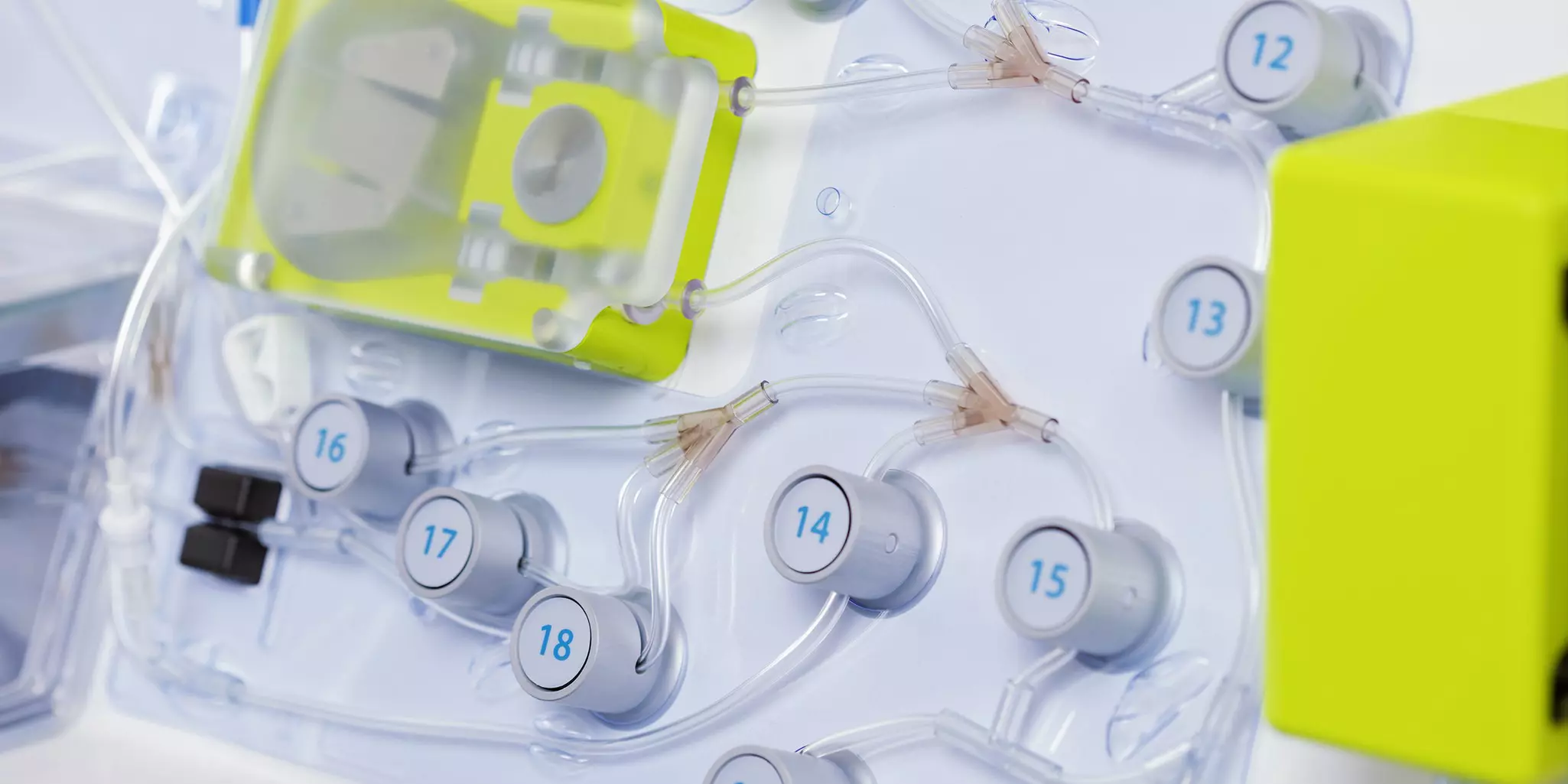
The peristaltic punp of the CliniMACS Prodigy guides liquids through the tubing setThe peristaltic pump of the CliniMACS Prodigy

GD2-CAR T cell therapy for H3K27M-mutated diffuse midline gliomas

Encouraged by preclinical results demonstrating the therapeutic potential of GD2-directed CAR T cells to treat H3K27M-mutated diffuse midline gliomas, Majzner et al. report on initial outcomes of a first-in-human phase I clinical trial using GD2-CAR T cells manufactured on the ClinMACS Prodigy Platform.Three of four treated patients showed clinical and radiographic improvement. Toxicity was associated with tumor location but reversible through supportive care. Transcriptomic analysis of single cells in the CAR T cell products and cerebrospinal fluid explained patient-dependent and administration route-dependent differences in treatment response.

Majzner, R. B. et al. (2022) Nature 603: 934–41. | Read article

GMP-compliant manufacturing of TRUCKs: CAR T cells targeting GD2 and releasing inducible IL-18

Glienke et al. developed IL-18-secreting TRUCKs (T cells redirected for universal cytokine-mediated killing) targeting the tumor antigen GD2 to demonstrate the feasibility of their GMP-compliant manufacture. Using the CliniMACS Prodigy Platform, the team achieved efficient expansion and activation of functional TRUCKs with a manufacturing process that is applicable to the clinical setting.

Glienke, W. et al. (2022) Front. Immunol. 13: 839783. | Read article

“GMP-compliant manufacturing of TRUCKs is feasible and delivers high-quality T cell products.”

Glienke, W. et al. 2022

Additional publications

  • Preclinical development of CAR T cells with antigen-inducible IL18 enforcement to treat GD2-positive solid cancers
    Fischer-Riepe, L. et al. (2024) Clin. Cancer Res. 30: 3564–77. | Read article

  • Preclinical evaluation of novel folate receptor 1-directed CAR T cells for ovarian cancer
    Daigre, J. et al. (2024) Cancers (Basel) 16: 333. | Read article

  • Automated manufacturing and characterization of clinical grade autologous CD20 CAR T cells for the treatment of patients with stage III/IV melanoma
    Aleksandrova, K. et al. (2024) Front. Immunol. 15: 1328368. | Read article

  • Manufacturing and preclinical validation of CAR T cells targeting ICAM-1 for advanced thyroid cancer therapy
    Vedvyas, Y. et al. (2019) Sci. Rep. 9: 10634. | Read article

TCR-engineered T cells in clinical trials

Modular vs. all-in-one manufacturing process for T cell therapies

Development of an automated manufacturing process for large-scale production of autologous T cell therapies

Francis et al. employed the T cell Transduction – Large Scale process on the CliniMACS Prodigy Platform to establish a closed and automated workflow for the production of autologous T cell therapy products.This approach substantially increased the number of cells generated (1.5×10¹⁰ cells after 12 days) without compromising other product attributes. Furthermore, they demonstrated the successful technology transfer of this process into three manufacturing facilities, aiming to improve quality, reproducibility, and cost-effectiveness in delivering engineered T cell therapies to patients.

Francis, N. et al. (2023) Mol. Ther. Methods Clin. Dev. 31: 101114. | Read article

“Increased automation can improve quality and reproducibility while reducing costs through minimizing hands-on operator time, allowing parallel manufacture of multiple products, and reducing the complexity of technology transfer.”

Francis, N. et al. 2023

Non-viral precision T cell receptor replacement for personalized cell therapy

Using a single-step, non-viral CRISPR-Cas9 editing technique on the CliniMACS Prodigy Platform, Foy et al. replaced natural T cell receptors (TCRs) harvested from 16 cancer patients in a phase I clinical trial with neoantigen-specific TCRs. Tumor biopsies taken after infusion revealed increased frequencies of the engineered T cells. The study demonstrates the feasibility of isolating and cloning multiple TCRs that recognize mutational neoantigens and the simultaneous knockout of endogenous TCRs and knock-in of neoTCRs. The clinical-grade manufacture of neoTCR-engineered T cells, the safe infusion of up to three neoTCR T cell products, and the ability of these transgenic T cells to traffic to patients’ tumors were also established.

Foy, S. et al. (2022) Nature 615: 687–96. | Read article

Additional publications

  • Automated manufacture of dNPM1 TCR-engineered T cells for AML therapy
    Yonezawa Ogusuku, I. E. et al. (2024) Mol. Ther. Methods Clin. Dev. 32: 101224. | Read article

CAR T cells in autoimmunity

3D image of immune cells and DNA helixes

Anti-CD19 CAR T cell therapy for refractory systemic lupus erythematosus

Mackensen et al. treated five patients suffering from systemic lupus erythematosus (SLE), unresponsive to standard treatments, with CD19 CAR T cells. Autologous T cells were activated, transduced with a lentiviral anti-CD19 CAR vector, and expanded on the CliniMACS Prodigy Platform, and then reinfused at a dose of 1×10⁶ CAR T cells per kg body weight after lymphodepletion. After treatment, B cells decreased significantly, symptoms improved, and laboratory parameters normalized, including seroconversion of anti-double-stranded DNA antibodies. All patients achieved SLE remission within three months, which was maintained without drugs for eight to twelve months. B cells reappeared after 110 days but were naïve and showed non-class-switched receptors. These data suggest that CD19 CAR T cell transfer is feasible, tolerable, and highly effective in SLE.

Mackensen, A. et al. (2022) Nature Med. 28: 2124–32. | Read article

“These data suggest that CD19 CAR T cell transfer is feasible, tolerable, and highly effective in SLE.”

Mackensen, A. et al. 2022

CD19-targeted CAR T cells in refractory systemic lupus erythematosus

Mougiakakos et al. report on the first patient with severe, treatment-resistant systemic lupus erythematosus (SLE) treated with autologous CD19 CAR T cells.The treatment led to an in vivo proliferation of CAR T cells, complete B cell depletion, a decrease in autoantibodies, and other clinical improvements without serious side effects.This case first demonstrated the potential of CAR T cell therapy in treating SLE.

Mougiakakos, D. et al. (2021) N. Engl. J. Med. 385: 567–9. | Read article

CD19-targeting CAR T cells for myositis and interstitial lung disease associated with antisynthetase syndrome

Pecher et al. report on a patient with severe antisynthetase syndrome who was unresponsive to conventional treatments but showed significant improvement after receiving CD19-targeting CAR T cells to target B cells and mycophenolate mofetil to target CD8+ T cells. The therapy led to normalized muscle and pulmonary functions, reduced anti-Jo-1 antibody levels, and no myositis on MRI, indicating a reset of B-cell immunity and potential remission of the syndrome.

Pecher, A.-C. et al. (2023) JAMA 329: 2154–62. | Read article

Additional publications

  • Successful generation of fully human, second generation, anti- CD19 CAR T cells for clinical use in patients with diverse autoimmune disorders
    Mougiakakos, D. et al. (2025) Cytotherapy 27: 236–246. | Read article

  • Sustained drug-free remission in rheumatoid arthritis associated with diffuse large B-cell lymphoma following tandem CD20-CD19- directed non-cryopreserved CAR-T cell therapy using zamtocabtagene autoleucel
    Szabo, D. et al. (2024) RMD Open 10: 004727. | Read article

  • CD19 CAR T-cell therapy in autoimmune disease — A case series with follow-up
    Müller, F. et al. (2024) N. Engl. J. Med. 390: 687–700. | Read article

Point-of-care manufacturing strategies

CLIC-01: manufacture and distribution of non-cryopreserved CAR T cells for patients with CD19-positive hematologic malignancies

Kekre et al. developed an in-house method for manufacturing CAR T cells to treat relapsed/refractory CD19-positive hematologic malignancies.They used a GMP-compliant process on the CliniMACS Prodigy Platform to transduce T cells with a 4-1BB anti-CD19 CAR transgene and administered the cells to participants in a clinical study after lymphodepletion. On day 28 after infusion, 76.7% of 30 participants showed a positive response with manageable toxicity. Median progression-free survival was six months, and overall survival was eleven months.This study underscores the feasibility, safety, and efficacy of in-house manufactured CAR T cells, providing valuable insights for resource-constrained settings.

Kekre, N. et al. (2022) Front. Immunol. 13: 1074740. | Read article

Webinar

Point-of-care CAR T cell manufacturing in Canada: CLIC-01 CD19 clinical trial

Developing a country-wide program to make lifesaving CAR T cell therapies accessible to patients is a big challenge. In Canada, Dr. Natasha Kekre has been instrumental in driving the Canadian-Led Immunotherapies in Cancer (CLIC) research program to make this a reality. In this webinar, Dr. Kekre of The Ottawa Hospital will present the multitude of unique challenges involved and how the program overcame them to offer CAR T cell therapy to patients across Canada who may otherwise be out of options.

Decentralized manufacturing of anti-CD19 CAR T cells using CliniMACS Prodigy: real-world experience and cost analysis in India

Decentralized manufacturing has the potential to ameliorate the high manufacturing costs that limit the affordability of cell therapies in low and middle-income countries. Palani et al. demonstrate the feasibility of manufacturing anti-CD19 CAR T cells at the point-of-care in India using the CliniMACS Prodigy Platform, evaluating production robustness and costs.

Palani, H. K. et al. (2023) Bone Marrow Transplantation 58: 160–7. | Read article

Additional publications

  • Decentralized point-of-care manufacturing of CD19 chimeric antigen receptor T cells in Mexico
    Salazar-Riojas, R. et al. (2025) JCO Glob. Oncol. 11: e2400581. | Read article

  • CliniMACS Prodigy manufacturing of switchable, AND-gate CAR T cells
    von Jutrzenka-Trzebiatowski, A. et al. (2025) Int. J. Mol. Sci. 26: 5024. | Read article

  • Safety, efficacy and total cost of point-of-care manufactured anti-CD19 CAR-T cell therapy in India: VELCART trial
    Palani, H. K. et al. (2025) Mol. Ther. Oncol. 33: 200977. | Read article

  • Point-of-care fresh CAR T cells for pediatric or young adult BCP-ALL that is relapsed/refractory or in very-high-risk first relapse
    Del Bufalo, F. et al. (2025) Blood Adv. 9: 5091–5102. | Read article

  • Automated manufacturing and characterization of clinical grade autologous CD20 CAR T cells for the treatment of patients with stage III/IV melanoma
    Aleksandrova, K. et al. (2024) Front. Immunol. 15: 1328368. | Read article

  • Point-of-care manufacturing of anti-CD19 CAR-T cells using a closed production platform: experiences of an academic in Thailand
    Luanpitpong, S. et al. (2024) Mol. Ther. Oncology 32: 200889. | Read article

  • In vitro functionality and endurance of GMP-compliant point-of-care BCMA.CAR-T cells at different timepoints of cryopreservation
    Jiang, G. et al. (2024) Int. J. Mol. Sci. 25: 1394. | Read article

  • Point-of-care CAR T-cell production (ARI-0001) using a closed semi-automatic bioreactor: experience from an academic phase I clinical trial
    Castella, M. et al. (2020) Front. Immunol. 11: 482. | Read article

  • Cost of decentralized CAR T-cell production in an academic nonprofit setting
    Ran, T. et al. (2020) Int. J. Cancer. 147: 3438–45. | Read article

  • Closed-system manufacturing of CD19 and dual-targeted CD20/19 chimeric antigen receptor T cells using the CliniMACS Prodigy device at an academic medical center
    Zhu, F. et al. (2018) Cytotherapy 20: 394–406. | Read article

How to shorten the process

The CliniMACS Prodigy Instrument streamlines cell manufacturing

CART19-BE-01: a multicenter trial of ARI-0001 cell therapy in patients with CD19+ relapsed/refractory malignancies

Ortiz-Maldonado et al. summarize results from a clinical trial testing anti-CD19 CAR T cells in adult and pediatric patients with relapsed/refractory acute lymphoblastic leukemia, non-Hodgkin’s lymphoma, and chronic lymphocytic leukemia. The product ARI-0001 was manufactured from patient T cells on the CliniMACS Prodigy Platform. Activated autologous T cells were transduced with a lentiviral vector containing the CAR gene construct and then expanded for a relatively short period of seven to ten days before undergoing quality-control tests and being cryopreserved. Patients received a dose of 0.4–5×10⁶ cells per kilogram body weight as a single or a fractionated infusion. Among the 47 patients who received treatment, overall survival was 68% at one year.

Ortiz-Maldonado, V. et al. (2021) Mol. Ther. 29: 636–44. | Read article

Multiple site place-of-care manufactured anti-CD19 CAR T cells induce high remission rates in B-cell malignancy patients

An anti-CD19 CAR with 4-1BB co-stimulatory and TNFRSF19 transmembrane domains, which showed efficacy in an in vivo xenograft lymphoma model, was used to treat relapsed/refractory pediatric acute lymphocytic leukemia (ALL) and adult non-Hodgkin’s lymphoma (NHL) patients. The engineered cells of this multisite (Moscow, Russia and Cleveland, USA) phase I clinical trial were manufactured on the CliniMACS Prodigy Platform at the place of care. The protocol used enabled cGMP manufacturing of the cell product, which could be harvested in as little as eight days. The product proved to be safe for the treatment of B cell malignancies, with complete remission rates of 89% in ALL and 73% in NHL patients. One-year survival rates were 79% for ALL and nearly 93% for NHL patients.

Maschan, M. et al. (2021) Nature Comm. 12: 7200. | Read article

“Place-of-care manufacturing produces consistent CAR T cell products at multiple sites that are effective for the treatment of patients with B cell malignancies.”

Maschan, M. et al. 2021

Manufacturing chimeric antigen receptor T cells from cryopreserved peripheral blood cells: time for a collect-and-freeze model?

Palen et al. demonstrated the feasibility of creating CAR T cell therapies from small volumes of healthy donor blood. They isolated PBMCs from 50 mL of blood and successfully generated CAR T cells with an eight-day process on the CliniMACS Prodigy Platform. Starting with 4.0–4.8×10⁷ cells, the process yielded 7.82×10⁸–2.21×10⁹ CAR T cells that were phenotypically active, non-exhausted, and contained high levels of stem cell-like memory T cells.

Palen, K. et al. (2021) Cytotherapy 23: 985–90. | Read article

Automated manufacture of autologous CD19 CAR T cells for treatment of non-Hodgkin lymphoma

Jackson et al. proved the advantages of decentralized manufacture of autologous CD19 CAR T cells in circumventing complex logistics. With an automated manufacturing process on the CliniMACS Prodigy Platform, they transduced and rapidly expanded a second-generation CD19 CAR T cell product for a phase I/II study. Production took only eight days. The CAR T cells were infused fresh and detected in patients up to one year later.

Jackson, Z. et al. (2020) Front. Immunol. 11: 1941. | Read article

CAR T cells targeting IL-1RAP produced in a closed semiautomatic system are ready for the first phase I clinical investigation in humans

A CAR T cell therapy targeting IL-1RAP, a protein expressed by leukemic cells, has demonstrated efficacy in a preclinical model of acute myeloid leukemia. Nicod et al. validated a nine-day GMP-like manufacturing process on the CliniMACS Prodigy Platform, showing that it meets standard regulatory requirements to use the generated IL1-RAP CAR T cells in a phase I/IIa clinical trial.

Nicod, C. et al. (2023) Curr. Res. Translational Med. 71: 103385. | Read article

Additional publications

  • Bispecific anti-CD20, anti-CD19 CAR T cells for relapsed B cell malignancies: a phase 1 dose escalation and expansion trial
    Shah, N. N. et al. (2020) Nat. Med. 26: 1569–75. | Read article

  • Characterization of clinical grade CD19 chimeric antigen receptor T cells produced using automated CliniMACS Prodigy system
    Zhang, W. et al. (2018) Drug Des. Devel. Ther. 12: 3343–56. | Read article

Non-viral engineering of T cells

Automated, scaled, transposon-based production of CAR T cells

To expand options for generating CAR T cells, Lock et al. developed an automated manufacturing process on the CliniMACS Prodigy Platform using virus-free Sleeping Beauty transposition.They employed electroporation to efficiently insert minicircle DNA-encoded SB100X transposase and pT2 transposon encoding a CD19 CAR. The process generated an average total of 3.5x10⁹ T cells, of which over 28% were CAR-modified. The purity of the product was high, with a balanced CD4:CD8 ratio, balanced expression of activation and exhaustion makers, and over 87% memory phenotype. The engineered CAR T cell product also exhibited potent anti-lymphoma reactivity. This high-quality cell product was manufactured with significantly less operator intervention and time than manual methods.

Lock, D. et al. (2022) J. Immunother. Cancer 10: e005189. | Read article

“We report on the first automated transposon-based manufacturing process for CAR T cells that is ready for formal validation and use in clinical manufacturing campaigns.”

Lock, D. et al. 2022

Automated generation of gene-edited CAR T cells at clinical scale

An automated manufacturing process developed by Alzubi et al. to produce off-the-shelf CAR T cells via genome editing minimized unwanted variation observed in manual protocols. They disrupted the T cell receptor (TCR) alpha chain in over 35% of cells by combining lentiviral delivery of a CD19-targeting CAR with the transfer of mRNA encoding a TRAC locus-targeting transcription activator-like effector nuclease (TALEN) via electroporation on the inline CliniMACS® Electroporator. Cell viability was >90%, and the resulting TCRα/β-free CAR T cells were pure, functional, and effective against CD19-positive tumor cells.

Alzubi, J. et al. (2020) Mol. Ther. Methods Clin. Dev. 20: 379–88. | Read article

Automated production of CCR5-negative CD4+ T cells in a GMP-compatible clinical scale for treatment of HIV-positive patients

CCR5 is an essential co-receptor of initial HIV infection of CD4 T cells. Knocking out CCR5 in T cells of HIV-positive patients is a way to protect the cells from infection. Schwarze et al. used the CliniMACS Prodigy Platform to target CCR5 with a TALE nuclease, developing a manufacturing process that achieves clinically relevant cell numbers (>1.5x10⁹) and high CCR5 editing rates (>60%) in a GMP-compatible way.

Schwarze, L. I. et al. (2021) Gene Therapy 28: 572–87. | Read article

Additional publications

  • A nonviral, nonintegrating DNA nanovector platform for the safe, rapid, and persistent manufacture of recombinant T cells
    Bozza, M. et al. (2021) Sci. Adv. 7: eabf1333. | Read article

CAR T cells in hematological diseases

  • Phase I/II study of adaptive manufactured lentiviral anti-CD20/anti-CD19 chimeric antigen receptor T cells for relapsed, refractory mantle cell lymphoma
    Shah, N. N. et al. (2025) J. Clin. Oncol. 43: 2285–2295. | Read article

  • Treatment of non-Hodgkin lymphoma with point-of-care manufactured CAR T cells: a dual institution, phase 1 trial
    Ghobadi, A. et al. (2025) EClinicalMedicine 81: 103138. | Read article

  • Safety and efficacy of a novel anti-CD19 chimeric antigen receptor T cell product targeting a membrane-proximal domain of CD19 with fast on- and off-rates against non-Hodgkin lymphoma: a first-in-human study
    Zhang, Y. et al. (2023) Mol. Cancer 22: 200. | Read article

  • Fractionated initial infusion and booster dose of ARI0002h, a humanised, BCMA-directed CAR T-cell therapy, for patients with relapsed or refractory multiple myeloma (CARTBCMA-HCB-01): a single-arm, multicentre, academic pilot study
    Oliver-Caldés, A. et al. (2023) Lancet Oncol. 24: 913–924. | Read article

  • Base-edited CAR7 T cells for relapsed T-cell acute lymphoblastic leukemia
    Chiesa, R. et al. (2023) N. Engl. J. Med. 389: 899–910. | Read article

  • Phase 1 clinical trial of CRISPR-engineered CAR19 universal T cells for treatment of children with refractory B cell leukemia
    Ottaviano, G. et al. (2022) Sci. Transl. Med. 14: eabq3010. | Read article

  • Bispecific targeting of CD20 and CD19 increases polyfunctionality of chimeric antigen receptor T-cell products in B-cell malignancies
    Zurko, J. C. et al. (2022) Cytotherapy 24: 767–773. | Read article

  • CAR T cells with dual targeting of CD19 and CD22 in adult patients with recurrent or refractory B cell malignancies: a phase 1 trial
    Spiegel, J. Y. et al. (2021) Nat. Med. 27: 1419–1431. | Read article

  • Rapidly switchable universal CAR-T cells for treatment of CD123-positive leukemia
    Loff, S. et al. (2020) Mol. Ther. Oncolytics 17: 408–20. | Read article

  • Functionality and cell senescence of CD4/CD8-selected CD20 CAR T cells manufactured using the automated CliniMACS Prodigy Platform
    Aleksandrova, K. et al. (2019) Transfus. Med. Hemother. 46: 47–54. | Read article

  • Long terminal repeat CRISPR-CAR-coupled "Universal" T cells mediate potent anti-leukemic effects
    Georgiadis, C. et al. (2018) Mol. Ther. 26: 1215–1227. | Read article

  • Induction of a central memory and stem cell memory phenotype in functionally active CD4+ and CD8+ CAR T cells produced in an automated good manufacturing practice system for the treatment of CD19+ acute lymphoblastic leukemia
    Blaeschke, F. et al. (2018) Cancer Immunol. Immunother. 67: 1053–66. | Read article

  • Development of a novel anti-CD19 chimeric antigen receptor: a paradigm for an affordable CAR T cell production at academic institutions
    Castella, M. et al. (2018) Mol. Ther. Methods. Clin. Dev. 12: 134–44. | Read article

  • Automated manufacturing of potent CD20-directed chimeric antigen receptor T cells for clinical use
    Lock, D. & Mockel-Tenbrinck, N. et al. (2017) Hum. Gene Ther. 28: 914–25. | Read article

  • Automated manufacturing of chimeric antigen receptor T cells for adoptive immunotherapy using CliniMACS Prodigy
    Mock, U. et al. (2016) Cytotherapy 18: 1002–11. | Read article

T cell subsets

Accelerating clinical-scale production of BCMA CAR T cells with defined maturation stages

In a strategy to overcome the limited persistence of BCMA CAR T cells, Joedicke et al. established an automated manufacturing process, starting from flow cytometry-enriched T memory stem cells and T central memory cells. Even with this low-number starting material, the cells were efficiently transduced and expanded to a clinically relevant scale without compromising effector function.

Joedicke, J. J. et al. (2022) Mol. Ther. Methods Clin. Dev. 24: 181–98. | Read article

“Although starting with only 15% of standard T cell input, the selected TSCM/TCM material was efficiently activated and transduced with a BCMA CAR-encoding retrovirus.”

Joedicke, J. J. et al. 2022

Additional publications

  • CAR-T cell expansion platforms yield distinct T cell differentiation states
    Song, H. W. et al. (2024) Cytotherapy 26: 757–768. | Read article

  • Extended characterization of anti-CD19 CAR T cell products manufactured at the point of care using the CliniMACS Prodigy system: comparison of donor sources and process duration
    Malakhova, E. et al. (2024) Cytotherapy 26: 567–578. | Read article

  • AKT inhibition generates potent polyfunctional clinical grade AUTO1 CAR T-cells, enhancing function and survival
    Mehra, V. et al. (2023) J. Immunother. Cancer 11: e007002. | Read article

Feasibility and comparison studies

The CliniMACS Prodigy Platform streamlines cell manufacturing

  • Surveying local CAR T-cell manufacturing processes to facilitate standardization and expand accessibility
    Gupta, D. and Shaz, B. (2025) J. Transl. Med. 23: 507. | Read article

  • In vitro functionality and endurance of GMP-compliant point-of-care BCMA.CAR-T cells at different timepoints of cryopreservation
    Jiang, G. et al. (2024) Int. J. Mol. Sci. 25: 1394. | Read article

  • CAR-T cell manufacturing landscape—Lessons from the past decade and considerations for early clinical development
    Dias, J. et al. (2024) Mol. Ther. Methods Clin. Dev. 32: 101250. | Read article

    • CAR-T cell expansion platforms yield distinct T cell differentiation states
      Song, H. W. et al. (2024) Cytotherapy 26: 757–68. | Read article

      • Extended characterization of anti-CD19 CAR T cell products manufactured at the point of care using the CliniMACS Prodigy system: comparison of donor sources and process duration
        Malakhova, E. et al. (2024) Cytotherapy 26: 567–78. | Read article

      • Development of an automated manufacturing process for large-scale production of autologous T cell therapies
        Francis, N. et al. (2023) Mol. Ther. Methods Clin. Dev. 31: 101114. | Read article

      • Chimeric antigen receptor T cell manufacturing on an automated cell processor
        Machietto, R. et al. (2023) J. Vis. Exp. 18: 198. | Read article

      • Scaling up and scaling out: advances and challenges in manufacturing engineered T cell therapies
        Song, H. et al. (2022) Int. Rev. Immunol. 41: 638–48. | Read article

      • Automated enrichment, transduction, and expansion of clinical-scale CD62L+ T cells for manufacturing of GTMPs
        Priesner, C. et al. (2016) Hum. Gene Ther. 27: 860–9. | Read article

      Allogeneic therapies

      The CliniMACS Prodigy Platform streamlines cell manufacturing

      • Allogeneic CD19/CD22 CAR T-cell therapy for B-cell acute lymphoblastic leukemia
        Phely, L. et al. (2024) JAMA Oncol. 10: 821–24. | Read article

      • Allogeneic, donor-derived, second-generation, CD19-directed CAR-T cells for the treatment of pediatric relapsed/refractory BCP-ALL
        Del Bufalo, F. et al. (2023) Blood 142: 146–57. | Read article

      • Base-edited CAR7 T cells for relapsed T-cell acute lymphoblastic leukemia
        Chiesa, R. et al. (2023) N. Engl. J. Med. 389: 899–910. | Read article

      • GMP-compliant manufacturing of NKG2D CAR memory T cells using CliniMACS Prodigy
        Fernandez, L. et al. (2019) Front. Immunol. 10: 2361. | Read article

      Other indications

      • CD19-targeting CAR T cells for myositis and interstitial lung disease associated with antisynthetase syndrome
        Pecher, A. C. et al. (2023) JAMA 329: 2154–2162. | Read article

      • Preclinical development and clinical-scale manufacturing of HIV gag-specific, lentivirus-modified CD4 T cells for HIV functional cure
        Li, H. et al. (2020) Mol. Ther. Methods Clin. Dev. 17: 1048–60. | Read article

      Attention

      The medical device and therapy related information on this website is intended for access by healthcare professionals only and their request.

      By clicking "Accept" you are confirming that you are a healthcare professional and have read and agreed to the information above. If you are not a healthcare professional, please

      click here

      to be redirected to www.miltenyibiotec.com.