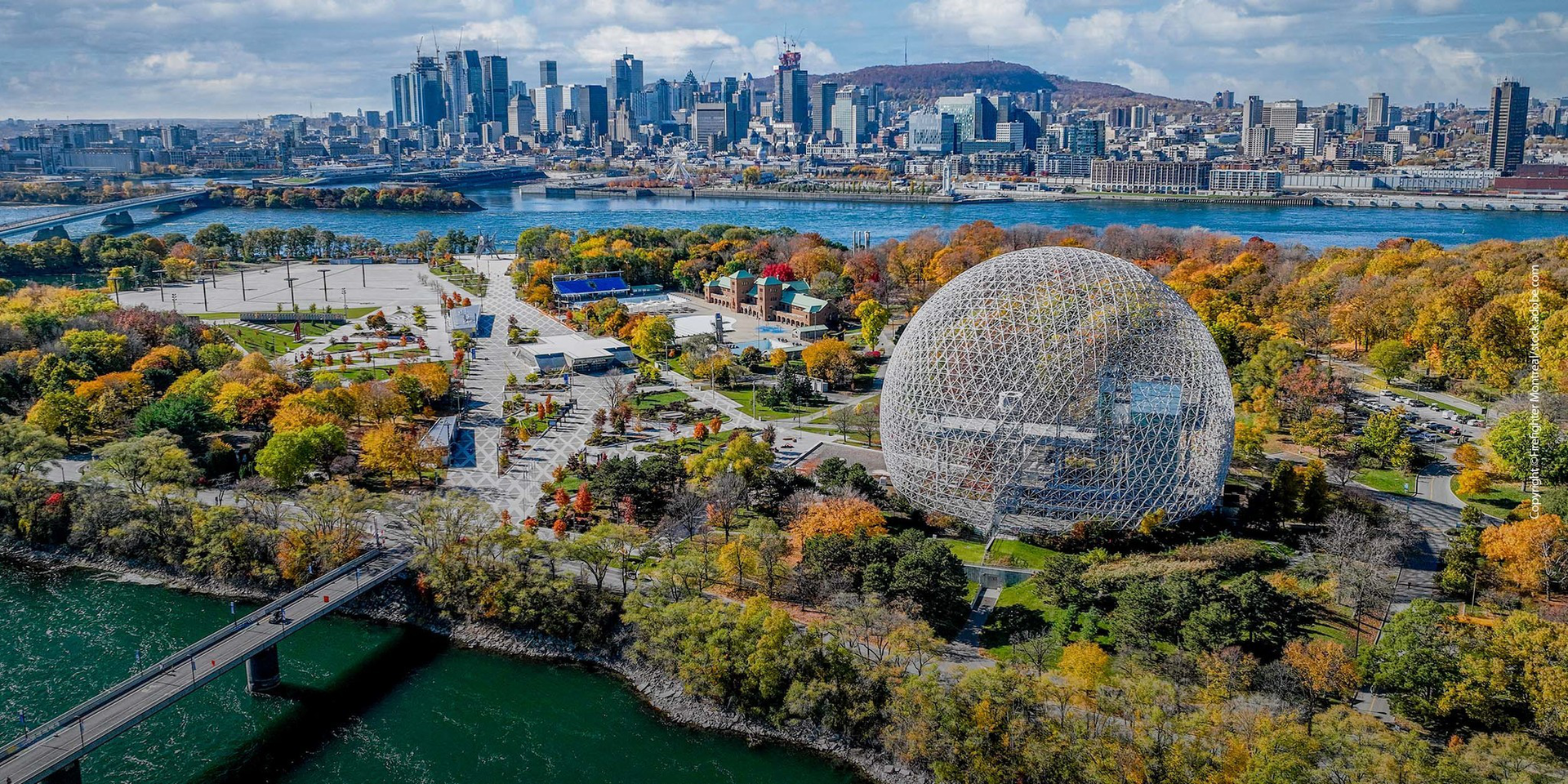
Palais des congrès de Montréal
Miltenyi Biotec booth #805
July 8–11 | Montreal, Canada

Join us at the annual meeting of the International Society for Stem Cell Research (ISSCR 2026) to discover how integrated technologies streamline pluripotent stem cell (PSC) workflows. Explore solutions across cell culture, analysis, and automation, enabling greater efficiency, scalability, and a seamless transition from research to clinical application.
Stop by booth #805 to meet our experts and explore our solutions first-hand. Let’s push the boundaries of stem cell research together. See you in Montreal!
Palais des congrès de Montréal
Miltenyi Biotec booth #805
July 8–10, 2026 | Exhibit opening hours
Wednesday, July 8 | 12:00 p.m.–07:00 p.m.
Thursday, July 9 | 10:00 a.m.–07:00 p.m.
Friday, July 10 | 10:00 a.m.–07:00 p.m.
At this special session, we will showcase how our technologies are advancing regenerative medicine from automated cell manufacturing to organ regeneration.
First, Dr. Sebastian Knöbel will present standardized workflows for induced pluripotent stem cell (iPSC) generation, differentiation, and quality control. He will also highlight a translational application demonstrating the automated, closed-system CliniMACS Prodigy for the generation of iPSC‑derived mesenchymal stromal cells (MSCs), utilizing Miltenyi Biotec's GMP‑grade media and phenotyping solutions.
Professor Sandra Lindstedt will then present a regenerative strategy that addresses the shortage of transplantable organs, focusing on the restoration of injured donor lungs. Discarded porcine and human lungs are treated using clinically relevant ex vivo lung perfusion (EVLP) platforms together with iPSC-derived MSCs generated on the CliniMACS Prodigy Instrument using iPS-Brew and MSC-Brew GMP Medium. Treatment responses are evaluated using high-dimensional spatial omics on the MACSima® Platform. This technology allows detailed mapping of immune responses, tissue repair processes, and cell-cell interactions at single-cell resolution within the native tissue architecture. It enables multiplexed spatial profiling of cellular phenotypes and signaling pathways within lung tissue.
Together, these presentations illustrate a translational approach that connects automated manufacturing technologies to regenerative lung repair research.
Room 512b

Sebastian Knöbel
PhD, Senior Manager, Miltenyi Biotec, Germany
Sebastian Knöbel, PhD, studied cell biology and genetics, with a specialization in pluripotent stem cells and their differentiation into therapeutically relevant cell types for regenerative medicine. As a Senior Manager in the Molecular Technologies and Stem Cell Therapies Department at Miltenyi Biotec, he leads teams focused on regenerative medicine and cell culture media development within Research and Development (R&D).

Sandra Lindstedt
Professor, Lund University, Sweden
Sandra Lindstedt, MD, PhD, is a Professor at Lund University and consultant cardiothoracic and transplant surgeon at Skåne/Lund University Hospital. She leads the Clinical Lung Research Program and is Principal Investigator at the Lund Stem Cell Center. Her translational research focuses on lung transplantation, machine perfusion, and regenerative and cell-based therapies.
Thursday, July 9 | 4:00–4:30 p.m.
Friday, July 10 | 10:00–10:30 a.m.
Booth #805
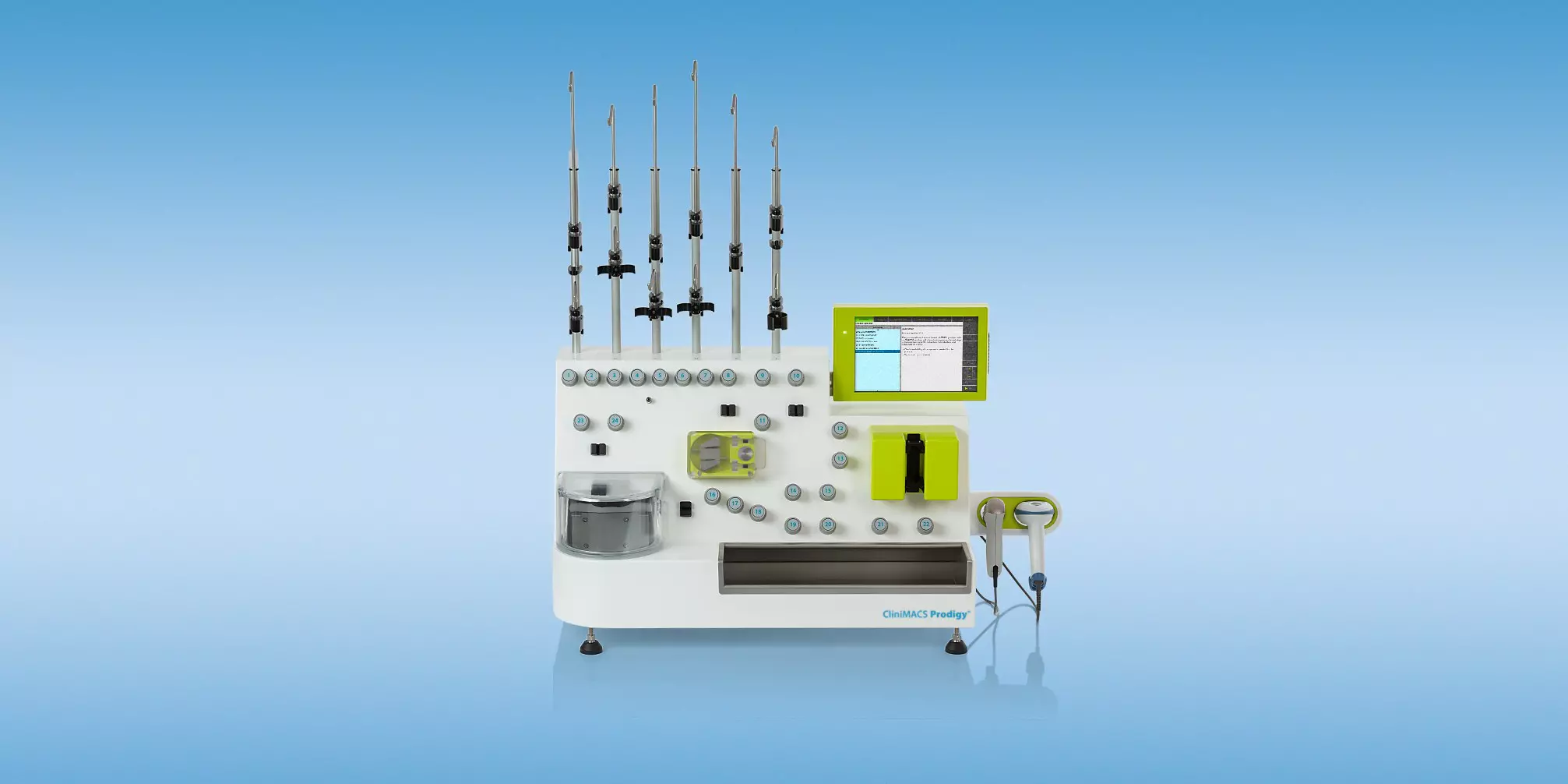
Discover the CliniMACS Prodigy Platform in a live demo showcasing a closed, automated, and flexible solution for translational PSC manufacturing.
Learn how the Adherent Cell Culture (ACC) application can support the transition from manual PSC workflows to standardized, reproducible, and scalable automation.
The demo includes an illustrative handling of External Cell Culture Vessels (ECVs), highlighting how manual protocols can be reimagined in an automated context.
On demand
Booth #805
3D image of 48 brain organoids captured using the UltraMicroscope Blaze Light Sheet System and a MACS UltraMount sample holder.
Download the scientific posters from our R&D specialists and explore
fresh insights into the future of stem cell research.
#W1189 A closed-system workflow for end-to-end processing of human pluripotent stem cells from reprogramming to expansion
Presenter: Sebastian Knöbel
#T1094 Characterization of cerebral organoids generated under matrix-free conditions using high-throughput 3D light sheet imaging
Presenter: Sebastian Knöbel
#T1230 Serum-free generation and cultivation of human PSC-derived endothelial cells in a closed semi-automated cultivation platform
Presenter: Kathrin Godthardt
#F1365 GMP-grade generation and expansion of iPSC‑derived MSCs and characterization of their extracellular vesicles in a closed cultivation system using xeno-free MSC-Brew GMP Medium
Presenter: Kathrin Godthardt
Take our survey to join the tombola and discover your prize!



Do you want to get in contact with us? Send your inquiry to:
Karen Cherrez
Product Manager Regenerative Medicine