Another roadblock demolished on the path to understanding Alzheimer’s disease

 View details
 View details
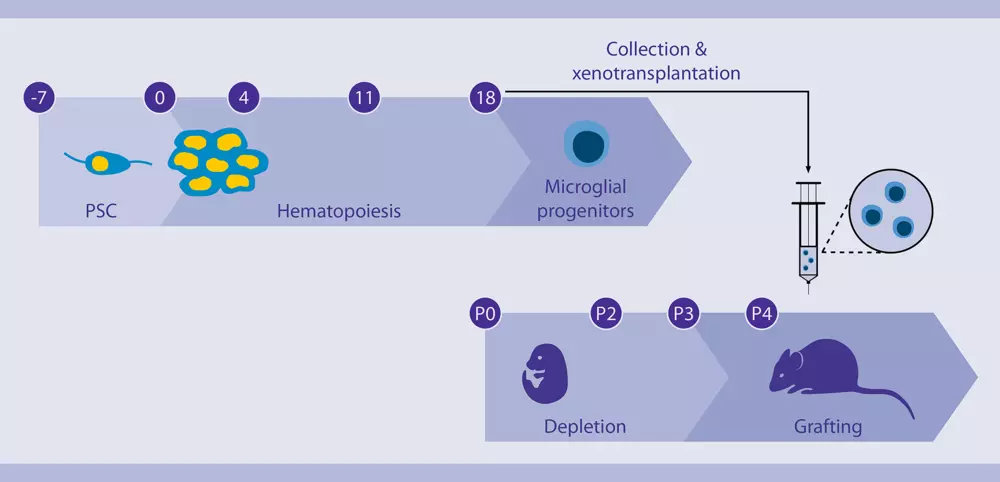
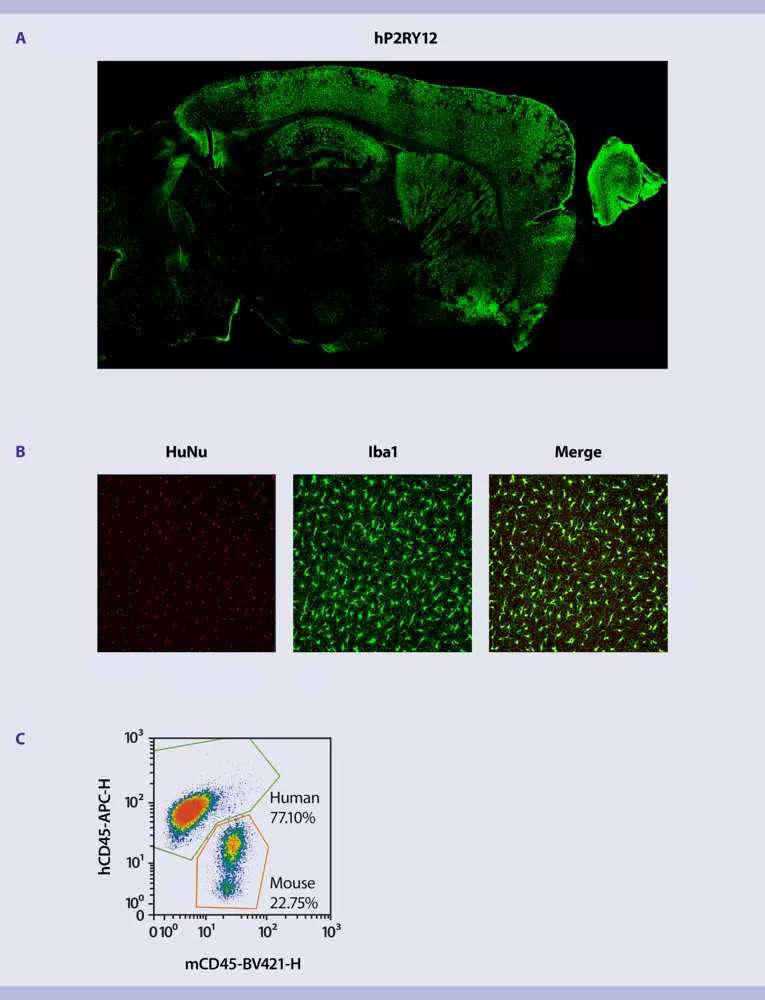
Thanks to MIGRATE, human stem cell–derived microglia can be analyzed in a context highly resembling their natural environment under disease conditions. This protocol is also highly reproducible across experiments and varying cell lines, reaching up to an 80-90% replacement of microglia in the brain.
A delicate problem
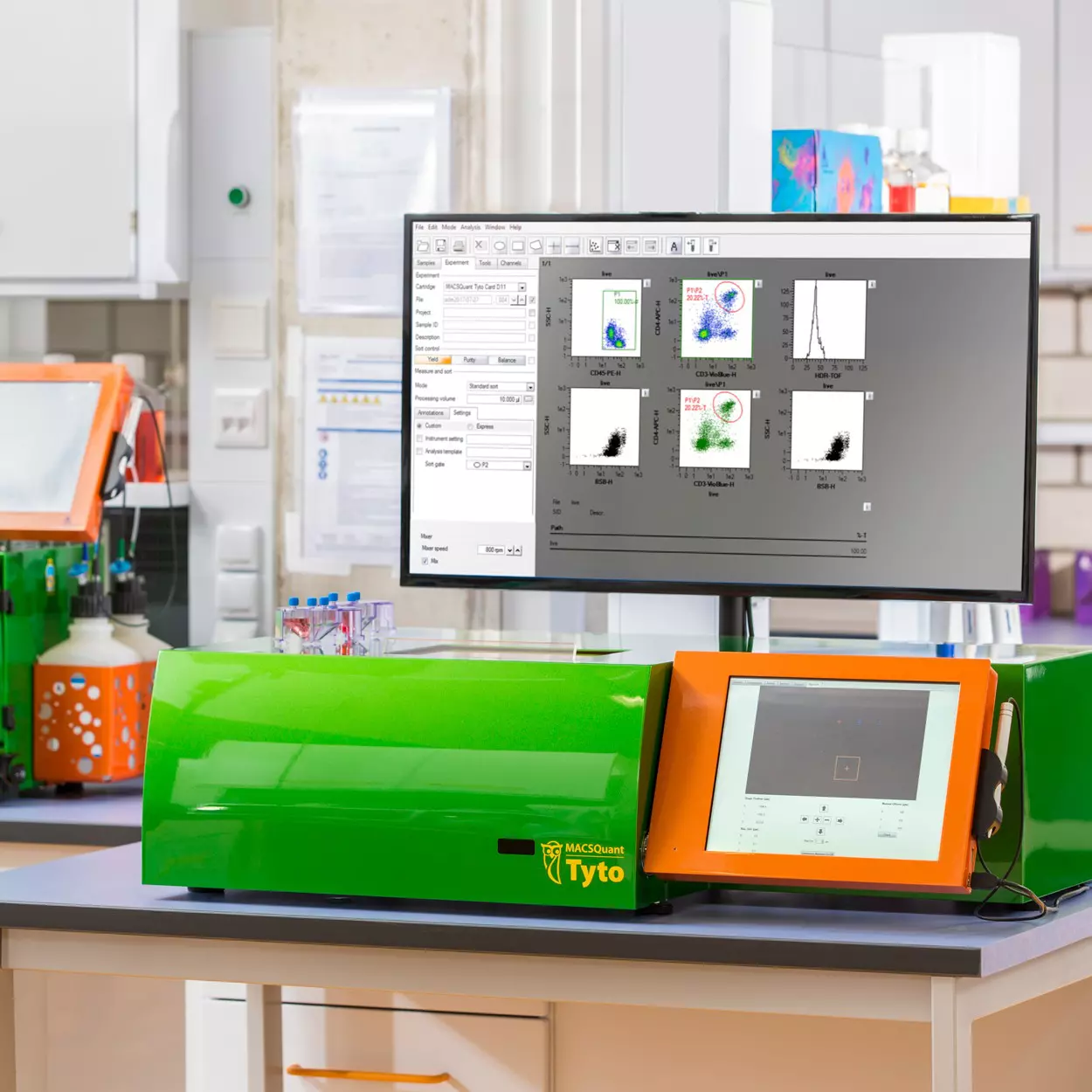
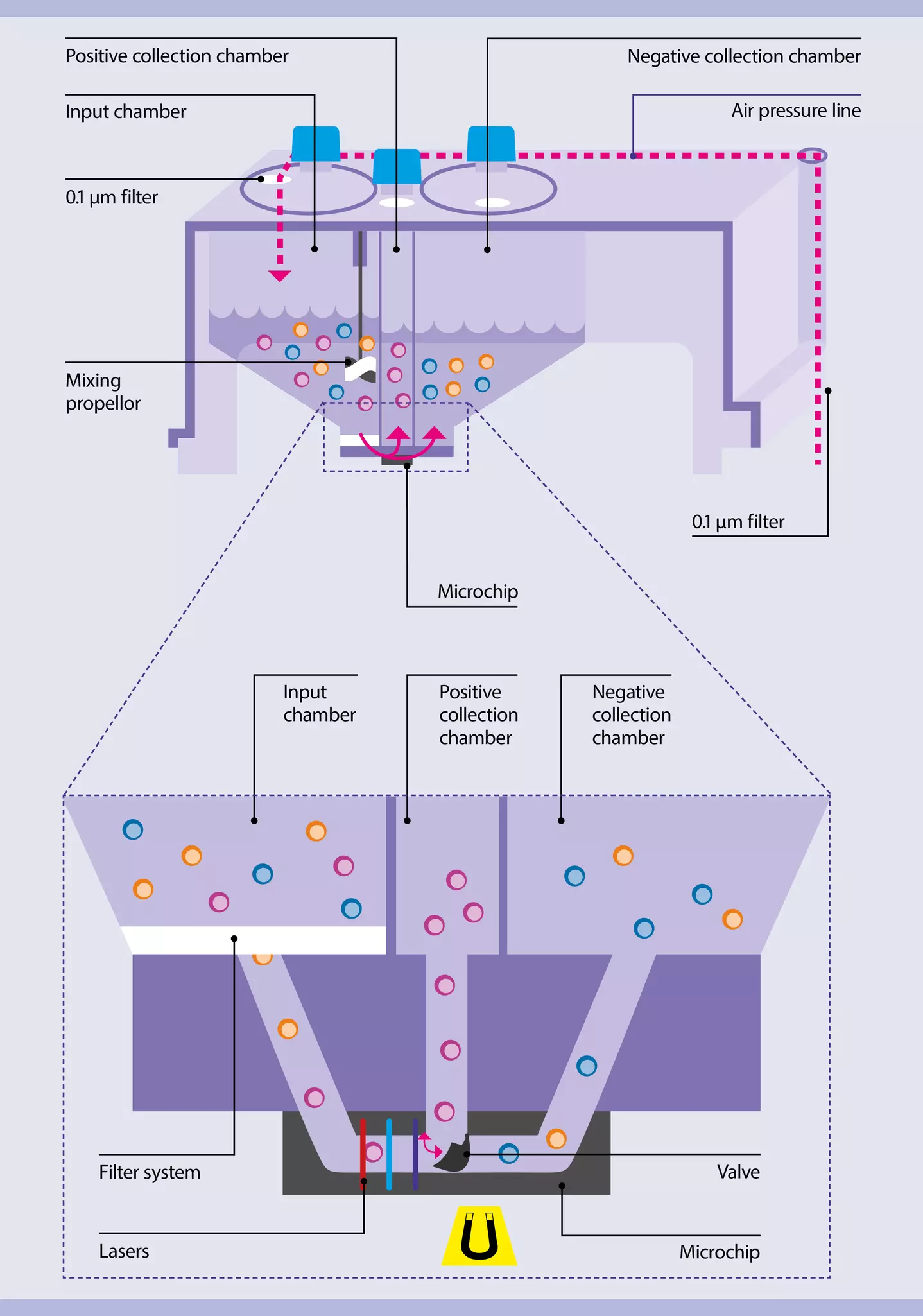
Even with this development, one challenge however remained. For this specific method, it is crucial to keep sorted microglia cells in a viable and sterile condition. Therefore, trying to sort them pre-transplantation with conventional droplet sorters was out of the question. Excessive pressures, decompression, shear forces and electrical charges all induce unwanted stress and even potential activation of microglia. Moreover, the whole process is not sterile, introducing potential contamination. With such precious and delicate samples, it doesn’t matter how good your intentions, if cells become non-viable, they are useless.
Problem sorted
Further information
Lab website: https://uantwerpen.vib.be/group/RenzoMancuso
Twitter: https://twitter.com/mancusorenzo
References
Mancuso, R., et al. (2019). Stem-cell-derived human microglia transplanted in mouse brain to study human disease. Nature neuroscience, 22(12), 2111–2116.
Fattorelli, N., et al. (2021). Stem-cell-derived human microglia transplanted into mouse brain to study human disease. Nature protocols, 16(2), 1013–1033.
Interested in cellular analysis of neural cells?
Check out our complete workflow solutions for cellular analysis providing you seamless support for brain tissue dissociation to cell separation, cultivation and flow cytometric analysis.