PepTivator® Parvovirus B19 Select is a pool of lyophilized peptides, covering important MHC-I and MHC-II epitopes of the following parvovirus B19 proteins: VP1 (UniProt ID: Q9PZT0-1), VP2 (UniProt ID: Q9PZT0-2), NS1 (UniProt ID: Q9PZT1), 11K (UniProt ID: P0DJZ0), 7.5K (UniProt ID: P0DJY9), and protein X (UniProt ID: P0DJZ1).
In vitro stimulation of antigen-specific T cells with PepTivator Peptide Pools causes the secretion of effector cytokines and the up-regulation of activation markers, which then allow the detection and isolation of antigen-specific T cells.


Related products for PepTivator® Parvovirus B19 Select
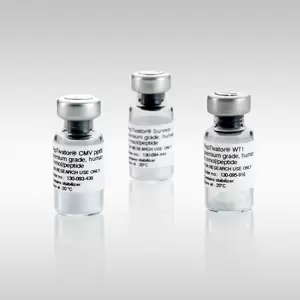

(excl. tax)

PepTivator® Parvovirus B19 Select is a pool of lyophilized peptides, covering important MHC-I and MHC-II epitopes of the following parvovirus B19 proteins: VP1 (UniProt ID: Q9PZT0-1), VP2 (UniProt ID: Q9PZT0-2), NS1 (UniProt ID: Q9PZT1), 11K (UniProt ID: P0DJZ0), 7.5K (UniProt ID: P0DJY9), and protein X (UniProt ID: P0DJZ1).
In vitro stimulation of antigen-specific T cells with PepTivator Peptide Pools causes the secretion of effector cytokines and the up-regulation of activation markers, which then allow the detection and isolation of antigen-specific T cells.
Parvovirus B19 is a small, non-enveloped DNA virus belonging to the Parvoviridae family and the Erythroparvovirus genus. It is the etiologic agent of erythema infectiosum (fifth disease), a common childhood illness characterized by a “slapped cheek” rash and other flu-like illnesses. The PepTivator Parvovirus B19 Select contains more than 260 peptides which cover important epitopes from the parvovirus B19 proteins: VP1, VP2, NS1, 11K, 7.5K, and protein X. Moreover, the PepTivator Parvovirus B19 Select enables efficient and targeted T cell stimulation, making it a powerful tool for immune monitoring, diagnostics, and vaccine research.
The PepTivator Peptide Pools have been specially developed for efficient in vitro Stimulation of antigen-specific CD4+ and CD8+ T cells, in various applications. Stimulation of T cells with PepTivator Peptide Pools causes the secretion of effector cytokines and upregulation of activation markers, which then allows the detection or isolation of antigen-specific T cells. Quantitative, phenotypical, or functional analysis of antigen-specific T cell immunity can provide important information on the natural course of the natural course of immune responses.