

Synonyms: H2-AB1, Abeta, H-2Ab, H2-Ab, I-Abeta, IAb, Ia-2, Ia2, Rmcs1
EXTENDED VALIDATION
- Clone:
- M5/114.15.2
- Type of antibody:
- Primary antibodies
- Isotype:
- rat IgG2bκ
- Applications:
- FC, MICS, IF, IHC Glossary
- Select a conjugate:


Related products for MHC Class II Antibody, anti-mouse


Flow cytometry applications
APC
Biotin
FITC
PE
PerCP-Vio 700
VioBlue
VioGreen
Recommended dilution:
1:50
Remark:
The antibody is suited for staining of formaldehyde-fixed cells.
Data source:
Miltenyi Biotec
Conjugate:
APC
Used products:
130-123-785
Description:
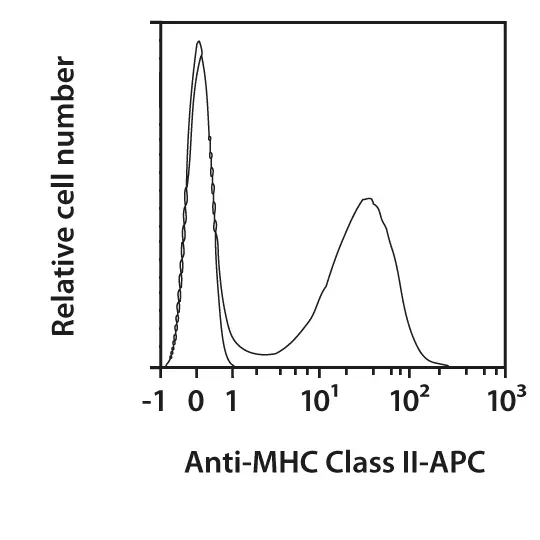
Splenocytes from C57BL/6 mice were stained with Anti-MHC Class II antibodies or with the corresponding isotype control (left peak) and analyzed by flow cytometry using the MACSQuant® Analyzer. Cell debris and dead cells were excluded from the analysis based on scatter signals and propidium iodide fluorescence.
MICS (MACSima Imaging Cyclic Staining) applications
APC
FITC
PE
Fixation:
frozen – PFA
Species tested:
mouse
Recommended dilution:
1:50
Data source:
Miltenyi Biotec
Compatible applications:
IF, IHC
Conjugate:
APC
Used products:
130-123-785
Testing grade:
Fixation:
frozen – Acetone
Species tested:
mouse
Recommended dilution:
1:50
Data source:
Miltenyi Biotec
Compatible applications:
IF, IHC
Conjugate:
APC
Used products:
130-123-785
Testing grade:
Extended validation for MHC Class II Antibody, anti-mouse
Specificity
In order to compare the epitope specificity of an antibody, the clone being used is compared with other known clones recognizing the same antigen in a competition assay.
Other clones
Overlap in epitope recognition with M5/114.15.2
REA813
high
2G9
high
REAL362
n/a
Cells were incubated with an excess of purified unconjugated MHC Class II (M5/114.15.2) antibody followed by staining with fluorochrome-conjugated antibodies from other known clones targeting the same antigen. Fluorescence intensity was then used to assess epitope overlap: a minimal or absent signal indicated high epitope overlap, an intermediate signal suggested partial overlap, and a strong signal reflected low overlap.
Sensitivity
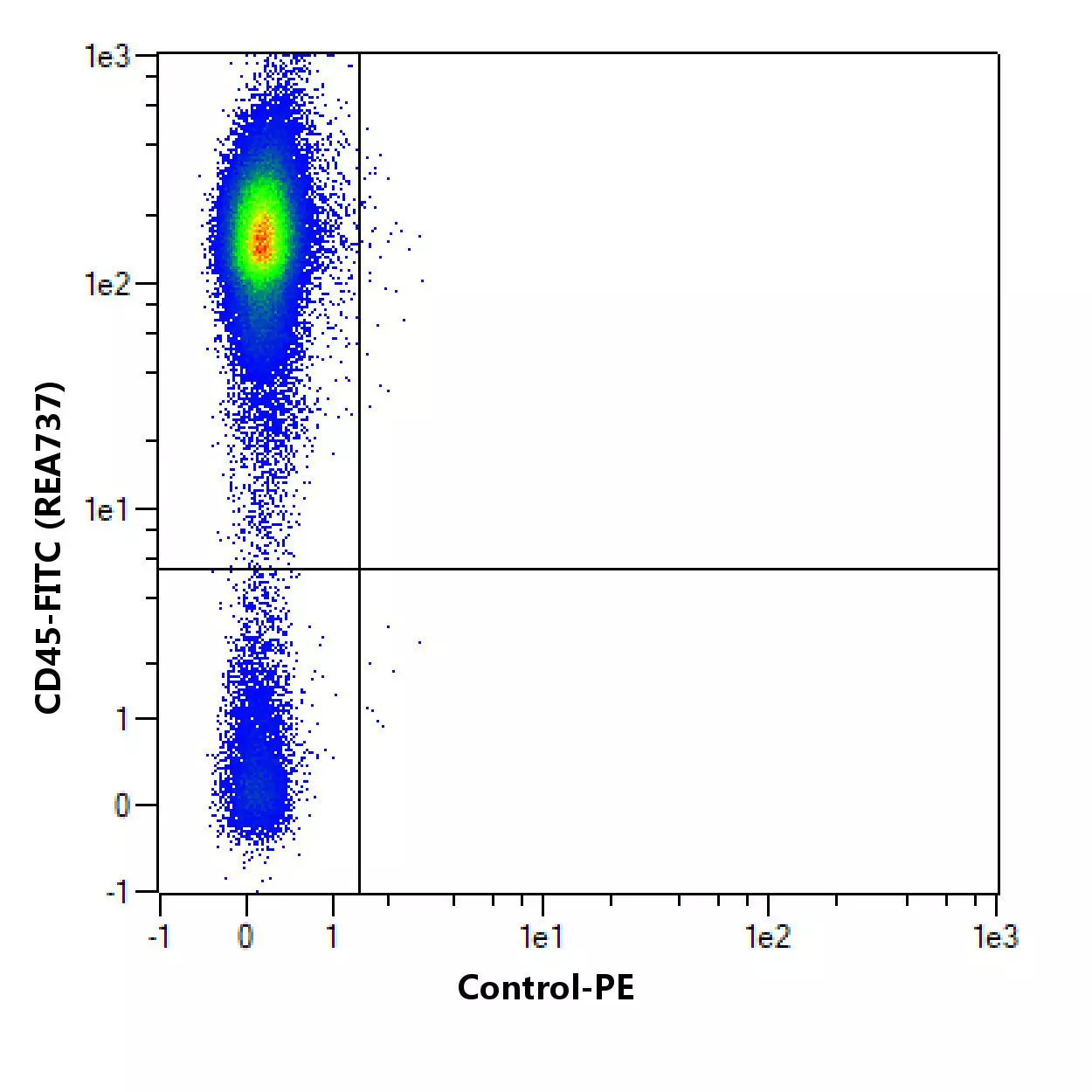
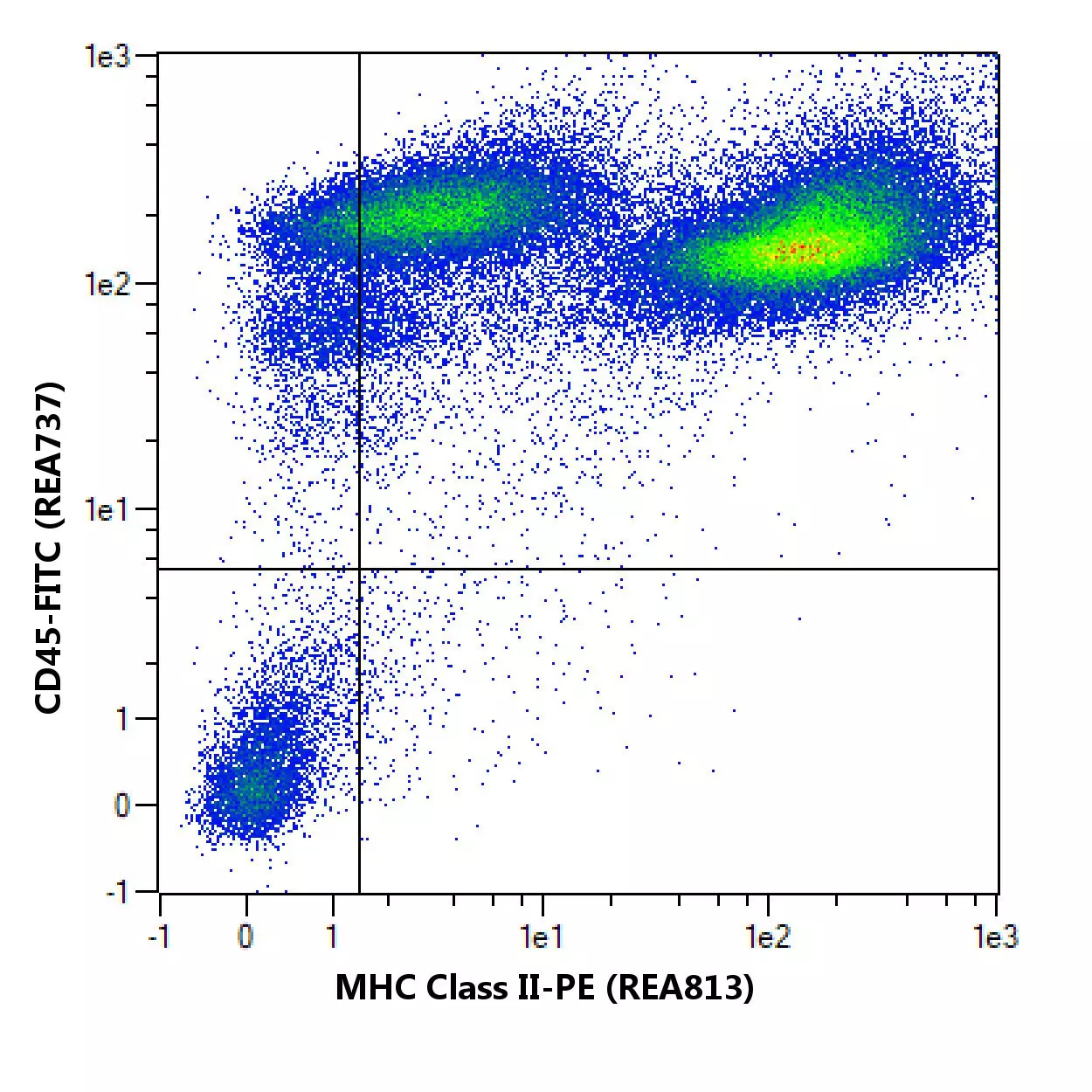
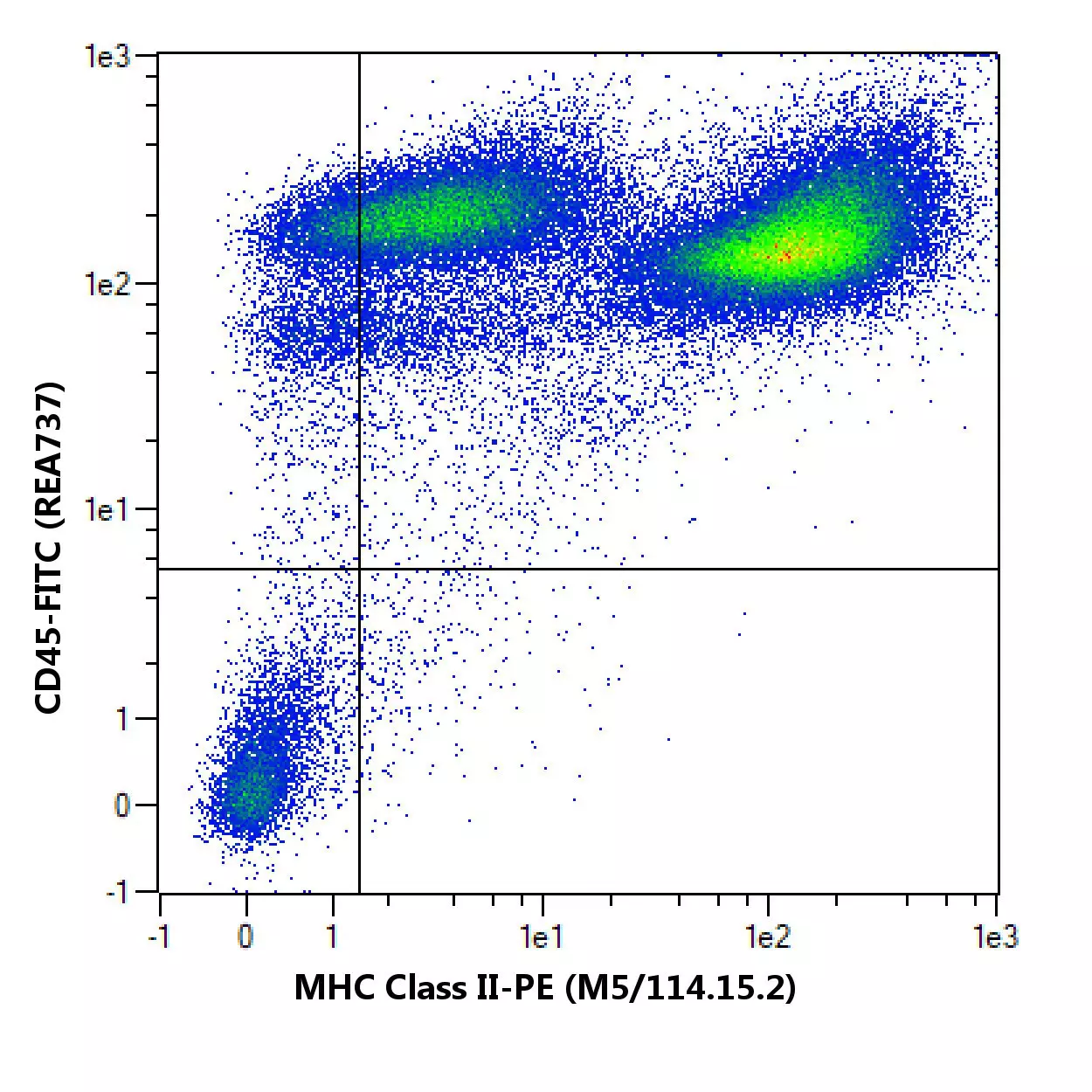
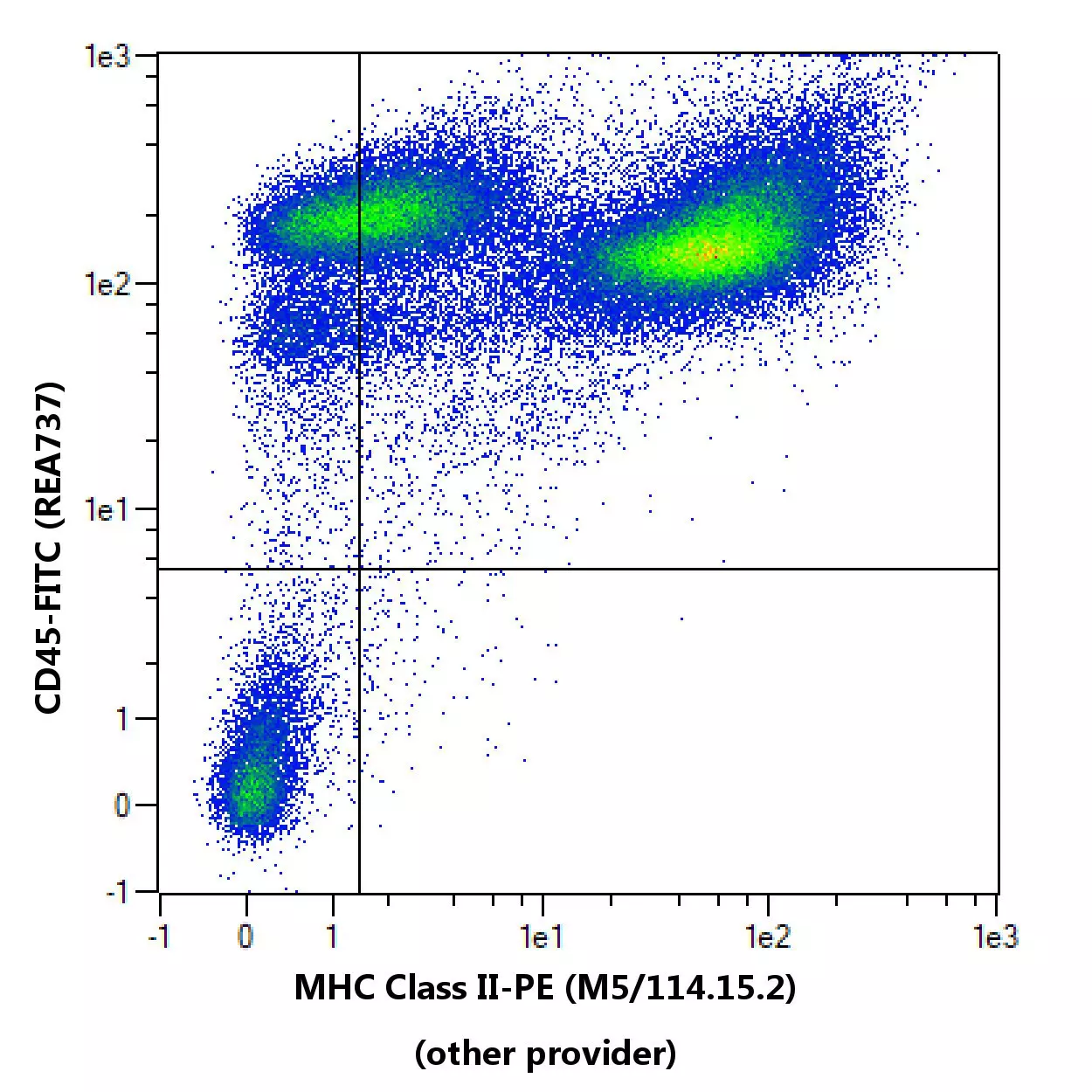
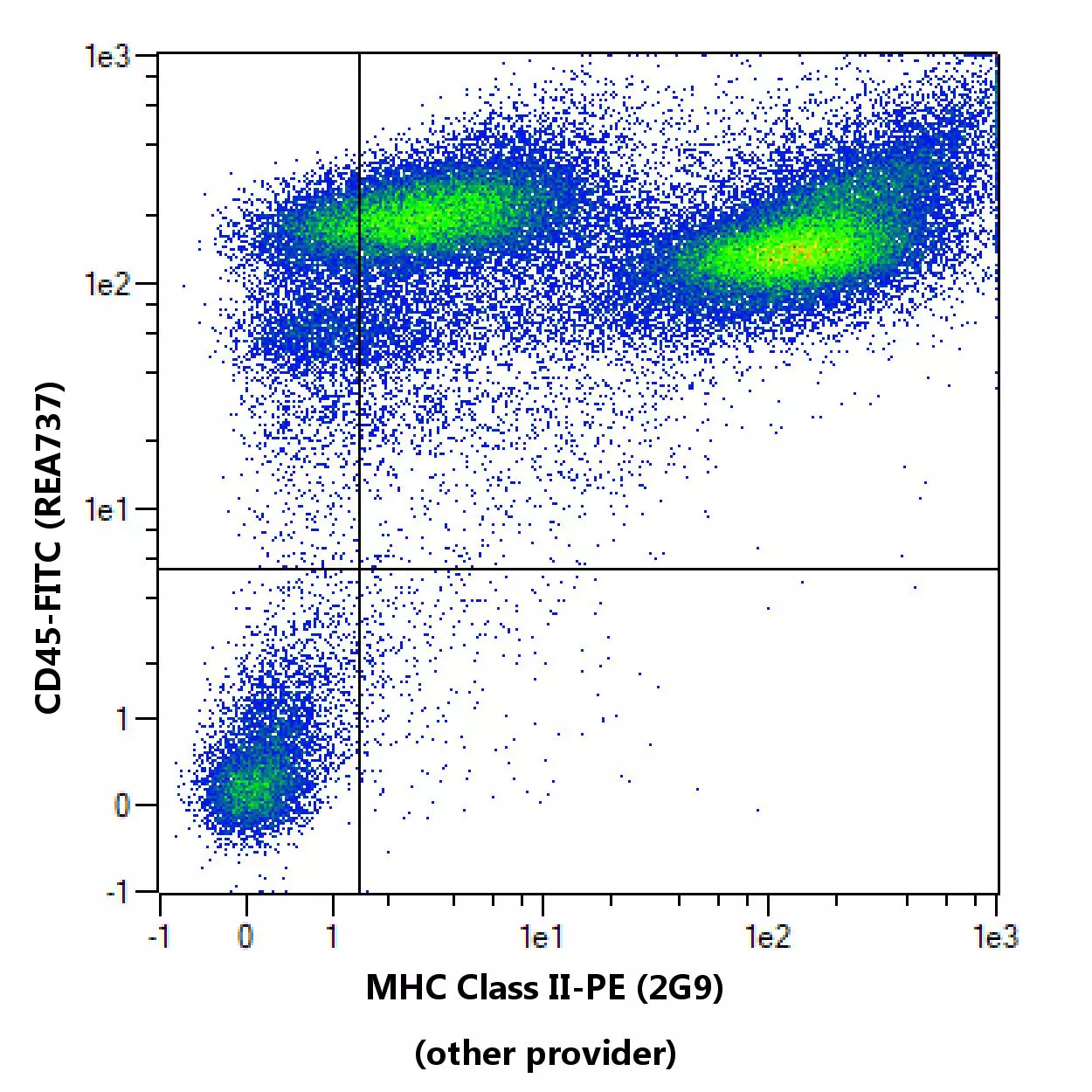
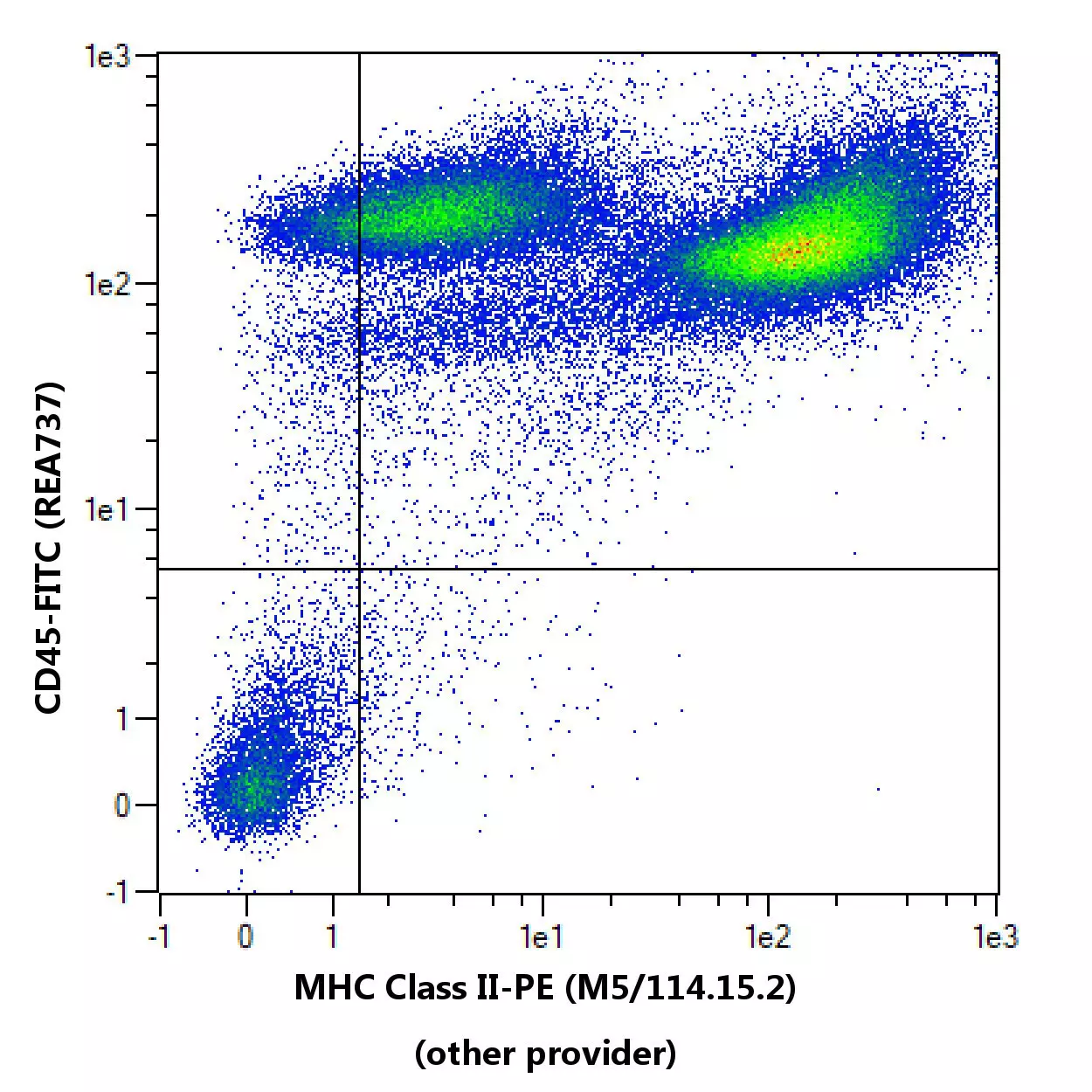

Flow cytometric comparison of different clones for MHC Class II. Splenocytes from C57BL/6 were stained with MHC Class II antibodies and with a suitable counterstaining. As a control, MHC Class II antibody staining was omitted and cells were measured in the same channels. Flow cytometry was performed with the MACSQuant® Analyzer. Cell debris, dead cells, and cell doublets were excluded from the analysis based on scatter signals and 4',6-diamidino-2-phenylindole (DAPI) fluorescence. No FcR Blocking Reagent was used. The recommended titers of respective antibodies from different suppliers were used.
Specifications for MHC Class II Antibody, anti-mouse
Overview
The Anti-MHC Class II antibody reacts with the MHC class II alloantigens I-Ab, I-Aq, I-Ad, I-Ed, and I-Ek that are expressed by most common inbred mouse strains, for example, C57BL/6, BALB/c, or 129/SvEv 1. MHC class II is expressed on antigen-presenting cells, such as dendritic cells, monocytes/macrophages, B cells in lymphoid and non-lymphoid tissue, thymic epithelial cells, and on subsets of hematopoietic progenitor cells in the bone marrow.
H2-AB1, Abeta, H-2Ab, H2-Ab, I-Abeta, IAb, Ia-2, Ia2, Rmcs1
Detailed product information
Technical specifications
Clone
M5/114.15.2
Clonality
monoclonal
Isotype
rat IgG2bκ
Isotype control
Isotype Control Antibody, rat IgG2b
Host
rat
Type of antibody
Primary antibodies
Species reactivity
mouse
Antigen
MHC Class II
Molecular mass of antigen [kDa]
27
Distribution of antigen
dendritic cells, monocytes, macrophages, epithelial cells, stem cells, cancer stem cells, hematopoietic stem and progenitor cells
Entrez Gene ID
RRID
AB_2802055, AB_2734108, AB_2660055, AB_2660056, AB_2660063, AB_2660064, AB_2660066, AB_2802021, AB_2811551, AB_2660065
Resources for MHC Class II Antibody, anti-mouse
Certificates
To access a Certificate of Analysis (CoA) follow the link below and enter the specific lot of your product.
Should you wish to request additional documentation, such as a Safety Data Sheet (SDS) in other languages than English or Swedish, an SDS-replacement document, or a Certificate of Origin (CoO), please direct your inquiry to your local technical support team.
 Powered by Bioz