The Astrocyte Isolation Starter Kit offers the complete solution for the dissociation and isolation of GLAST+ astrocytes from rats or mice younger than postnatal day 7.


Related products for Astrocyte Isolation Starter Kits
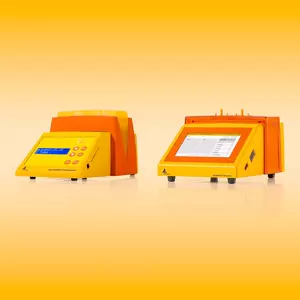


The Astrocyte Isolation Starter Kit offers the complete solution for the dissociation and isolation of GLAST+ astrocytes from rats or mice younger than postnatal day 7.
The Astrocyte Isolation Starter Kit includes the Neural Tissue Dissociation Kit (T), which guarantees conservation of the GLAST epitope for the isolation step. The Anti-GLAST (ACSA-1) MicroBead Kit isolates rat or mouse astrocytes which are positive for GLAST.
The antibody ACSA-1 (astrocyte cell surface antigen-1) recognizes an extracellular epitope of the astrocyte specific transmembrane glycoprotein GLAST.1,2 Besides GLT-1, GLAST is the most abundant glutamate transporter and is predominantly expressed by astrocytes in the developing and neonatal mammalian CNS. Also radial glia, which belong to the astrocyte lineage and play important roles in development, are known to express GLAST.
- Kriegstein, A. R. and Götz, M. (2003) Radial glia diversity: a matter of cell fate. Glia 43: 37-43
- Storck, T. et al. (1992) Structure, expression, and functional analysis of a Na+-dependent glutamate/aspartate transporter from rat brain. Proc. Natl. Acad. Sci. U.S.A. 8 (22): 10955-10959
- Wahle, S. and Stoffel, W. (1996) Membrane topology of the high-affinity L-glutamate transporter (GLAST- 1) of the central nervous system. J. Cell Biol. 135 (6): 1867-1877
- Kimelberg, H. K. (2004) The problem of astrocyte identity. Neurochem. Int. 45 (2-3): 191-202