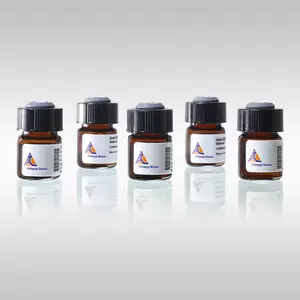
Anti-PSA-NCAM MicroBeads have been developed for the positive selection or depletion of PSA-NCAM+ cells from tissue or cell culture.


Related products for Anti-PSA-NCAM MicroBeads, human, mouse, rat

Anti-PSA-NCAM MicroBeads have been developed for the positive selection or depletion of PSA-NCAM+ cells from tissue or cell culture.
Anti-PSA-NCAM MicroBeads recognize polysialic acid (PSA), which is linked to the extracellular domain of the neural cell adhesion molecule (NCAM, CD56).1 PSA-NCAM, the highly polysialated form of NCAM, is predominantly expressed in embryonic and neonatal neural tissue2. In adult mammalian brain PSA-NCAM expression is restricted mainly to areas that retain neurogenic potential, such as the subventricular zone (SVZ)3 and the dentate gyrus of the hippocampus.4 PSA-NCAM is a marker for immature neuronal-committed progenitors that are permanently generated in the SVZ and migrate along a well-defined pathway, the rostral migratory stream, into the olfactory bulb where they differentiate into GABAergic and dopaminergic interneurons.3,5 PSA-NCAM positive neuronal precursors have been isolated from rat forebrain and from mouse SVZ tissue after depletion of A2B5+ glial progenitor cells.6-10
For positive selection: MS, LS, or autoMACS® Columns. For depletion: LD or autoMACS Columns.
Separation of a single-cell suspension derived from P1 mouse whole-brain tissue using the Neural Tissue Dissociation Kit (T), Anti-PSA-NCAM MicroBeads, a MiniMACS™ Separator, and an MS Column. Cells were fluorescently stained with rat anti-mouse IgM-APC and analyzed by flow cytometry.
- Kiss, J. Z. and Muller, D. (2001) Contribution of the neural cell adhesion molecule to neuronal and synaptic plasticity. Rev. Neurosci. 12: 297-310
- Seki, T. (2002) Expression patterns of immature neuronal markers PSA-NCAM, CRMP-4 and NeuroD in the hippocampus of young adult and aged rodents. J. Neurosci. Res. 70: 327-334
- Pennartz, S. et al. (2004) Purification of neuronal precursors from the adult mouse brain: comprehensive gene expression analysis provides new insights into the control of cell migration, differentiation, and homeostasis. Mol. Cell. Neurosci. 25: 692-706
- Seidenfaden et al. (2006) MACS&more 10 (1): 4-6
- Marmur, R. et al. (1998) Differentiation of oligodendroglial progenitors derived from cortical multipotent cells requires extrinsic signals including activation of gp130/LIFbeta receptors. J. Neurosci. 18: 9800-9811
- Rougon, G. and Marshak, D. R. (1986) Structural and immunological characterization of the amino-terminal domain of mammalian neural cell adhesion molecules. J. Biol. Chem. 261: 3396-3401
- Seidenfaden, R. et al. (2006) Glial conversion of SVZ-derived committed neuronal precursors after ectopic grafting into the adult brain. Mol. Cell. Neurosci. 32: 187-198
- Doetsch, F. et al. (1997) Cellular composition and three-dimensional organization of the subventricular germinal zone in the adult mammalian brain. J. Neurosci. 17: 5046-5061
- Strathmann, F. G. et al. (2007) Identification of two novel glial-restricted cell populations in the embryonic telencephalon arising from unique origins. BMC Dev. Biol. 7: 33