3D graphic of strands of DNA and leukocytes
Logo

Preparation of single-cell and single-nuclei suspensions for genomic analysis

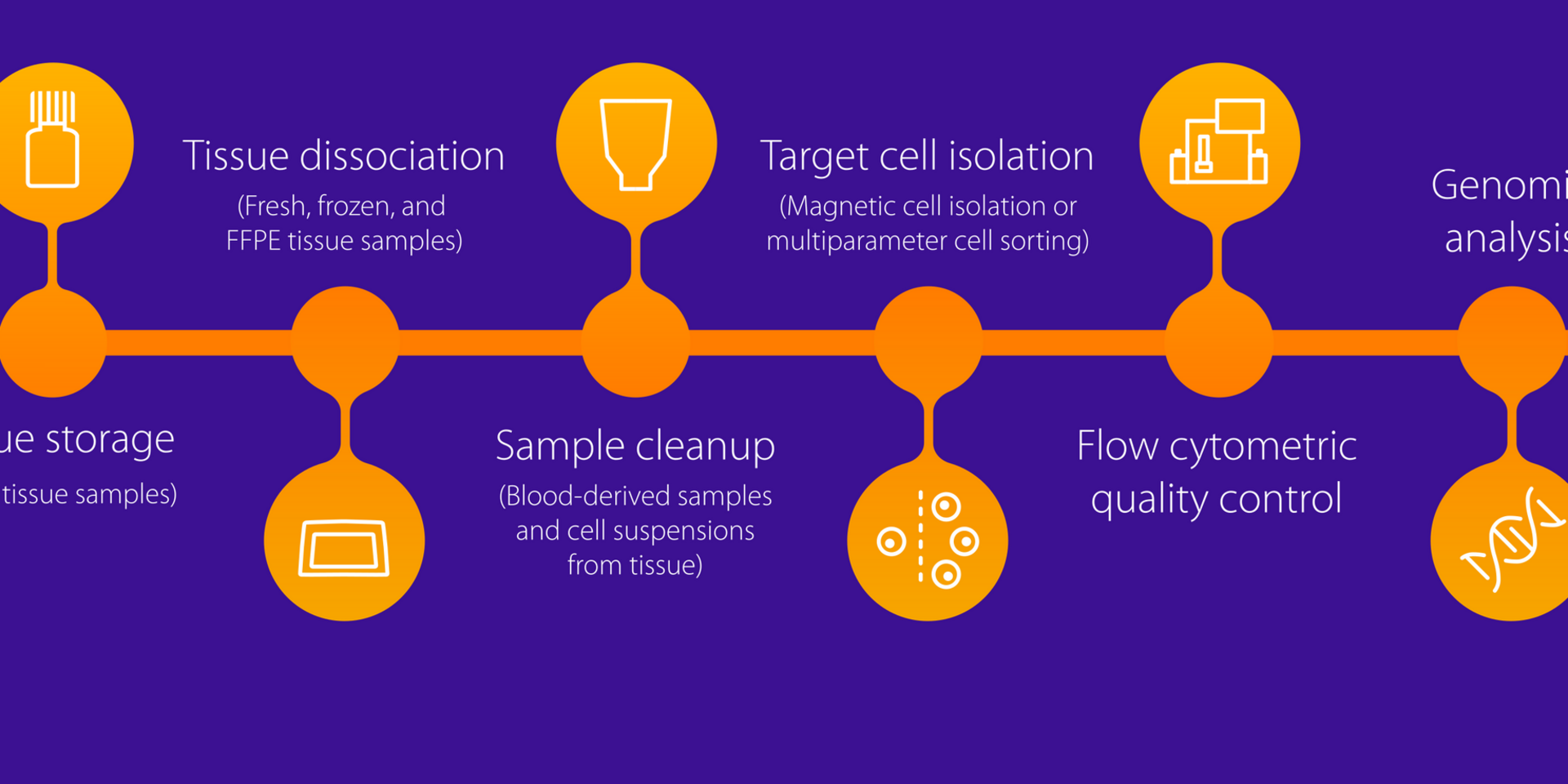
The generation of single-cell or single-nuclei suspensions from solid tissues is the most critical step prior to single-cell or single-nuclei sequencing. gentleMACS® Technology represents a gentle, yet efficient approach to either extract viable cells or nuclei from different solid tissues. Whether tissues are fresh or frozen, extraction of nuclei is fast and easy with the Nuclei Extraction Buffer. Protocols for tissue dissociation, nuclei extraction, and nuclei enrichment have been optimized for speed and efficiency to give reliable results in downstream genomic analyses.

Genomic analysis of single-cell suspensions from solid tissues

Analysis of cellular stress responses after short-term storage of mouse tumors

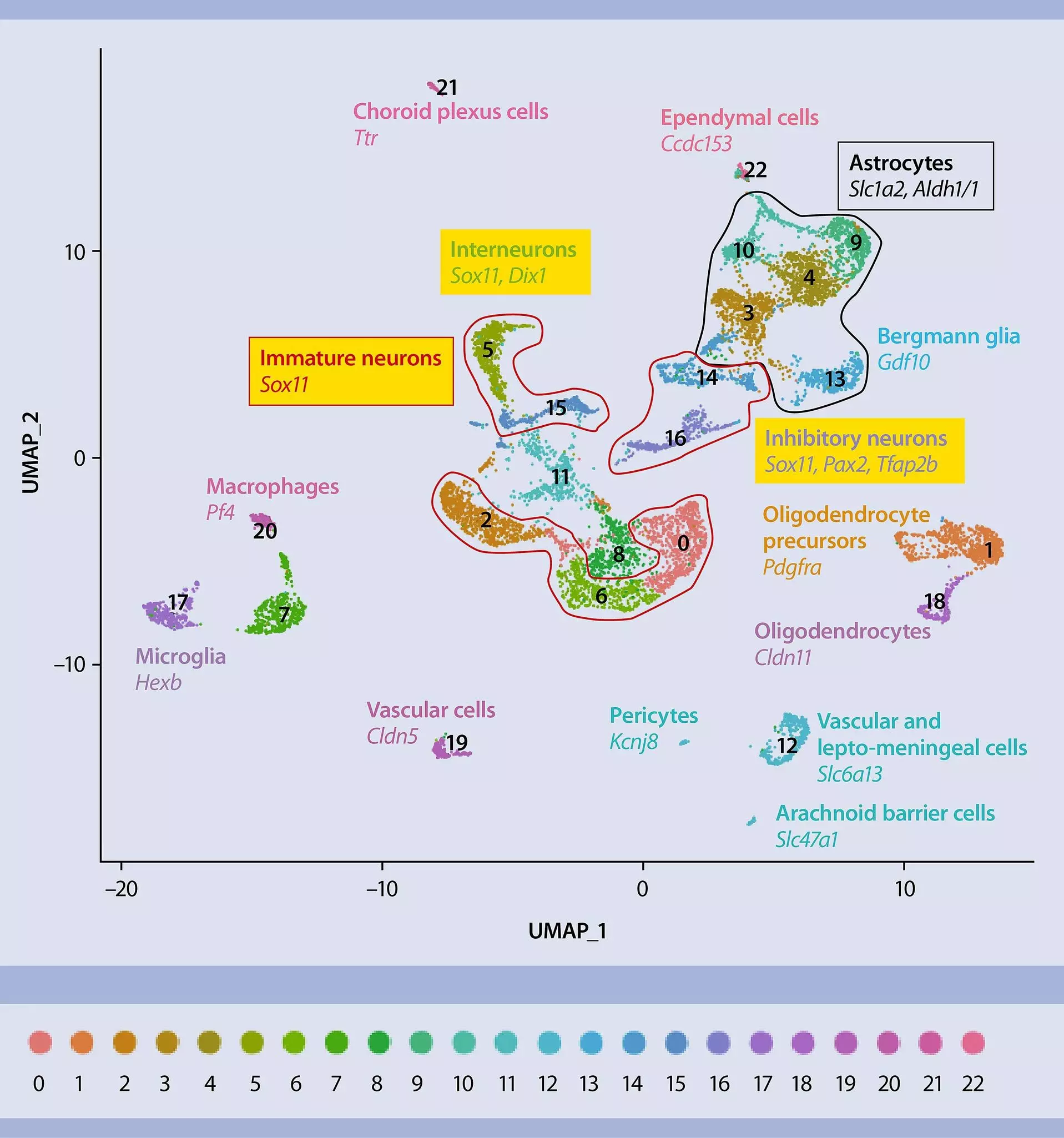
Single-cell analysis of dissociated whole mouse brain

Clear distinction of different neural cell populations from neonatal mouse brain in single-cell gene expression analysis, including all different major neural populations.

Cell types identified after tumor dissociation using gentleMACS technology
Cell types identified after tumor dissociation

Analysis of tumor heterogeneity

Single-cell gene expression analysis of mouse tumors enables the clear identification of the different cellular populations present in the tissue.

How to generate single-cell or single-nuclei suspensions with gentleMACS Technology
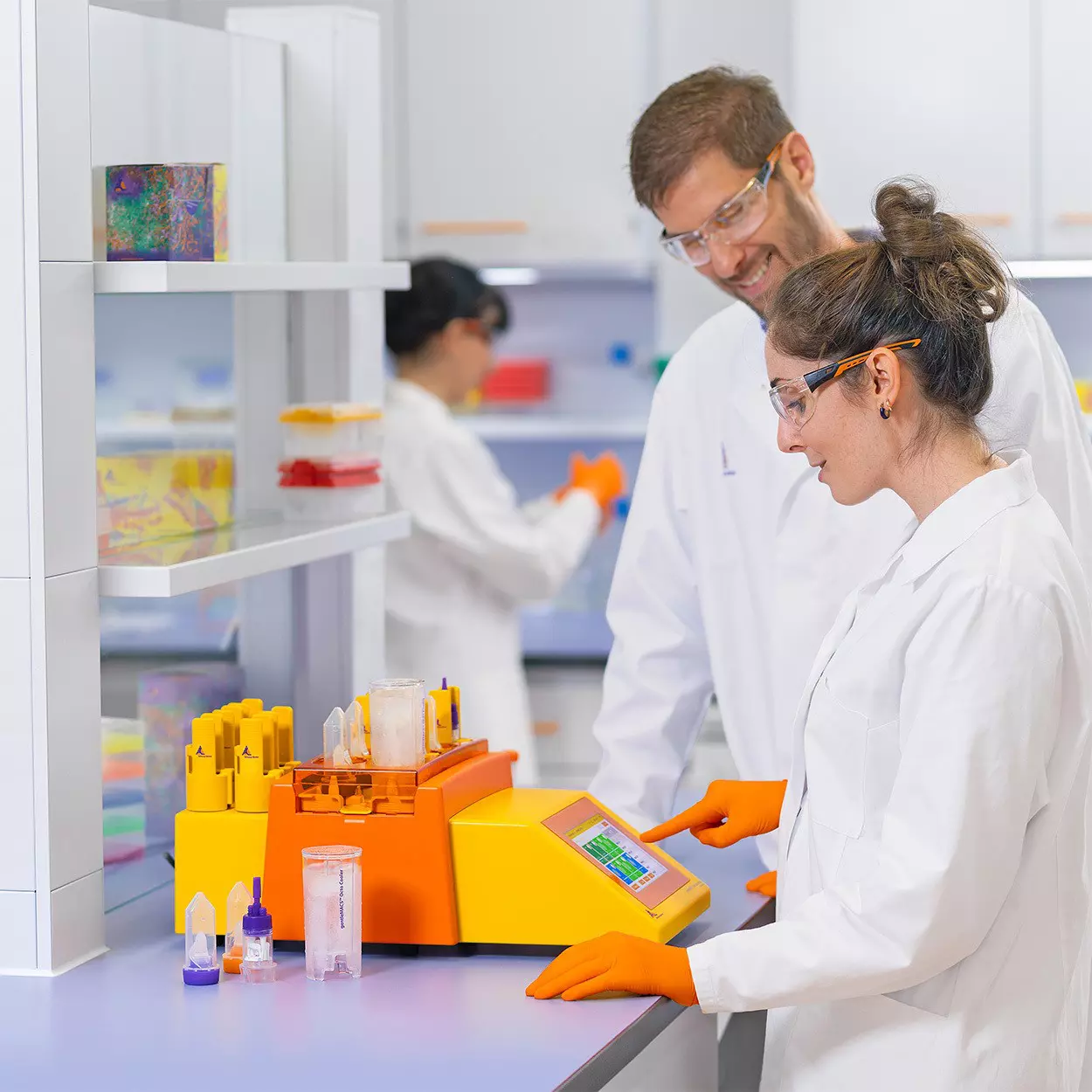
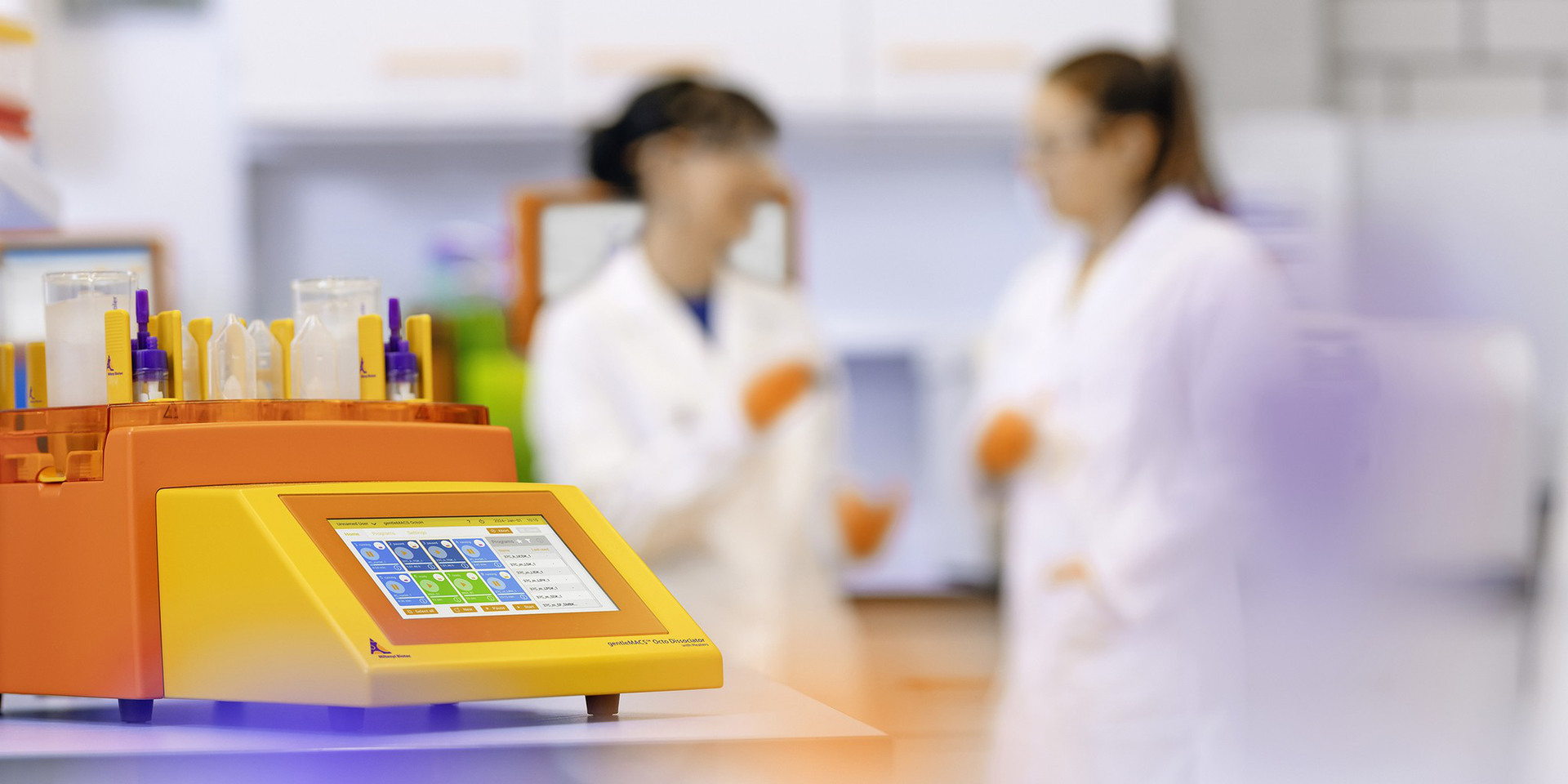
Three people are shown in a lab. One person is touching the screen of the gentleMACS Octo Dissociator with Heaters, while a person next to is looking at the screen too. someone else is working in the back of the image. In front of the gentleMACS Octo Dissociator with Heaters a gentleMACS perfuser, a gentleMACS Cooler and  gentleMACS Tubes are shown

Preparation of single-cell suspensions from solid tissue

Single-cell suspensions from fresh tissues can be easily generated using gentleMACS Technology, which combines gentle mechanical disruption with mild enzymatic digestion. gentleMACS Technology allows retrieval of different cell types present in the tissue, using automated and standardized protocols for reproducible results.

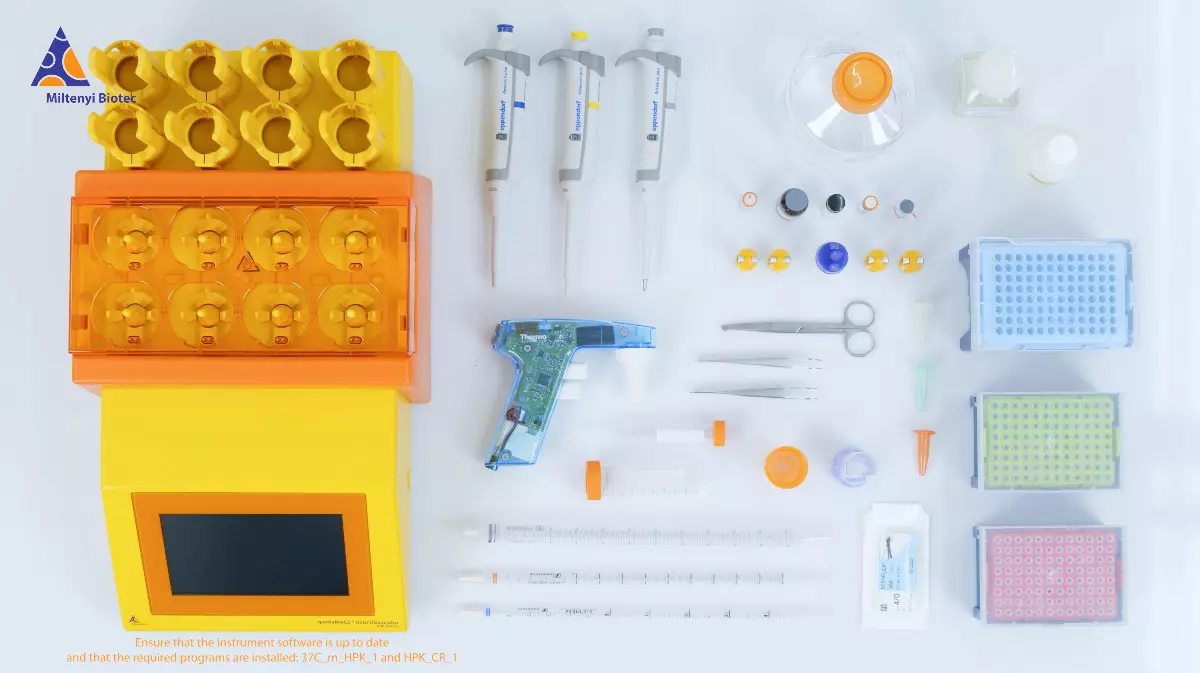
Top view of gentleMACS Octo Dissociator with Heaters with the equipment next to it to perform a tissue perfusion

Video protocols for tissue dissociation

Find out how to standardize tissue dissociation using gentleMACS Technology step by step.

3D graphic of strands of DNA and leukocytes

Preparation of single-nuclei suspensions from FFPE tissue for RNA profiling

Formalin-fixed paraffin-embedded (FFPE) tissue sections can be easily dissociated into single-nucleus suspensions using the FFPE Tissue Dissociation Kit for RNA Profiling on the gentleMACS Octo Dissociator with Heaters in combination with gentleMACS C Tubes. The reagents in this kit are RNase-free and allow efficient extraction of nuclei while removing unwanted signals from, e.g., mitochondrial genes in your downstream sequencing applications, increasing the reliability and reproducibility of genomic analysis. The isolated nuclei from different FFPE tumor samples have been validated for single-nucleus RNA sequencing (snRNA-seq).

Preparation of single-nuclei suspensions from solid tissue

Single-nuclei suspensions can be easily generated from different types of solid tissues using the Nuclei Extraction Buffer in combination with the gentleMACS Octo Dissociators. This combination allows a gentle mechanical disruption of the tissues and an efficient cell lysis to release intact nuclei from cells in only seven minutes and of up to eight samples in parallel at low temperature using the gentleMACS Octo Cooler.

Preparation of single nuclei suspensions from mouse brain and tumors using gentleMACS technology
Preparation of single-nuclei suspensions from mouse brain and tumors

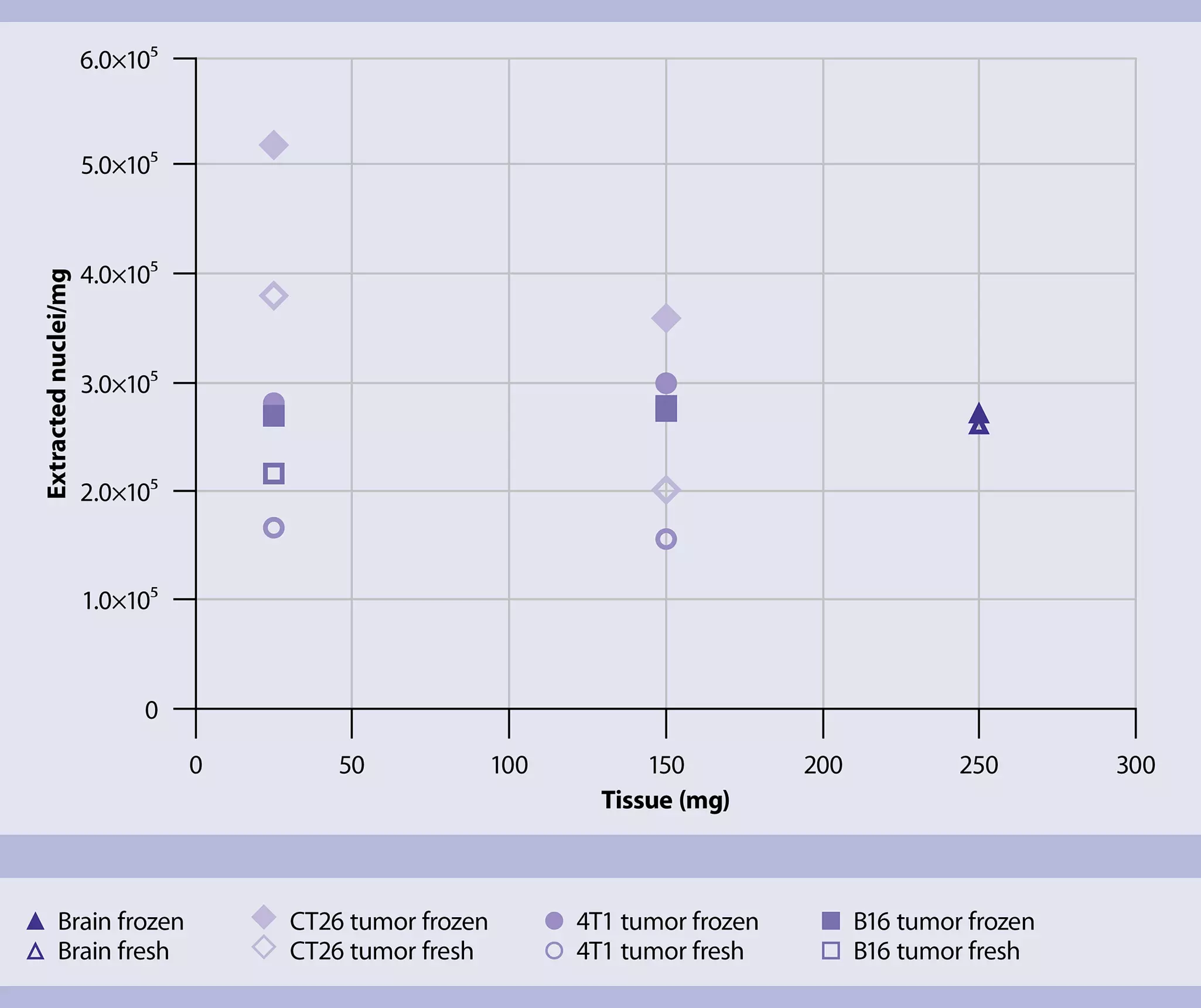
High nuclei yields from mouse brain and tumors

Single-nuclei suspensions obtained from fresh and snap-frozen mouse brain and syngeneic tumors show high numbers of extracted nuclei per mg of dissociated tissue.

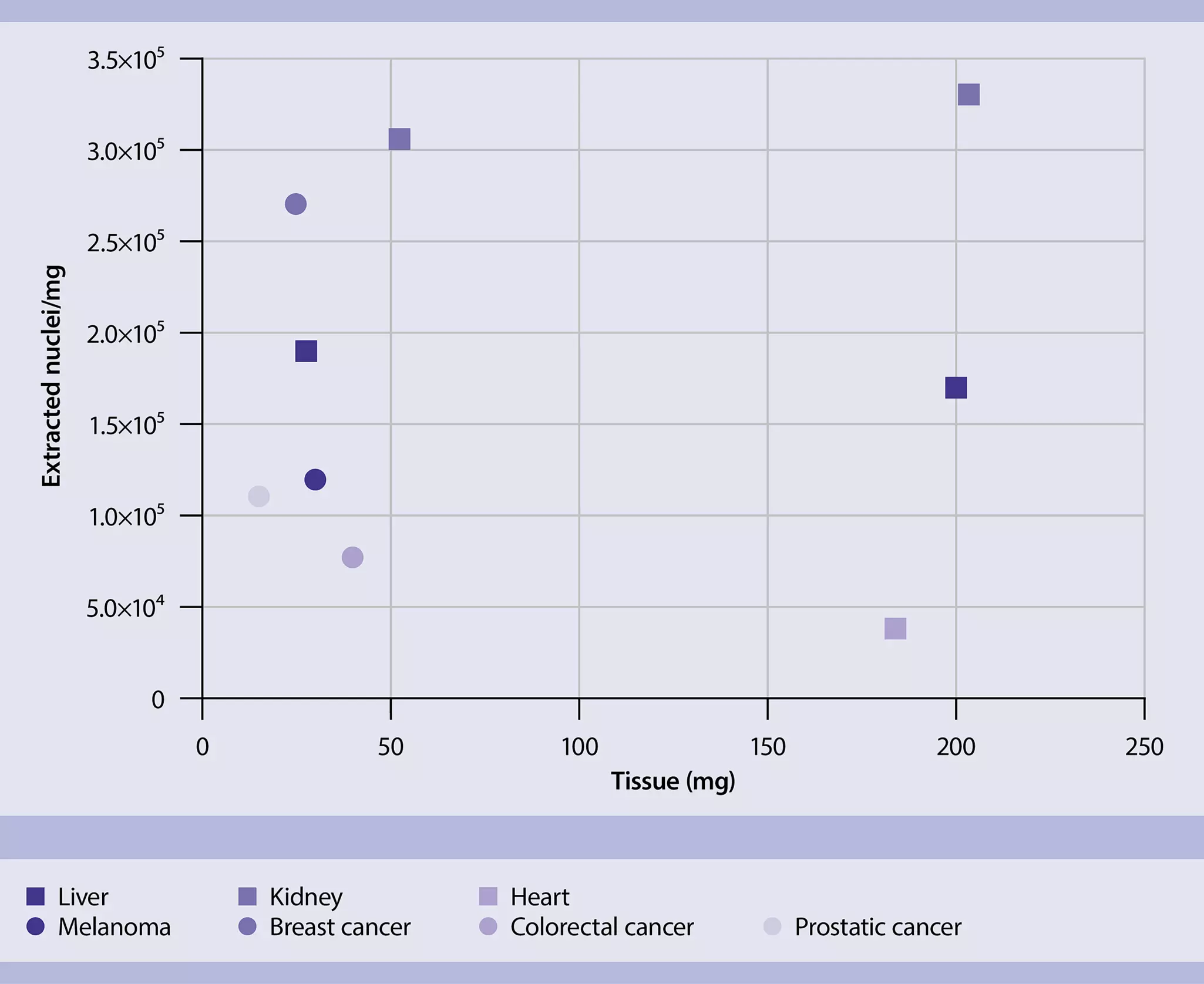
Graph that shows the yield of nuclei per mg of tissue: from snap frozen mouse tissue and OCT embedded human tumors.
Preparation of single-nuclei suspensions from snap-frozen mouse tissue and OCT-embedded human tumors

High nuclei yields from different snap-frozen mouse tissues and OCT-embedded human tumors

Single-nuclei suspensions obtained from different snap-frozen mouse tissues and OCT-embedded human tumors show high numbers of extracted nuclei per mg of dissociated tissue.

Microscopy image showing nuclei stained with  DRAQ5™ Staining Solution after extraction using  Nuclei Extraction Buffer and gentleMACS Octo Dissociator
Single-nuclei suspension from mouse brain

Microscopy analysis of nuclei extracted from mouse brain

Intact nuclei from snap-frozen mouse brain extracted using the Nuclei Extraction Buffer in combination with the gentleMACS Octo Dissociator with Heaters.

Nuclei enrichment improves results of downstream applications

Some tissues, such as brain, liver, and heart, need further nuclei enrichment to meet the quality requirements for downstream applications, such as snRNA-seq. Based on MACS® Technology, our Anti-Nucleus MicroBeads enable easy and fast enrichment of single-nuclei suspensions by positive selection.

Before enrichment

After enrichment

Before enrichment

After enrichment

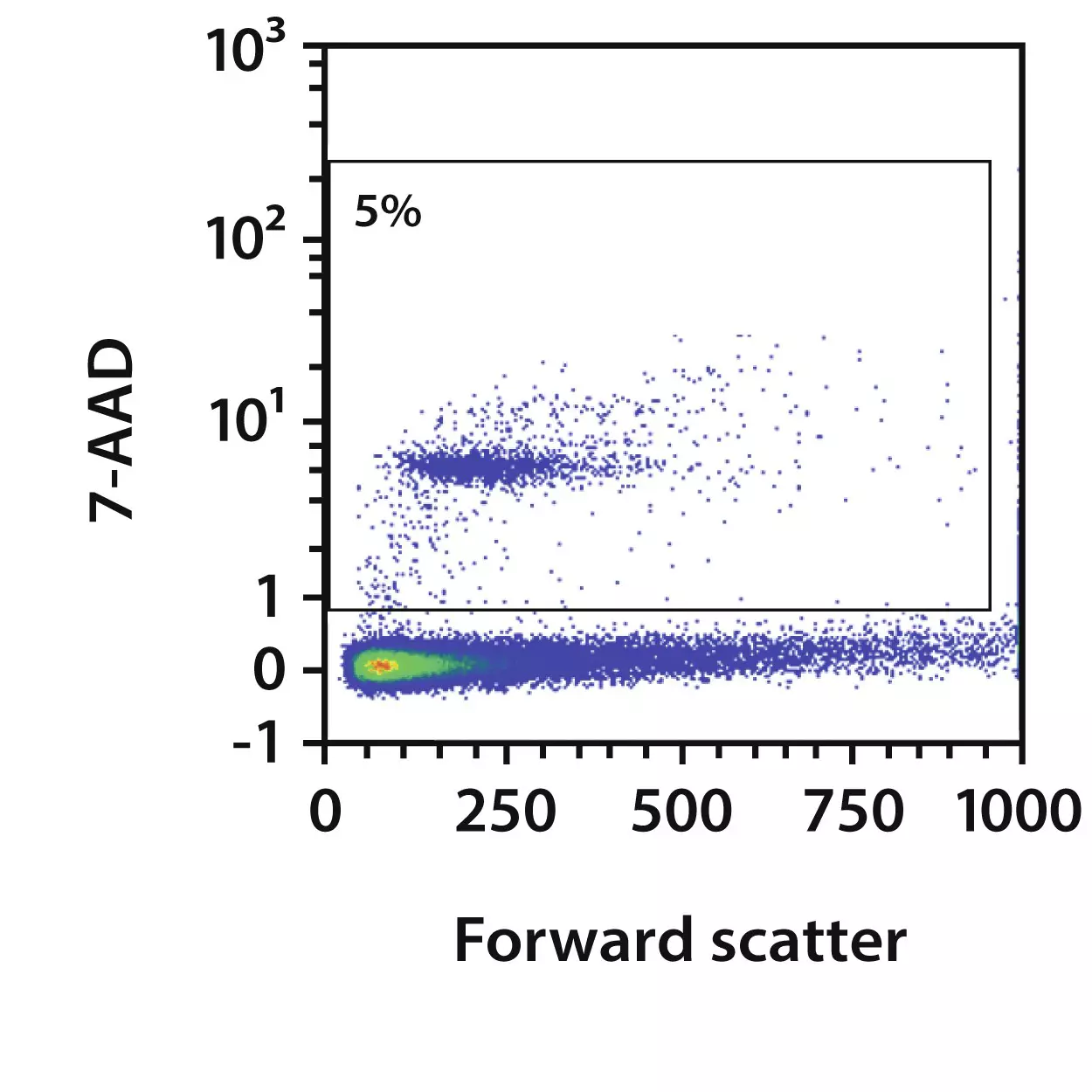
Nuclei Extraction Buffer, gentleMACS Octo Coolers, and a gentleMACS Octo Dissociator with Heaters were used to extract nuclei from mouse brain tissue. Enrichment was then performed using Anti-Nucleus MicroBeads, an LS Column, and a QuadroMACS™ Separator. Nuclei were stained with 7-AAD before and after enrichmentand and analyzed by flow cytometry using the MACSQuant® Analyzer. Nuclei enrichment resulted in an increase in purity from 5% to 87%.

Application note

Optimized nuclei preparation workflow for genomic applications

This application note demonstrates how to optimize nuclei preparation, perform accurate counting, and thus obtain reliable and reproducible snRNA-seq data.

You have previously chosen International as your location.
What do you want to do?