Real-world lab stories & reviews from scientists using the MACSQuant® Tyto® Family
With gentle sorting technology, hands-off operation, and a closed cartridge system, the MACSQuant Tyto Family is the preferred choice for many labs around the world.

Real-world lab stories & reviews from scientists using the MACSQuant® Tyto® Family
Discover how the MACSQuant Tyto Family supports scientists across fields
Improving operational efficiency and simplifying biosafety in core facilities
Marissa Fahlberg, PhD, Assistant Director
Flow Cytometry Core at Tulane University, New Orleans, USA
Facing increasing demands for sterility, biosafety, and application flexibility, this flow core facility adopted the MACSQuant Tyto Cell Sorter. With its closed, aerosol-free cartridge system, the team can safely process infectious samples while improving efficiency and expanding sorting capabilities.
Marissa Fahlberg is the Assistant Director of the Flow Cytometry Core at the Tulane National Primate Research Center (TNPRC), USA. The TNPRC is dedicated to advancing human health through the development of treatments, vaccines, and diagnostic tools for infectious diseases. Supporting this mission, the Flow Cytometry Core Facility collaborates closely with both TNPRC and affiliate scientists, requiring high flexibility and deep expertise to accommodate a wide range of cell types and research applications.
Operational efficiency in flow core facilities with the MACSQuant Tyto Family
Flow core facilities are under constant pressure to support increasingly complex research, sensitive downstream applications, and strict safety requirements.
At TNPRC, integrating the MACSQuant Tyto Cell Sorter improved operational efficiency and sorting flexibility, enabling a wide range of applications, from routine sorts for cell types such as NK cells, B cells, and T cells, to more rare or advanced sorts (e.g., follicular helper T cells and mucosal stem cells). Moreover, the MACSQuant Tyto sorts in a “walk-away” fashion, relieving the busy environment and fully booked calendars of the core facility staff. Fahlberg also points out that “the microfluidic chip confers exceptionally easy setup, while also eliminating the worry that a fluidic issue or clog will cause a long delay or spraying like a traditional cell sorter”.
Built-in biosafety
The TNPRC Flow Cytometry Core Facility operates a BSL-3 laboratory, where sorting biohazardous samples presents significant safety challenges. Conventional droplet sorters require custom safety cabinets and time-consuming decontamination protocols to manage the risk of aerosol formation.
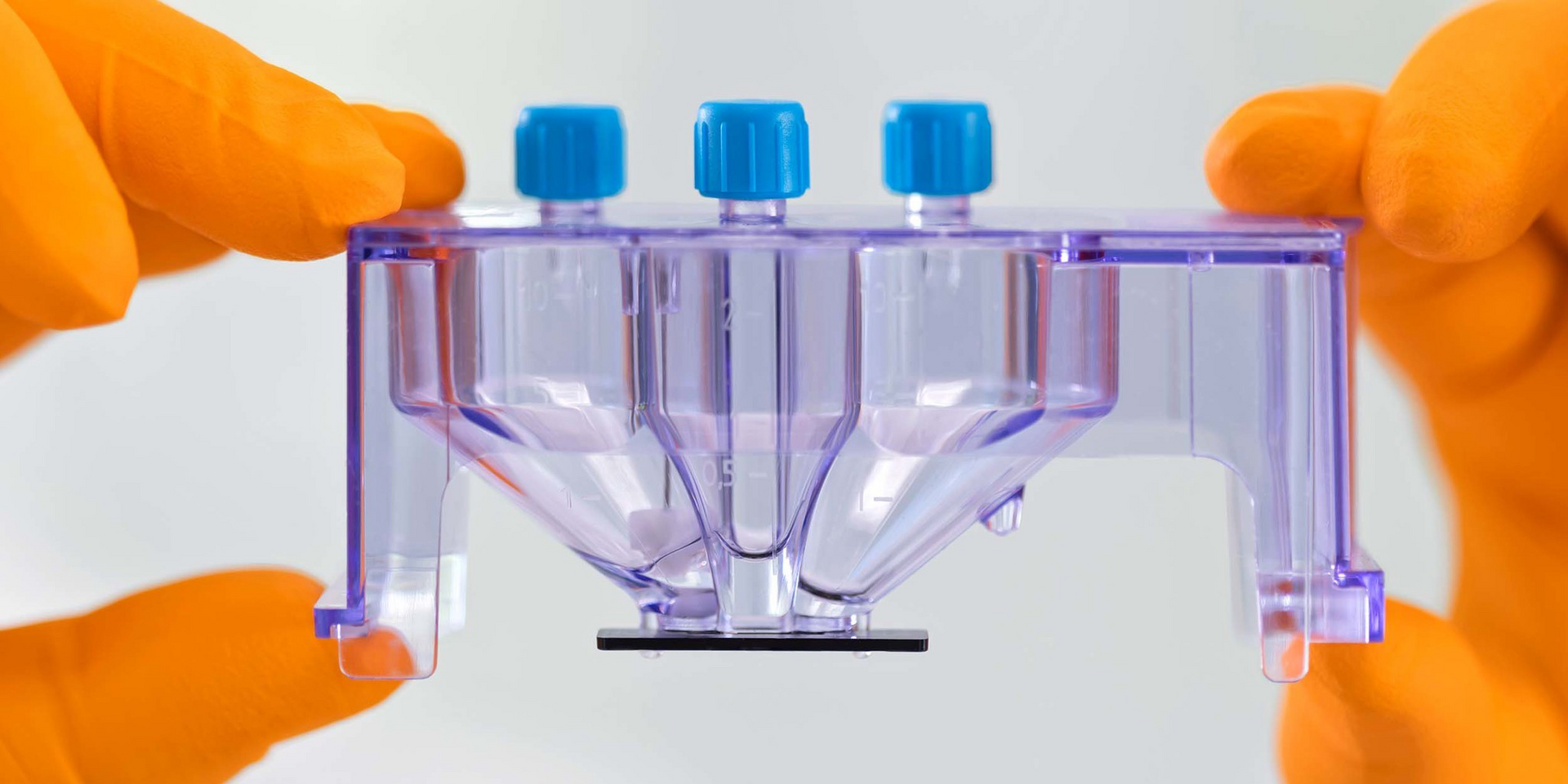
With the MACSQuant Tyto Cell Sorter, sorting takes place entirely within a closed, sterile cartridge, eliminating aerosol generation and significantly reducing operator risk. This built-in biosafety enables safer, more streamlined handling of infectious samples while expanding access to applications that were previously difficult or unsafe to perform.
Watch the webinar with Marissa Fahlberg
Preparing stem cell–derived human microglia for xenotransplantation in Alzheimer's research
Renzo Mancuso, PhD, Group Leader
VIB-Center for Molecular Neurology and University of Antwerp, Belgium
This breakthrough microglia xenotransplantation protocol for Alzheimer’s research required uncompromised cells. With gentle sorting in a closed, sterile cartridge, the MACSQuant Tyto Cell Sorter was a perfect fit.
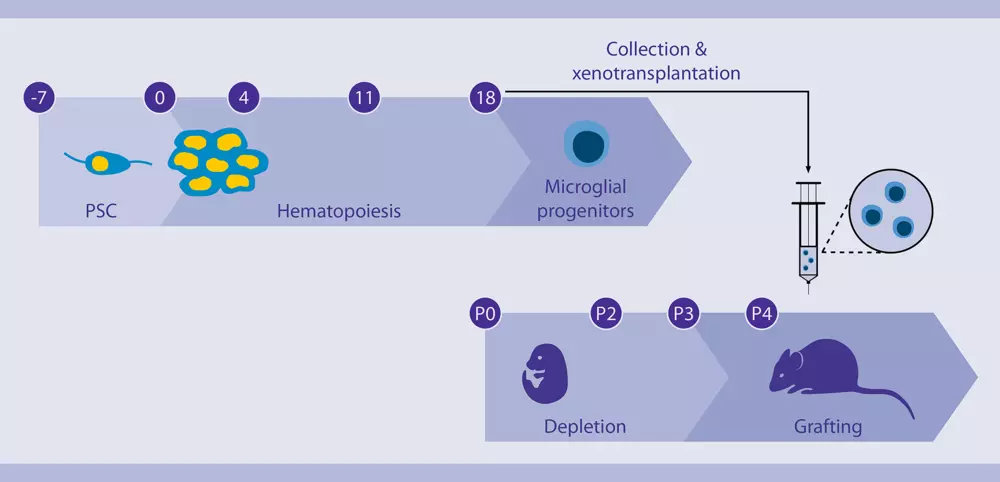
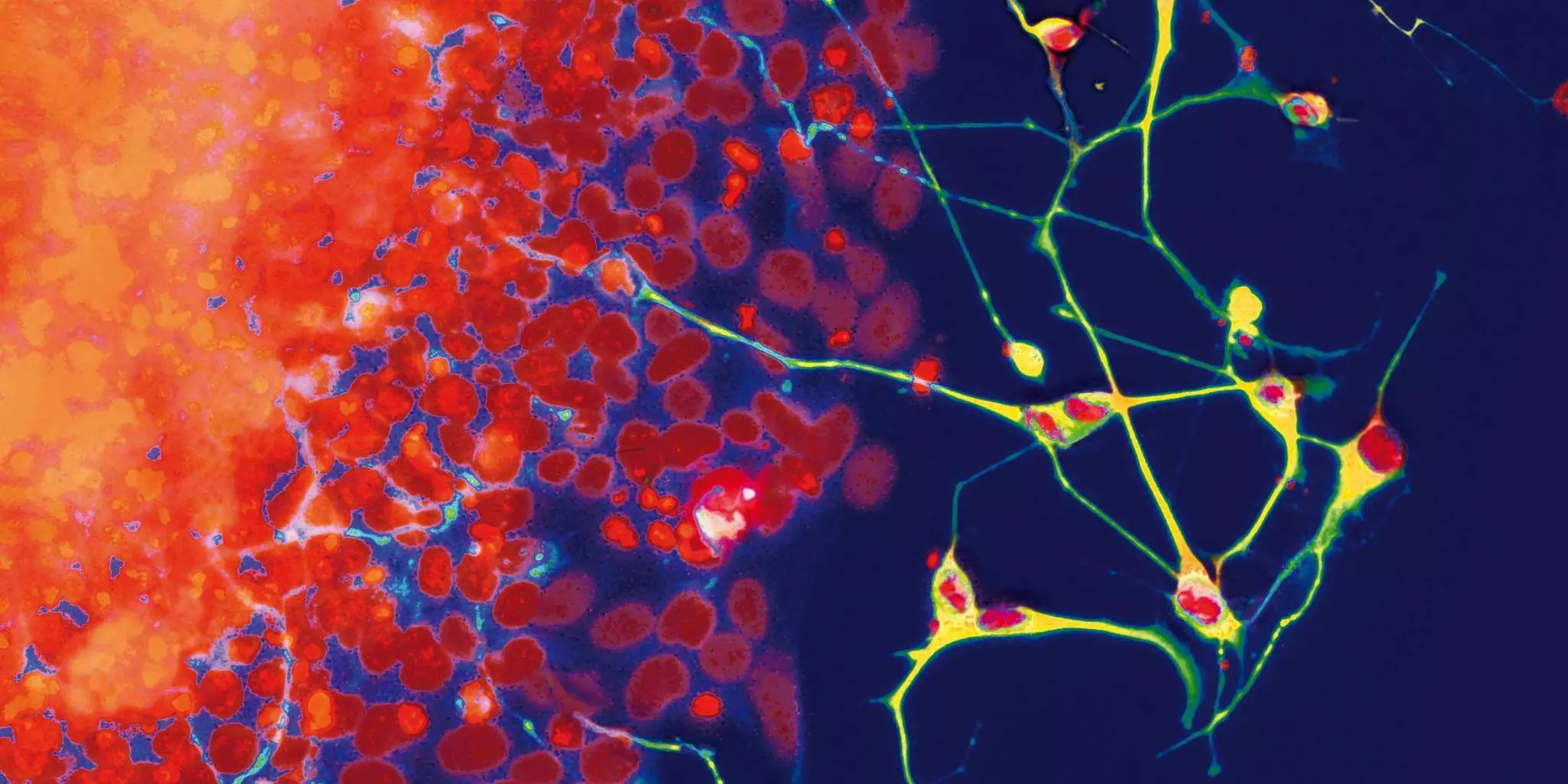
Renzo Mancuso and his team study neuroinflammation in the context of Alzheimer's disease at the VIB-Center for Molecular Neurology, University of Antwerp.
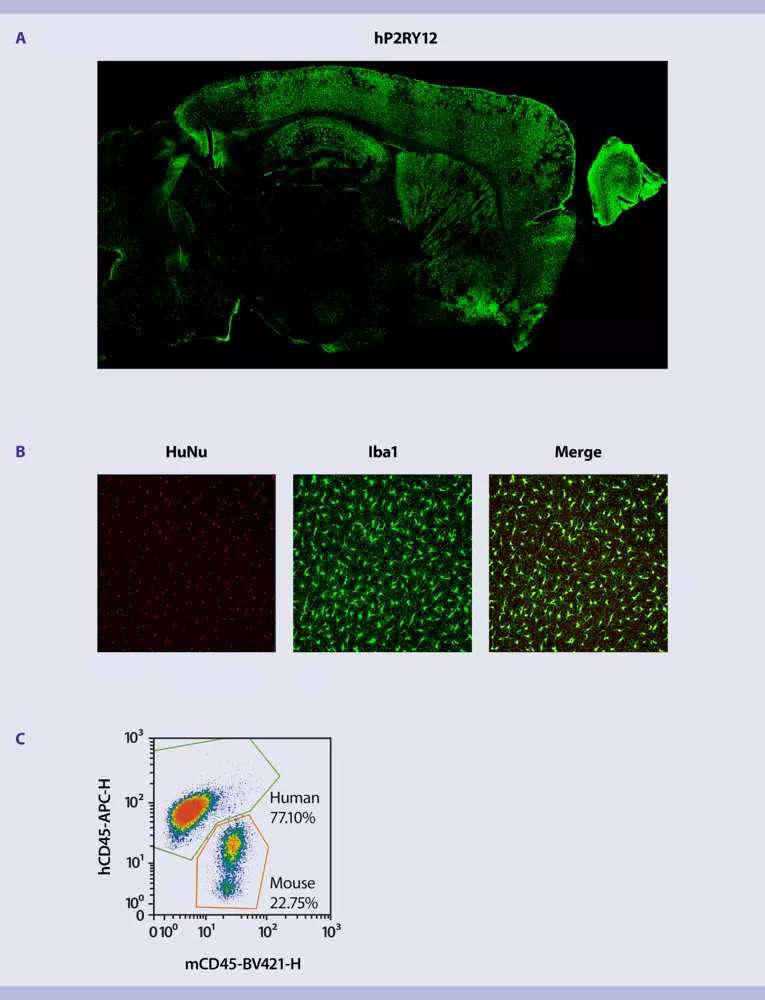
In collaboration with Prof. Bart de Strooper, they introduced the microglia in vitro generation refined for advanced transplantation experiments (MIGRATE) method, developed to transplant human induced pluripotent stem cells (iPSC)–derived microglia cells into mouse brains. This approach enabled them to investigate human‑specific microglia biology that lacks homology in mice, with their findings published in Nature Neuroscience and Nature protocols.
References
Mancuso, R., et al. (2024) Xenografted human microglia display diverse transcriptomic states in response to Alzheimer’s disease–related amyloid-β pathology. Nat. Neurosci. 27: 886–900. | Read article
Safe sorting of innate immune cells to study infectious diseases
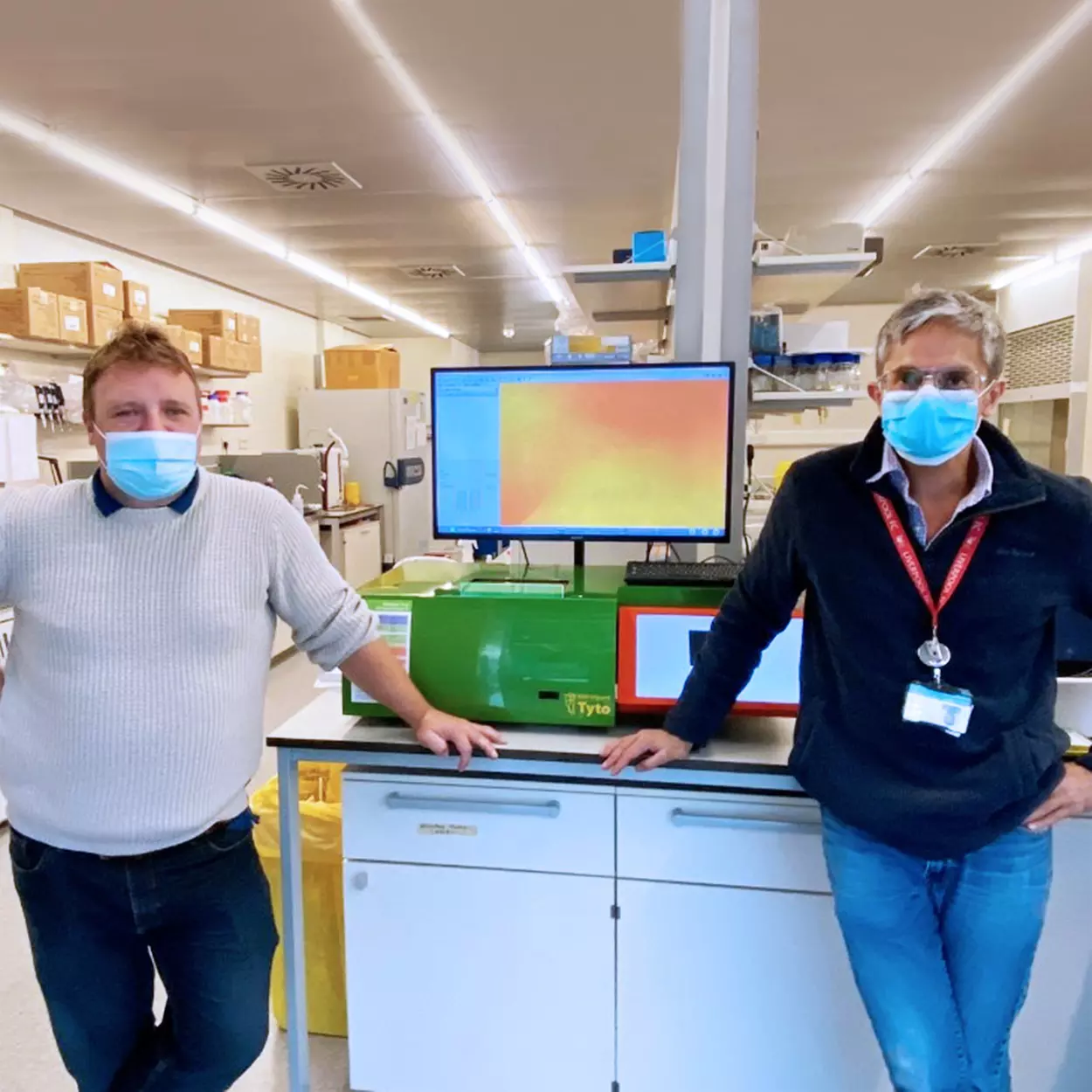
Rajeev Gupta, PhD, Associate Professor of Hematology
University College London Cancer Institute, London, United Kingdom
During the 2020 pandemic and after an exciting discovery, Dr. Gupta’s team focused on understanding the functional properties of innate immune cells from patients with mild and severe COVID-19. Choosing the MACSQuant Tyto Cell Sorter was essential for safe sorting of infectious samples.
Rajeev Gupta is Associate Professor of Haematology in the Stem Cell Group at the UCL Cancer Institute and Consultant Haematologist at University College London NHS Trust.
Studying infectious diseases with the MACSQuant Tyto Family
During the COVID‑19 pandemic, Dr. Gupta's team observed a striking vacuolated phenotype in neutrophils and monocytes from patients suffering from severe COVID-19 with lung complications, not observed in SARS-CoV-2–positive individuals with mild symptoms. This exciting observation prompted further functional studies. As innate immune cells are extremely sensitive and become easily activated by any external stress, conventional droplet cell sorting was unsuitable and risked altering their functional properties.
To overcome this challenge, Dr. Gupta adopted the MACSQuant Tyto Cell Sorter, whose gentle, microchip‑based, closed‑cartridge system allowed safe sorting of infectious patient samples while preserving cell integrity. With the MACSQuant Tyto Cell Sorter, his team was able to continue their research on infectious samples without compromising operator safety or the quality of downstream analysis.
The full interview
Please give us a brief overview of your organization
I work at the University College London’s Cancer Institute, which is a standalone research institute that is part of UCL Medical School. We study the biology of all cancers, and we have a very strong translational interest, being closely allied to University College London Hospitals.
And what is your research focus?
We study the biology of normal human blood stem cells (HSCs), and how they ‘go wrong’ in blood cancers such as leukaemia and lymphoma. Our ultimate aim is to develop novel treatments. A particular interest of late has been understanding how HSCs “decide” when they differentiate from their baseline multipotent state into mature blood cells, and once they make that decision, how they “choose” which type to become. In March 2020, a new area of interest emerged, and it’s a very clinical one that we sort of stumbled into at first. At the start of the pandemic, we noticed some strange features in the blood of the more seriously ill COVID-19 patients. We found that their innate immune cells, monocytes and neutrophils, had a characteristic vacuolated appearance when viewed under the microscope, and when we profiled them by conventional flow cytometry, we found that they expressed high levels of complement receptor 3. We didn’t see these changes in patients who tested positive for the virus but who had remained well; so, there were clear differences in the early innate immune response to SARS-CoV-2 in those patients who suffered lung complications. This was interesting enough for us to want to study it further by comparing the functional properties of innate immune cells from patients with mild and severe COVID-19, but first we needed to isolate them from whole blood.
Enter cell sorting?
Enter cell sorting. But that threw up an immediate challenge: Traditional cell sorting is done using droplet sorters, and the way that they work means that cells are exposed to significant pressures, including rapid decompression, shear forces, and electrical charge. Now, cells vary in their robustness, and the cells of the innate immune system are really extremely delicate, as you’d expect from what are essentially flexible “first responders”. In practice, what this means is that the process of sorting neutrophils and monocytes in a traditional manner is so brutal, that it affects their functional properties, one could say that “the very act of observation alters the observation”, and we had to find a way around this problem.
Why choosing the MACSQuant Tyto Cell Sorter?
The Tyto is perfect: it’s accurate, gentle, and, unlike traditional droplet-based sorters, it doesn’t have the potential for damaging the cells we’re interested in. What’s unique about the Tyto is its closed-cartridge system: you load your sample into the sort chamber through an aseptically locked port, and then all sorting happens exclusively within the cartridge. The instrument itself uses low-pressure, filtered air to guide cells individually along a microfluidic channel, where it interrogates them via flow cytometry. A microchip-controlled magnetic gate within the cartridge then sorts them into target and non-target chambers, which are also part of the cartridge. It’s an incredibly gentle process that leaves our target cells unharmed not only for an accurate understanding of them, but for downstream functional applications too, which is especially important for us. Our previous experience is that monocytes that have been isolated from healthy volunteers by conventional cell sorters seem to be “activated” by the process of sorting and are “hyper-responsive” to practically any stimulus.
What other options did you consider before settling on the MACSQuant Tyto Family?
To be honest, there was never anything else in the frame. I’d seen various bits of information about the Tyto from 2019, so I was fully aware of its existence and capabilities. I always thought it looked like a “nice to have”, but since we already had access to some very high-end traditional cell sorters, it would be a very big funding ask to get a Tyto too. But when COVID-19 came into the frame, that triggered a big change in thinking: We had no idea in the beginning just how infective the virus would be, so it became imperative we had a way to isolate cells in a closed system. That needed a Tyto: No fluidics whatsoever within the instrument itself, so no risk of carryover contaminations but, more importantly, no aerosol formation, which made it completely safe, even in BSL-1 or 2 conditions. Another thing that’s really comforting about the whole system is that, even if you make a critical mistake, you don’t ruin your sample: It goes into a chamber from where it can be rescued. Indeed, far from just rescuing you if you mess up, you can use that feature to chance to redo and optimize your approaches over and again.
Are there any plans for long-COVID research?
Absolutely. We’re currently embarking on a long-COVID project with several physicians in the private sector. They have referred a lot of patients who’ve had documented SARS-CoV-2 infection, but are plagued by persistent post-infective symptoms, and they have provided us with blood samples from these individuals. Their blood seems mostly normal, but they have subtle defects in effector T cell subsets, meaning T cells will be a key population to look into. The Tyto is proving a highly effective way of isolating T cells for further study.
And outside of COVID-19?
Originally, the Tyto was housed in our diagnostic facility because it was at first intended only for use with potentially highly infectious COVID-19 samples. We have subsequently moved it to the Cancer Institute, and right now we’re using it for a variety of applications: Recently, colleagues who work on neurological cancers have been using it to isolate individual cancer cells from dissociated brain tissue – something that is almost impossible to do with conventional sorters as the cells are so delicate. In our own work, we have been using the Tyto to isolate HSCs for metabolic studies of mitochondrial function and glucose metabolism. Previously this work would have been done on HSCs isolated using conventional sorters, and an underlying concern of ours has always been whether the very act of cell sorting affected HSC metabolism. Ultimately, we foresee that the Tyto will become general “go-to” device for several groups in the Cancer Institute – and every week more groups are cottoning on to it.
What has been your overall experience working with Miltenyi Biotec?
Where to start? Like most hematology departments, I have a longstanding relationship with Miltenyi Biotec because of CD34 isolation – I mean, you’re the gold standard: That alone buys you the time of day when you’ve got something new to talk about! Actually, I don’t know a stem cell research group anywhere that doesn’t use your products.
Finally, what keeps you motivated in your research each day?
All scientists will tell you they want to get to the bottom of whatever problem they’re working on: We’re captivated by getting the right answers to the questions that we’re interested in by formulating and testing hypotheses. It’s the sheer joy of grappling with a problem that keeps us going!
References
Gupta, R. et al. (2020) Increased Complement Receptor-3 levels in monocytes and granulocytes distinguish COVID-19 patients with pneumonia from those with mild symptoms. Int. J. Infect. Dis. 99, 381–385. | Read article
Enabling the first human clinical trial with iPSC-derived dopaminergic neurons to treat Parkinson’s disease
Daisuke Doi, PhD, Assistant Professor
Center for iPS Cell Research and Application (CiRA), Kyoto, Japan
In this groundbreaking clinical trial published in Nature, Jun Takahashi’s team developed a new cell therapy for Parkinson's disease. Switching from conventional cell sorters to the MACSQuant Tyto Cell Sorter proved essential, dramatically improving cell viability and final product yield while saving time.
Dr. Daisuke Doi works as an Assistant Professor at the Center for iPS Cell Research and Application (CiRA) in Kyoto, Japan, and was strongly involved in the clinical trial program headed by Dr. Jun Takahashi.
High-viability, sterile sorting of delicate dopaminergic progenitor cells with the MACSQuant Tyto Family
These limitations led the team to seek an alternative cell sorting approach. The MACSQuant Tyto Cell Sorter quickly emerged as the ideal solution, combining gentle microchip‑based sorting with a closed, sterile cartridge and GMP‑grade consumables. Compared with conventional droplet sorters, the team achieved significantly higher post‑sort cell viability while maintaining comparable purity and yield. Follow‑up assays confirmed improved cell quality and grafting potential, with higher viability translating into substantially increased final product yields.
As Dr. Doi notes, “using the MACS GMP Tyto Cartridge with the MACSQuant Tyto Cell Sorter, we’re able to cut cell production time by a third and increase yields”.
References
GMP-compliant microchip based cell sorting of IPSCs-derived dopaminergic progenitors (poster)
Sawamoto, N. et al. (2025) Phase I/II trial of iPSC-derived dopaminergic cells for Parkinson’s disease. Nature 641: 971–977. | Read article
First in-human clinical trial for multitarget adoptive cell therapy in patients with advanced metastatic cancer
Ali Mohamed, PhD, Vice President CMC
Immatics, Houston, USA
Immatics is a clinical-stage biopharmaceutical company focusing on T cell–based cancer immunotherapies. In a pioneering clinical trial for metastatic cancer, the MACSQuant Tyto Cell Sorter was essential to isolate tumor-specific CD8⁺ T cells. These endogenous cells were expanded and successfully reinfused into the patients.
Ali Mohamed works at Immatics (USA), a clinical stage biopharmaceutical company focusing on T cell cancer immunotherapies. One of their current programs is the ACTolog® multitarget pilot study, an adoptive cell therapy (ACT) using a patient’s autologous T cells.
GMP-compliant cell sorting with the MACSQuant Tyto Family
This first in‑human phase I clinical study evaluated the feasibility and safety of IMA101, a personalized, multitarget adoptive T cell therapy for patients with advanced metastatic solid tumors. The MACSQuant Tyto Cell Sorter was used to isolate CD8⁺ T cells specific for up to four predefined peptide-HLA cancer targets from patients' leukapheresis products. These cells were primed, expanded, and reinfused following lymphodepletion.
Target-specific T cells reached up to 78.7% of CD8⁺ cells in the patient's blood, persisted for over a year, were detected in post-treatment tumor tissue, associated with signs of disease stabilization in some patients. These results underscore the critical role of gentle, safe, and precise cell sorting for cell therapy workflows.
This study demonstrates that, even though the cells sorters of the MACSQuant Tyto Family are not GMP compliant, they can support complex personalized therapies in a GMP environment due to the GMP-compliant consumables. Importantly, the cell functionality of the sorted cells is preserved which is crucial in efficiently eliminating tumor cells in patients.
The full interview
This study is exciting because it targets multiple tumor types for the first time. But how can Immatics provide such a specific treatment for multiple cancer types?
Initially, tumor-specific antigen expression is tested from fresh tumor biopsies before the personalized cell therapy is produced. During this biomarker profiling tumor targets are selected. After this, target-specific T cells are isolated from the patient using the MACSQuant Tyto Cell Sorter. In a subsequent T cell priming and expansion phase, tumor-specific T cells expand to the kinds of numbers needed for cellular therapy. Now, the T cells are ready to be infused back into the patient and specifically combat malignant cells.
Why choosing the MACSQuant Tyto Cell Sorter?
We use the MACSQuant Tyto Cell Sorter for the GMP manufacturing of patients' antigen-specific T cells for Immatics' clinical trials, and have successfully manufactured more than 60 patient products to date. The device is easy to use even in this rigorous environment, and I have been very impressed with its performance, especially utilizing the closed and sterile cartridge system to provide a safe environment for the sorted cells. Moreover, the gentle, microchip-based sorting mechanism preserves high viability amongst patients' precious cells before they are moved to culture vessels for expansion.
Watch the webinar with Ali Mohamed
References
Tsimberidou, A.M. et al. (2023) Feasibility and safety of personalized, multitarget, adoptive cell therapy (IMA101): First in-human clinical trial in patients with advanced metastatic cancer. Cancer Immunol. Res. 11: 925–945. | Read article
Sorting highly rare antigen-specific B cells to study infectious diseases
Patrick Wilson, PhD, Professor of Medicine, Principal Investigator
The University of Chicago, Chicago, USA
To study B cell responses in convalescent COVID-19 patients, Patrick Wilson’s team faced two major challenges: isolating extremely rare antigen-specific B cells and safely handling infectious samples. The MACSQuant Tyto Cell Sorter provided the ideal solution.
Patrick Wilson is Professor of Medicine at the University of Chicago and Principal Investigator of the Antibody Biology Laboratory. His research focuses on understanding B cell responses and characterizing antibody specificity and function, with the goal of translating these insights into novel therapies and vaccine development.
In collaboration with another research team, they aimed to investigate B cell responses in convalescent COVID-19 patients using high-throughput B cell sorting and sequencing. To accomplish this, they faced two major challenges: isolating highly rare antigen-specific B cells with a cell frequency of only 0.26% and safely handling infectious samples.
Streamlining complex workflows with the MACSQuant Tyto Cell Sorter
Using the closed, sterile, and aerosol-free cartridge system of the MACSQuant Tyto Cell Sorter, they were able to sort BSL-2 samples directly in their flow cytometry facility without additional safety precautions. “The low pressure and gentle microchip sorting mechanism maintained high cell viability, which enabled us to easily perform 10x Genomics™ on very rare populations of cells”, Wilson explains.
Next-generation sequencing techniques are very sensitive, and require high-quality samples to minimize sequencing artifacts. The gentle sorting mechanism of the MACSQuant Tyto Family fulfills these requirements by sorting cells with high viability and preserving cell functionality.
References
Stamper, C.T., Dugan, H., Li, L. et al. (2020) Distinct B cell subsets give rise to antigen-specific antibody responses against SARS-CoV-2. Research square rs.3.rs-80476 (Preprint). | Read article
Safe sorting of infectious samples without the need for BSL-3 infrastructure
Mariane Schleimann, PhD, Project Manager, Postdoc
Department of Infectious Diseases, Aarhus University Hospital, Aarhus, Denmark
Mariane Schleimann and colleagues are advancing a new COVID-19 therapy by isolating B cells from patients and generating virus-neutralizing antibodies. With the MACSQuant Tyto Cell Sorter, they were able to overcome biosafety limitations of conventional systems.
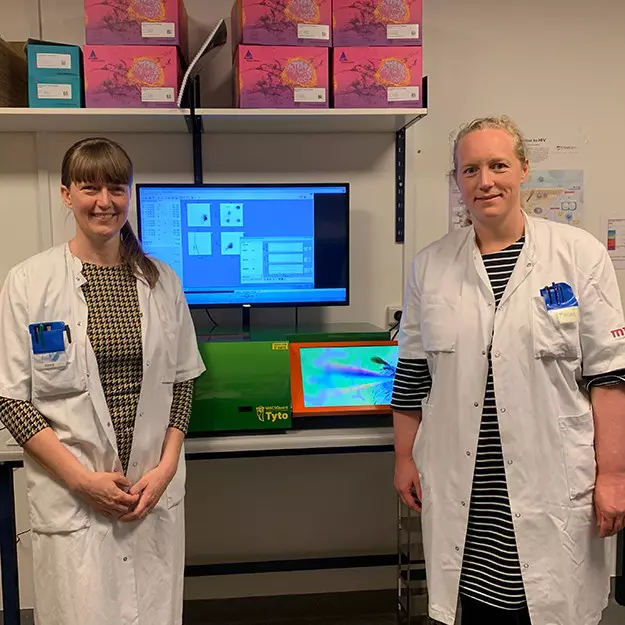
Mariane Schleimann is a Project Manager and Postdoc at the Aarhus University Hospital in Denmark. Previously mainly focusing on HIV-related research, Mariane and her colleagues started to work on a novel therapeutic approach for COVID-19 using neutralizing antibodies.
A new therapeutic approach for COVID-19 using an antibody neutralizing assay
Using the MACSQuant Tyto Cell Sorter to sort B cells from COVID-19 patients, the team subsequently extracts DNA from these B cells and amplifies antibody gene sequences via PCR. These sequences are then used to produce the antibodies of interest, which are eventually tested for their ability to neutralize the virus (neutralizing assay).
Working with infectious samples in lower biosafety level labs with the MACSQuant Tyto Family
Due to aerosol generation and the open sorting system, conventional droplet sorters require operation in BSL-3 labs when handling biohazardous samples. In contrast, the group was able to install and operate the MACSQuant Tyto Cell Sorter in a BSL-1 lab. Schleimann also points out that no in-depth training is needed to use the MACSQuant Tyto Cell Sorter. “Once it’s all set up, a lab manager can be trained to use it easily: they don’t need all the flow cytometry background knowledge”, says Schleimann. Taken together, the research project at Aarhrus highlights the benefits of sorting in a closed and sterile system, thereby providing safety not only for the samples, but also for the laboratory staff.
The full interview
How is your unit set up at the Aarhus University Hospital?
Our department is essentially a combination of hospital and university, with medical doctors and PhD students, postdocs, and other scientists all forming part of the team. Altogether, we’re made up of three individual but closely interlinking groups comprising around 40 people in total, all of whom are looking at infectious diseases and clinical medicine on a daily basis. Currently, one of several aims is to discover neutralizing antibodies to use in corona therapy, something we are also attempting to use in our regular HIV research; it’s a new therapeutic approach with, we hope, a great deal of potential.
That sounds promising, but challenging.
I imagine many of us get into cellular biology to be part of the effort to find cures and treatments for various diseases, to help people that are sick. By doing it here at the hospital, we are of course close to where the patients are: We get their actual samples and work with them directly. My PhD research gave me a lot of knowledge, and there’s no doubt that this work, and the work of others in this field, is extremely important, but for me I get real satisfaction out of being so close to the infection whilst working on how to cure it; that closeness to the patients and medical doctors, seeing the difference we make, often in real time, is more than motivation enough to keep working at the challenges.
How are you using the MACSQuant Tyto Cell Sorter?
When the instrument was demonstrated for us, we actually wanted to use it to sort CD4+ T cell subsets from HIV-positive patient material. Facing COVID, we swapped our scope to SARS-CoV-2 research with the aim of developing a new antibody-based treatment. Our intended workflow is to get plasma from recovered COVID-19 patients, incubate it with the virus, and measure the levels of neutralization. If we find we have good neutralizers, we also test them against 2002’s SARS virus. In the next step, we´ll be trying to isolate B cells from those patients that can affect both viruses. This way, we hope to harvest antibodies that can be used in treatment. We also use its spike protein coupled to a fluorophore as the bait to mark the B cells that express and produce SARS-CoV-2–specific antibodies.
The MACSQuant Tyto Cell Sorter is a good fit for us because we can use it on plasma cells, memory B cells, or whatever our targets will be. The critical step is sorting B cells from previously infected patients.
Working with potentially infectious samples, how does the MACSQuant Tyto Family address the safety limitations of conventional droplet sorters?
There’s no evidence that the virus is still present in peripheral blood of recovered patients, but we take no chances and treat them as if they are still infected. This means a regular droplet sorter of any kind is completely incapable of meeting our needs.
Being able to rely on closed, sterile containment is incredibly useful to our work: The sorting itself is what created a safety issue, and was the most critical part. With the Tyto everything’s far more practical: There is no longer a critical step as such.
How does the MACSQuant Tyto Family enable safe cell sorting of potentially infectious samples outside of BSL-3 conditions?
We don’t have access to a cell sorter in BSL-3 rooms, which is recommended for working with infectious samples and aerosol-producing lab equipment. The MACSQuant Tyto Cartridge makes it safe to move our samples around to BSL-2 or even BSL-1 because it´s fully closed. When we work with concentrated virus, that happens in a BSL-3 room. As the virus is not concentrated in patients’ plasma itself, it can be handled in a BSL-1 or BSL-2 lab. Nonetheless, droplet-based sorting on conventional machines has to happen in a biological safety cabinet or BSL-3 due to aerosol formation. In contrast to that, we set up the MACSQuant Tyto Cell Sorter in a BSL-1 lab, and still can use it to sort cells from COVID-19 patients.
You are on a novel therapeutic approach for COVID-19 using neutralizing antibodies. How does the neutralization assay work?
In the first step, we isolate antigen-specific B cells using the MACSQuant Tyto Cell Sorter. Next, we perform single-cell DNA extraction to PCR amplify the gene sequences for the antibodies, which we then use to build and reproduce the antibodies we’re so interested in. Those antibodies are then used to attempt to neutralize the virus in BSL-3 conditions.
How many promising antibody candidates do you expect to identify in your approach?
We plan to take material from five patients where we found that their plasma could neutralize the virus and sort out the B cells. From there, we are planning to produce antibodies from 200 antigen-specific B cells per patient that we would further analyze in a 96-well–based high-throughput screening assay. We are optimistic that the size of this screen will be sufficient to identify promising candidates.
Sorting takes place exclusively inside the closed and sterile MACSQuant Tyto Cartridges, there are no fluidics within the instrument itself.
What benefits do you see from the MACSQuant Tyto Cell Sorter, especially in relation to your current COVID-19 research?
It always comes back to the safety issue. That is by far and away the major benefit, but it’s also great that getting hands-on with the instrument requires no in-depth training. Once it’s all set up, a lab manager can be trained to use it easily: They don’t need all the flow cytometry background knowledge. But definitely, being able to rely on closed, sterile containment is incredibly useful to our work: The sorting itself is what created a safety issue, and was the most critical part. With the Tyto everything’s far more practical: There is no longer a critical step as such. Our workflow is running smoothly.
Is the instrument shared outside of the HIV/COVID-19 research team?
No, though we plan to make much greater use of it soon: We want to invite our colleagues studying influenza and polio to take part. As for the flow core unit at the university: They currently have no opportunity to do infectious material sorting, so they are looking for funding for a MACSQuant Tyto Cell Sorter of their own.
Can you imagine a COVID-19 research application where contamination risk would be a concern 100% of the time?
Nothing we’re planning is, but if, for example, a group wanted to do high titer in vitro infection and look at all kinds of -omics, then sure. In most basic immunology/virology settings and generally anywhere where in vitro or ex vivo cells have been infected and interest is in the infected cells only. High concentrations of virus that would necessitate a BSL-3 setting would absolutely benefit greatly from MACSQuant Tyto Cell Sorter.
What has been your overall experience working with Miltenyi Biotec?
I have only good things to say: It’s all been very professional. Our local Miltenyi Biotec representatives are great communicators; they know us well, they understand our needs, and can make great recommendations. We’ve worked with them for years, and in this particular instance, after seeing the MACSQuant Tyto Cell Sorter demo and getting funding, we had it on the premises two days later, and installed just a day after that. I’ve never seen similar processes go so smoothly. And our Miltenyi Biotec trainer was able to adapt easily on the fly to our knowledge level and meet us appropriately. We love your products! They run smoothly, they’re beautiful: no waste, no nothing!
Preserving cell functionality for reliable single-cell genomics
Quy Nguyen, PhD
University of California, Irvine, USA
Using gentle sorting technology in a closed cartridge system, the MACSQuant Tyto Family preserves cell viability and functionality, reducing sort-induced cellular stress and enabling high-quality downstream genomic analyses.
After Quy Nguyen completed his PhD thesis at the University of California, Irvine (UCI), in Dr. Kai Kessenbrock’s laboratory, he transitioned to the Genomics Core Facility at UCI, where he supports scientists with the design and execution of their genomics workflows.
Sorting high-quality samples for genomics with the MACSQuant Tyto Family
During his PhD thesis, Nguyen's work focused on profiling the cellular diversity of the mouse mammary epithelium at single-cell resolution using the 10x Genomics platform to uncover changes associated with breast cancer initiation and progression. Given the tissue’s complex architecture and high cellular heterogeneity, sorting of epithelial cells was essential for downstream genomic analyses.
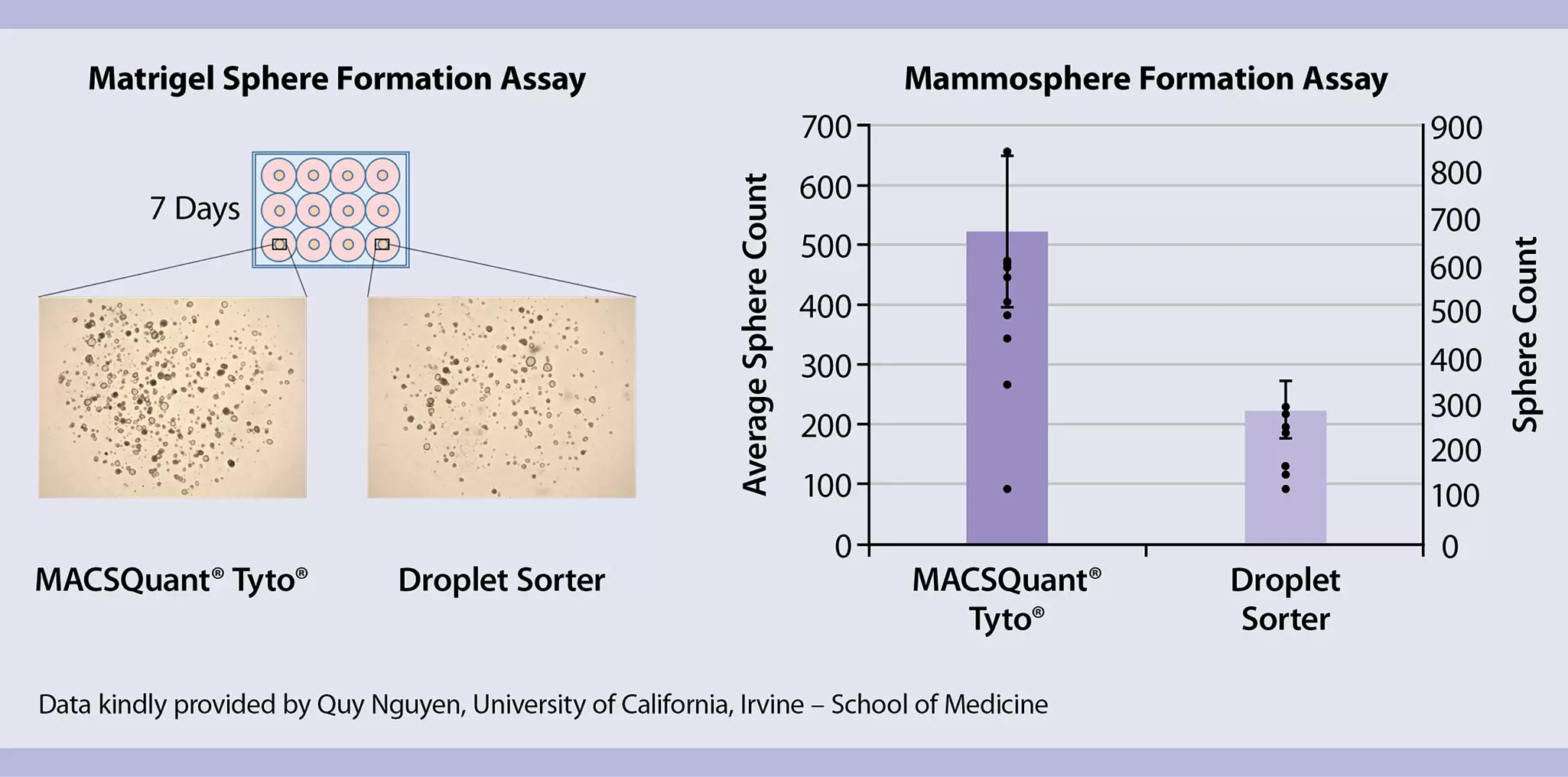
Comparing sorting technologies, Nguyen observed that both conventional droplet sorters and the MACSQuant Tyto Cell Sorter recovered comparable cell populations. However, cells sorted with the MACSQuant Tyto Cell Sorter yielded higher transcriptome quality, with increased gene read counts and lower stress-induced gene activation responses. Importantly, functional assays confirmed these findings: Cells sorted with the MACSQuant Tyto Cell Sorter showed higher growth rates in mammosphere formation assays, suggesting preserved functionality.
Overall, Nguyen’s work highlights that the gentle, microchip-based sorting of the MACSQuant Tyto Family significantly enhances sample quality, enabling more reliable downstream analyses.
Watch the webinar with Quy Nguyen
You have previously chosen International as your location.
What do you want to do?