
Tumor tissue storage and dissociation
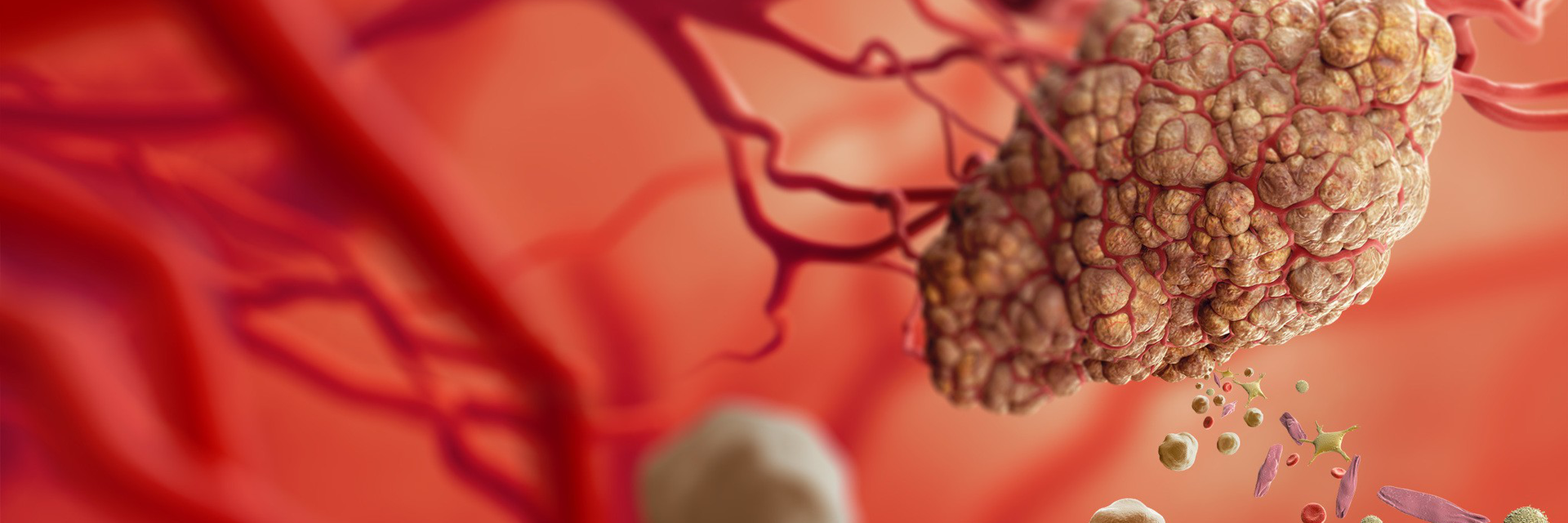
Tumor tissue makes for highly valuable sample material. Samples are treated with utter care to prevent, for instance, sample degeneration or unwanted cell activation. Two delicate steps are sample transportation or storage and tissue dissociation into single-cell suspensions for further analysis. Here, we show how these two workflow steps can be mastered using optimized solutions for human or mouse tumor tissue handling.
Optimized tumor tissue storage
Tumor tissue samples are often transported to the lab, for example, from collaboration sites, or they are stored while other samples are being processed. Optimal storage conditions keep tumor cells viable and prevent unwanted cell activation to enable reliable downstream analysis.

Preserved tumor cell viability after 48 h of tissue storage
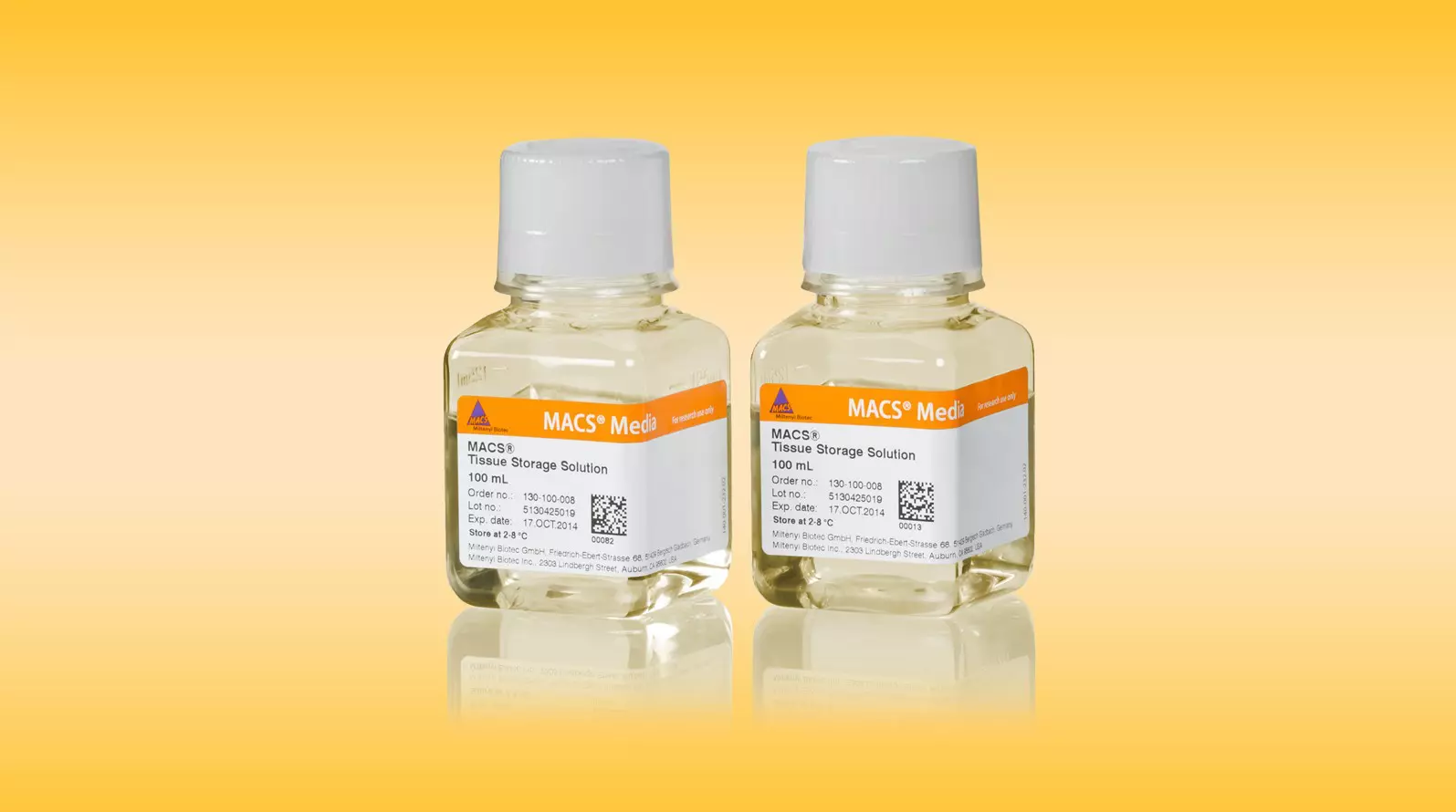
The MACS® Tissue Storage Solution enables storage of tissue for up to 48 h without compromising viability or causing unwanted effects like cell activation or apoptosis.
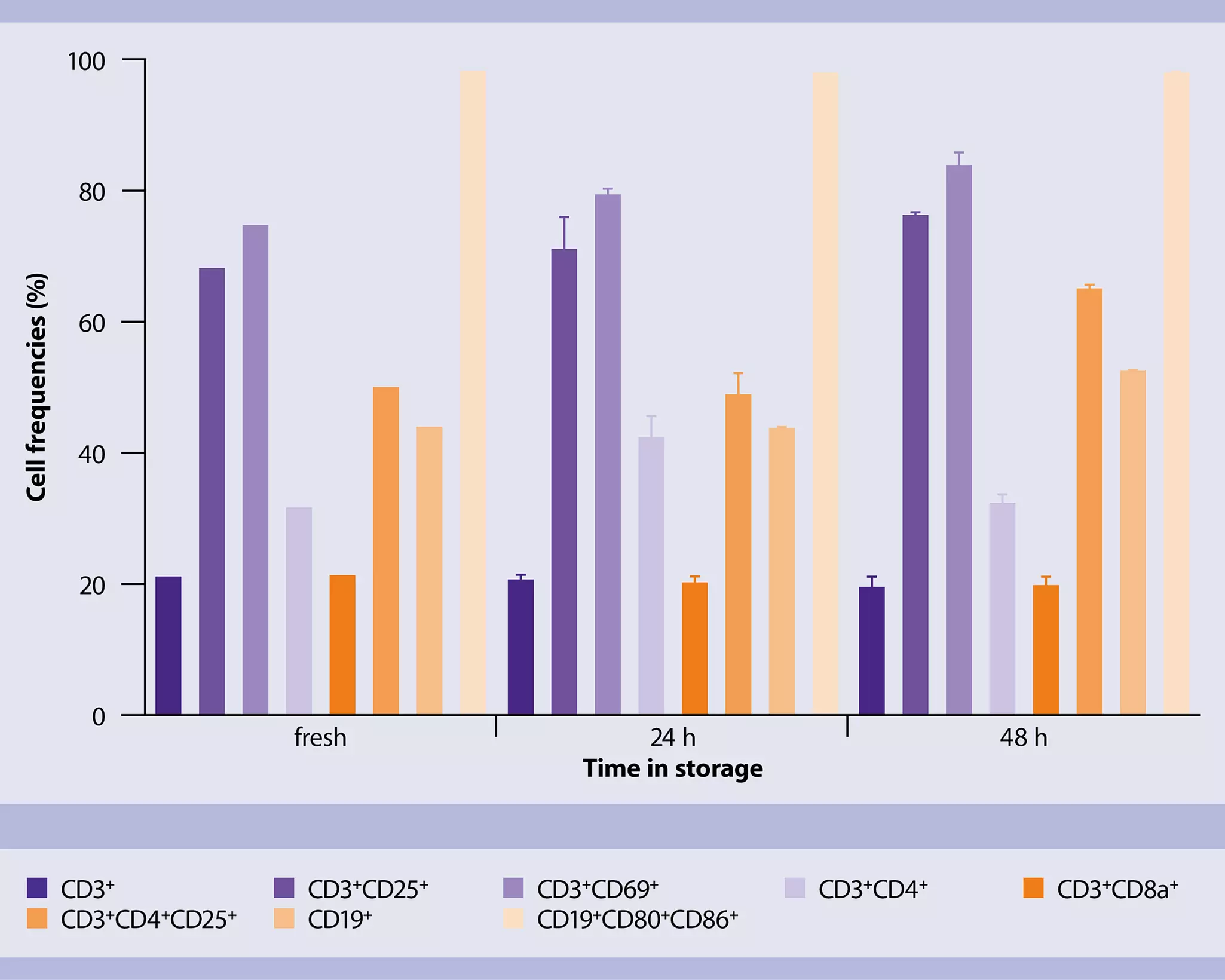
Preserved TIL composition of stored tumor samples
Flow cytometry analysis of tumor-infiltrating lymphocyte (TIL) populations from mouse tumors stored in MACS Tissue Storage Solution show no changes in TIL composition.
Gentle tumor tissue dissociation
Gentle tumor dissociation is a prerequisite for efficient downstream cell separation, flow analysis, cell sorting, molecular analysis, and cell culture. Only viable single-cell suspensions with preserved cell surface epitopes will allow for reliable downstream results.
Using the gentleMACS® Tissue Dissociators with the gentleMACS C Tubes and Tumor Dissociation Kits (human and mouse), mechanical and enzymatic dissociation are combined to enable gentle, automated tumor dissociation for standardized and reproducible results.
Video
How to dissociate tumor tissue (mouse) with the gentleMACS Octo Dissociator with Heaters
Watch how the gentleMACS™ Octo Dissociator with Heaters can help speed up your workflow of dissociating tumor tissue.
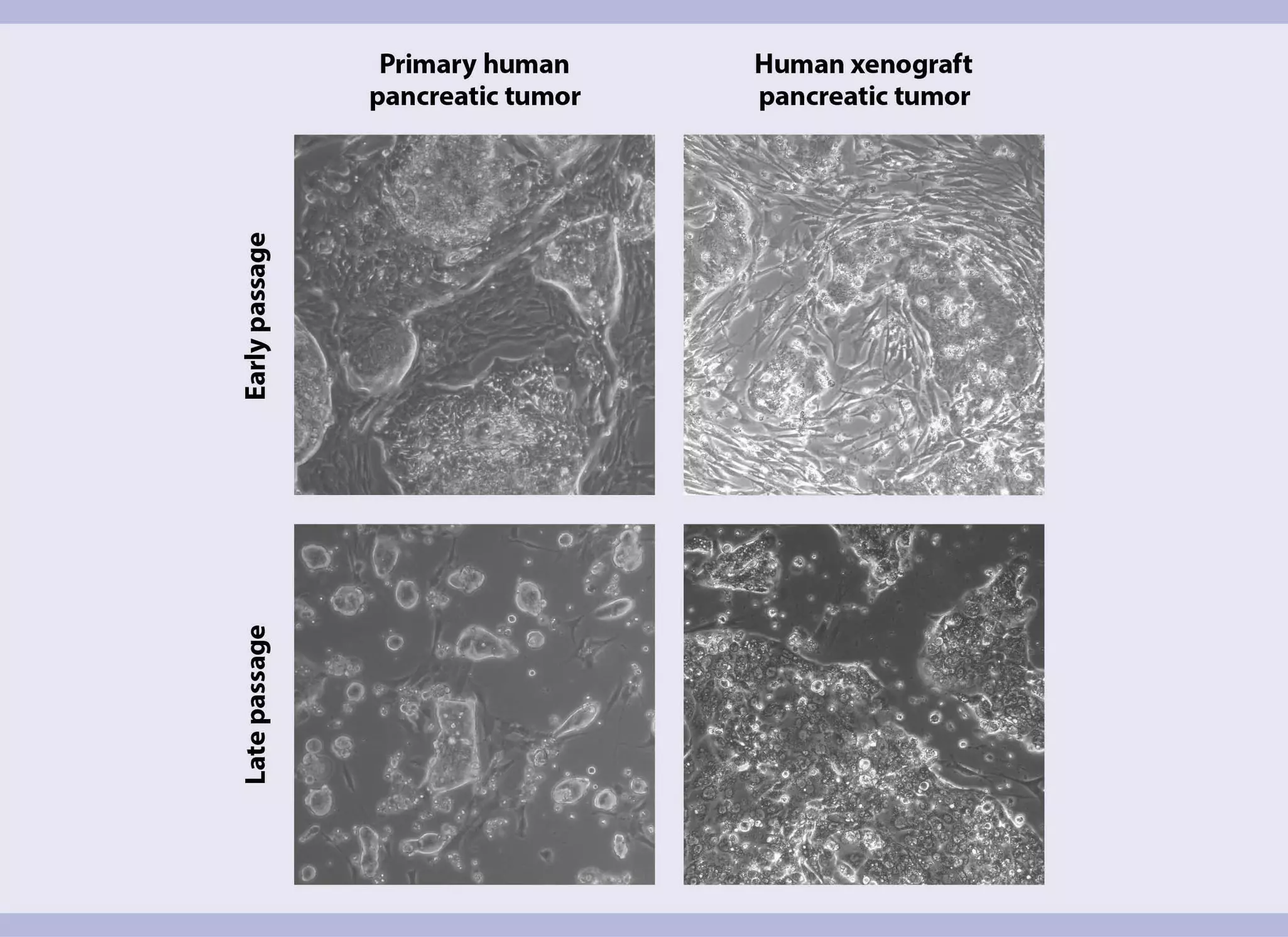
Viable single-cell suspensions even from very small biopsy samples
Dissociation of fresh tumors with gentleMACS Technology in combination with optimized protocols results in viable single-cell suspensions even for small biopsy samples.

Efficient recovery of rare TIL populations
Gentle enzymatic dissociation with Tumor Dissociation Kits allows for recovery of rare key populations of TILs, which would otherwise remain embedded in the tumor tissue.

Analysis of tumor heterogeneity
Single-cell gene expression analysis of mouse tumors enables the clear identification of the different cellular populations present in the tissue.
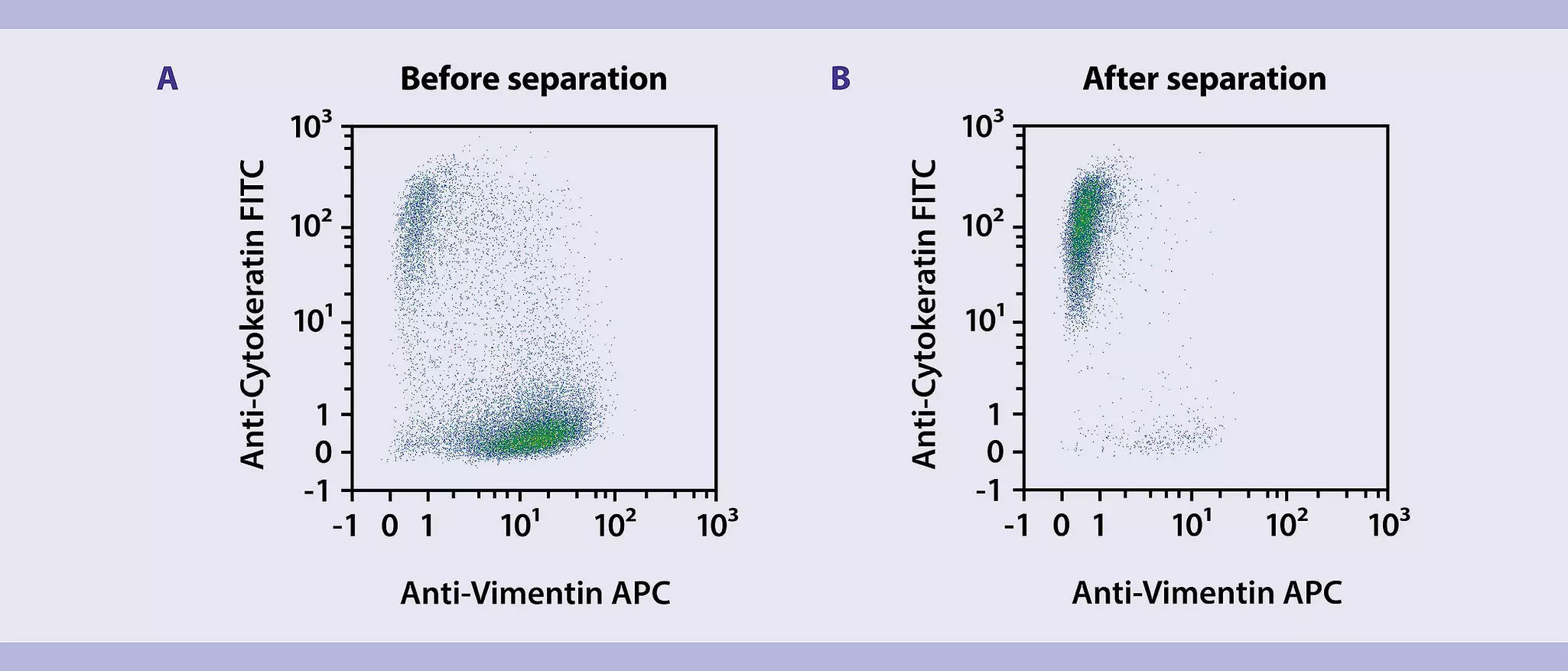
Effective dissociation of FFPE samples
Human formalin-fixed paraffin-embedded (FFPE) carcinoma sections are effectively dissociated with the FFPE Tissue Dissociation Kit. High yields of single cells can be obtained while preserving important epitopes to identify carcinoma cells.
Video
How to dissociate FFPE tissue in some easy steps
Using our gentleMACS Octo Dissociator with Heaters, FFPE tissue can be easily dissociated to get single-cell suspensions for molecular analysis. The protocol allows preservation of cytokeratin and vimentin epitopes which allow the subsequent separation of tumor and non-tumor cells from human carcinoma FFPE samples prior molecular analysis.

Step-by-step protocols for tumor tissue storage and dissocation
Get acquainted with our protocols for the storage and dissociation of mouse and human tumor tissue.
Search:
6 results
You have previously chosen International as your location.
What do you want to do?