Magnetic cell separation


1 Introduction to magnetic cell isolation 2 Magnetic cell separation strategies using MACS® MicroBeads and Columns 3 Magnetic labeling strategies using MACS MicroBeads 4 MACS Columns for magnetic cell isolation 5 Comparison of different magnetic cell separation methods based on nano-sized beads 6 MACS MicroBeads 7 MACS Separators 8 Automation
1 Introduction to magnetic cell isolation
Cell separation, also known as cell sorting or cell isolation, involves extracting specific cells or cell populations from a heterogeneous sample. This powerful and versatile technique supports the analysis and the isolation of distinct cell types, enhancing our understanding of cellular biology, disease mechanisms, and potential therapeutic strategies.
Immunomagnetic cell separation is based on antibodies coupled to magnetic beads. When incubated with a cell suspension, the antibody-bead complex binds to cells expressing the targeted epitope. Placing the suspension in a magnetic field retains the magnetically labelled cells, while unlabeled cells can be removed. The labeled cells can then be recovered by taking the sample out of the magnetic field.
Miltenyi Biotec’s MAgnetic Cell Separation (MACS) features two main technologies: i) a column-based method that uses nano-sized MACS® MicroBeads and ii) a column-free method with micro-sized MACSxpress® Beads. The following chapters will explain the features of these techniques and their advantages over other technologies.
2 Magnetic cell separation strategies using MACS® MicroBeads and Columns
| Target cells | Key benefits | Compatible products | |
| Positive | Labeled cells: - Known marker on desired cells are labeled | - Quick and easy isolation directly from cell suspensions or blood products with known cell types and markers | MACS MicroBeads or MACS MicroBead Kits (MACS MicroBeads, UltraPure, REAlease® MicroBeads and StraightFrom® MicroBeads) |
| Negative | Unlabeled cells: - Known marker on undesired cells are labeled | - Epitopes are completely free for downstream applications | MACS Cell Isolation Kits, MACSxpress® Cell Isolation Kits, StraightFrom Isolation Kits |
| Sequential | - Cell types with an undefined marker - Cells sharing a common marker with an undesired cell type - Different cell subsets from the same sample | - Separates target cells and unwanted cells sharing a common marker - Separate cell subets within one sample | - Depletion or negative isolation followed by positive isolation: MACS MicroBeads - Positive isolation followed by label and bead removal, and a second positive isolation: REAlease Microbeads - Multiple subsequent positive isolations: MACS MicroBeads |
 Related PDFs:
 Related videos:
 Related products:
2.1 Positive selection of a target cell type
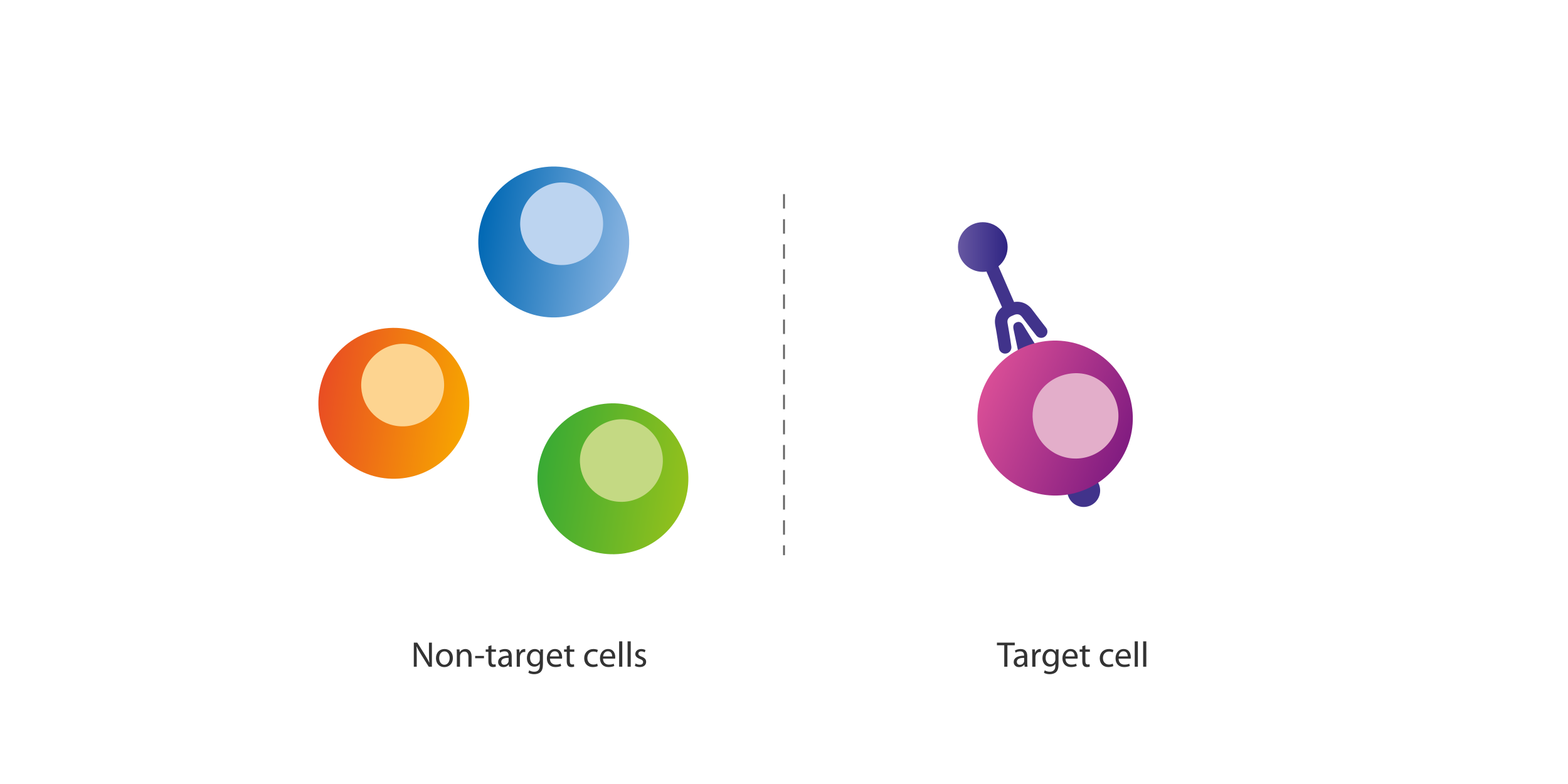


Positive selection means that a particular target cell is magnetically labeled. During separation, these cells are retained within the columns when placed in a magnetic field, while the unlabeled cells flow through. When the column is removed from the magnetic field the target cells can be eluted. Specific MACS MicroBeads are available for the positive isolation of numerous cell types and cell subsets.
Positive selection can be achieved through direct or indirect magnetic labeling. For direct magnetic labeling, cell type–specific MACS MicroBeads bind directly to antigens on the cell surface. For indirect labeling, primary antibodies first bind to the cell surface antigens. Then, MACS MicroBeads bind to these primary antibodies in a two-step process.
For details on different cell labeling strategies, see the '3 Magnetic labeling strategies using MACS MicroBeads' below.
2.2 Negative cell isolation
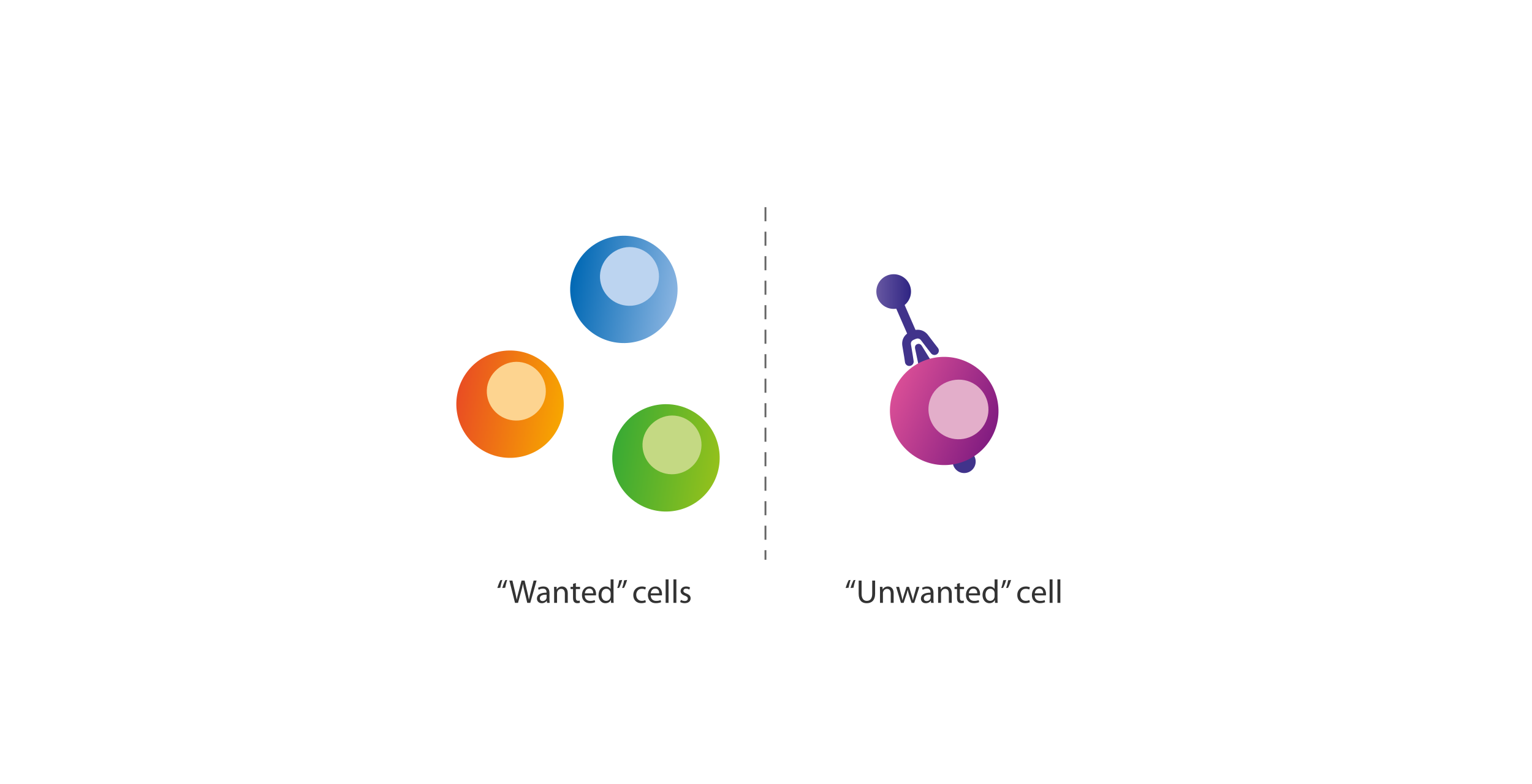
To remove a certain cell type from a mixture of cells, the unwanted cells are magnetically labeled. During separation, the unlabeled target cells are collected in the flow-through fraction whereas the unwanted cell type is retained within the column. Optionally, the retained cells can be eluted after removal of the column from the separator (not shown).
2.3 Isolation of unlabeled cells of interest based on multiple markers
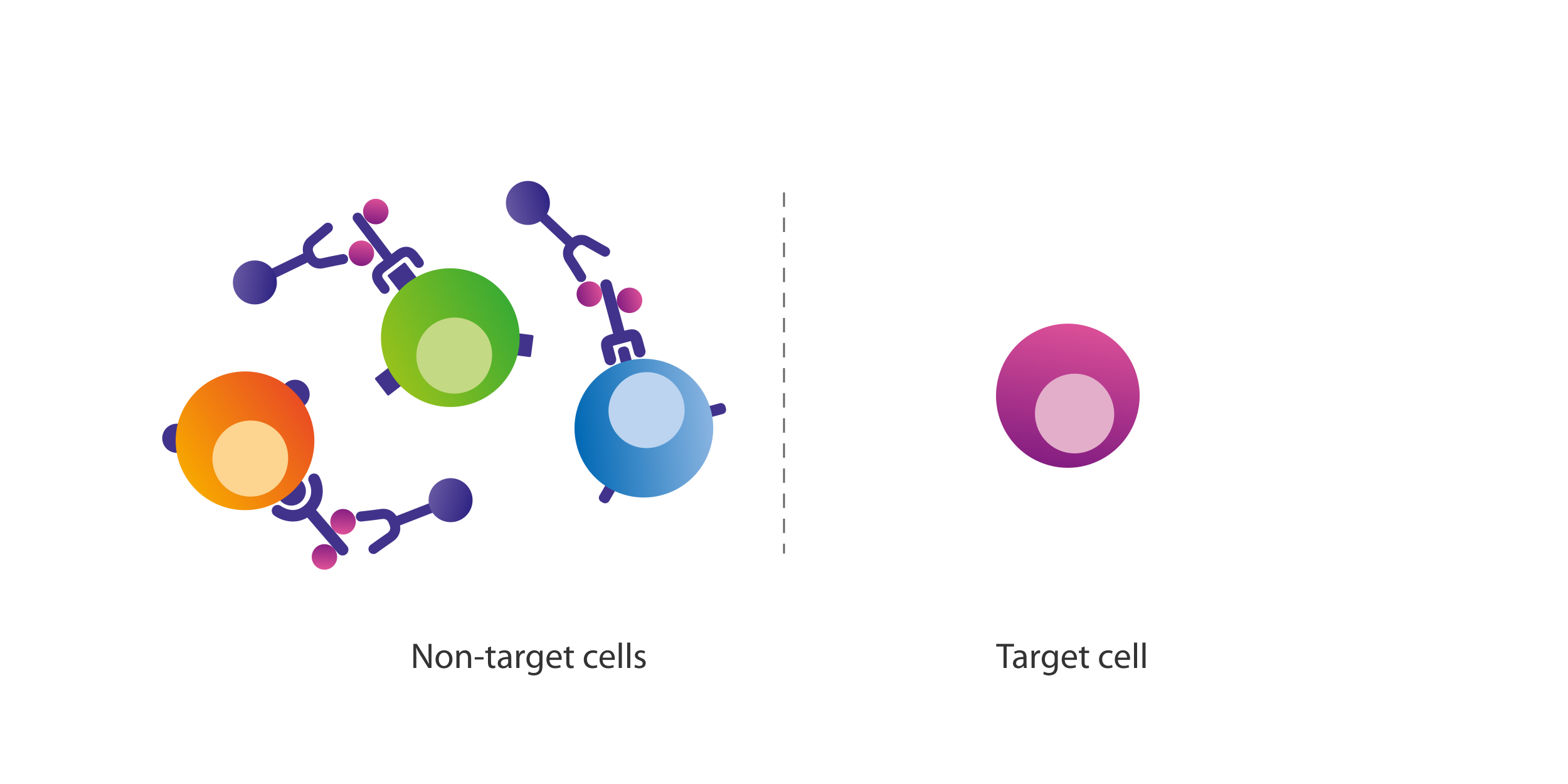
To isolate your target cells while keeping them untouched, non-target cells are magnetically labeled and retained in the column, while unlabeled target cells pass through during separation. If needed, the labeled non-target cells can be collected after removing the column from the magnetic field.
MACS Cell Isolation Kits for untouched isolation use a carefully balanced mix of antibodies and MACS MicroBeads for indirect magnetic labeling. They are ideal when direct antibody binding to target cells is not desired.
2.4 Sequential separations
2.4.1 Negative isolation or depletion followed by positive isolation

This approach is useful when a marker for the target cells is also expressed on a subset of unwanted cells. The unwanted cells must first be depleted to enable positive selection of the target cells based on this marker. This is achieved by magnetically labeling the undesired cells with antigens distinct from the common marker. During separation, these labeled cells are retained in the column, while the target cells pass through. The target cells can then be labeled with MACS MicroBeads specific to the common marker and isolated through positive selection.
Based on this strategy, sophisticated MACS Cell Isolation Kits are available for the fast and convenient isolation of specific cell subsets.
2.4.2 Multiple subsequent positive isolations

This method involves multiple sequential positive isolations using MACS MicroBeads to target two different markers. In the first step, MACS MicroBeads bind to the initial marker, such as CD14+ cells. After separation, the unlabeled cells (the negative fraction) proceed to the second positive isolation. In this step, MACS MicroBeads target the second marker, such as T cells.
2.4.3 Positive isolation followed by label and bead removal, and a second positive isolation
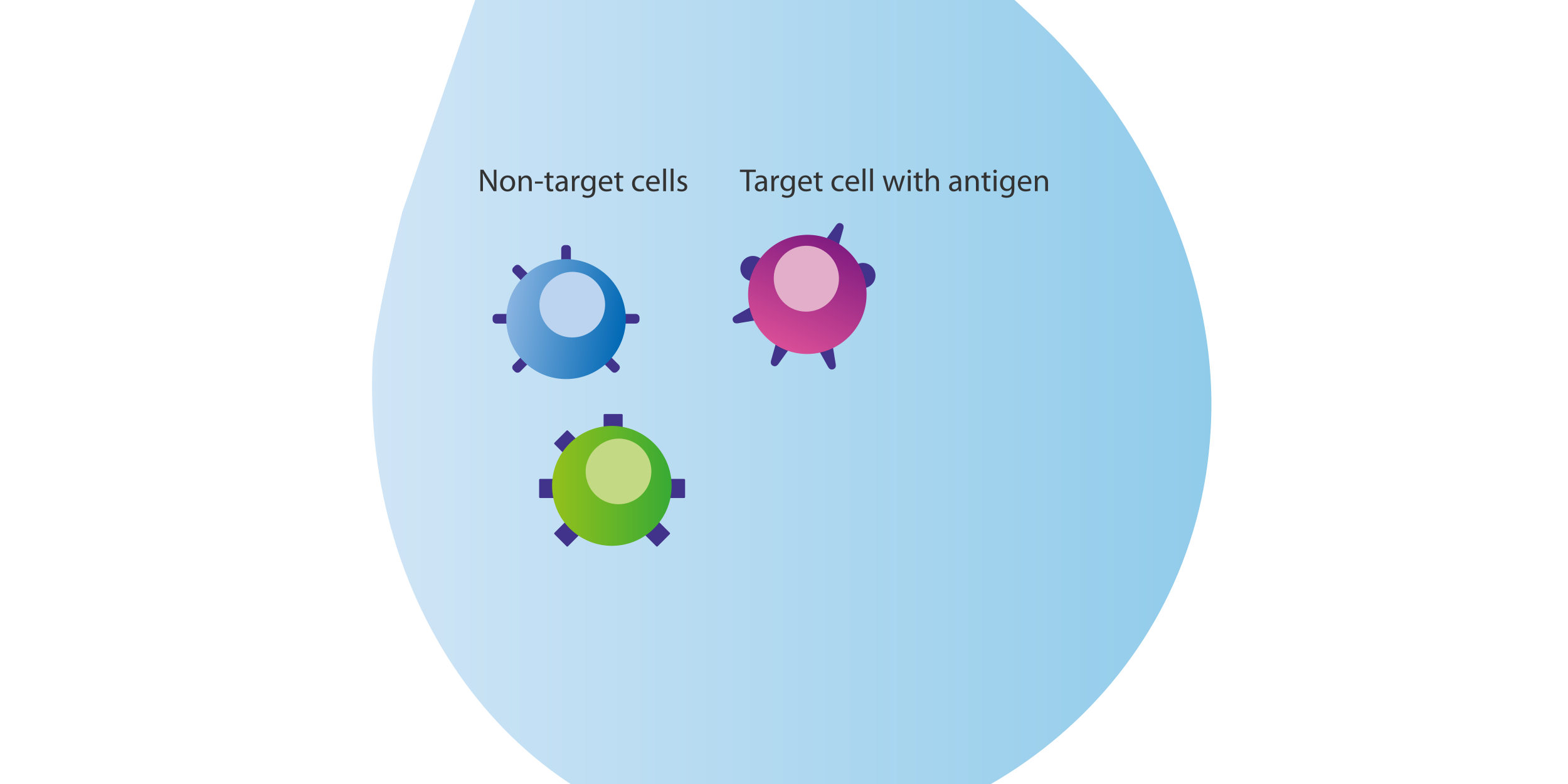
The REAlease® Technology enables magnetic cell isolation through the positive selection of target cells, followed by the removal of any beads and labels from the cells. This technology uses recombinantly engineered antibody fragments instead of whole antibodies for cell surface labeling. These monomeric fragments have a low affinity for cell surface markers, but when multimerized as part of the REAlease Complex, they bind with high avidity. Anti-Biotin MicroBeads bound to the REAlease Complex facilitate the isolation of target cells using MACS Columns and Separators (see figure).
When the column is placed in the magnetic field of the separator, unlabeled cells flow through while the target cells are retained on the column. The labeled target cells are then eluted from the column using the REAlease Bead Release Reagent, which removes the Anti-Biotin MicroBeads from the cells. After elution, there are two options for isolating subsets from this population. The first option is to add the REAlease Release Reagent, which disrupts the REAlease Complex. This causes monomerization and spontaneous dissociation of the antibody fragments from the cell surface, leaving the cells label-free and suitable for re-labeling with REAlease Technology. The second option is to directly label the eluted cells with MACS MicroBeads.
3 Magnetic labeling strategies using MACS MicroBeads
3.1 Direct magnetic labeling

Direct labeling with MACS MicroBeads is the fastest method for magnetic labeling. MACS MicroBeads specifically bind to antigens on the cell surface, requiring only one incubation step. This process involves minimal washing steps, thereby reducing cell loss.
Highly specific cell separation reagents for direct labeling with MACS MicroBeads are available for a variety of cell types for humans, mice, rats, and non-human primates.
3.2 Indirect magnetic labeling
3.2.1 Combination of primary antibodies and MicroBeads
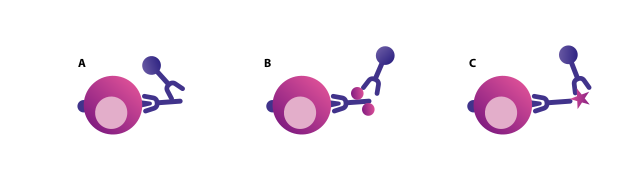
Indirect magnetic labeling using primary antibodies and MACS MicroBeads is based on a two-step procedure. First, the cells are labeled with a primary antibody directed against a cell surface marker. Subsequently, the cells are magnetically labeled with a MACS MicroBead, which either binds directly to the primary antibody or to a molecule that is conjugated to the primary antibody. Conjugated molecules include biotin and fluorochromes. Accordingly, magnetic labeling is achieved with Anti-Immunoglobulin MicroBeads, Anti-Biotin MicroBeads, or Anti-Fluorochrome MicroBeads.
This indirect labeling strategy is useful for isolating untouched target cells. In this example, the unwanted cell types are incubated concurrently with a cocktail of primary antibodies conjugated to biotin. Subsequently, cells are labeled with Anti-Biotin MicroBeads.
3.2.2 REAlease Technology
REAlease Technology is an indirect cell labeling method for positive selection of target cells. Firstly, the REAlease Biotin Complex binds to the target cells, followed by labeling of the complex with Anti-Biotin MicroBeads, to allow for magnetic isolation of these cells. After cell separation, both the Anti-Biotin MicroBeads and REAlease Biotin Complex can be gently removed, leaving the cells bead- and label-free. Enriched cells are then suitable for magnetic re-labeling and further applications where label-free cells are essential.
4 MACS Columns for magnetic cell isolation
4.1 MACS Columns enable gentle cell isolation
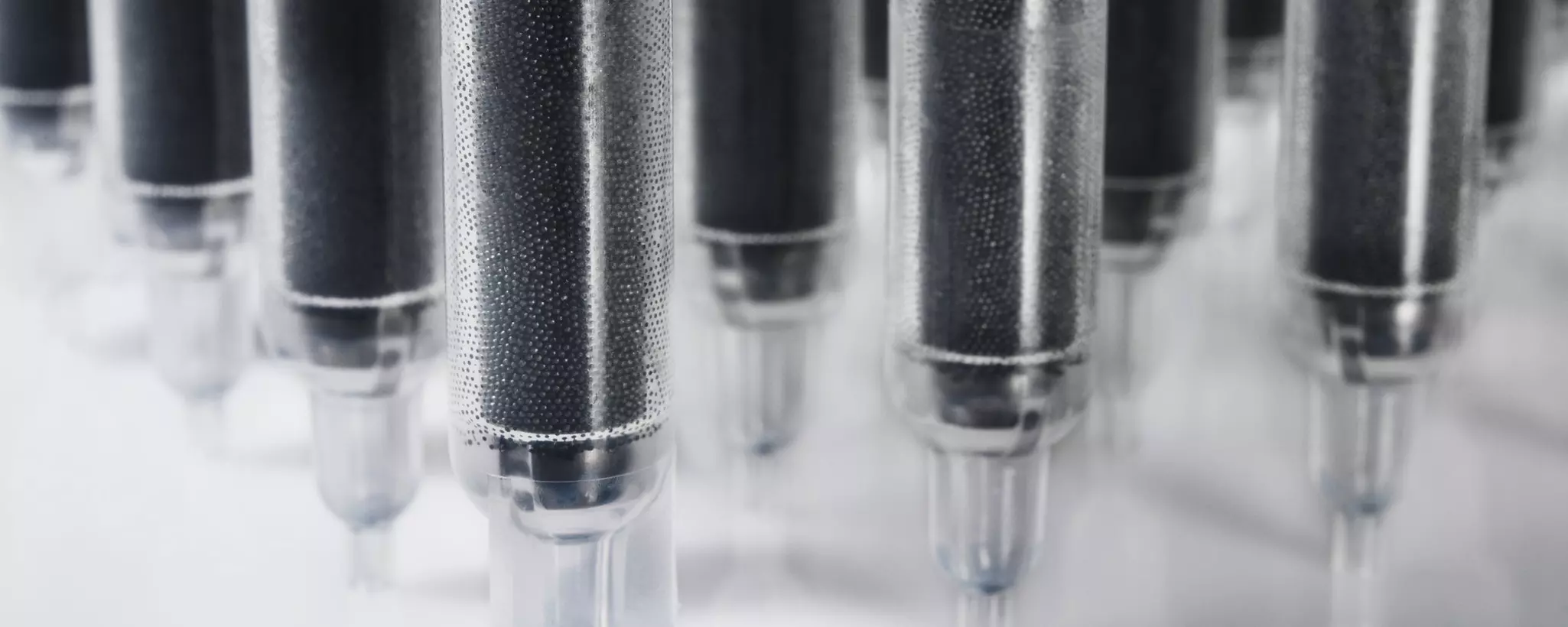
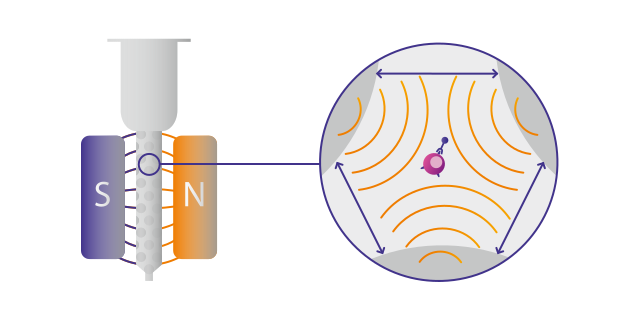
MACS Columns are specially engineered so minimal labeling is required to achieve efficient and gentle cell separation of labeled and unlabeled cells. The technology utilizes specialized columns containing cell-friendly spheres. When a MACS column is placed in a magnetic field, such as in a MACS Separator, an even magnetic force is amplified throughout the spheres. The space between the spheres is approximately 20 times the size of lymphocytes, allowing the strong magnetic field to gently cradle the labeled cells within the column. The unlabeled cells flow through the column freely, remaining unharmed and uncompressed. Once the column is removed from the magnetic field, the labeled cells are smoothly released and can be collected for further applications.
Cell separation using MACS Technology is easy to perform and compatible with any downstream application, including cell sorting, flow cytometry analysis, cell culture, functional assays, and molecular analysis.
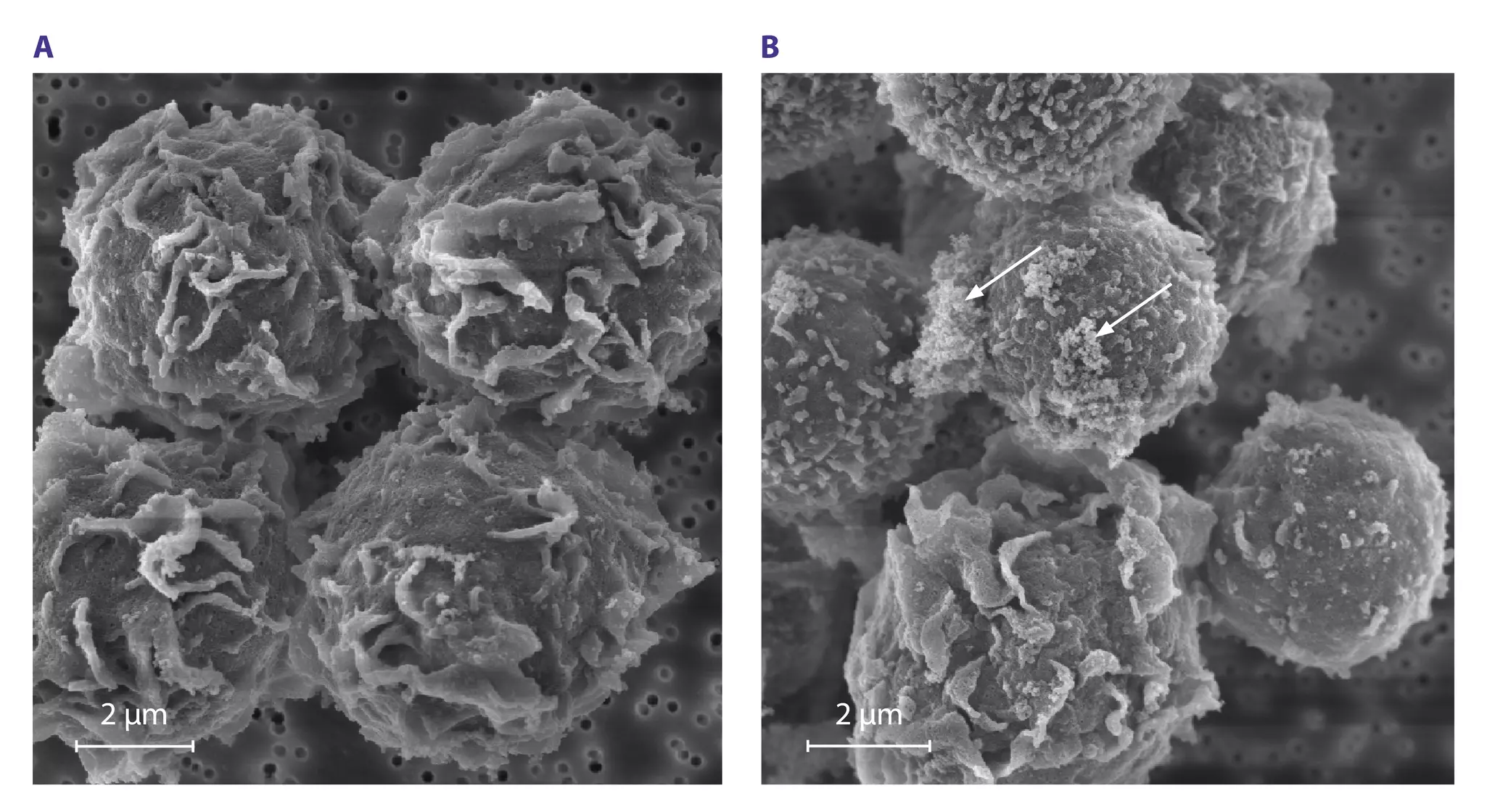
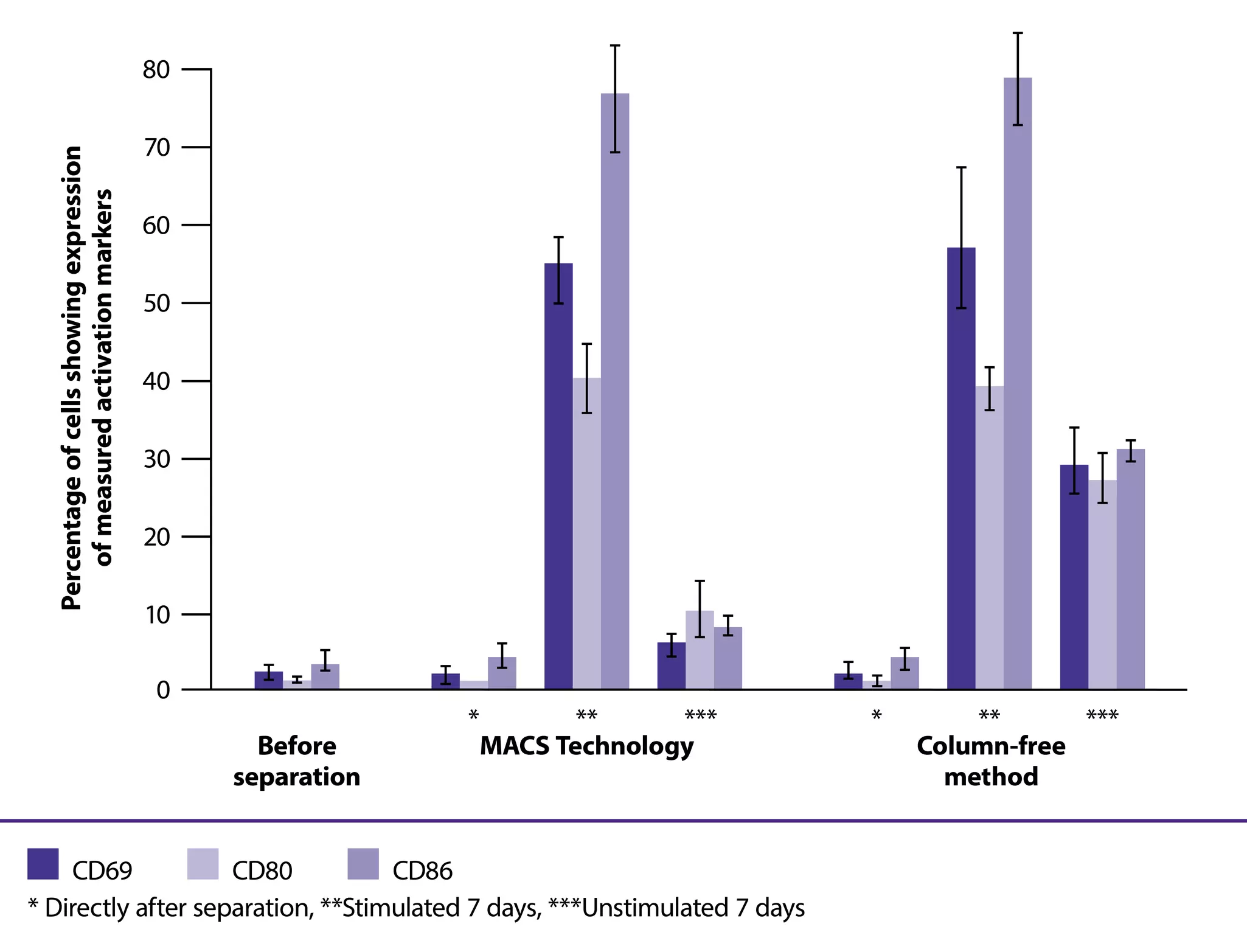
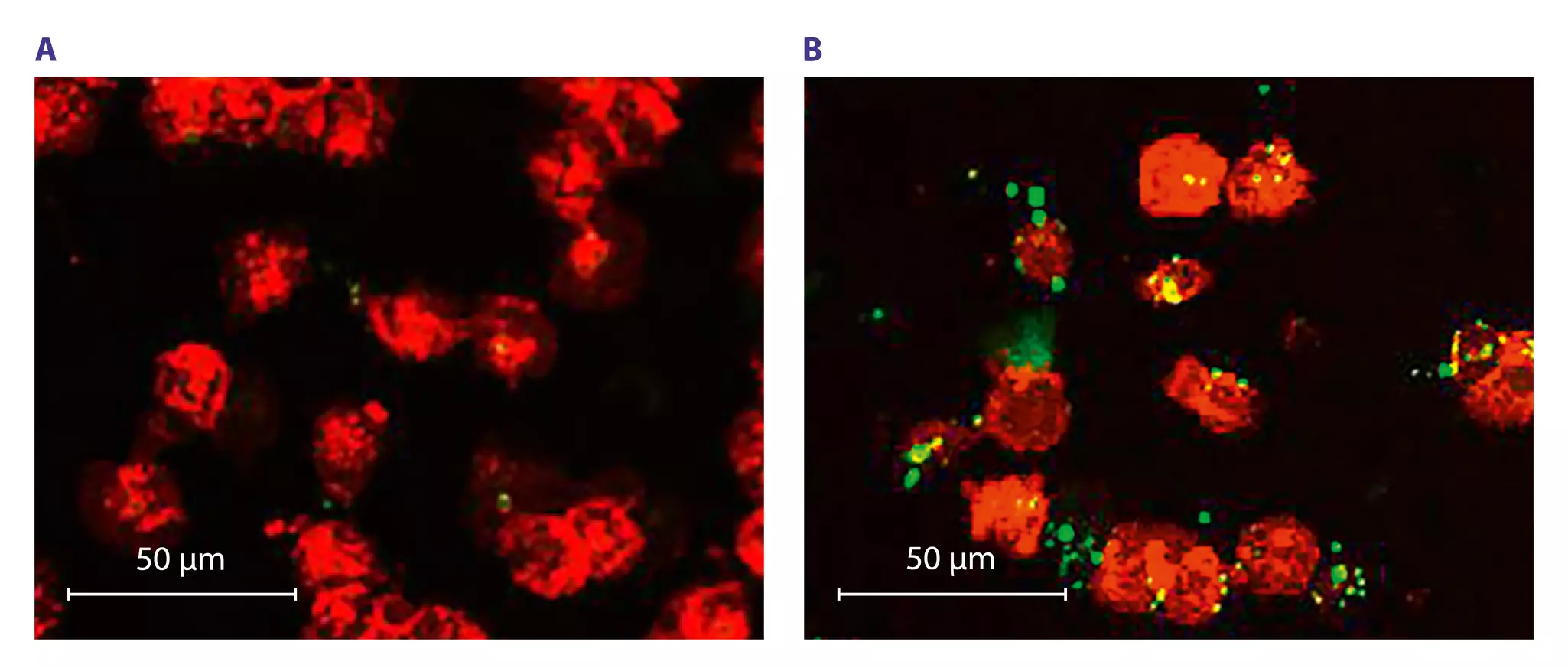
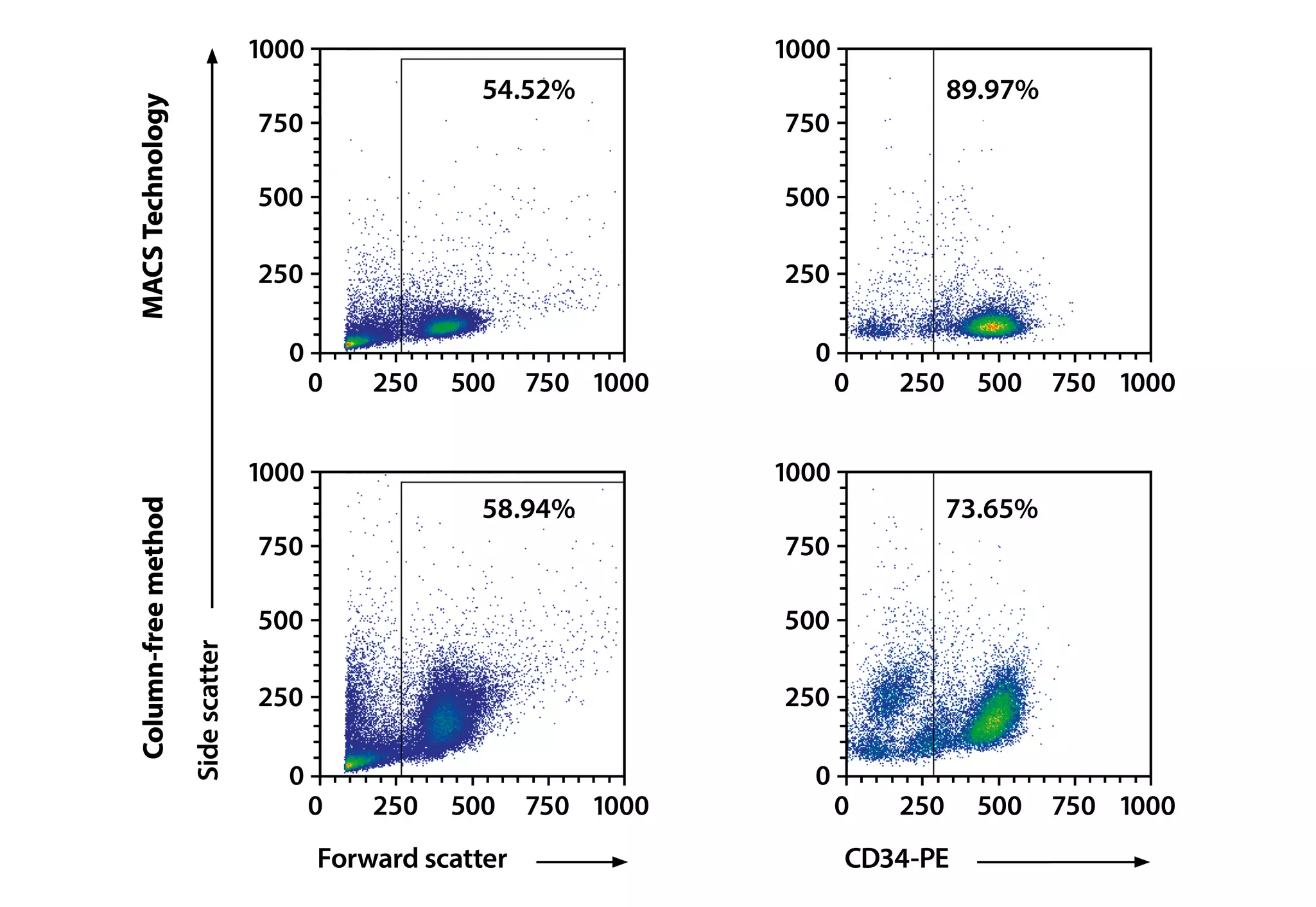
Numerous data demonstrate that column-based cell isolation with MACS MicroBeads does not influence cell characteristics. In contrast, column-free technologies lead to alteration of cell characteristics, non-specific binding of immunomagnetic beads, and epitope saturation. Examples are shown in the figures below.
Related videos:
Related products:
4.2 MACS Columns at a glance
For details about the different MACS Columns, see the page MACS Columns at a glance on our website.
5 Comparison of different magnetic cell separation methods based on nano-sized beads
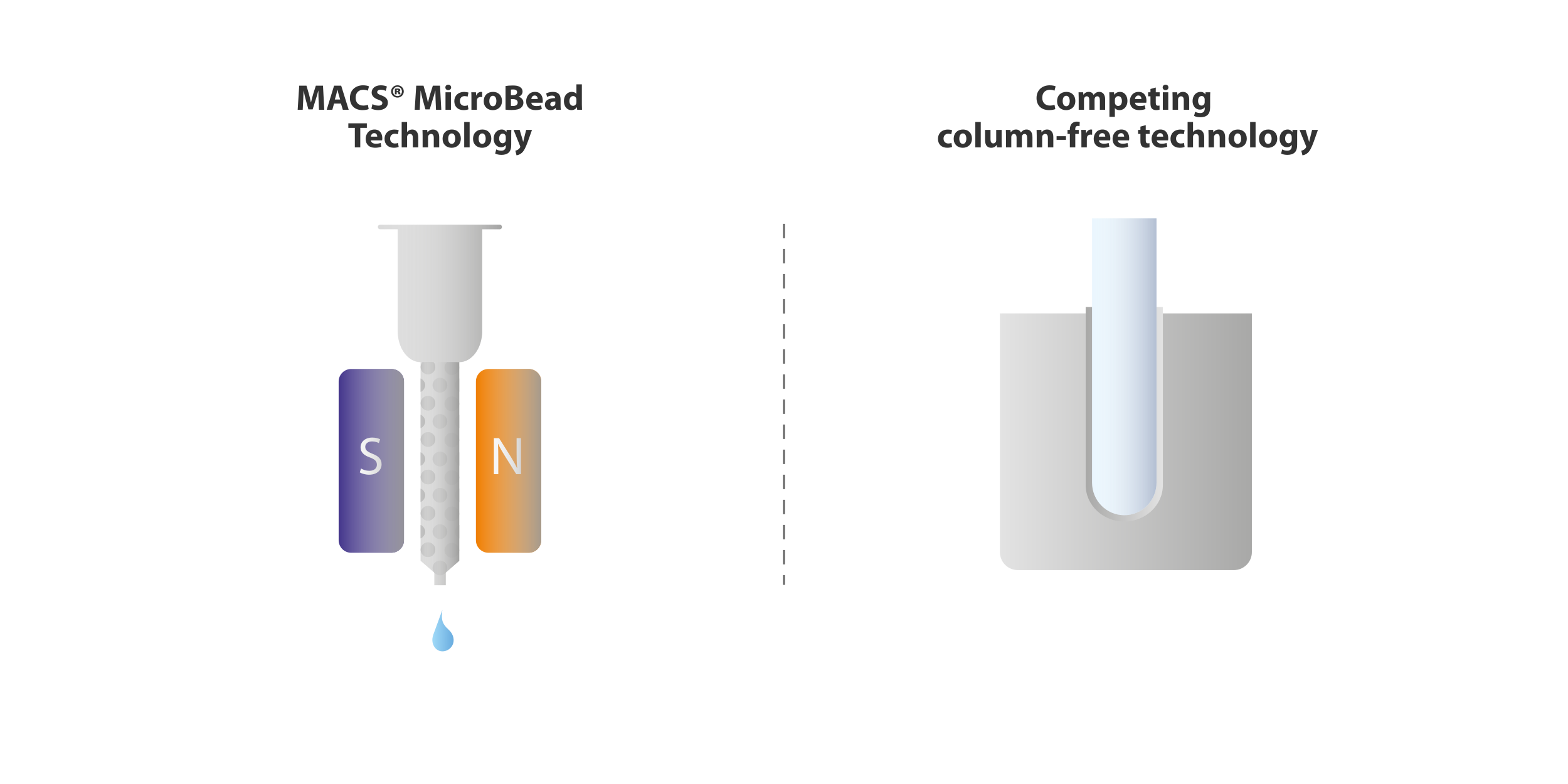
Various technologies exist for isolating cells with nano-sized immunomagnetic beads, including Miltenyi Biotec's column-based MACS Technology and column-free methods from other manufacturers. A comparison of these technologies is presented in the figure below.
Column-based MACS Technology, which utilizes nano-sized beads, allows for both positive and negative isolation from any starting material, such as PBMCs, blood products, and dissociated tissues.
6 MACS MicroBeads
MACS MicroBeads, with a size of just 50 nm, are the smallest commercially available immunomagnetic beads for cell isolation. When placed within a magnetic field, they become magnetic, however, outside the magnetic field, they remain non-magnetic. These microbeads are biodegradable, non-toxic, and designed for compatibility with any downstream application.
Conjugated to highly specific antibodies targeting a particular cell surface antigen, MACS MicroBeads bind exclusively to cells expressing this antigen, ensuring precise labeling and preventing non-specific binding. Their small size and low labeling concentrations ensure that MACS MicroBeads do not activate target cells, as demonstrated in the figure below.
Related PDFs:
Related products:
6.1 Cell isolation from single-cell suspensions such as dissociated tissue
6.1.1 MACS MicroBeads and MicroBead Kits: Positive selection of target cells based on specific markers
This option enables straightforward positive selection of target cells. We offer a wide range of reagents, allowing you to isolate virtually any cell type or subset. The strong magnetic field within a MACS Column allows for minimal cell labeling with nano-sized beads, preventing epitope saturation and non-specific labeling. Additionally, cells are not activated during the separation process.
Key highlights include:
- The gentlest, least manipulative positive selection method available
- Preservation of cell functionality through optimal labeling
- Labeled cells are ready for downstream applications as the beads are biodegradable
For details about positive selection with MACS MicroBeads, see chapter '2.1 Positive selection of a target cell type' above.
6.1.2 MACS Cell Isolation Kits: Isolation of pure, truly untouched cells by depletion of non-target cells
MACS Cell Isolation Kits contain a cocktail of titrated antibodies and MACS MicroBeads for indirect magnetic labeling. They are the preferred choice to avoid antibody binding to target cells. Minimal labeling of unwanted cells with MACS MicroBeads prevents non-specific labeling of target cells, leaving them truly untouched. In contrast, column-free methods using nano-sized beads from other manufacturers require high concentrations of labeling reagents, resulting in non-specific labeling of the target cell fraction (see figure below).
Key highlights include:
- High purity and recovery rates
- Fully compatible with any downstream application
- Avoids non-specific labeling of target cells
6.2 Cell isolation directly from tissues and blood products
6.2.1 StraightFrom® Technology: Cell isolation directly from blood products without density gradient centrifugation
The StraightFrom portfolio offers Ficoll™-free solutions, ideal for primary cell isolation directly from human blood materials, including Leukopak®, buffy coats, LRSCs, and whole blood samples. In contrast to conventional methods, StraightFrom Technology does not require density gradient centrifugation, thus resulting in a simple and short protocol (see figure below).
Key highlights include:
- No density-gradient centrifugation – Ficoll-free isolations and no cell counting
- Short, easy protocols
- Fastest available workflows for PBMCs – from whole blood, buffy coat, LRSCs and Leukopak®
- Automation available for all protocols – little hands-on time with high standardization and reproducibility
The StraightFrom MicroBeads Kits allow for the direct isolation of specific cell types from various blood products, including whole blood, buffy coats, LRSCs, and Leukopak®. Using positive isolation, these kits are optimized for speed and efficiency, enabling the rapid enrichment of T cells, B cells, NK cells, monocytes, and other target populations. Their streamlined workflow eliminates complex processing steps, making them a reliable choice for obtaining highly purified cells in minimal time.

Our StraightFrom PBMC Isolation Kits provide a simple and efficient approach for isolating PBMCs directly from whole blood, buffy coats, LRSCs, or Leukopak® without requiring density-gradient centrifugation. By employing negative isolation, these kits deliver untouched PBMCs suitable for diverse downstream applications. The Ficoll-free protocol minimizes processing time and eliminates the need for cell counting, offering a fast, flexible solution for obtaining PBMCs while maintaining cell integrity and viability.

For a faster and more convenient workflow with reduced hands-on time, use the StraightFrom Spleen MicroBead and Isolation Kits to isolate high-quality untouched immune cells directly from mouse spleen.
Key highlights include:
- Fast isolation of immune cells directly from starting material (as little as 25 minutes from spleen to immune cells with our negative isolation kits)
- No centrifugation is required
- No need for cell counting
- No requirement to calculate reagent volumes
- Offers the option to automate the workflow for standardization and reproducibility.

Related products:
6.2.2 MACSxpress® Technology: Isolation of untouched target cells directly from whole blood
MACSxpress® Technology enables the rapid isolation of cells directly from whole blood, eliminating the need for centrifugation and operates independently of columns. The micro-sized MACSxpress Beads facilitate minimal labeling of unwanted cells, thereby preventing non-specific labeling and activation of target cells. Non-target cells are removed via immunomagnetic depletion, while erythrocytes are sedimented, resulting in target cell populations of exceptional purity.
Key highlights include:
- Isolated cells from whole blood within 20 minutes
- No density gradient centrifugation
- High reproducibility due to minimal sample handling

Related products:
6.3 Isolation of label-free cells and processing of challenging samples
6.3.1 REAlease® Technology: Isolation of bead- and label-free cells
REAlease MicroBead Kits are developed for positive selection of target cells from PBMCs directly from starting material, while StraighFrom REAlease blood product kits, are designed for rapid, label-free positive isolation from Leukopak® and buffy coat.
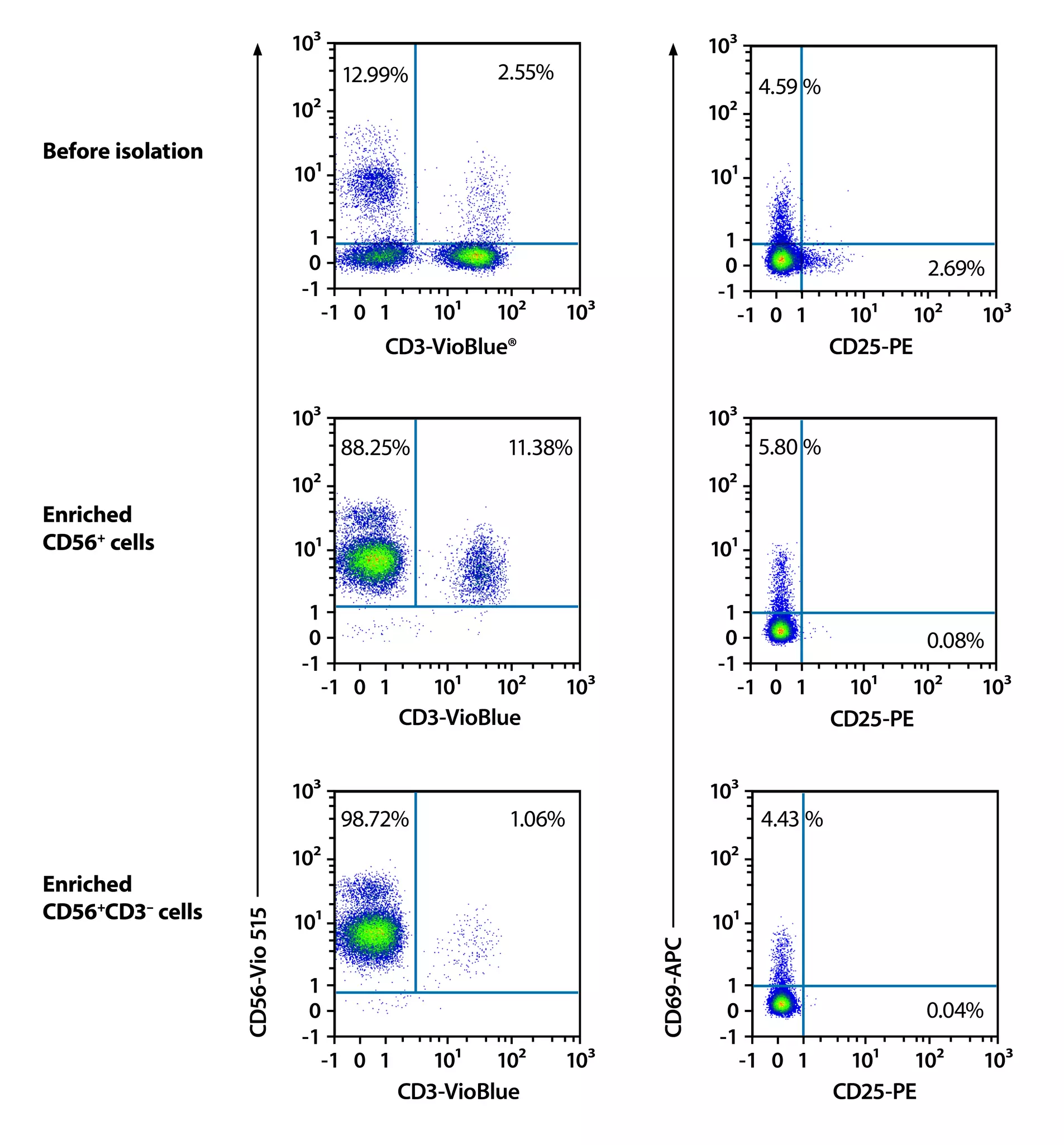
REAlease MicroBead Technology relies on recombinantly engineered antibody fragments instead of antibodies to label specific cell surface markers. The antibody fragments have a low affinity for cell surface epitopes. However, when the fragments are multimerized as a complex, they bind epitopes on target cells with high avidity and enable effective magnetic cell separation. REAlease Technology controls the multimer / monomer state of the fragments and thus triggers the release of monomerized antibody fragments from the cell surface after isolation. Ultimately, the isolated, positively selected target cells are free from antibody fragments and magnetic labels and are thus available for further separation steps (see figure below). Additionally, the negative, i.e. non-labeled, cell fraction from this separation step is also available for further separation by positive selection (see figure below).
Key highlights include:
- Bead-free cells: suited for a second round of magnetic labeling
- Label-free cells: the epitope of a marker becomes completely available again
- Recombinantly produced: lot-to-lot consistency allows for reproducible results
For details on different separation strategies using REAlease Technology, refer to the chapters '2.4.2 Multiple subsequent positive isolations' and '2.4.3 Positive isolation followed by label and bead removal, and a second positive isolation' above.
6.3.2 UltraPure MicroBeads: Isolation of cells from debris-rich samples
UltraPure MicroBeads have been optimized for use with samples that contain large amounts of cell debris or a low numbers of target cells. UltraPure MicroBeads greatly improve recovery and purity of the sorted population by specifically enriching viable target cells.
Key highlights include:
- Optimized formulation to minimize debris
- High cell purity, even from challenging starting materials
- As easy to use as the conventional MACS MicroBeads
Related PDFs:
Related products:
7 MACS Separators
Cell separation with MACS Technology can be performed manually or in an automated fashion.
For details about manual separators, see the page MACS Manual Separators for magnetic cell isolation on our website
Related products:
8 Automation
MACS Technology offers a broad range of options for automated cell isolation, depending on the desired sample volume and throughput. Automation enables a high level of standardization, ensuring reliable and user-independent results.

Related products:
8.1 MultiMACS™ Cell24 Separator Plus – processing of large sample numbers or volumes
For high-throughput settings, in which large sample numbers or volumes need to be processed, the semi-automated MultiMACS™ Cell24 Separator Plus is the right choice. This instrument can be used in combination with MACS MicroBeads and MACS Cell Isolation Kits to isolate a wide variety of cell types or to deplete specific cell types. The MultiMACS Cell24 Separator Plus enables cell separation from up to 24 samples in parallel.
8.2 autoMACS® NEO Separator – full automation of cell labeling and isolation
Automate cell labeling and isolation effortlessly with the autoMACS® NEO Separator, capable of processing up to six samples simultaneously. This instrument is compatible with hundreds of MACS Cell Separation Reagents, enabling fast and gentle cell isolation of virtually any cell type from any species.
Related PDFs:
Related videos:
8.3 MultiMACS X – full automation and high-throughput sample processing
The MultiMACS X combines true walk-away convenience with high-throughput sample processing. It combines all the benefits of the MultiMACS Cell24 Separator Plus with a customized liquid handler for precise pipetting and sample transfer. Parallel processing ensures a high level of reproducibility.
Related videos:
You have previously chosen International as your location.
What do you want to do?