Content overview
Perfusion technology
Applications
Perfusion technology products
Content
- Perfusion technology
- Applications
- Perfusion technology products
To make your lab life easier, we have developed the cutting-edge gentleMACS Perfusion Technology, which allows up to eight tissue perfusions to be performed in parallel on the gentleMACS Octo Dissociator with Heaters. On this page you can learn more about this automated technology and how it can save you time.
Content overview
Perfusion technology
Applications
Perfusion technology products
Traditional perfusion methods often struggle to maintain optimal cell viability and yield, especially when working with delicate tissues such as liver or heart. These methods are often time-consuming and require extensive manual handling and expertise, which can lead to inconsistent results.
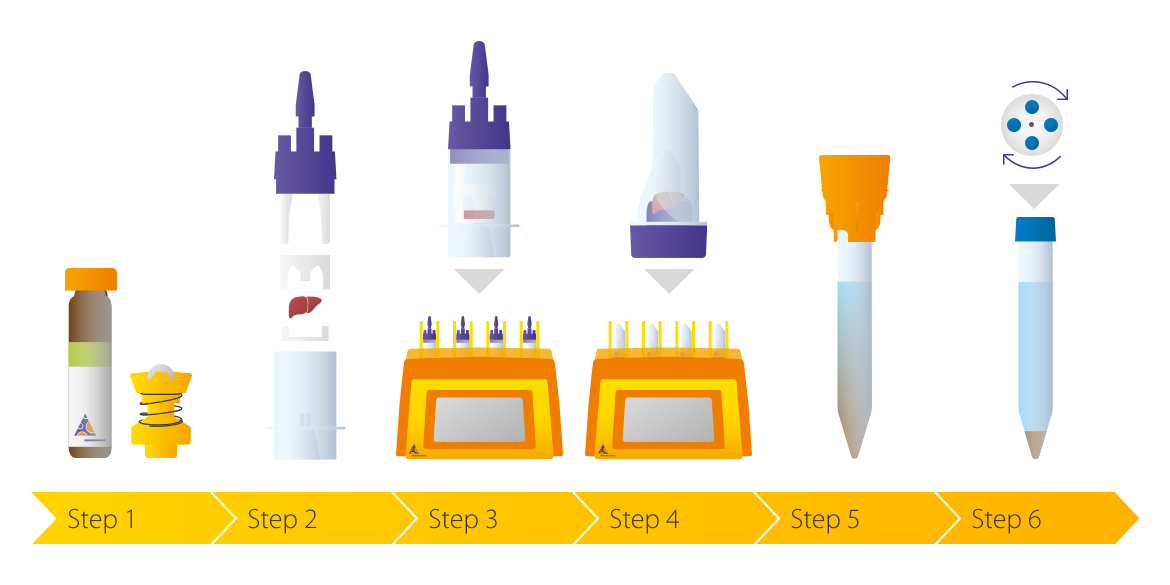
gentleMACS Perfusion Technology addresses these challenges by providing a streamlined and automated solution for tissue perfusion, which runs on the well-established gentleMACS Octo Dissociator with Heaters. It allows the ex vivo perfusion of tissues to generate viable single-cell suspensions. This approach can be used to obtain viable primary cells from resected rodent organs in a convenient, easy-to-use, and automated way with reproducible results. Notably, the procedure can be completed in as little as 45 minutes and allows the parallel processing of up to eight perfusions simultaneously, significantly increasing efficiency and throughput.
A user-friendly interface and step-by-step instructions on the gentleMACS Octo Dissociator with Heaters eliminate the need for extensive training, making it accessible to researchers with varying levels of experience.
In short, benefit from the following advantages:
• Automated and fast to learn – no extensive training required.
• Works with resected organs.
• Up to eight perfusions can be performed simultaneously on one instrument.
The centerpiece of this technology is the innovative gentleMACS Perfuser. This single-use consumable has a unique design. The process begins by placing the resected organ between the grid and clamp; the tissue is secured by the clamp. This assembly is then inserted into a specially designed base equipped with a needle array and an integrated peristaltic pump. Using gentleMACS Perfusion Sleeves, the pump efficiently delivers fluid through the needle array into the penetrated tissue, ensuring uniform fluid distribution throughout the resected organ. This precise and gentle perfusion method enhances the efficacy and reliability of the procedure.
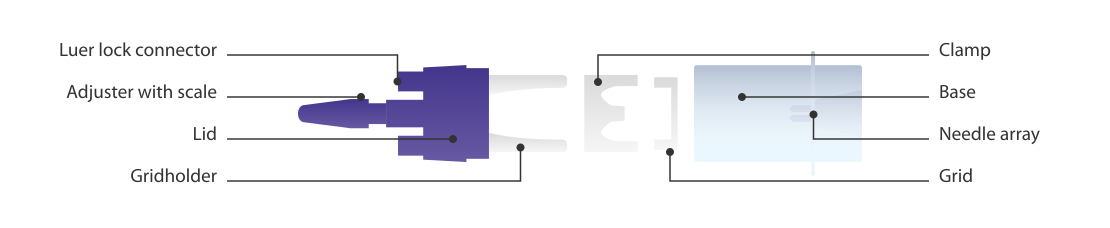
The gentleMACS Perfuser is available in two variants, each designed for a specific organ size:

Perfusion kits optimized for rodent liver and heart ensure gentle and efficient production of single-cell suspensions. These kits use a precise combination of enzymes to enhance activity and efficiency, ensuring a high yield of viable, intact primary cells. Lot-to-lot consistency of the enzymes eliminates the need for any further validation.
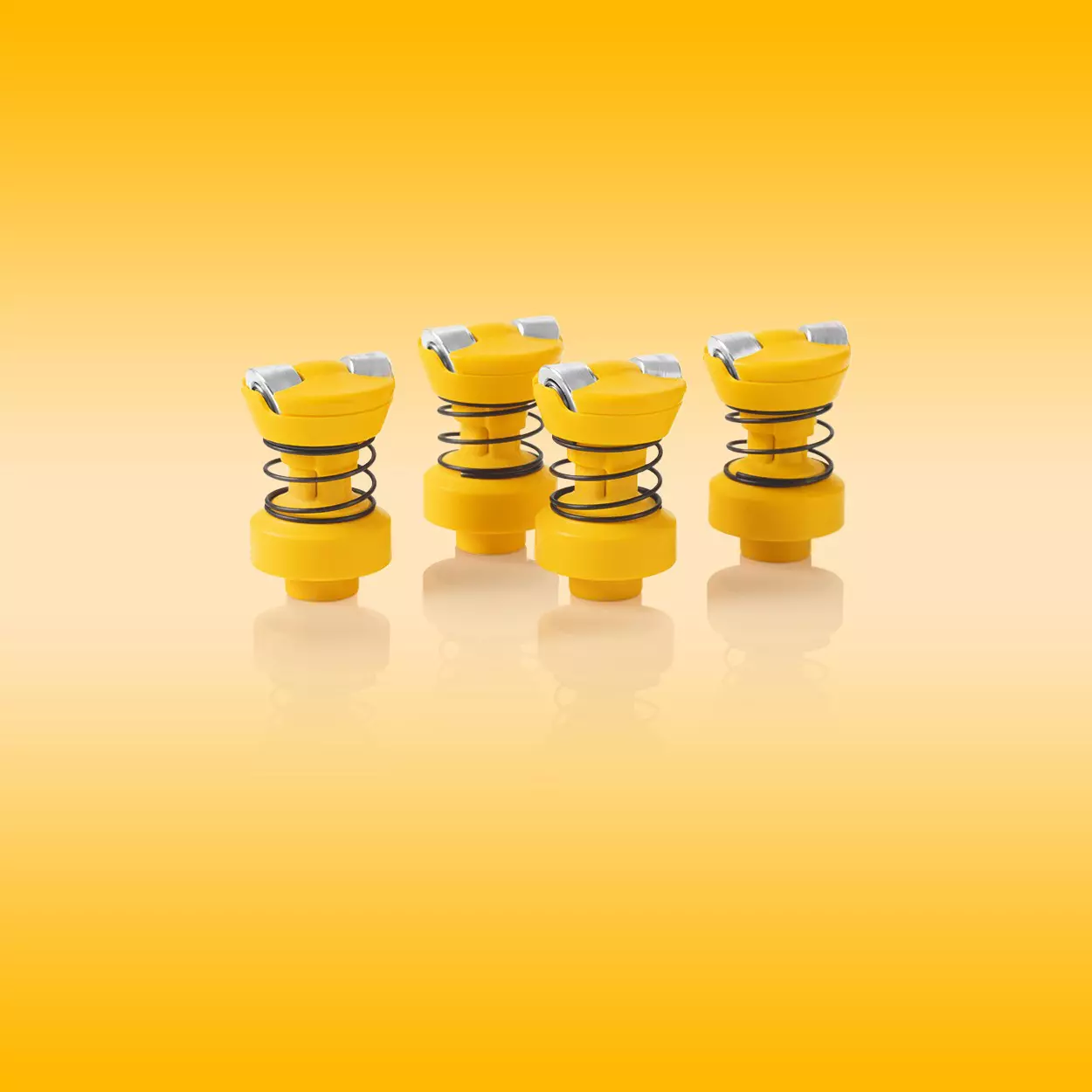
gentleMACS Perfusion Sleeves are a key accessory designed exclusively for the gentleMACS Perfusion Technology and replace the standard sleeves. The gentleMACS Perfusers are installed on the gentleMACS Octo Dissociator with Heaters at positions equipped with gentleMACS Perfusion Sleeves.
The gentleMACS Octo Dissociator with Heaters has become an essential tool in our laboratory for efficiently obtaining viable single-cell suspensions from liver tissue. Its user-friendly design and reliability make it an excellent choice for downstream phenotypical analysis and primary cell culture, ensuring high-quality results. I was particularly impressed by the simplicity and efficiency of ex vivo liver perfusion which enables the rapid and stress-free isolation of primary hepatocytes from fatty liver with high viability.


Liver perfusion technology is optimized to obtain a high yield of parenchymal liver cells, i.e., hepatocytes, while preserving most cell surface epitopes. Results from various experiments show an average yield of more than 10 million hepatocytes per left lateral liver lobe (largest liver lobe) with over 85% viability from healthy mice. Intact viable hepatocytes can then be cultured and used for downstream analyses, such as genomic and proteomic analysis or functional assays. In addition, non-parenchymal liver cells (NPCs), such as Kupffer cells, liver sinusoidal endothelial cells (LSECs), stellate cells, and cholangiocytes are also recovered after perfusion and can be used for further downstream applications. Comparative analysis validates phenotypic characteristics and marker expression profiles similar to those obtained with traditional methods, confirming the reliability and robustness of the gentleMACS System.1-4
Importantly, only one lobe is needed for liver perfusion, while the other lobes and organs remain intact and can be used for various other experiments, such as immunohistochemistry, biochemical analysis, or histological examination. This approach allows a comprehensive study of liver function and pathology using multiple techniques on different sections of the same organ, maximizing the use of valuable biological samples.
Isolating hepatocytes from mouse liver has never been easier. gentleMACS Perfusion Technology makes it a breeze to isolate hepatocytes from rodent liver.
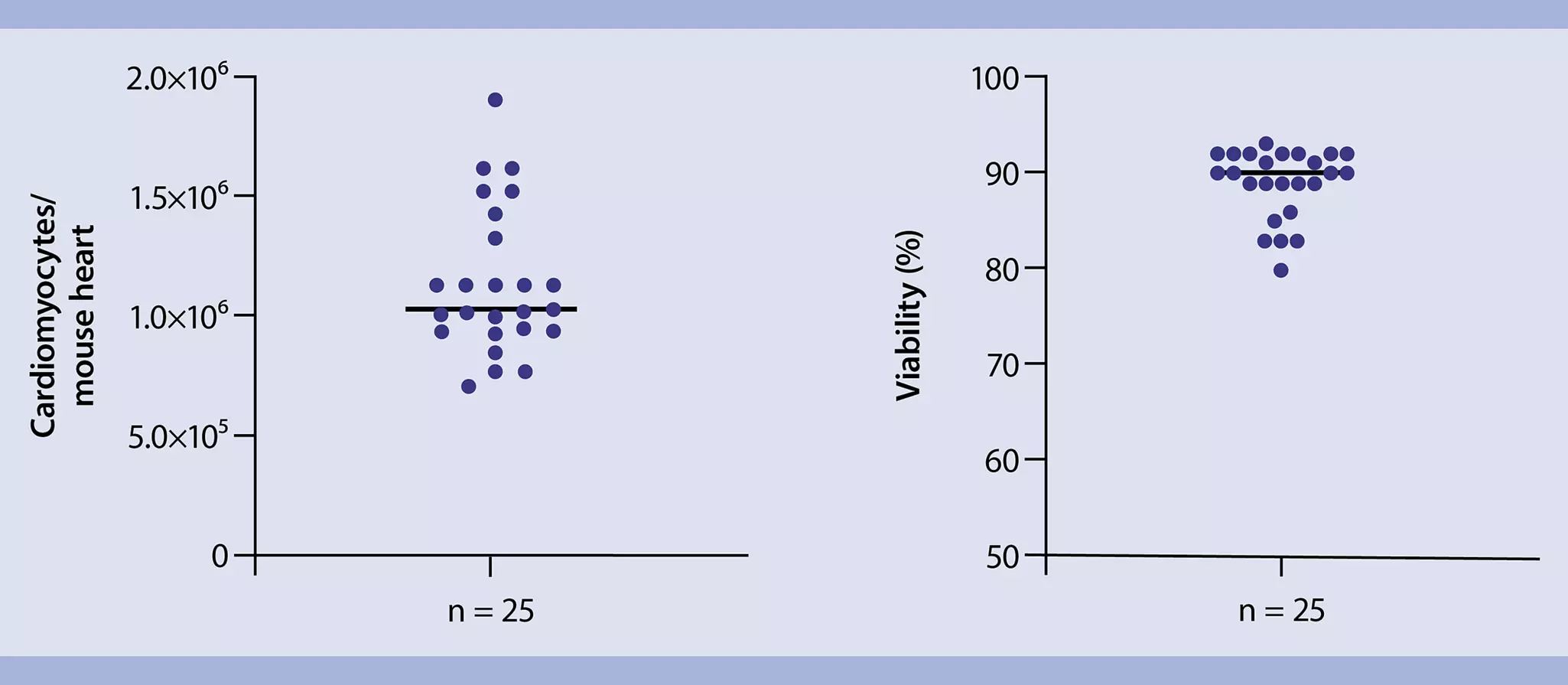
The Heart Perfusion Kit, mouse, compatible with the gentleMACS Perfusers 2, allows gentle and efficient preparation of single-cell suspensions from ligated and resected mouse hearts. The application has been optimized to provide a high yield of primary cardiomyocytes, cardiac fibroblasts, smooth muscle cells and endothelial cells while preserving important cell surface epitopes. Isolated cardiomyocytes can be subsequently cultured and used for downstream applications. Several experiments show that cardiomyocytes can be isolated from a healthy mouse heart with an average yield of one million and viability of up to 90%.
In this video you can learn how gentleMACS Perfusion Technology makes it easy to isolate viable cardiomyocytes from mouse hearts. No special training or extensive work is required to perform perfusion.

5 products found
|
You have previously chosen International as your location.
What do you want to do?