What is an allogeneic stem cell transplantation?

Allogenic stem cell transplantation is a treatment option for some AML patients. This procedure uses healthy stem cells from a donor to help replace diseased cells and restore the immune system, offering a potential cure.
How does allogeneic stem cell transplantation differ from autologous stem cell transplantation?
There are two main types of stem cell transplants – allogeneic and autologous. An allogeneic stem cell transplant is a procedure in which a patient receives blood-forming stem cells from a donor. In contrast, for an autologous stem cell transplant, the patient provides his own stem cells for the procedure. Blood stem cells collected from the patient while they are in remission are stored and then returned following conditioning chemotherapy or radiation.
Why allogeneic stem cell transplantation?
The rationale for allogeneic stem cell transplantation is two-fold. A chemotherapy or radiation-based treatment before transplantation, called conditioning, enables the elimination of the harmful leukemic cells. An undesirable effect however is the destruction of the patient’s immune and blood building systems.
Therefore, the first goal of allogeneic stem cell transplantation is to replace the patient’s blood and immune system with a healthy one from a donor. The second goal and major advantage of this approach is that newly generated immune cells attack residual leukemic cells. This process is called the graft-versus-leukemia (GVL) effect and it makes the disease less likely to return.

How does it work?
In an allogeneic stem cell transplant, stem cells are donated by a healthy individual whose tissue and blood cell type is compatible with the patient. Frequently, the donor is a sibling with an identical tissue type. Other immediate family members can also serve as stem cell donors.
Why are stem cells transplanted?
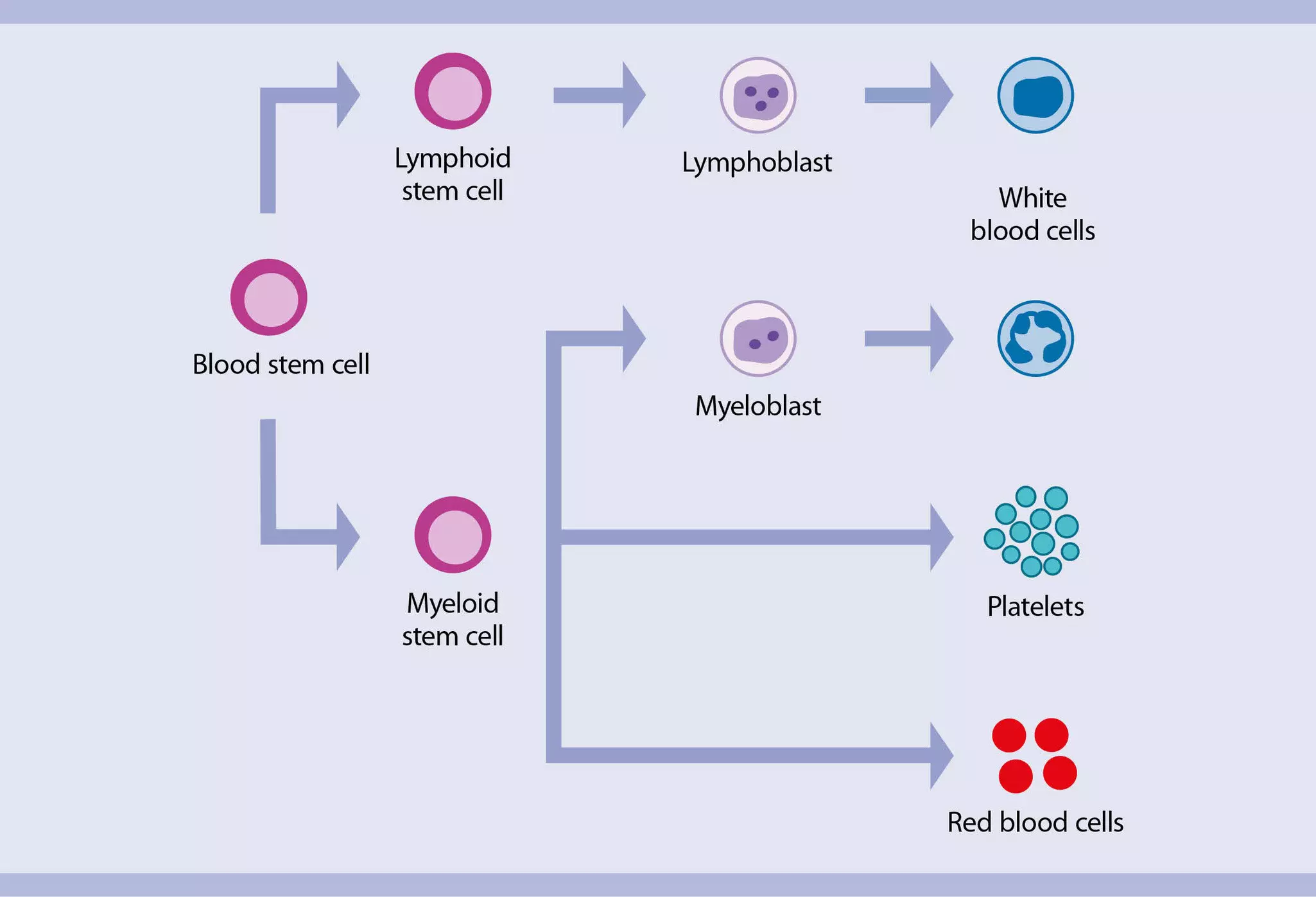
Stem cells can be collected from bone marrow, the blood stream (peripheral blood stem cells), or umbilical cord blood. Harvesting stem cells from bone marrow was the original collection method and has the longest history in stem cell transplantation. Frequently “bone marrow transplantation” is used as the umbrella term for stem cell transplantation. The transplanted cells are called the “graft”.
Our blood cells develop from a small number of precursor bone marrow cells called blood stem cells. These stem cells have not committed to a specific blood cell type. Blood stem cells will develop into white blood cells, red blood cells, or platelets in the presence of specific chemical signals.
White blood cells are cells of the immune system with the function to fight infections caused by bacteria, viruses, and fungi.
Red blood cells carry oxygen from the lungs to the cells in the body.
Platelets, also called thrombocytes, are pieces of cells that seal damaged blood vessels and help blood to clot. Both functions are important in stopping bleeding.
Following a successful stem cell transplant, the bone marrow is repopulated with blood stem cells from the healthy donor, which will rebuild the patient’s blood and immune systems. This step is critical for the effective treatment of AML.
Humanitarian Device
Authorized by U.S. Federal Law for use in the treatment of patients with acute myeloid leukemia (AML) in first complete remission. The effectiveness of the device for this use has not been demonstrated.
Indications for Use
The CliniMACS® CD34 Reagent System is indicated for processing hematopoietic progenitor cells collected by apheresis (HPC, Apheresis) from an allogeneic, HLA-identical, sibling donor to obtain a CD34+ cell-enriched population for hematopoietic reconstitution following a myeloablative preparative regimen without the need for additional graft versus host disease (GVHD) prophylaxis in patients with acute myeloid leukemia (AML) in first morphologic complete remission.
Contraindications
Do not use CD34+ cells prepared with CliniMACS CD34 Reagent System in patients with known hypersensitivity to murine (mouse) proteins or iron dextran.
Rx only
You have previously chosen International as your location.
What do you want to do?