
Synonyms: EGP40, Ep-CAM, KSA, MK-1, TROP1
RECOMBINANT EXTENDED VALIDATION
- Clone:
- REAL539
- Type of antibody:
- Releasable fluorochromes, Primary antibodies, Recombinant antibodies
- Applications:
- MICS, IF, IHC Glossary
- Select a conjugate:


Related products for CD326 (EpCAM) Antibody, anti-human, REAdye_lease™


MICS (MACSima Imaging Cyclic Staining) applications
APC
PE
Fixation:
frozen – Acetone
Species tested:
human
Tissue used:
ovarian cancer
Recommended dilution:
1:50
Data source:
Miltenyi Biotec
Compatible applications:
IF, IHC
Conjugate:
APC
Used products:
130-122-276
Testing grade:
Description:
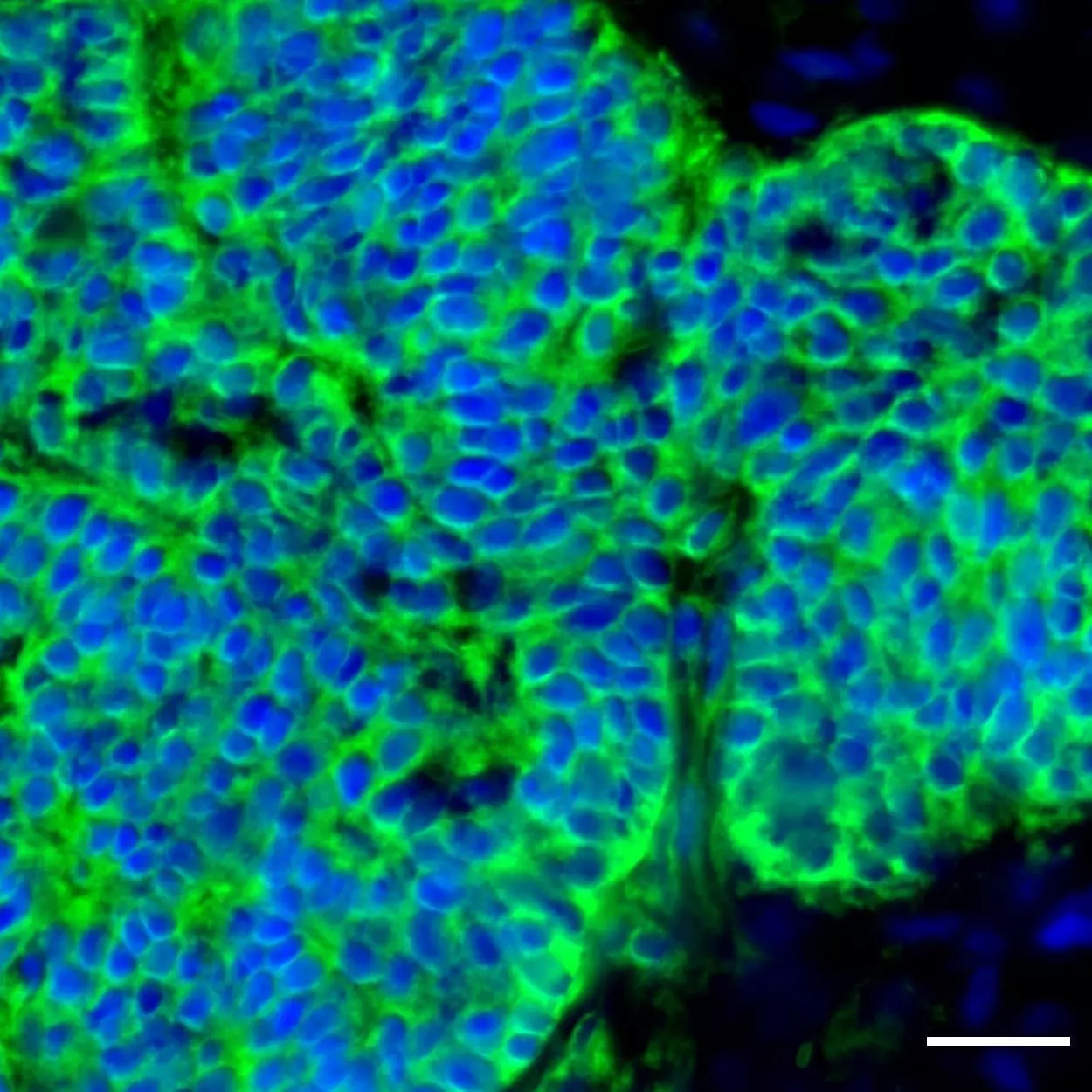
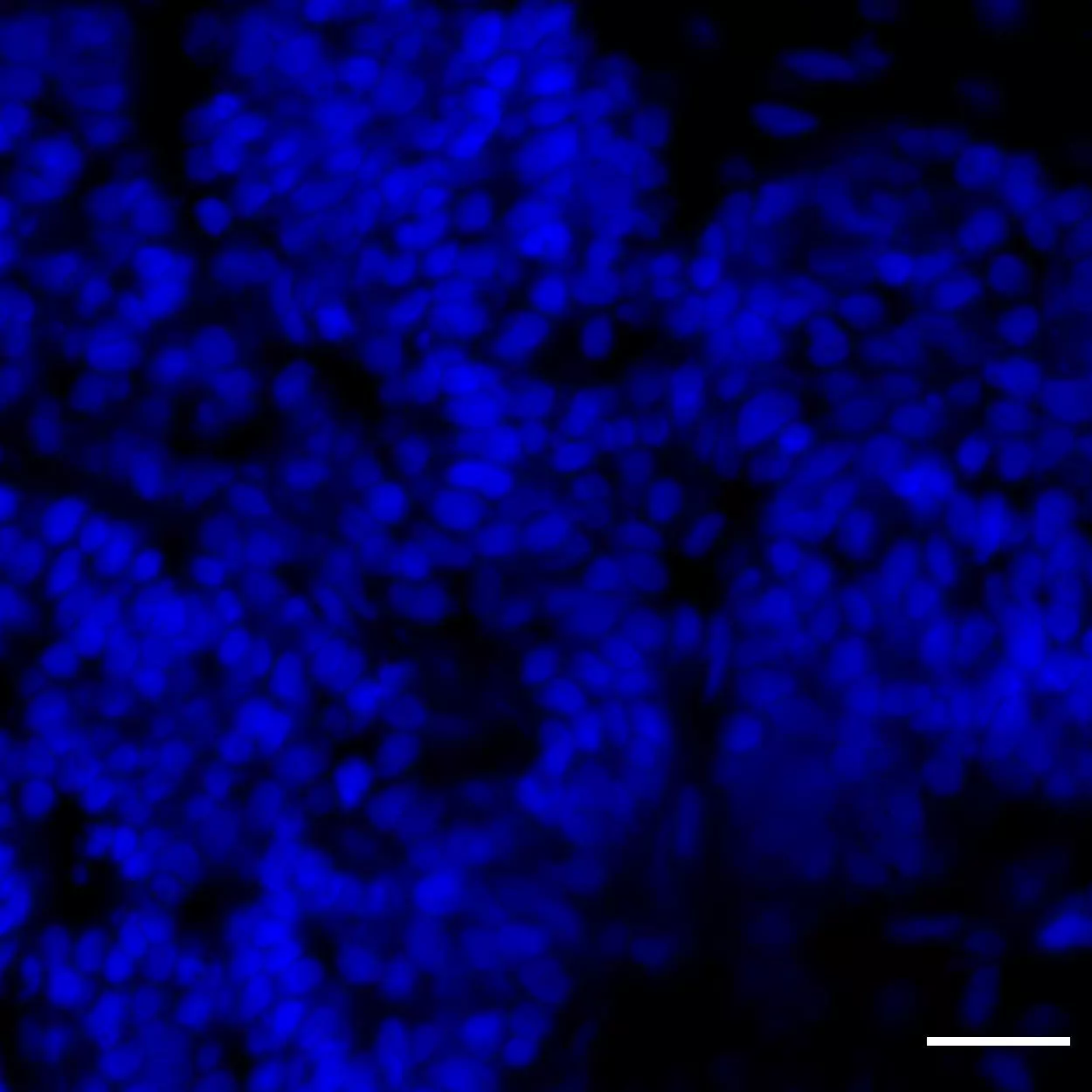
Immunofluorescence analysis of a human ovarian cancer cryosection fixed with ice-cold acetone. The section was stained using CD326 (EpCAM) Antibody, anti-human, APC (green) for 10 min at room temperature (A). CD326 (EpCAM) Antibody, anti-human, APC staining was released using the REAlease Release Reagent (B). Nuclei were visualized with Hoechst™ (blue). Scale bar: 30 µm.
A
 view details
B
 view details
Fixation:
frozen – PFA
Species tested:
human
Tissue used:
ovarian cancer
Recommended dilution:
1:50
Data source:
Miltenyi Biotec
Compatible applications:
IF, IHC
Conjugate:
APC
Used products:
130-122-276
Testing grade:
Description:
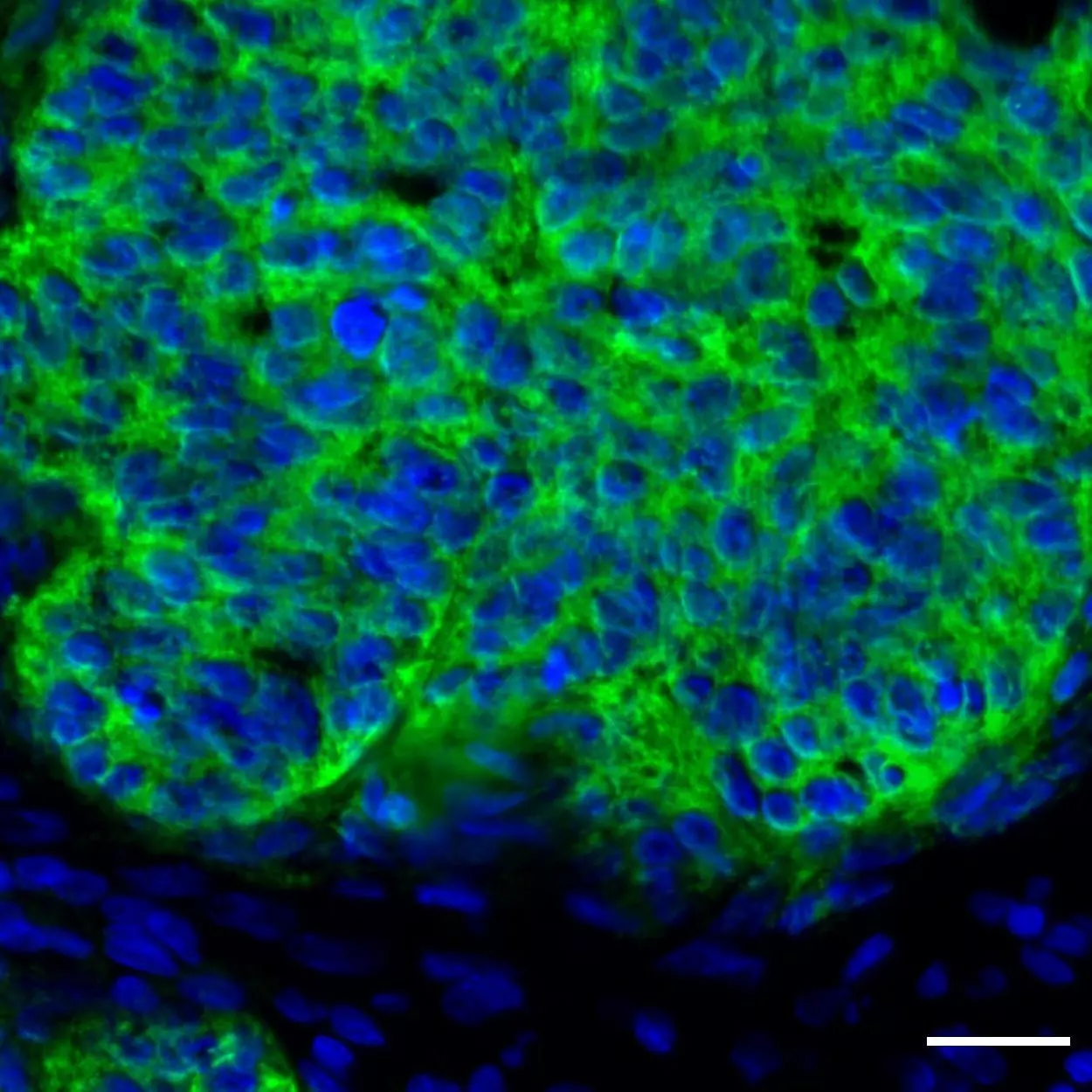
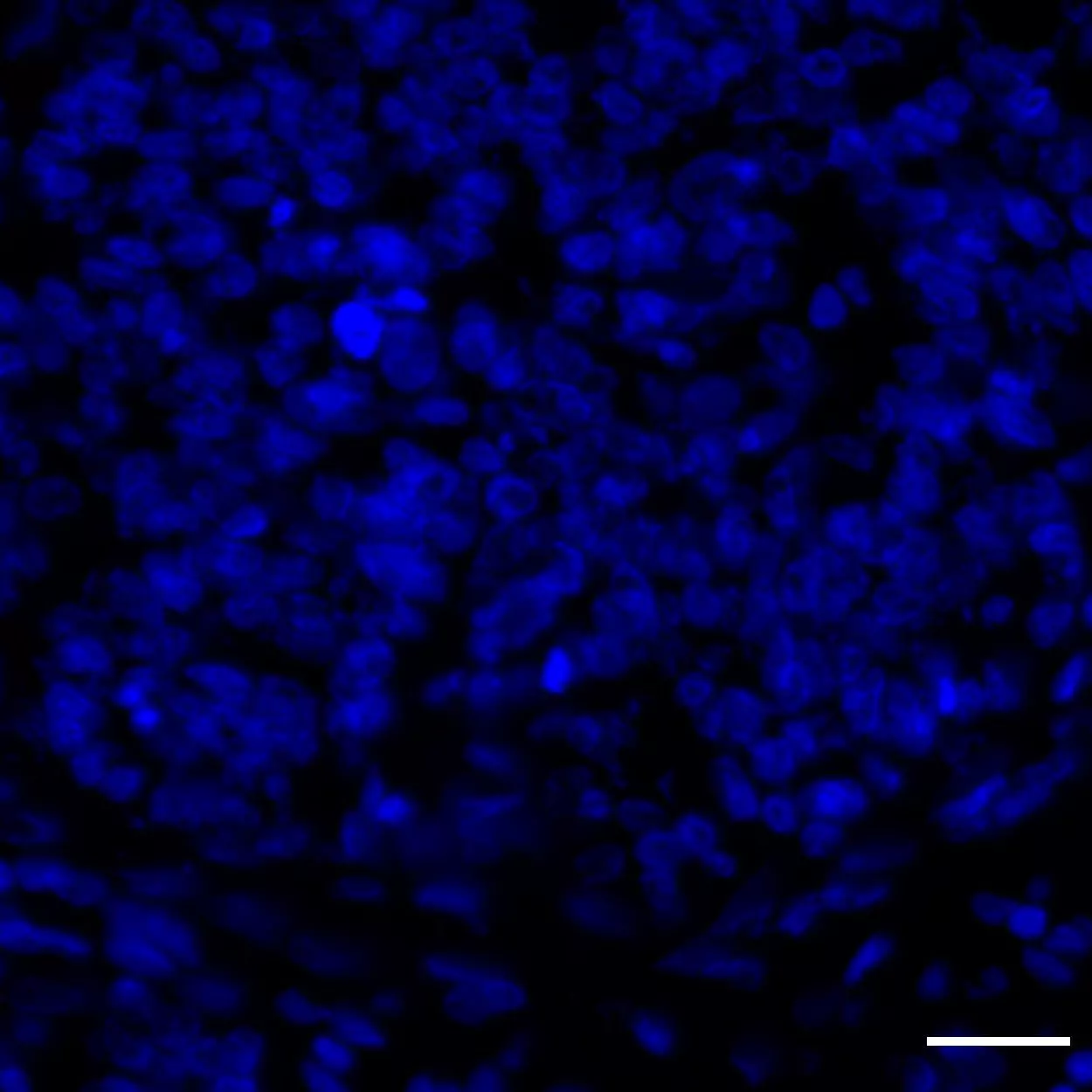
Immunofluorescence analysis of a human ovarian cancer cryosection fixed with 4% PFA. The section was stained using CD326 (EpCAM) Antibody, anti-human, APC (green) for 10 min at room temperature (A). CD326 (EpCAM) Antibody, anti-human, APC staining was released using the REAlease Release Reagent (B). Nuclei were visualized with Hoechst™ (blue). Scale bar: 30 µm.
A
 view details
B
 view details
Extended validation for CD326 (EpCAM) Antibody, anti-human, REAdye_lease™
Specificity
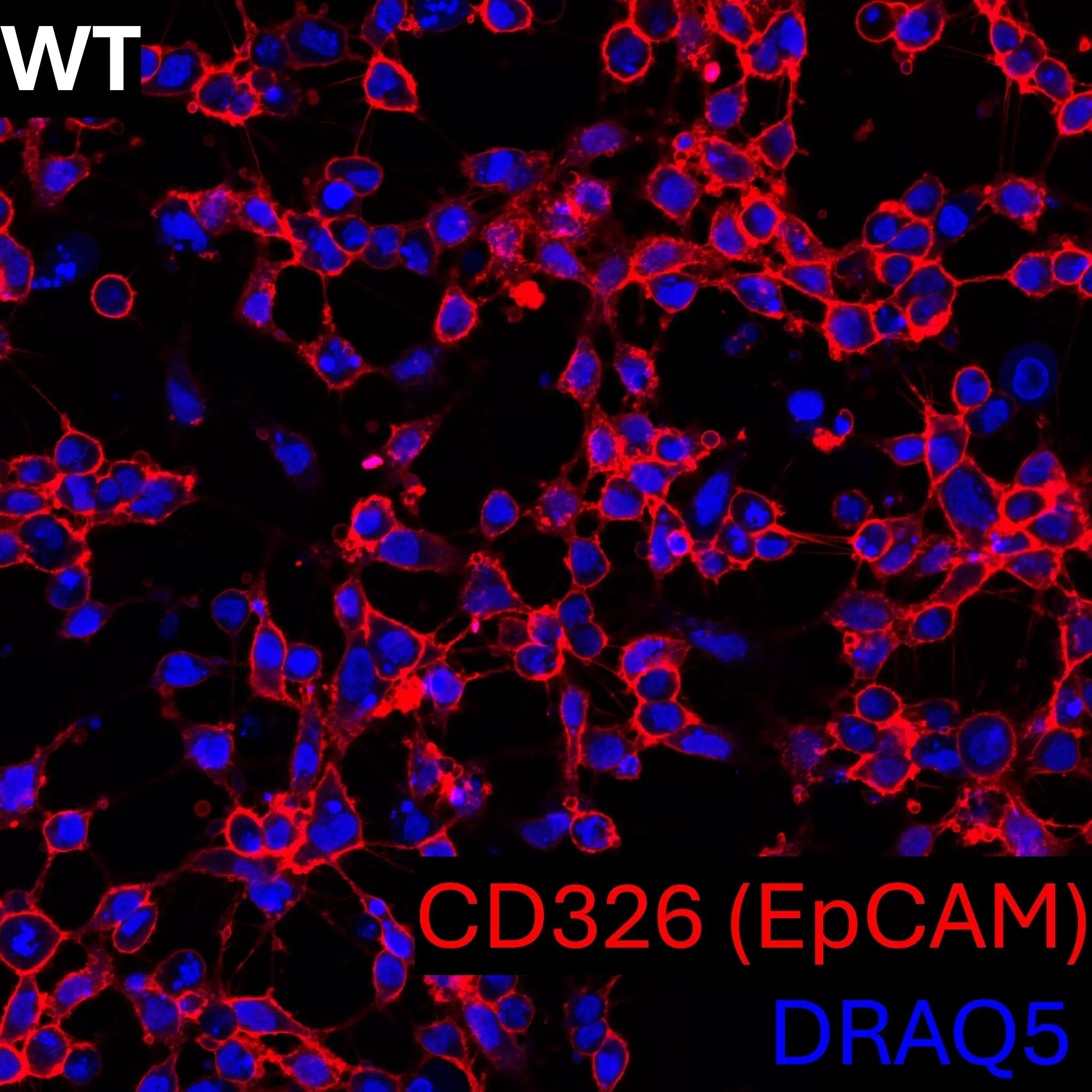
To ensure antibody specificity, the target gene is knocked out in a suitable cell line using the CRISPR/Cas9 system and the knockout is confirmed by sequencing of the target locus. The antibody is considered to bind specifically to the intended epitope if no antibody binding to the knockout cells can be detected. The antibody staining is controlled by fluorescence microscopy and/or flow cytometry.
WT
KO
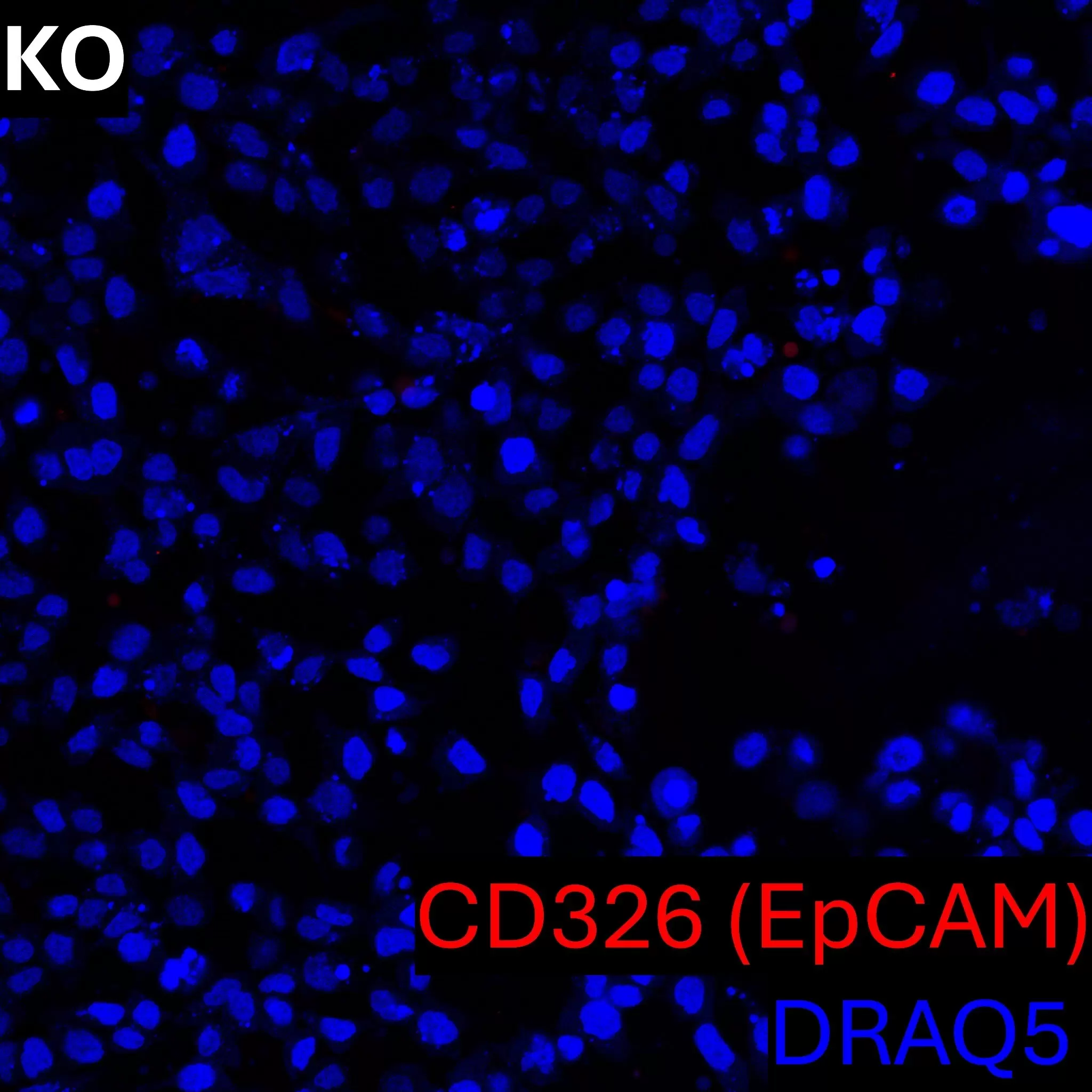
Fluorescence microscopy image of CD326 (EpCAM) knockout cells. Wild type (WT, left) and knockout cells (KO, right) were stained with CD326 (EpCAM)-PE (REAL539, red) and counterstained with DRAQ5 (blue) as DNA stain.
Specifications for CD326 (EpCAM) Antibody, anti-human, REAdye_lease™
Overview
Clone REAL539 is an antibody fragment derived from the full CD326 (EpCAM) antibody molecule. It displays no binding to Fc receptors. The recombinantly engineered antibody fragments are multimerized to form the REAdye_lease Complex to bind markers with high avidity.
Clone REAL539 recognizes CD326, also known as human epithelial antigen (HEA), epithelial cell adhesion molecule (EpCAM), or epithelial-specific antigen (ESA) and is involved in cell adhesion. The CD326 antigen is broadly expressed on the basolateral surface of carcinoma and epithelial cells in tissues or on circulating tumor cells, and cancer stem cells, but is not found on melanoma, neuroblastoma, sarcoma, lymphoma, leukemia cells, or normal fibroblasts. Furthermore, it is suggested, that CD326 could be used as a surface marker for human ESCs.
For removal of REAdye_lease fluorochromes for optional relabeling with different fluorochrome-conjugated REAdye_lease antibodies use the REAlease Support Kit (130-120-675).
EGP40, Ep-CAM, KSA, MK-1, TROP1
Detailed product information
Technical specifications
Clone
REAL539
Clonality
monoclonal
Isotype control
Control Antibody
Host
cell line
Type of antibody
Releasable fluorochromes, Primary antibodies, Recombinant antibodies
Species reactivity
human
Antigen
CD326 (EpCAM)
Distribution of antigen
epithelial cells, cancer stem cells, ES and iPS cells, ovarian cancer
RRID
AB_2857560, AB_2857563
Resources for CD326 (EpCAM) Antibody, anti-human, REAdye_lease™
Certificates
To access a Certificate of Analysis (CoA) follow the link below and enter the specific lot of your product.
Should you wish to request additional documentation, such as a Safety Data Sheet (SDS) in other languages than English or Swedish, an SDS-replacement document, or a Certificate of Origin (CoO), please direct your inquiry to your local technical support team.
Citations for CD326 (EpCAM) Antibody, anti-human, REAdye_lease™
Publications
- Moldenhauer, G. et al. (1987) Epithelium specific surface glycoprotein of Mr 34,000 is a widely distributed human carcinoma marker. Br. J. Cancer 56: 714-721
- Matsumoto, T. et al. (2017) Proliferating EpCAM-Positive Ductal Cells in the Inflamed Liver Give Rise to Hepatocellular Carcinoma. Cancer Res. 77 (22): 6132-6143
- Metsuyanim, S. et al. (2009) Expression of stem cell markers in the human fetal kidney. PLoS One 4 (68): e6709
- Sheridan, C. et al. (2006) CD44+/CD24- breast cancer cells exhibit enhanced invasive properties: an early step necessary for metastasis. Breast Cancer Res. 8 (5): R59
You have previously chosen International as your location.
What do you want to do?