Improved grafts for hematopoietic stem cell transplantation (HSCT)

There’s a way to reduce graft-versus-host disease (GVHD), infections and poor graft function (PGF) in HSCT. Discover how our technology automates cell enrichment and depletion to eliminate T cell subsets and B cells for improved grafts.
Allogeneic stem cell transplantation uses healthy blood stem cells from a donor to treat certain hematologic malignant and non-malignant diseases. However, GVHD, infections and PGF are severe complications that are difficult to control after transplantation, extend hospitalizations, and reduce a patient’s quality of life.1
In GVHD, subsets of donor T cells attack and damage organs of the new recipient like the digestive tract, skin, and liver.2,3 Using our GMP-compliant CliniMACS® Technologies, clinicians can enrich stem cells or deplete damaging immune cells from the graft before transplantation. These improved grafts substantially reduce GVHD and support neutrophil and platelet engraftment.4–6
Furthermore, our CliniMACS Cytokine Capture System (CCS) allows for the isolation of single- and multi-virus specific CD4+ and CD8+ T cells to restore immunity against many infections.7–9
Choose a graft engineering system that fits your needs
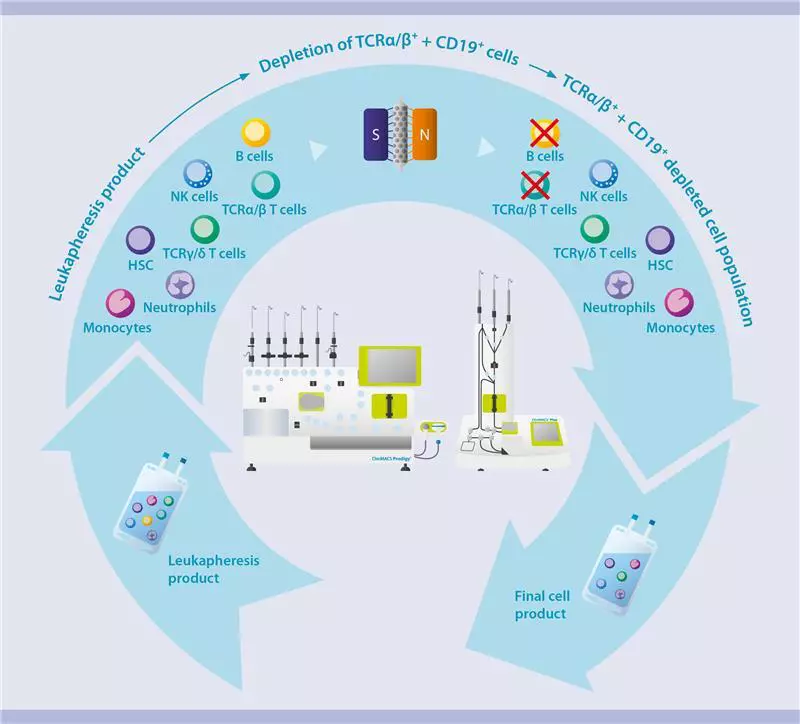
Depletion of αβ T and B cell (CliniMACS TCRα/β System)
Depletes αβ T cells and B cells from the graft and preserves beneficial γδ T cells, NK cells, and other immune cells.

Enrichment of CD34+ stem cells (CliniMACS CD34 System)
Enriches CD34+ stem cells and passively eliminates other immune cells.

Depletion of naive T cells (CliniMACS CD45RA System)
Depletes GVHD-inducing naive T cells and passively enriches memory T cells and other beneficial immune cells.

Isolation of CD4+ and CD8+ antigen-specific T cells (CCS)
Generates T cells that help fight infections after HSCT.
Video
How to improve grafts for stem cell transplantation via CD34+ stem cell enrichment
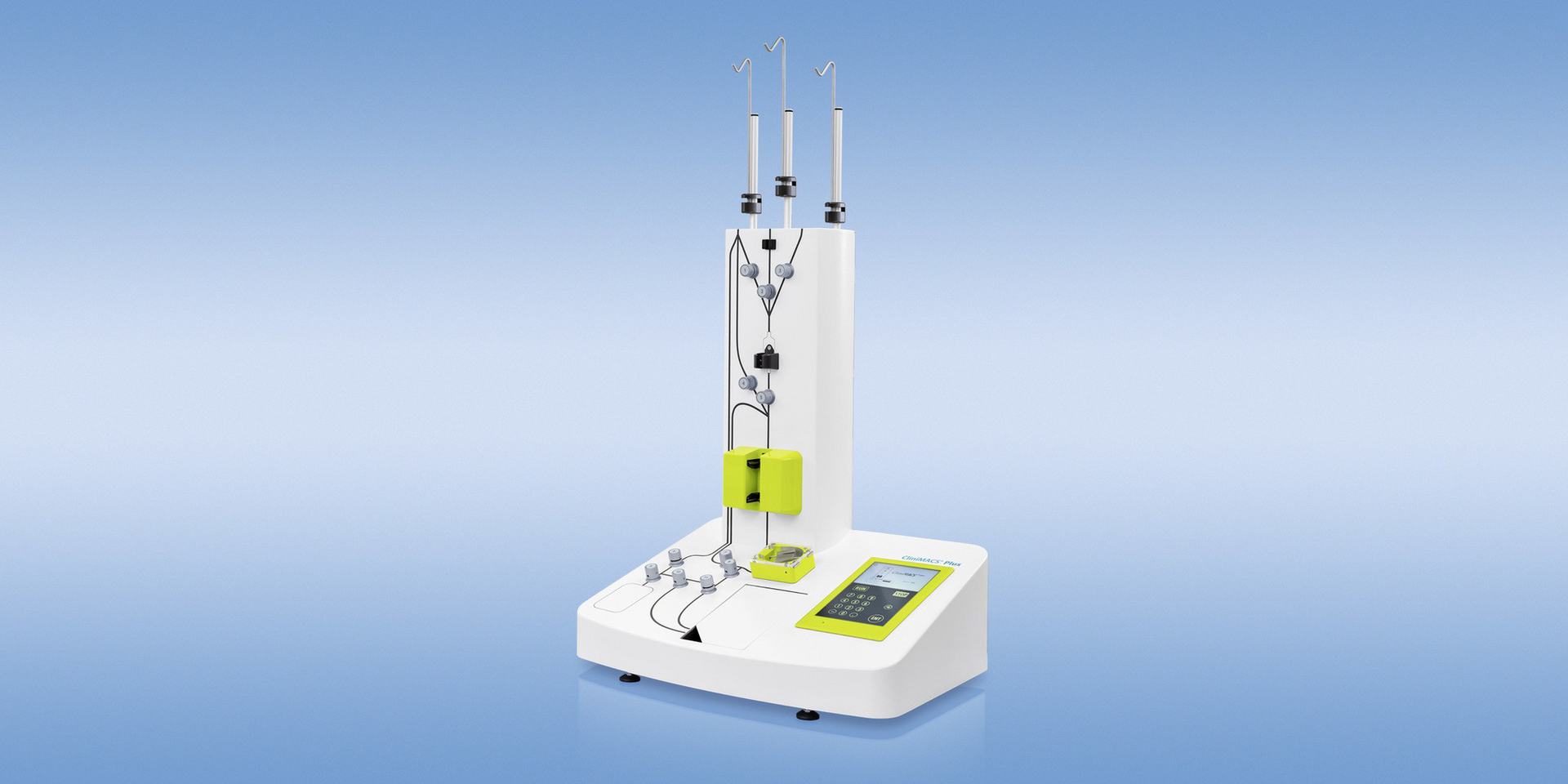
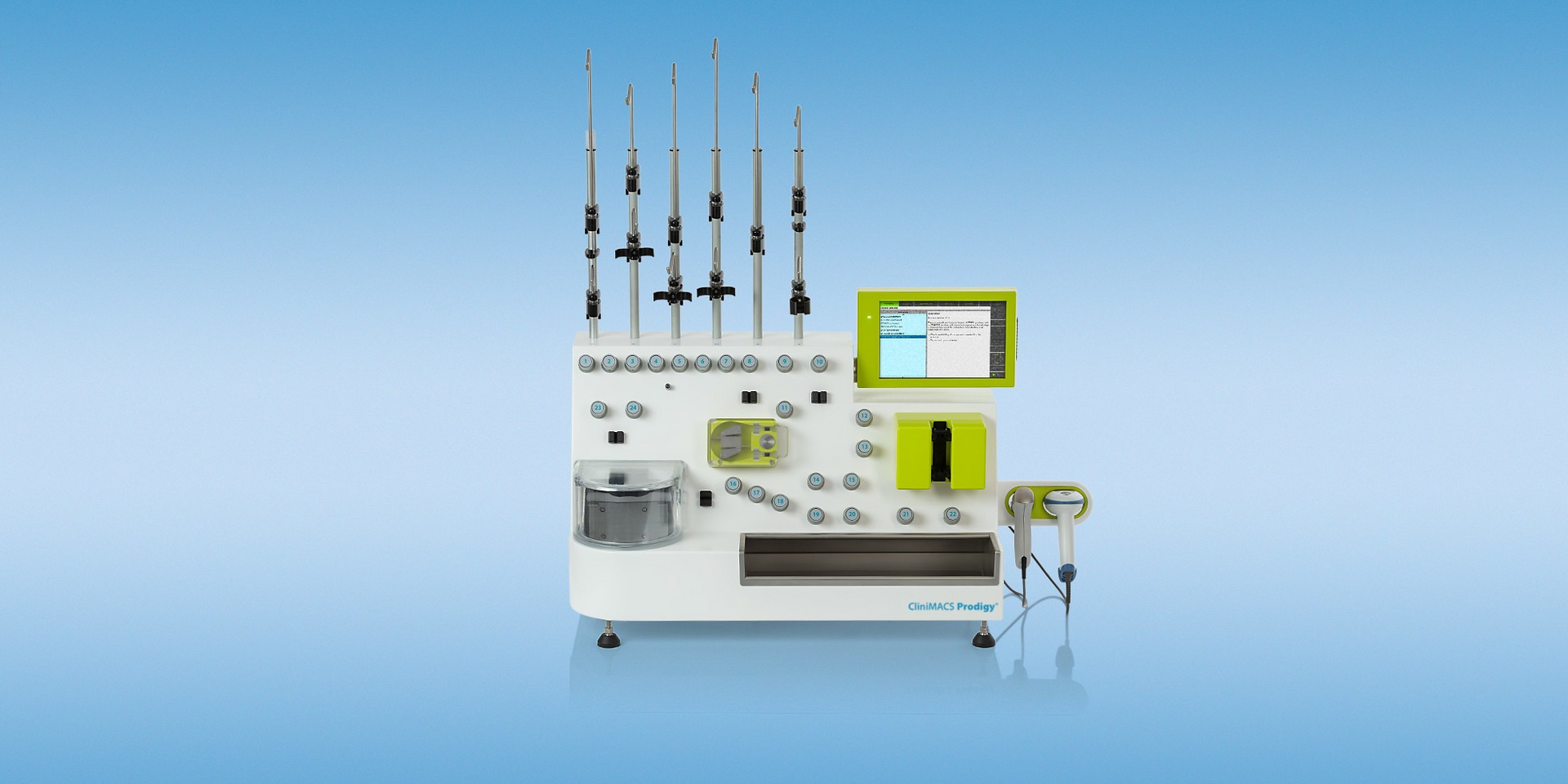
Discover how automated and GMP-compliant CD34+ stem cell enrichment for allogeneic HSCT is performed using CliniMACS Prodigy and CliniMACS Plus Instruments.
Follow the links above to find more videos on how our graft engineering systems perform closed and automated depletion of αβ T cells, CD45RA+ T cells, and B cells.
References
- Carreras, E. et al. (2019) The EBMT Handbook. (Chapter 19, 27, 30, 32) Springer Open ISBN 978-3-030-02277-8.
- Lee, S. J. (2017) Classification systems for chronic graft-versus-host disease. Blood 129: 30–37.
- Schiemans, H. M. et al. (2018) EBMT−NIH−CIBMTR Task Force position statement on standardized terminology & guidance for graft-versus-host disease assessment. Bone Marrow Transplantation 53: 1401–1415.
- Bertaina, A. et al. (2014) HLA-haploidentical stem cell transplantation after removal of αβ+ T and B cells in children with nonmalignant disorders. Blood 124: 822–826.
- Pasquini, M. C. et al. (2012) Comparative outcomes of donor graft CD34+ selection and immune suppressive therapy as graft-versus-host disease prophylaxis for patients with acute myeloid leukemia in complete remission undergoing HLA-matched sibling allogeneic hematopoietic cell transplantation. J. Clin. Oncol. 30: 3194–3201.
- Bleakley, M. et al. (2022) Naive T-cell depletion to prevent chronic Graft-versus-Host disease. J. Clin. Oncol. 40: 1174–1185.
- Feuchtinger, T. et al. (2006) Safe adoptive transfer of virus-specific T-cell immunity for the treatment of systemic adenovirus infection after allogeneic stem cell transplantation. Br. J. Haematol. 134: 64–76.
- Peggs, K. S. et al. (2011) Directly selected cytomegalovirus-reactive donor T cells confer rapid and safe systemic reconstitution of virus-specific immunity following stem cell transplantation. Clinical Infectious Diseases 52: 49–57.
- Qian, C. et al. (2017) Curative or pre-emptive adenovirus-specific T cell transfer from matched unrelated or third party haploidentical donors after HSCT, including UCB transplantations: a successful phase I/II multicenter clinical trial. J. Hematol. Oncol. 10: 102.
Unless otherwise specifically indicated, Miltenyi Biotec products and services are for research use only and not for therapeutic or diagnostic use. For complete regulatory notes, please click here.
You have previously chosen International as your location.
What do you want to do?