Logo

Pluripotent stem cell banking with a closed, automated, and GMP-compliant system

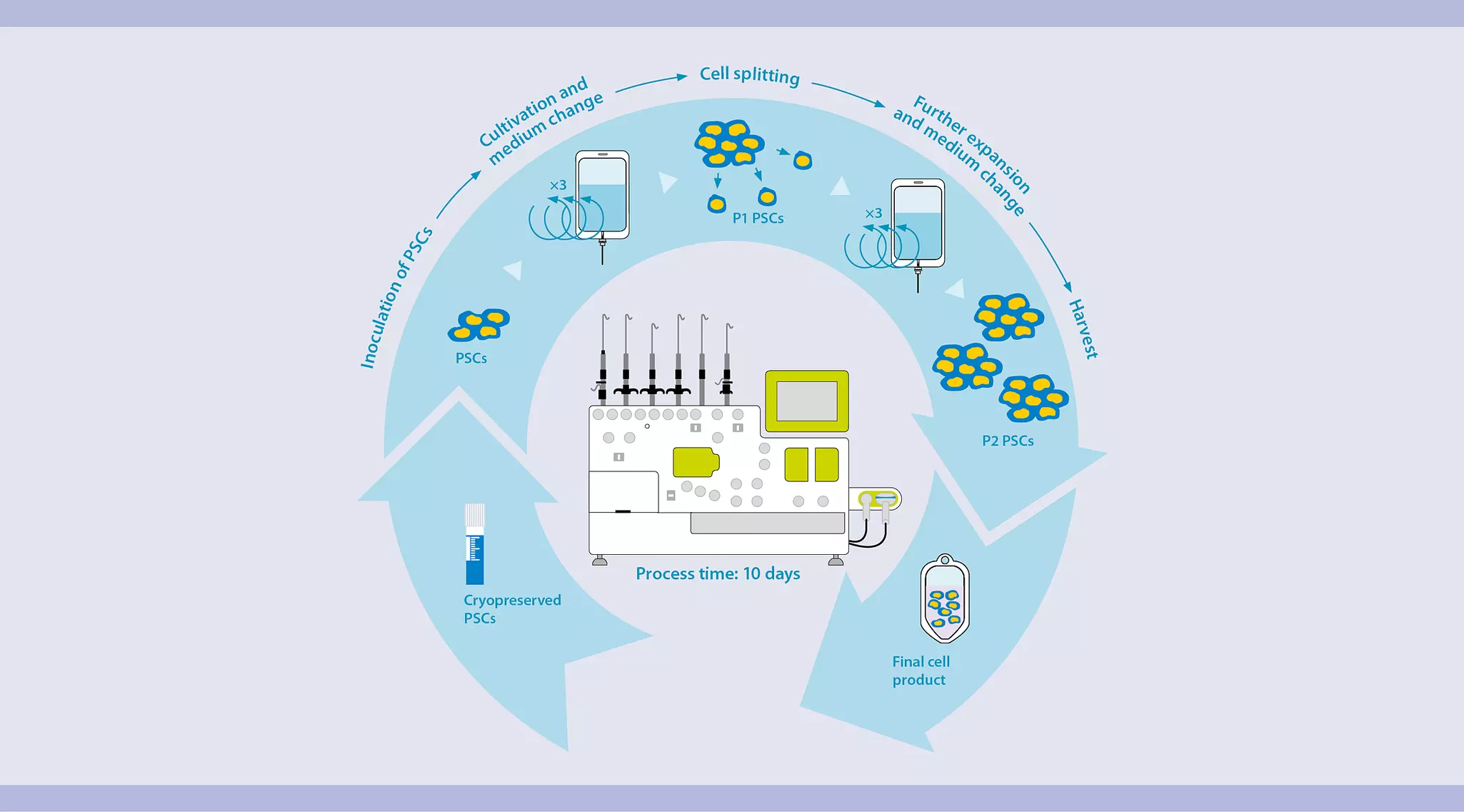
The automated CliniMACS Prodigy® Adherent Cell Culture process enables GMP-compliant human pluripotent stem cell (PSC) expansion in a closed system. This process covers the entire workflow, including coating of culture vessels, inoculation and culture of PSCs and media exchange, until harvest of the final cell products.

Ready-to-use solution for pluripotent stem cell expansion and banking with the CliniMACS Prodigy

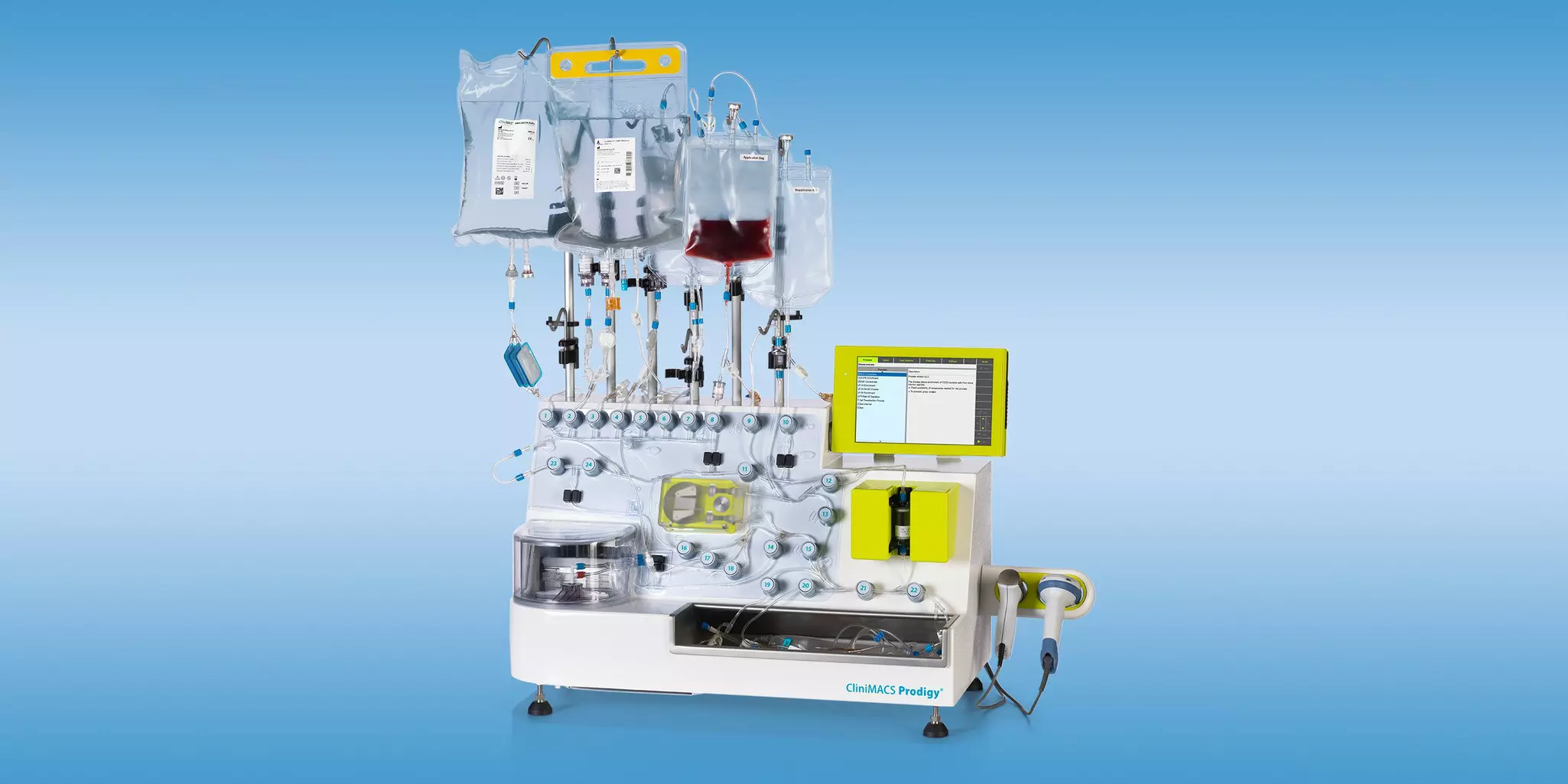
Establishment of PSC banks, including master cell banks and working cell banks, by expanding cells in a GMP-compliant environment is a vital step during the manufacturing processes of PSC-based cell therapies. The CliniMACS Prodigy Adherent Cell Culture process offers nine modules representing different workflow steps, such as coating, inoculation, culture, media change, and harvest, during cell manufacturing. These modules can be flexibly combined to automate the PSC expansion process while the GMP-compliant, single-use CliniMACS Prodigy Tubing Set 730 provides a closed and sterile environment for PSC cultures. External culture vessels can also easily be connected to extend manufacturing scalability, highlighting the CliniMACS Prodigy as a ready-to-use solution for GMP-compliant PSC banking.

Workflow image showing overview of GMP-compliant human PSC expansion with the CliniMACS Prodigy Adherent Cell Culture process
Workflow overview of GMP-compliant human PSC expansion with the CliniMACS Prodigy Adherent Cell Culture process

Spotlight on scientists

Dr. Rafal Krol from CiRA Foundation is using the CliniMACS Prodigy Adherent Cell Culture process for GMP-compliant expansion of human induced pluripotent stem (iPS) cells at large scale. Learn more about his exciting work to expand hundreds of thousands of iPS cells to hundreds of millions in as little as two weeks in the attached scientific poster and webinar.

Scientific poster

Large-scale expansion of human iPS cells in CliniMACS Prodigy® Adherent Cell Culture System

Webinar

Miltenyi University: Automated GMP-compliant PSC banking in a closed system

Get personalized support for your manufacturing workflows of PSCs and other adherent cell types

1. Coating of culture vessels and PSC inoculation

Illustration showing the coating of culture vessels and PSC inoculation

The Coating module of the CliniMACS Prodigy Adherent Cell Culture process can be used to coat the CliniMACS Prodigy chamber or external culture vessels with customized coating solutions prior to cultivation. Cryopreserved PSCs can be resuspended in the starting cell bag after which, based on the designed seeding density, cells can be inoculated in the CliniMACS Prodigy Chamber or external culture vessels using the Inoculation module.

2. PSC cultivation and medium change

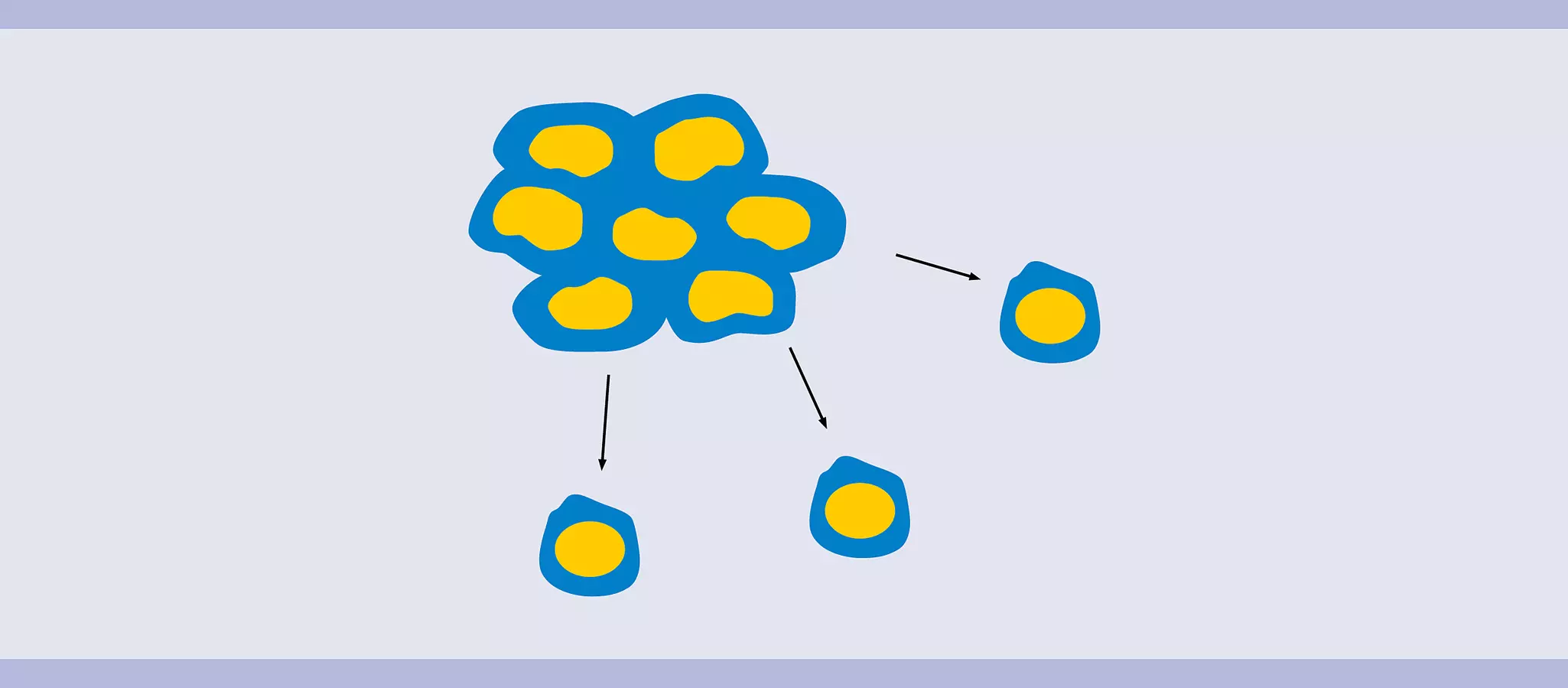
Illustration showing PSC cell splitting

The Culture module allows users to set up the cell culture conditions of the CliniMACS Prodigy Chamber, such as temperature and CO2 concentration. If external culture vessels are used, cells need to be cultivated in a separate incubator. During PSC expansion, the Media change module facilitates complete or partial medium change upon request.

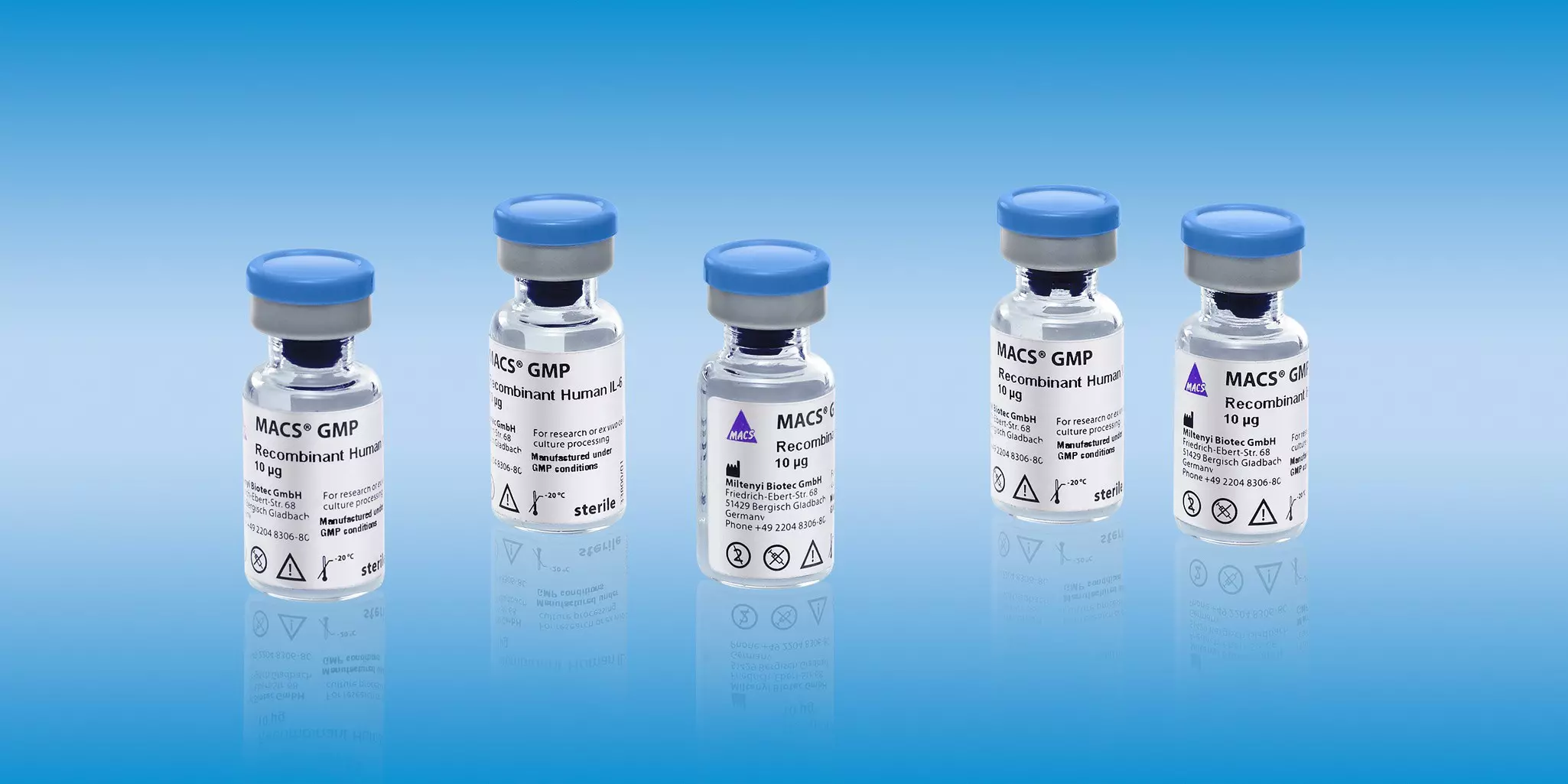
GMP-compliant PSC expansion relies on the strong synergy of iPS-Brew GMP Medium and MACS® GMP Recombinant Human TGF-β1. MACS GMP Products are manufactured and tested under a quality management system (ISO 13485) and are in compliance with relevant GMP guidelines. They are designed following the recommendations of USP <1043> on ancillary materials, and offer consistent lot-to-lot performance.

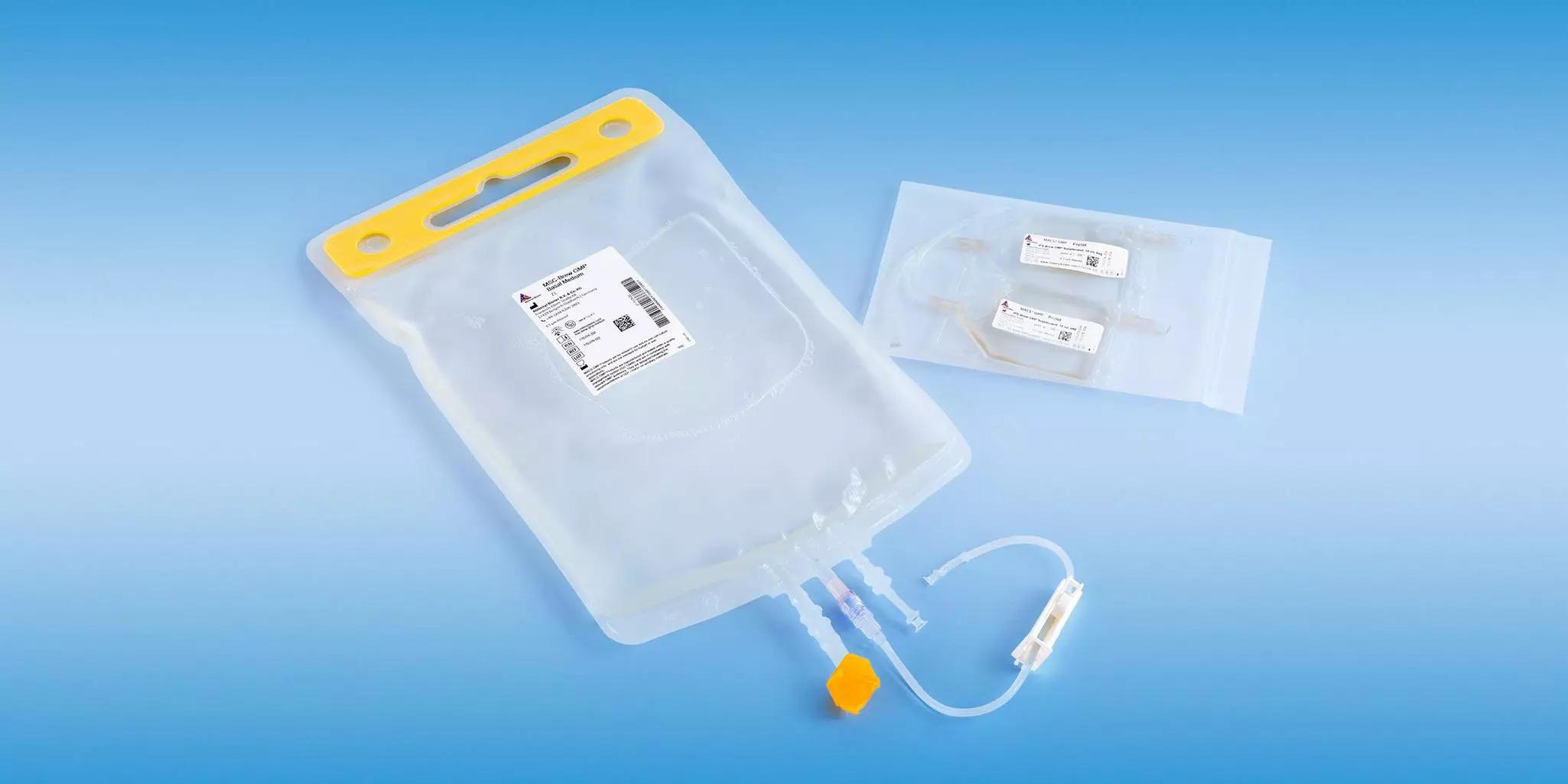
iPS-Brew GMP Medium

  • Serum-free and xeno-free formulation
  • Quality control: functionality test on every batch
  • 2 L bag and 500 mL bottle – compatible with CliniMACS Prodigy and optimal for closed cell manufacturing process

Vials of MACS GMP cytokines

MACS GMP Cytokines

  • Extensive stability studies and lot-specific certificate of analysis with biological activity and protein content
  • Tested to regulatory standards: facilitates discussions with your regulatory authorities about sterility or endotoxin testing methods
  • Regular audits by customers and notified bodies: see for yourself that we also comply to your standards

3. Harvest

Illustration showing the final PSC product after manufacturing

When the desired cell confluency is reached, the Harvest module can be employed to dissociate the cells from the culture vessels, collect, and centrifuge them in the CentriCult™ Unit. Subsequently, cells can be resuspended in the desired medium and harvested in a target cell bag. If continuous cultures are required, the Inoculation module can be used again to re-plate the harvested cells in a new culture vessel.

Quality control testing by flow cytometry

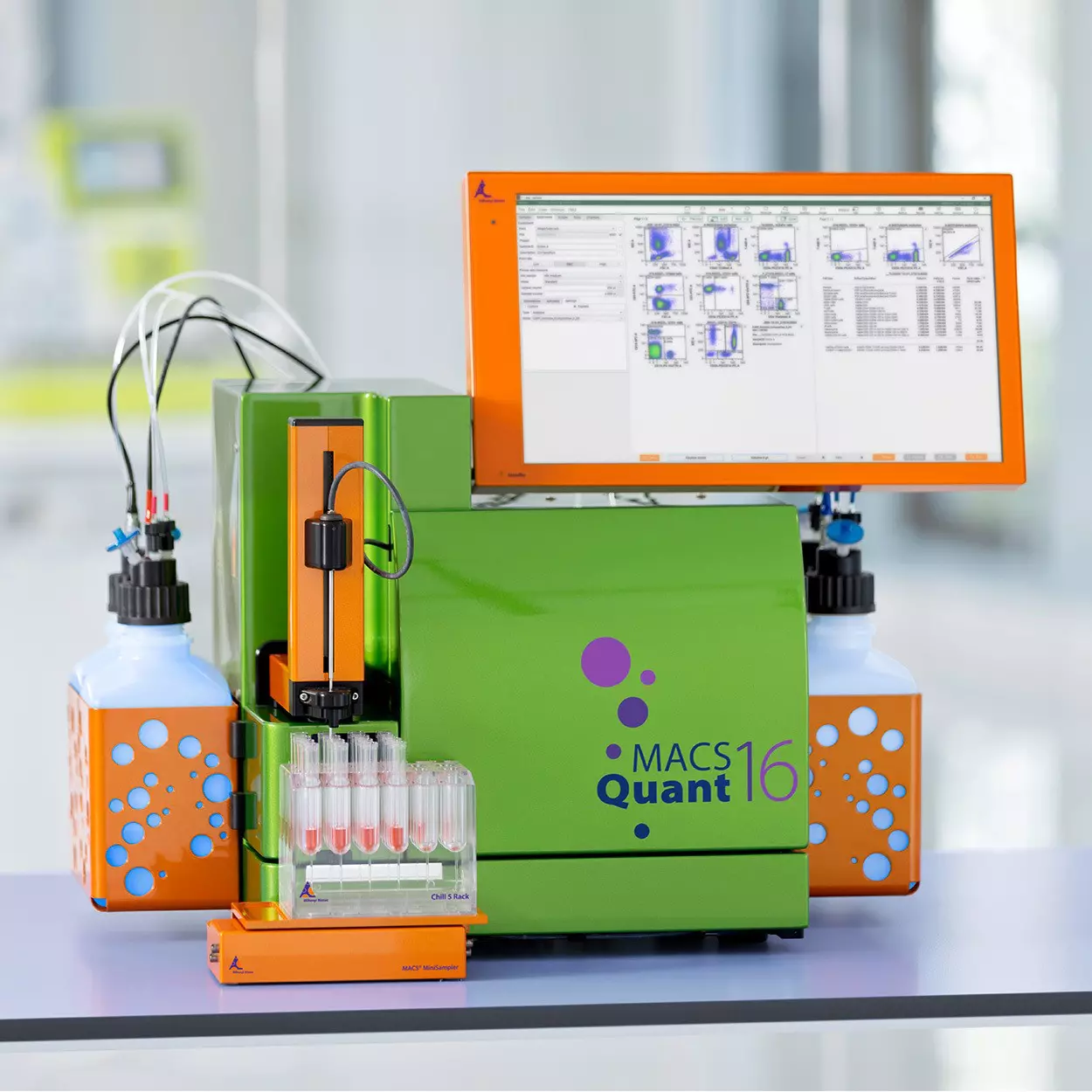
Miltenyi Biotec Flow Cytometer MACSQuant Analyzer 16

In order to enable safe and consistent cell manufacturing, the implementation of robust in-process control and release testing (IPC/RT) is crucial.

Samples collected during a manufacturing process, e.g., on the CliniMACS Prodigy®, are reliably analyzed using our standardized MACSQuant® Analyzer Platform. Our comprehensive workflow solution comprises harmonized flow cytometers equipped with Express Modes packages for automated data acquisition and analysis in an audit-ready software. It also includes a broad portfolio of REAfinity® Recombinant Antibodies with superior specificity and reproducibility.

Miltenyi Biotec provides comprehensive solutions with ready-to-use staining cocktails, pre-tested multicolor antibody panels, and functional characterization assays.

Comparison between manual and automated PSC expansion with the CliniMACS Prodigy

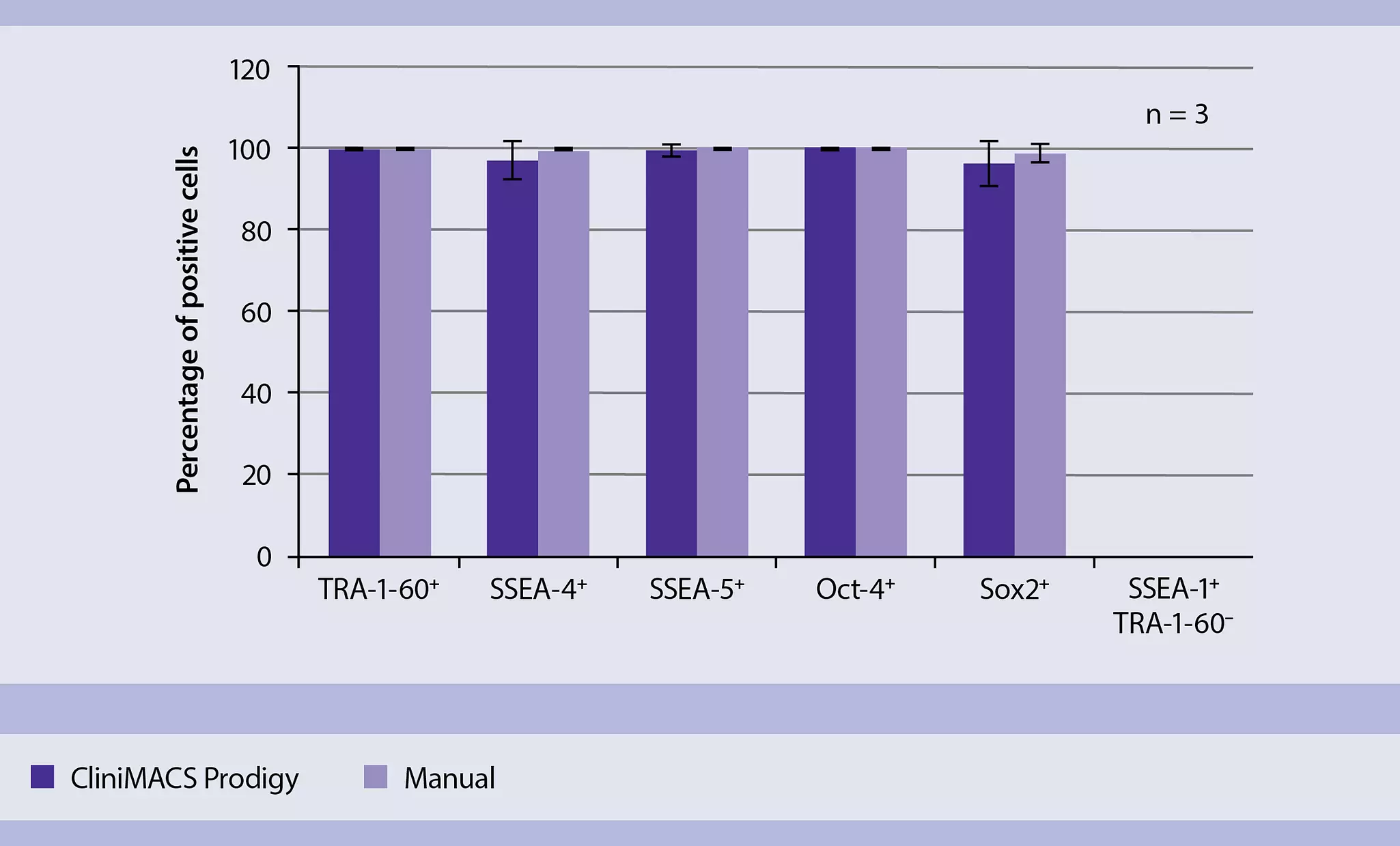
Bar chart showing comparable pluripotency marker expression of PSCs expanded manually, and with the CliniMACS Prodigy
Pluripotency marker expression of PSCs expanded manually, and with the CliniMACS Prodigy

An iPS cell clone was expanded either manually or with the CliniMACS Prodigy Adherent Cell Culture process in the iPS-Brew GMP Medium until passage three (p3). Afterwards, flow cytometric quality control analyses were applied using a MACSQuant® Analyzer. Immunophenotyping revealed that the PSCs expanded on the CliniMACS Prodigy expressed pluripotency markers (TRA-1-60, SSEA-4, SSEA-5, Oct-4, and Sox2) at comparable levels to the manually expanded cells. Meanwhile almost no expression of the differentiation marker SSEA-1 was observed in both groups.

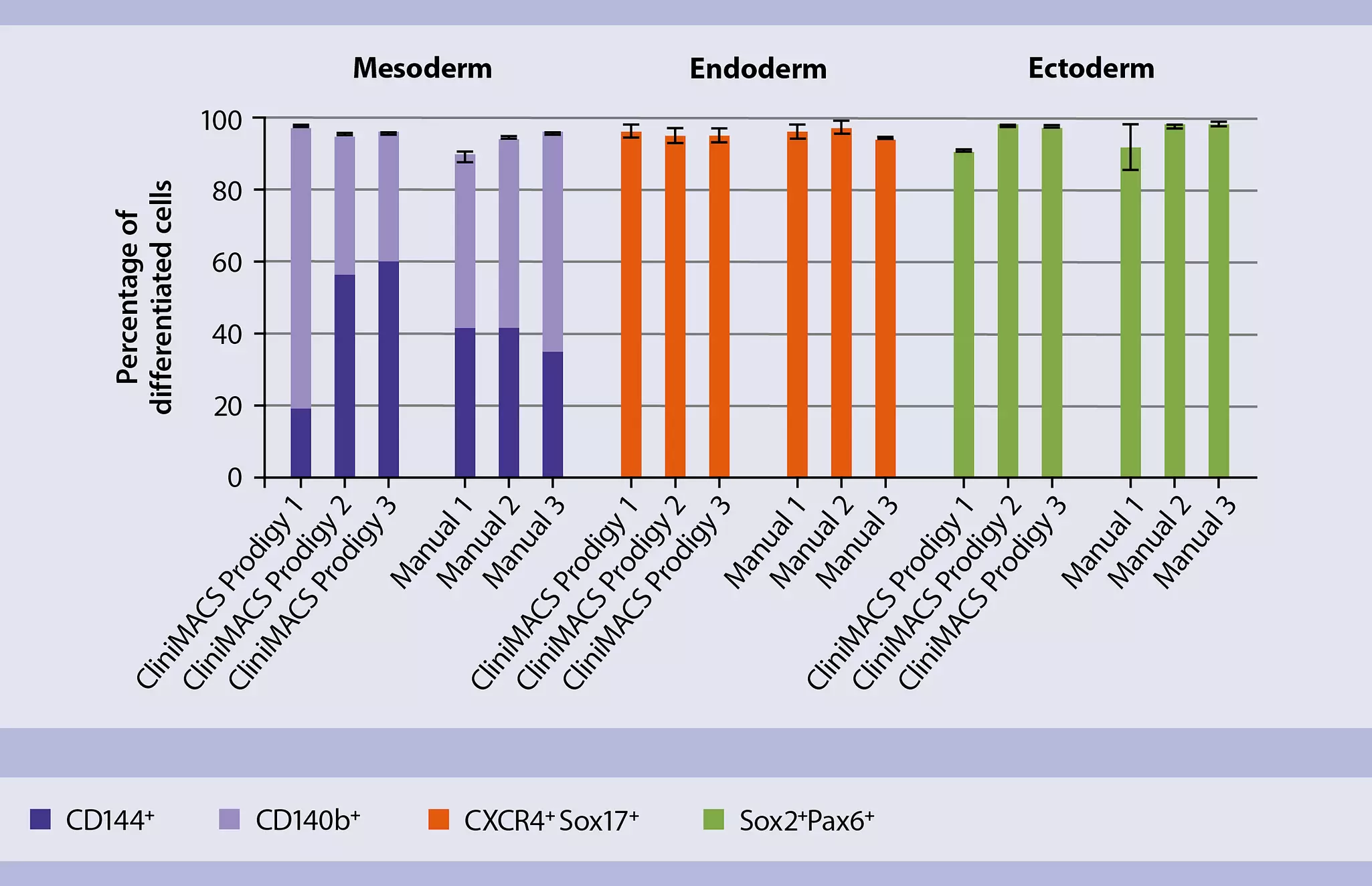
Bar chart showing the trilineage differentiation potential of PSCs expanded manually, and with the CliniMACS Prodigy
Trilineage differentiation potential of PSCs expanded manually, and with the CliniMACS Prodigy

StemMACS™ Trilineage Differentiation Kit, human was used to determine the differentiation potential of expanded PSCs. Immunophenotyping revealed that both the automatically and manually expanded PSCs can differentiate into cells from three different lineages including, CD144 or CD140b positive cells (mesoderm), CXCR4 and Sox17 double positive cells (endoderm), as well as Sox2 and Pax6 double positive cells (ectoderm).

Get personalized support for your manufacturing workflows of PSCs and other adherent cell types

You have previously chosen International as your location.
What do you want to do?