Scientific talks: MACS® Imaging and Spatial Biology Days

Scientific talks: MACS® Imaging and Spatial Biology Days
Dive deep into spatial biology and 3D imaging with our cutting-edge technologies through insightful presentations from the MACS Imaging and Spatial Biology Days.
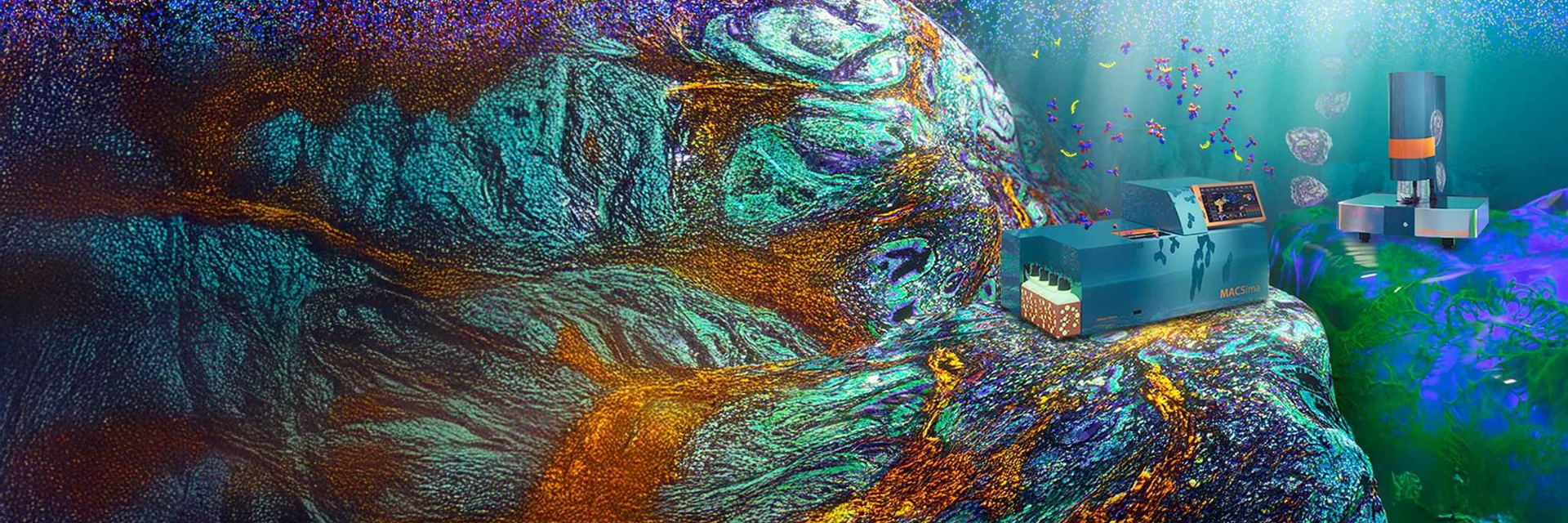
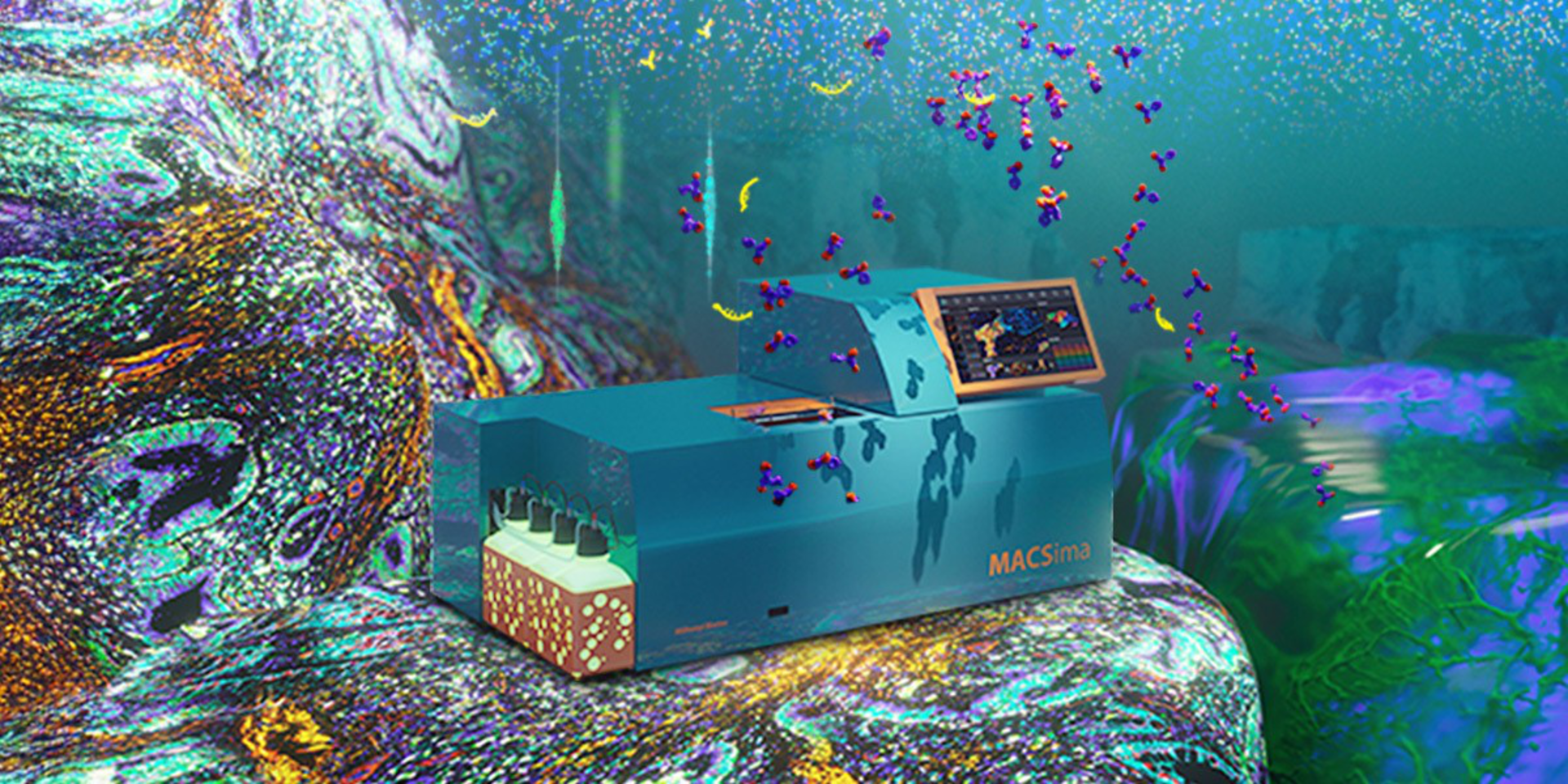
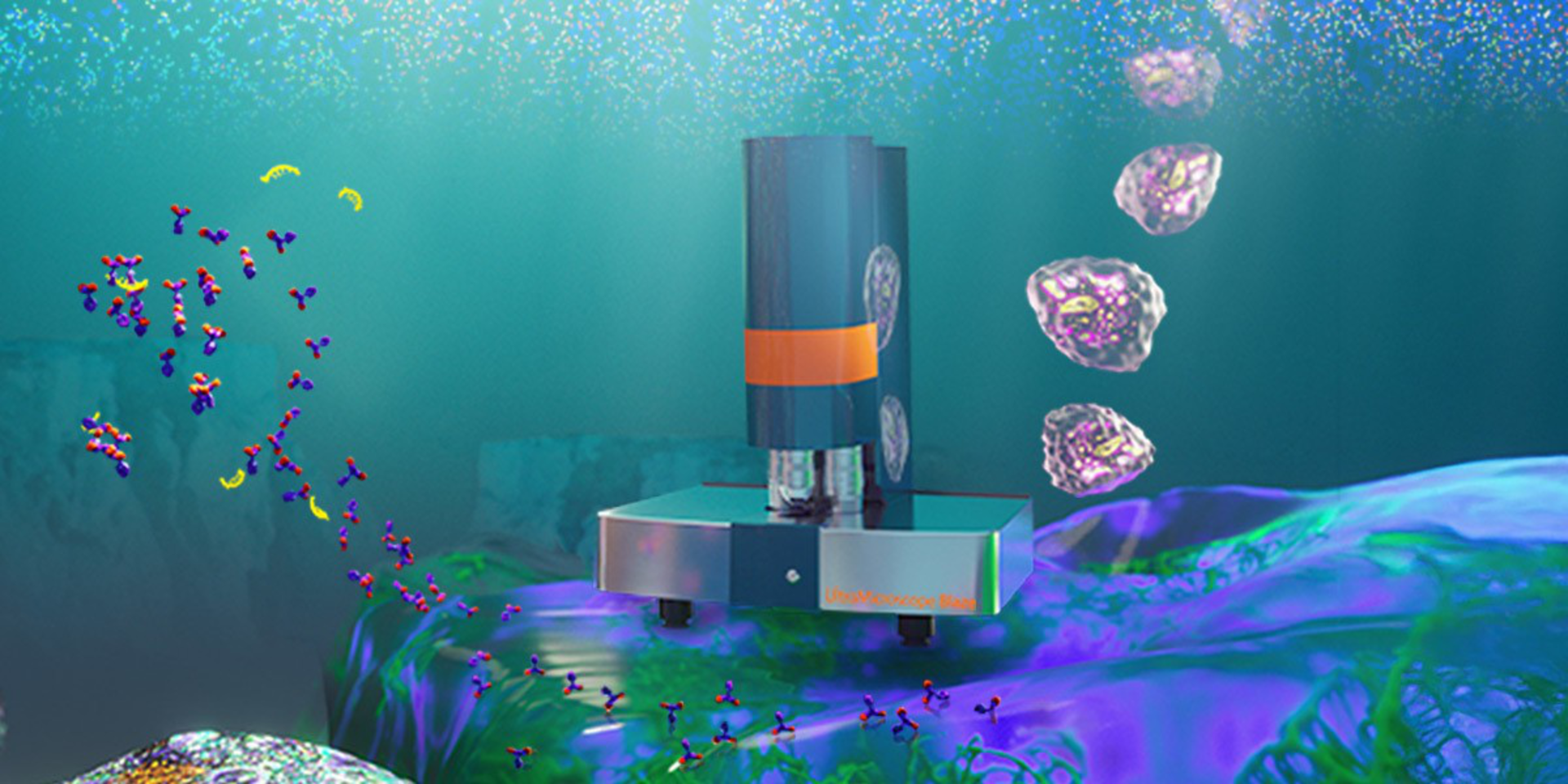
Watch talks from leading researchers showcasing how our revolutionary MACSima® Platform for multiomics spatial biology and the UltraMicroscope Blaze™ – a light sheet microscope designed for fast, high-resolution 3D imaging – are unlocking new possibilities, highlighting innovative workflows and insights that advance our understanding of complex diseases.
Meet the 2025 MACS Imaging and Spatial Biology Days expert speakers

Characterization of a novel cancer-associated fibroblast population with immunosuppressive function
David Agorku, PhD, Group Leader, Cancer Research at Miltenyi Biotec

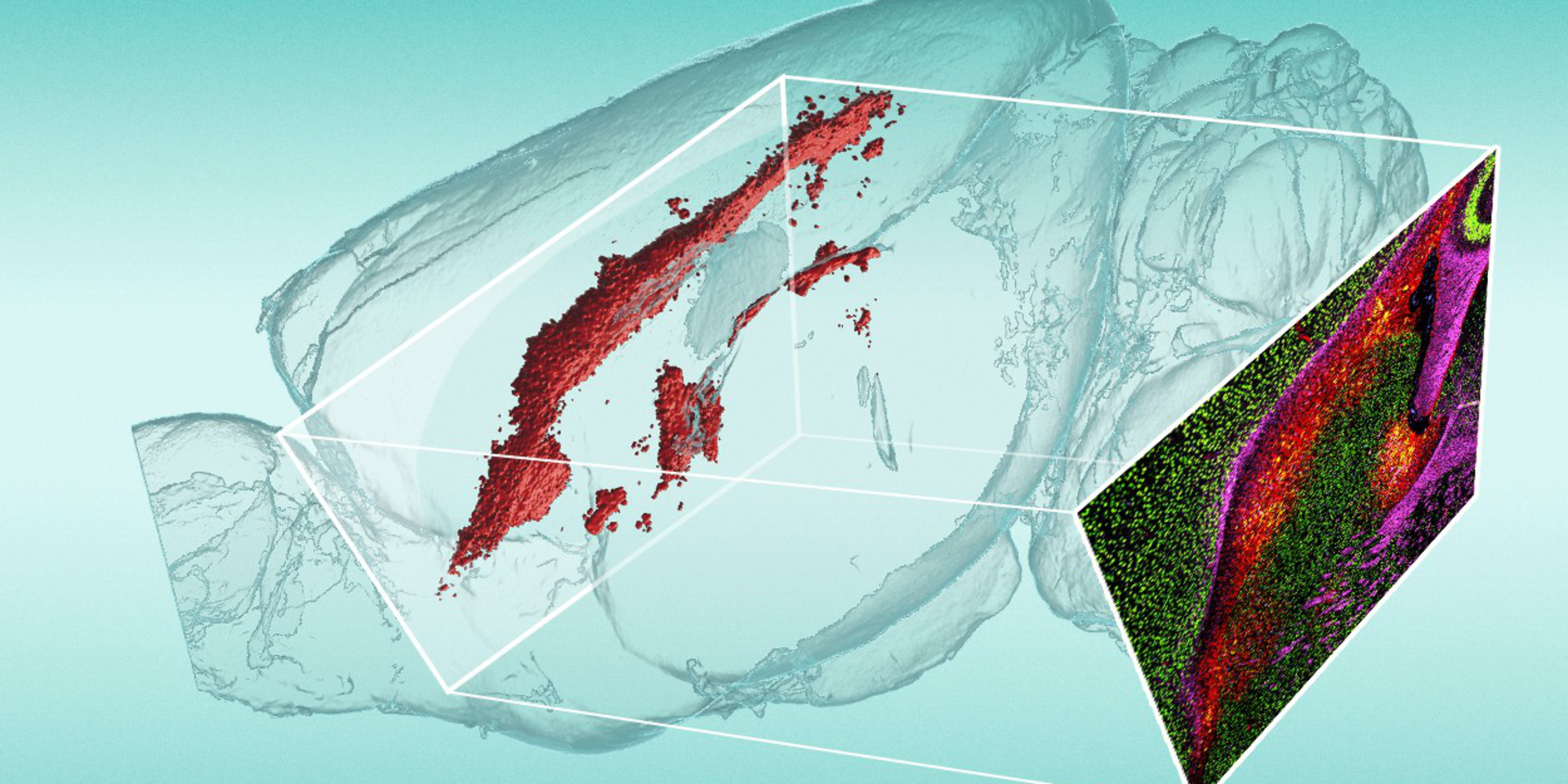
3D imaging of biological tissues: Transforming diagnostics and neurobiology
Shigeaki Kanatani, PhD, Karolinska Institutet

Advancing neuroscience through innovative 3D preclinical services
Thomas Topilko, PhD, Co-Founder & CSO ViBrainT

Leveraging the single-cell spatial revolution to decipher cell-cell interactions in the metastatic liver
Marie Laviron, PhD, Flanders Institute for Biotechnology
Sign up to watch the talks for free and see how our technology is driving spatial biology forward.
Interested in talks from our past events?
Watch below and explore research still shaping spatial biology today.
2024
Spatial immunophenotyping in kidney transplantation: investigating the role of graft-infiltrating immune cells in antibody-mediated rejection
Prof. Giuseppe Castellano, Chief of Nephrology, Fondazione IRCCS Cà Granda Ospedale Maggiore Policlinico; Associate Professor of Nephrology, University of Milano, Italy
Abstract
Compelling evidence revealed a central role for graft-infiltrating cells in chronic active antibody-mediated rejection. High-plex spatial proteomics further defined peritubular and periglomerular leukocyte populations and their close interplay with key innate immune components, including complement.
Preclinical evaluation of novel folate receptor 1-directed CAR T cells for ovarian cancer
Dr. Christoph Herbel, Team Coordinator, Miltenyi Biotec, Germany
Abstract
Ovarian cancer’s poor prognosis drives the need for durable therapies. Using the ultra-high-plex MACSima Spatial Biology Platform, we confirmed FOLR1 as a strong ovarian tumor antigen and developed a library of FOLR1-directed CAR T cells. A lead candidate showed potent, specific anti-tumor activity in vitro and in vivo, supporting its clinical translation.
Age-related changes in the microenvironment of the human splenic marginal zone (sMZ) determine the infrastructure for sMZ B cell responses
Dr. Artur Kibler, Research associate, Institute of Cell Biology (Cancer Research), University of Duisburg-Essen, Essen, Germany
Abstract
The splenic marginal zone (sMZ) primes B cells for rapid defense, but this protective state shifts with age, leaving infants and seniors more vulnerable. Using MACSima Imaging Cyclic Staining (MICS) and single-cell sequencing, we found infant-specific sMZ B cell subsets that disappear with age and are replaced by adult-type B cells with mutated Ig genes and class-switched clones, revealing key age-related changes in splenic immunity.
2023
MACSima: The Newcastle University journey
Bethany Hunter, Research Technician, The Medical School, Newcastle University, Newcastle upon Tyne, United Kingdom
Abstract
Newcastle University’s Flow Cytometry Core Facility (FCCF) and Bioimaging units established a centre of excellence in multiplexed tissue imaging with the acquisition of a UKRI-MRC– funded MACSima System. After validating a broad antibody panel with Miltenyi, we created a TMA resource now supporting projects comparing immune and fibrosis signatures in chronic lung allograft dysfunction and mapping pancreatic immune-fibrotic landscapes in cystic fibrosis-related diabetes.
 Play video
You have previously chosen International as your location.
What do you want to do?