Understanding cancer vaccines: a revolution in oncology

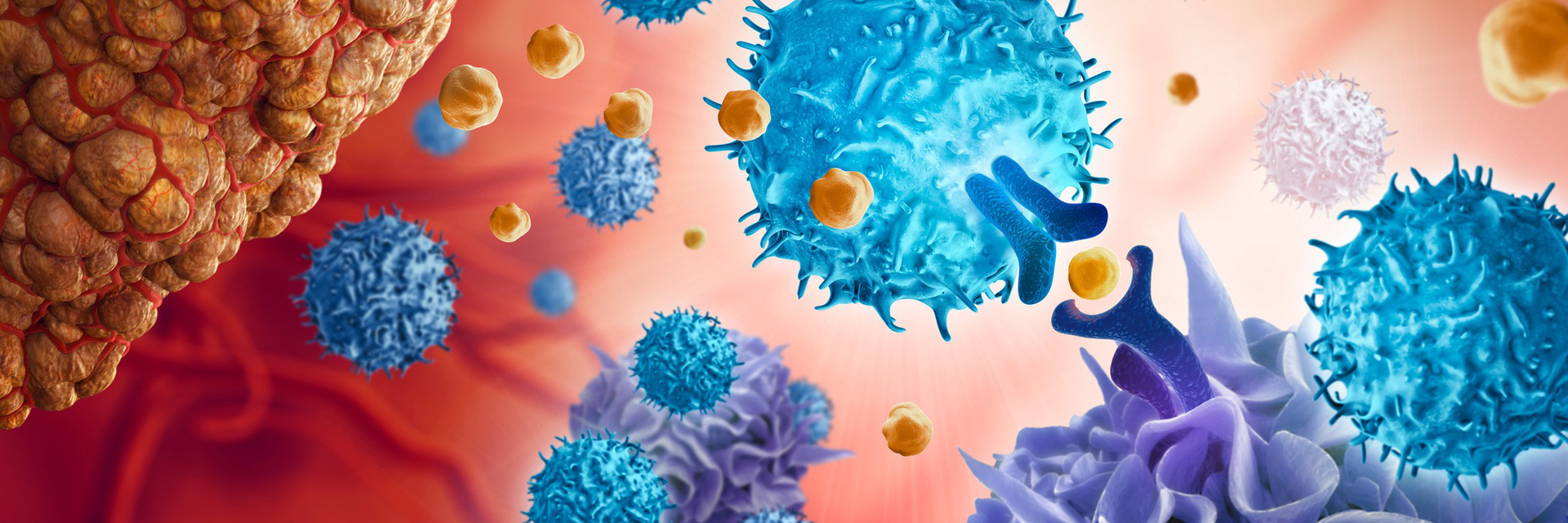
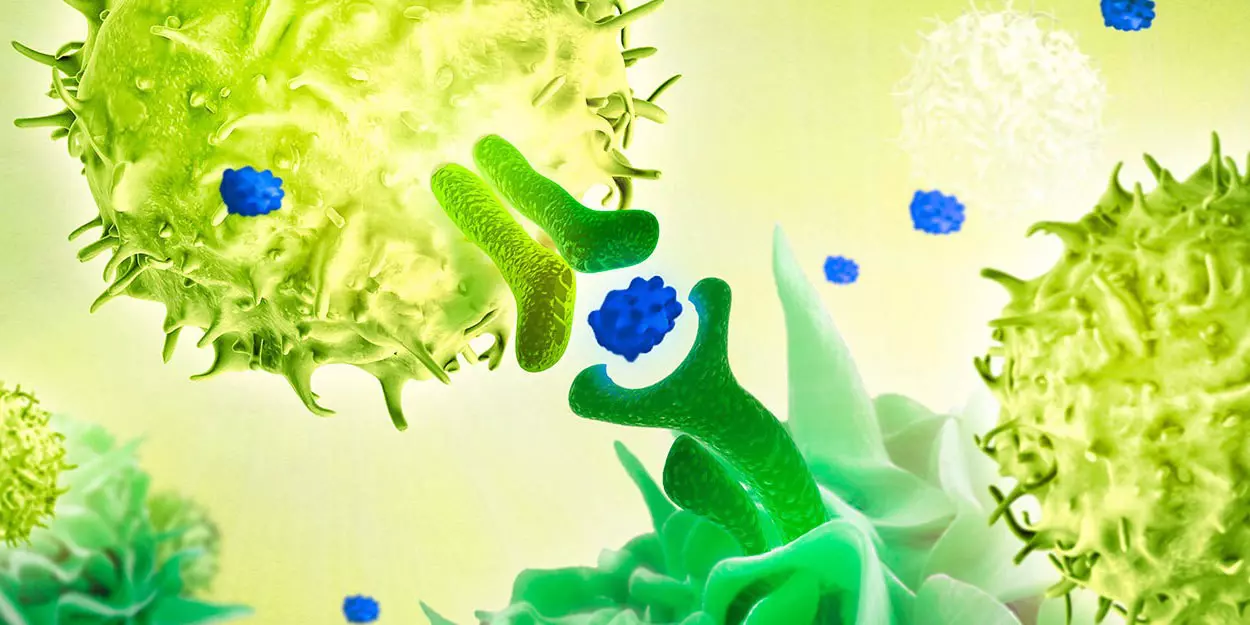
3D graphic showing T cells and tumor cells
Logo

Understanding cancer vaccines: a revolution in oncology

Cancer vaccines, once a distant dream in the realm of medical science, are quickly becoming a reality. As researchers delve deeper into the complex relationship between cancer and the immune system, vaccines designed to prevent or treat cancer are emerging as groundbreaking tools in the fight against this devastating disease.

In this blog post, we explore the types of therapeutic cancer vaccines and the latest breakthroughs in cancer vaccine research, from mechanism-driven design to clinical applications, providing key insights for scientists working at the intersection of oncology and immunology.

Read time: 5–10 minutes

This information is intended for biological researchers and should not be viewed as advice on the use of vaccines in preventing or treating cancer.

Read our blog and become an expert in the latest cancer vaccine research

What are cancer vaccines?

Cancer vaccines fall into two main categories:

  • Preventive vaccines: Preventive cancer vaccines protect against viruses that cause cancer by training the immune system to recognize and eliminate them before infection can lead to malignancy. These vaccines do not directly target cancer cells but prevent infections that may lead to cancer. For example, the HPV vaccine (Gardasil, Cervarix) protects against the human papillomavirus, a major cause of cervical, anal, and throat cancers. Similarly, the Hepatitis B Virus (HBV) vaccine (Engerix-B, Recombivax HB) reduces the risk of liver cancer by preventing chronic hepatitis B infections.1
  • Therapeutic vaccines: These vaccines aim to treat existing cancers by boosting the immune system’s ability to recognize and destroy cancer cells. Unlike traditional vaccines, therapeutic cancer vaccines target specific tumor antigens – proteins on the surface of cancer cells that distinguish them from normal cells.2

How do cancer vaccines work?

Therapeutic cancer vaccines work by stimulating the immune system to recognize and destroy cancer cells. The key mechanisms involve antigen presentation, immune activation, and memory formation. Cancer vaccines introduce tumor-associated antigens (TAA) or tumor-specific antigens (TSA) to the immune system. These antigens can be 1) self-derived proteins (e.g., HER2 in breast cancer), 2) mutated proteins (neoantigens) unique to individual tumors, or 3) viral antigens (e.g., HPV for cervical cancer, HBV for liver cancer).3

Icon showing a shining lightbulb with an exclamaiton mark on it

Did you know?

Louis Pasteur’s discovery of the cholera vaccine for chickens was accidental. Pasteur left cholera bacteria exposed to air while on vacation. Upon his return, he injected the aged bacteria into chickens, and when they were later exposed to fresh cholera bacteria, the chickens didn’t get sick. This led to the discovery of the concept of attenuated vaccines.4

Types of therapeutic cancer vaccines

Therapeutic cancer vaccines are designed to stimulate the immune system to recognize and attack existing cancer cells. These vaccines can be classified based on how they present tumor antigens and activate immune responses.

  • mRNA vaccines: Following the success of mRNA vaccines for COVID-19, researchers are exploring their use in cancer treatment. These vaccines can be tailored to carry genetic instructions for antigens specific to an individual’s tumor, making them highly personalized. Examples currently tested in clinical trials include Moderna’s mRNA-4157 vaccine, a personalized cancer vaccine for melanoma and other cancers.5
  • Neoantigen vaccines: Neoantigens are mutations unique to cancer cells. By targeting these personalized markers, vaccines can direct the immune system to attack only the cancerous cells, sparing healthy tissue. Most neoantigen vaccines are currently experimental but showing promise in clinical trials for cancers like melanoma and lung cancer.6
  • Dendritic cell vaccines: These vaccines use dendritic cells to stimulate an immune response against cancer. For example, DCVax-L, developed for glioblastoma, is made by exposing a patient’s dendritic cells to tumor antigens in the lab and then reinjecting them.7 Another example is Sipuleucel-T (Provenge), the first FDA-approved dendritic cell–based vaccine for the treatment of metastatic prostate cancer.8 The patient’s dendritic cells are activated with a fusion protein containing prostatic acid phosphatase (PAP), a protein expressed in most prostate cancers, and GM-CSF, an immune system growth factor that helps activate dendritic cells.9
  • Tumor cell vaccines: These vaccines use killed or genetically modified cancer cells to provoke an immune response. GVAX is an investigational vaccine for various cancers, including lung and pancreatic cancer.10 This vaccine uses whole cancer cells that are genetically modified to secrete Granulocyte-Macrophage Colony-Stimulating Factor, which attracts and activates dendritic cells, a crucial factor for stimulating a T cell response against cancer. Similarly, OncoVAX, is a colorectal cancer vaccine made from autologous tumor cells.11 Tumor cells are harvested after surgery, irradiated to inactivate them, and then reintroduced into the patient.
  • Virus-based vaccines: These vaccines use modified viruses to deliver cancer-specific antigens or directly infect and kill cancer cells. For example, the FDA-approved T-VEC (Talimogene Laherparepvec) for advanced melanoma uses a modified herpes simplex virus (HPV) to infect and destroy tumor cells while stimulating an immune response.12 Similarly, Cytomegalovirus (CMV) is being investigated as a platform for developing cancer vaccines due to its unique ability to stimulate a robust immune response. Clinical trials include CMV-based vaccine VBI-1901, which uses the CMV-pp65 protein combined with glioma-associated antigens and is designed to activate the immune system to target both glioblastoma cells and CMV-infected cells (NCT03382977).
  • DNA vaccines: These vaccines use DNA plasmids to encode tumor-specific antigens, enabling the immune system to recognize and destroy cancer cells.13 INO-5401 is a DNA vaccine targeting glioblastoma and other solid tumors, developed by Inovio Pharmaceuticals.14 VGX-3100 targets precancerous lesions caused by HPV, potentially preventing the progression to cervical cancer.15
  • Peptide-based vaccines: These vaccines use short chains of amino acids (peptides) derived from cancer antigens to train the immune system to attack tumor cells expressing those antigens. For example, the IMA901 vaccine is composed of multiple peptides to enhance immune recognition of renal cell carcinoma tumors.16 Similarly, the E75 (NeuVax) vaccine targets the HER2 protein, often overexpressed in breast cancer.17 Other examples currently under investigation are NY-ESO-1, a cancer-testis antigen expressed in melanoma, sarcoma, and lung cancer, targeted in various Phase 1 and Phase 2 clinical trials;18 GP100, a melanocyte differentiation antigen found in melanoma under investigation and tested together with interleukin-2 (IL-2) or checkpoint inhibitors;19 and MART-1, also a melanocyte differentiation antigen, often used in peptide vaccines for melanoma.20

Icon publication
Research highlight

Read more about how the DendriMACS™ GMP Medium and MACS® GMP recombinant human interleukins and cytokines contribute to research into the production of dendritic cell vaccines.

Production of dendritic cell vaccines using different methods with equivalent results: Implications for emerging centers
da Silva Santos Duarte, A. et al. (2024) Hematol Transfus Cell Ther. 46(1):30-35. | Read article

Icon publication
Research highlight

Read more about how the Pan T Cell Isolation Kit, Cell Enrichment and Detection Kit, and CD14 MicroBeads contribute to HPV research into HPV antigen–specific T cells and cervical cancer.

Expansion of human papillomavirus-specific T cells in periphery and cervix in a therapeutic vaccine recipient whose cervical high-grade squamous intraepithelial lesion regressed
Shibata, T. et al. (2021) Case Reports Front Immunol. 12:645299. | Read article

What new developments are there in cancer vaccine research?

Recent developments in cancer vaccine research have showcased significant advances, particularly in the areas of personalized medicine and mRNA technology. These developments underscore a transformative period in cancer vaccine research, with personalized and mRNA-based vaccines at the forefront of innovative cancer treatments.

Personalized mRNA vaccines

A notable example is the investigational vaccine mRNA-4157/V940, developed by Moderna and Merck. This personalized vaccine targets neoantigens to stimulate an immune response against cancer cells. In a Phase 2b trial (NCT03897881) involving patients with resected stage III/IV melanoma, the combination of mRNA-4157/V940 and pembrolizumab (PD-1 inhibitor) demonstrated a 40% reduction in the risk of cancer recurrence or death compared to pembrolizumab alone. These promising results have led to the initiation of a Phase 3 trial to further assess its efficacy (NCT05933577).

Individualised neoantigen therapy mRNA-4157 (V940) plus pembrolizumab versus pembrolizumab monotherapy in resected melanoma (KEYNOTE-942): a randomised, phase 2b study
Weber, J.S. et al. (2024) Lancet. 17;403(10427):632-644 | Read article

Advancements in pancreatic cancer vaccines

In pancreatic cancer research, the personalized mRNA vaccine autogene cevumeran has shown encouraging outcomes. A Phase 1 trial (NCT04161755) reported that half of the treated patients exhibited a vaccine-induced immune response, which correlated with a longer recurrence-free survival. This suggests potential benefits in preventing cancer recurrence post-surgery.

Personalized RNA neoantigen vaccines stimulate T cells in pancreatic cancer
Rojas, L.A. et al. (2023) Nature. 618(7963):144-1504 | Read article

Innovations in kidney cancer vaccines

An experimental vaccine for advanced kidney cancer has demonstrated promising early-stage trial results (NCT02950766). Administered after tumor removal, the personalized vaccine prevented recurrence in all nine patients over nearly four years. It works by training the immune system to target remaining cancer cells using neoantigens, highlighting the potential of personalized vaccine approaches in oncology.

A neoantigen vaccine generates antitumour immunity in renal cell carcinoma
Braun, D.A. et al. (2025) Nature. doi: 10.1038/s41586-024-08507-5. Online ahead of print. | Read article

You have previously chosen International as your location.
What do you want to do?