The IL-4 Secretion Assay was developed for the sensitive detection of human IL-4-secreting cells.


Related products for IL-4 Secretion Assay – Detection Kit (PE), human

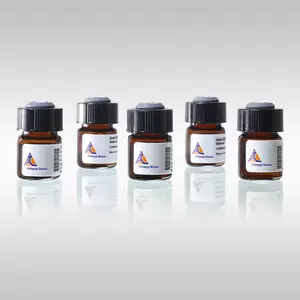
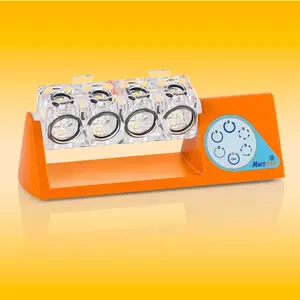
The IL-4 Secretion Assay was developed for the sensitive detection of human IL-4-secreting cells.
Interleukin-4 (IL-4) is predominantly secreted by activated CD4+ memory and effector TH2 cells, basophils, and mast cells. It induces and supports humoral immune responses for the neutralization of extracellular pathogens. The TH2 types of immune mechanisms can also be involved in immunologic disorders, such as IgE-mediated allergy. The IL-4 Secretion Assay (PE) can also be used for two-color cytokine analysis in combination with the IFN-γ Secretion Assay - Detection Kit (FITC) or the IFN-γ, IL-2, or IL-10 Secretion Assay - Detection Kits (APC).
IL-4 Secretion Assays were used to isolate and analyze Tetanus Toxoid-specific1, allergen-specific2,5, and autoreactive7 T cells from PBMCs, as well as tumor-specific cells from T cell lines3.
The IL-4 Secretion Assay was also used for isolation of IL-4-secreting human NK cells4, and for detection of IL-4-secreting NKT cells6.
IL-4-secreting CD8+ T cells were isolated in combination with CD8 MultiSort MicroBeads.8
PBMCs were stimulated with 1 µg/mL SEB for 16 hours. The responding cells were stained according to secretion of IL-4 using the IL-4 Secretion Assay - Detection Kit. In the stimulated sample, 0.307% of all CD4+ T cells secreted IL-4. In the unstimulated control sample, 0.004% of all CD4+ T cells secreted IL-4.
To access a Certificate of Analysis (CoA) follow the link below and enter the specific lot of your product.
Should you wish to request additional documentation, such as a Safety Data Sheet (SDS) in other languages than English or Swedish, an SDS-replacement document, or a Certificate of Origin (CoO), please direct your inquiry to your local technical support team.
- Araki, M. et al. (2002) Tʜ2 bias of CD4+ NKT cells derived from multiple sclerosis in remission. Int. Immunol. 15: 279-288
- Akdis, M. et al. (2004) Immune responses in healthy and allergic individuals are characterized by a fine balance between allergen-specific T regulatory 1 and T helper 2 cells. J. Exp. Med. 199: 1567-1575
- Akdis et al. (2000) MACS&more 4: 9-10
- Veldman, C. et al. (2003) Dichotomy of autoreactive Th1 and Th2 cell responses to desmoglein 3 in patients with pemphigus vulgaris (PV) and healthy carriers of PV-associated HLA class II alleles. J Immunol 170: 635-642
- Brosterhus, H. et al. (1999) Enrichment and detection of live antigen-specific CD4(+) and CD8(+) T cells based on cytokine secretion. Eur. J. Immunol. 29: 4053-4059
- Deepe, G. S. et al. (2009) The CCL7-CCL2-CCR2 axis regulates IL-4 production in lungs and fungal immunity. J Immunol 183 (3): 1964-1974
- Schwaiger, S. et al. (2003) IL-4-producing CD8+ T cells with a CD62L++(bright) phenotype accumulate in a subgroup of older adults and are associated with the maintenance of intact humoral immunity in old age. J Immunol 170: 613-619
- Oelke, M. et al. (2000) Functional characterization of CD8+ antigen-specific cytotoxic T lymphocytes after enrichment based on cytokine secretion: comparison with the MHC-tetramer technology. Scand. J. Immunol. 52: 544-549
- Deniz, G. et al. (2002) Human NK1 and NK2 subsets determined by purification of IFN-gamma-secreting and IFN-gamma-nonsecreting NK cells. Eur. J. Immunol. 32: 879-884
You have previously chosen International as your location.
What do you want to do?