Anti-Phycoerythrin (PE) MicroBeads are used for the indirect magnetic labeling and separation of cells or other materials labeled with a PE-conjugated primary antibody or ligand. The use of PE-conjugated primary antibodies and Anti-PE MicroBeads leads to the highest purity and recovery, even when the marker used for sorting is weakly expressed. Anti-PE MicroBeads UltraPure have been especially designed for cell separations from debris-rich biological starting materials.


Related products for Anti-PE MicroBeads
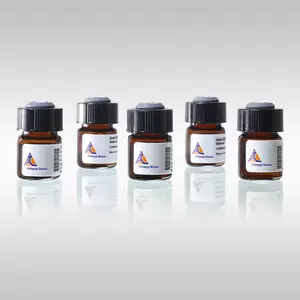


Anti-Phycoerythrin (PE) MicroBeads are used for the indirect magnetic labeling and separation of cells or other materials labeled with a PE-conjugated primary antibody or ligand. The use of PE-conjugated primary antibodies and Anti-PE MicroBeads leads to the highest purity and recovery, even when the marker used for sorting is weakly expressed. Anti-PE MicroBeads UltraPure have been especially designed for cell separations from debris-rich biological starting materials.
Anti-PE MicroBeads UltraPure have been especially developed for highly efficient separation of cells from debris-rich samples or other biological materials according to surface markers labeled with PE-conjugated primary antibodies, peptides or ligands. After separation the PE-labeled cells can be directly detected by flow cytometry or fluorescence microscopy without any further staining. Together with its ultrapure cell separation result even from debris-rich starting material Anti-PE MicroBeads UltraPure are the latest development of Anti-PE MicroBeads.
Anti-PE MicroBeads are well-established as a component of the Cytokine Secretion Assays for the enrichment of antigen-specific T cells. They have also been used to isolate antigen-specific T cells after labeling with PE-conjugated MHC Class I tetramers1,2 or MHC Class II tetramers3. Moreover, they have been used to separate a CD62L+ subset of CD4+CD45RO+ memory T cells from human adenoids, which had been pre-sorted by MACS® Technology4. The latest development of Anti-PE MicroBeads UltraPure enables high-yield positive cell separation using any PE-labeled primary antibody, even from low quality and rare cell samples.
For positive selection: MS, LS, XS, or autoMACS® Columns. For depletion: LD, D, or autoMACS Columns.
Isolation of cytomegalovirus (CMV)-specific T cells from PBMCs using PE-conjugated CMVpp65/A2 tetramers (courtesy of Prof. Moss, Birmingham, U.K.) and Anti-PE MicroBeads. Cells were positively selected by separation over two MS Columns.
Human CLEC9a+ cells have been isolated from a debris-rich sample of peripheral blood mononuclear cells (PBMCs) using Anti-CLEC9a-PE, Anti-PE MicroBeads UltraPure, two MS Columns, and a MiniMACS™ Separator. Cells were stained with Anti-CLEC9a-PE (# 130-097-368), CD141 (BDCA-3)-APC (# 130-090-907), and Propidium Iodide Solution (# 130-093-233). Cells were analyzed after gating on viable lymphoid cells.
- Shankar et al. (2001) Blood 96: 3094-3101
- Barnes, E. et al. (2004) Ultra-sensitive class I tetramer analysis reveals previously undetectable populations of antiviral CD8+ T cells. Eur. J. Immunol. 34: 1570-1577
- Lucas, M. et al. (2004) Ex vivo phenotype and frequency of influenza virus-specific CD4 memory T cells. J. Virol. 78: 7284-7287
- Mattila, P. S. et al. (2000) Adenoids provide a microenvironment for the generation of CD4+, CD45RO+, L-selectin–, CXCR4+, CCR5+ T lymphocytes, a lymphocyte phenotype found in the middle ear effusion. Int. Immunol. 12: 1235-1243
You have previously chosen International as your location.
What do you want to do?