REAfinity® Recombinant Antibody production

For over 30 years, Miltenyi Biotec has provided research and clinical laboratories worldwide with reliable biotechnological solutions. As concerns about unreproducible results continue to grow, often due to poorly characterized antibodies, our commitment is clear: to provide antibodies you can truly trust.

At Miltenyi Biotec, recombinant antibody production is a fully integrated, tightly controlled workflow that includes antibody design and screening, recombinant expression, purification, and conjugation, in-process controls, extensive validation, and rigorous quality control. By transparently sharing our in-house production and validation processes, we demonstrate the scientific rigor behind every REAfinity Recombinant Antibody, helping you reduce your own validation efforts, increase your confidence in your experiments, and generate reproducible data.

How are REAfinity Recombinant Antibodies produced?

The production of REAfinity Recombinant Antibodies follows a standardized, fully traceable workflow – from antibody design and genetic engineering to large-scale expression, followed by purification and conjugation. Each product undergoes strict validation and final quality control to ensure the highest standards are met.

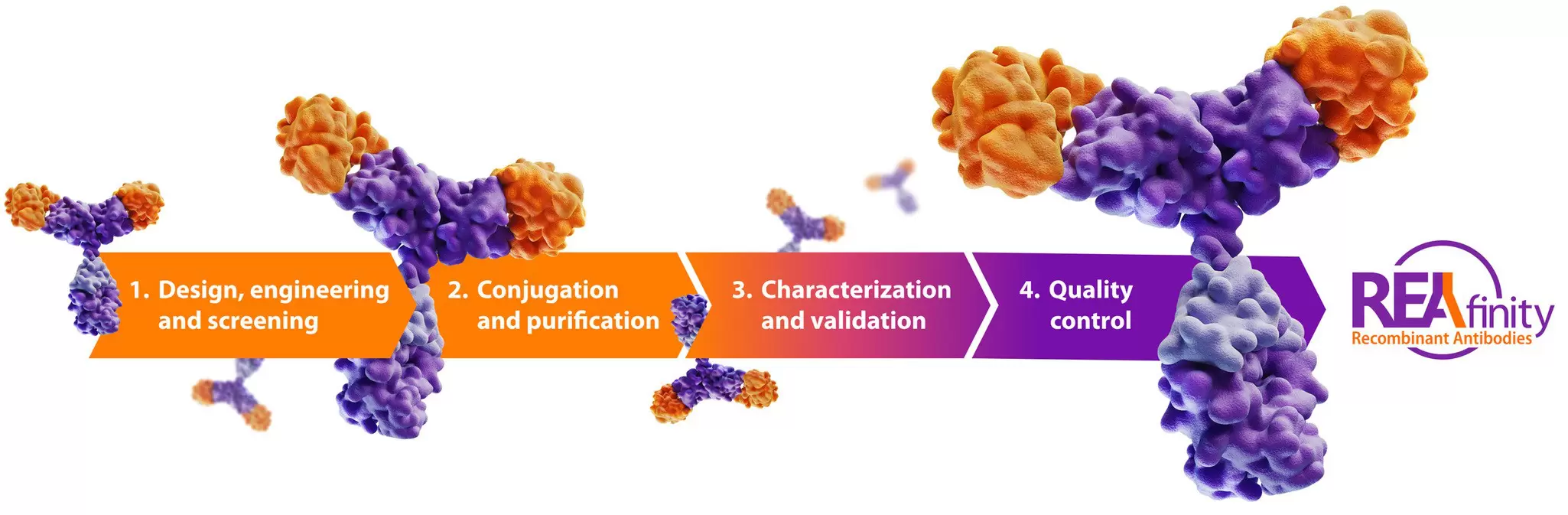
Infographic REAfinity production process: 1. antibody design, genetic engineering, screening, 2. purification and conjugation, 3. Characterization and validation, 4. Quality control

1. Design, engineering, and screening of REAfinity Recombinant Antibodies

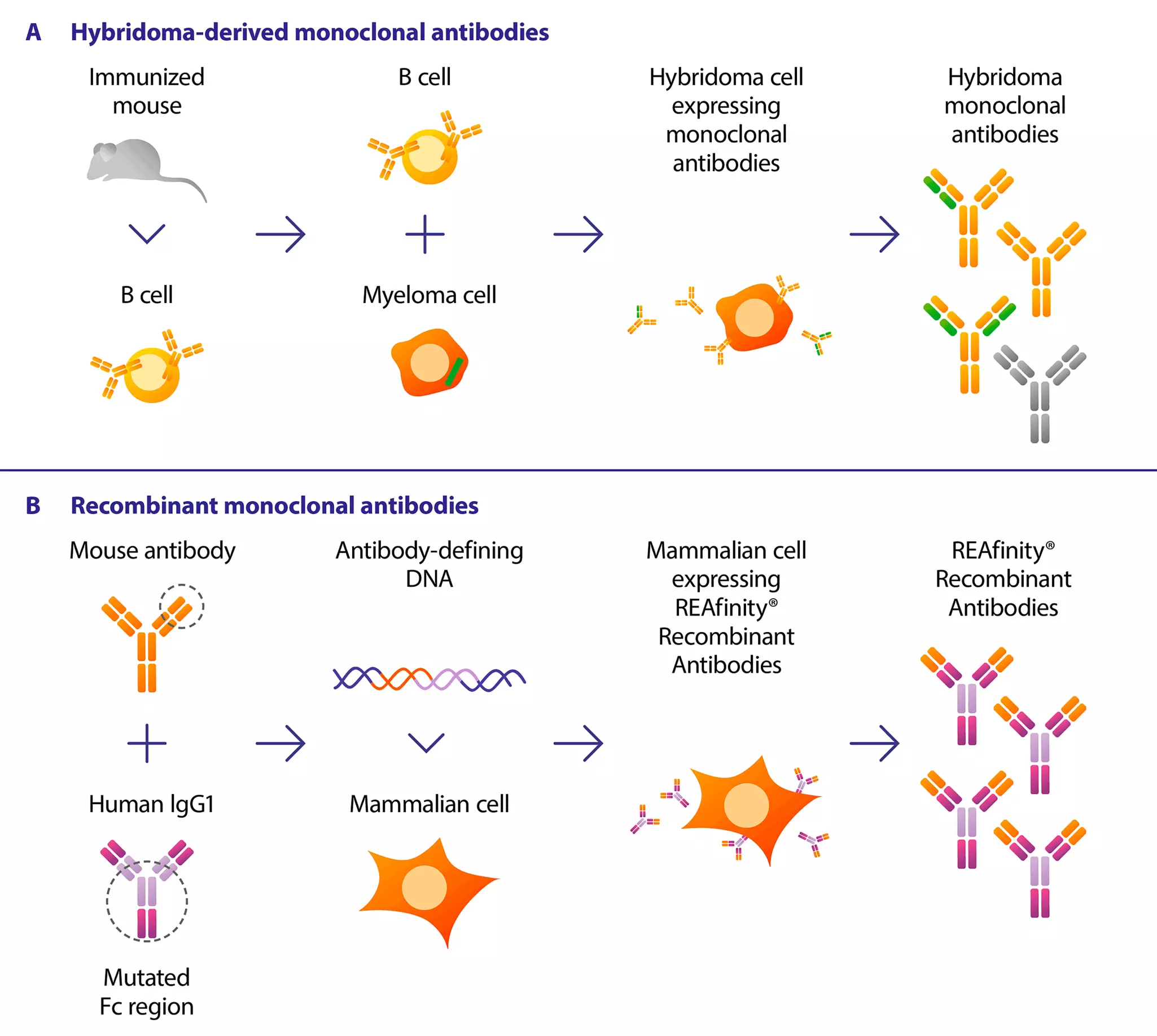
Antibody production methods of hybridoma-derived monoclonal antibodies and recombinant monoclonal antibodies.

REAfinity Recombinant Antibodies are generated through advanced antibody design, genetic engineering, and screening technologies. These technologies combine genetic material from immunized animals with display-based selection from in-house antibody libraries.

The antigen-binding region of a mouse IgG derived from a hybridoma is fused with a human IgG1 Fc region. The Fc region is mutated to prevent binding to Fcγ receptors. A single, standardized mammalian cell line expresses this chimeric construct, ensuring consistent batch quality across all REAfinity Recombinant Antibodies.

After successful development in R&D, each antibody candidate is transferred to our in-house recombinant and monoclonal antibody production facility for large-scale manufacturing, continuous monitoring, and long-term consistency assurance.

Thanks to our advanced recombinant antibody engineering and production system, all antibodies are free of light-chain, cell-, and serum-derived contaminants. By choosing REAfinity Recombinant Antibodies, you invest in reliability from the start – eliminating the need for re-validation and saving valuable research time.
2. Conjugation and purification of REAfinity Recombinant Antibodies

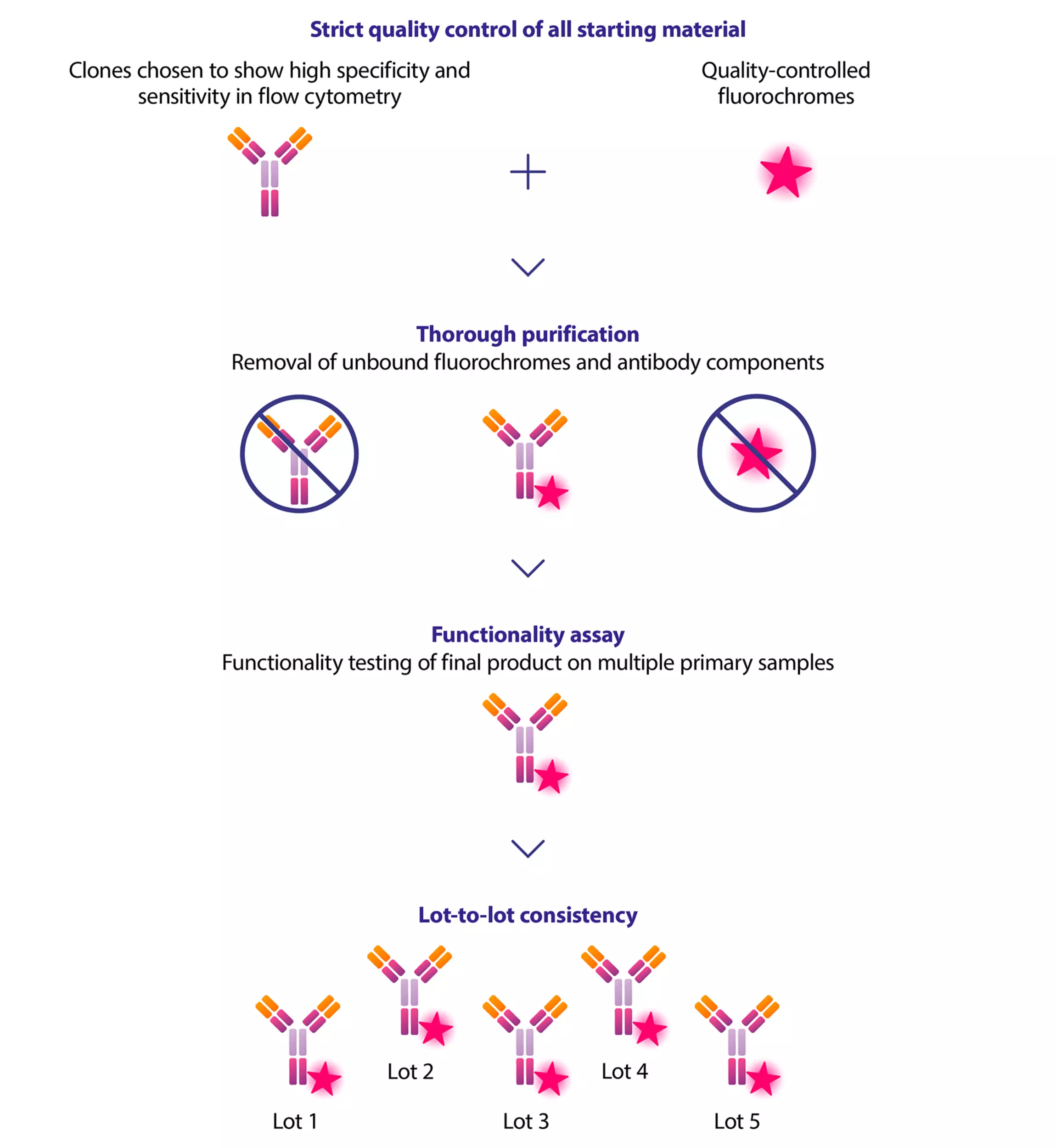
Workflow overview of antibody conjugation and purification
Conjugation of antibodies to fluorochromes with subsequent purification, functionality, and lot-to-lot consistency testing.

Conjugation and purification workflow

REAfinity Recombinant Antibodies are carefully conjugated with high-quality labels, such as enzymes, fluorophores, or biotin, using optimized chemistries that preserve binding activity and enhance experimental versatility.

State-of-the-art conjugation processes ensure robust and reproducible labeling. Only quality-controlled conjugates proceed to further processing. Advanced chromatographic techniques are applied at multiple stages to remove unbound fluorochromes, unconjugated antibodies, and residual activation reagents.

These optimized conjugation and multistep purification processes ensure maximum brightness, minimal background, and consistent performance across all applications.

Operator wearing safety clothing and protective goggles controls a display at an antibody production facility.

In-process control

Throughout recombinant antibody production, multiple in-process control checkpoints ensure that every batch meets strict performance and purity criteria.
Each lot undergoes release testing, including assessment of:

  • Purity
  • Fluorophore-to-protein (F/P) ratio
  • Sensitivity and specificity
  • Lot-to-lot consistency

All new lots are tested in relevant biological samples for their intended applications. Only those batches that meet the predefined specifications for mean fluorescence intensity (MFI), stain index (SI), target cell frequency, background signal, and staining pattern are released.

3. Characterization and validation of REAfinity Recombinant Antibodies

To ensure precise target recognition, strong signal performance, and consistent results across experiments and lots, all REAfinity Recombinant Antibodies are validated according to three essential pillars of antibody performance:

  • Specificity – to confirm that each antibody binds exclusively to its intended target.
  • Sensitivity – to ensure robust target detection of even low amounts for accurate measurement across relevant experimental conditions.
  • Reproducibility – to guarantee consistent performance across production lots and conjugation batches.

These validation strategies align with the concepts and guidelines outlined by the International Working Group for Antibody Validation (IWGAV), which advocates multiparameter validation using orthogonal approaches (Uhlén et al., Nature Methods, 2016).

3.1 Validation methods in use for specificity testing

Multiple complementary approaches confirm that each antibody binds exclusively to its intended target.

At Miltenyi Biotec, we use various methods to validate the specificity of our antibodies, as illustrated by the examples below. Information on how each antibody has been tested can be found on its respective product detail page under Extended Validation.

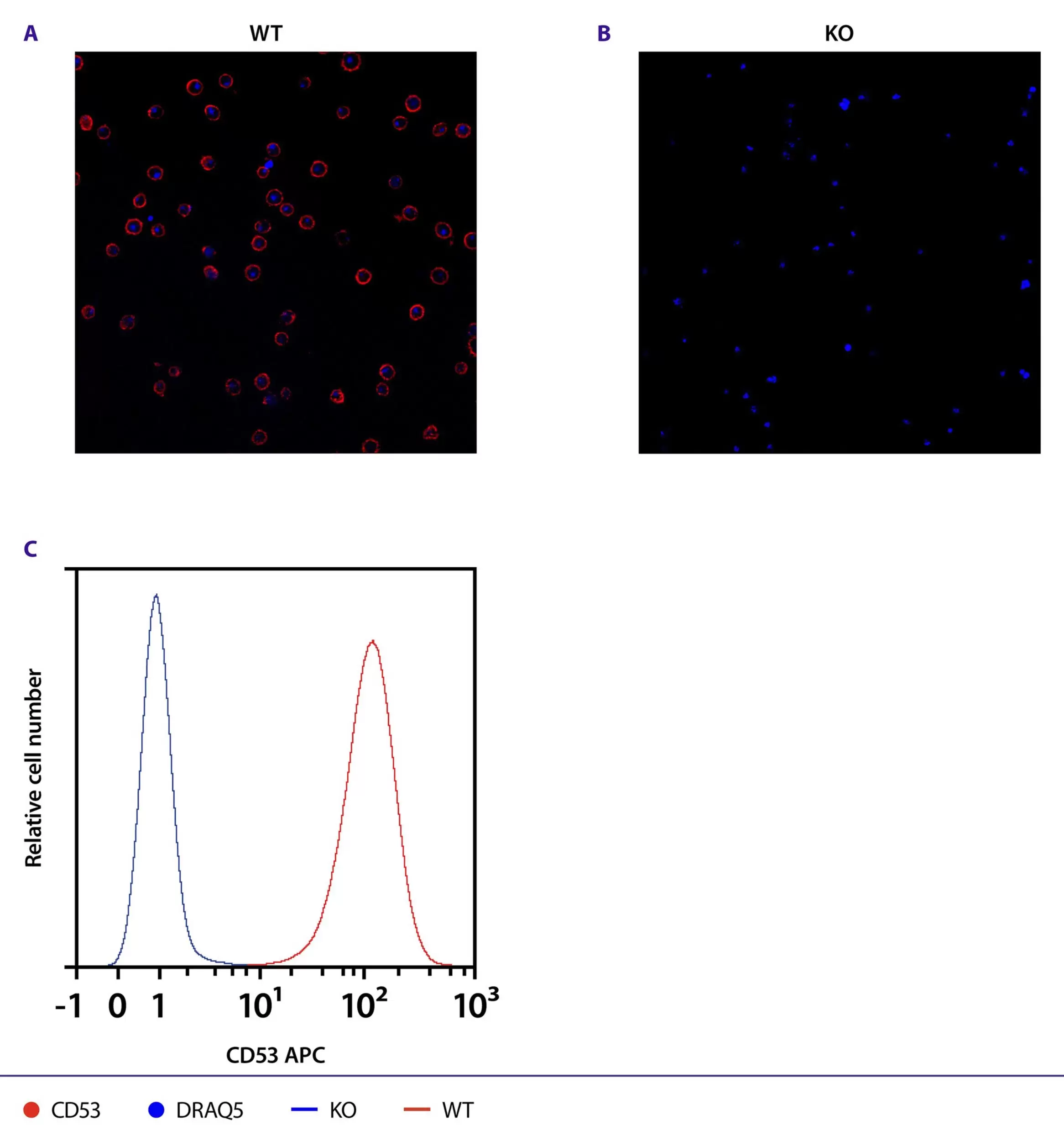
Fluorescence microscopy image of CD56 knockout cells showing Antibody Validation of CD53-Knockout
Validation of antibody specificity – knockout validation

Knockout validation

Knockout validation via targeted genome editing involves knocking out the target gene in a suitable cell line using site-specific nucleases. The knockout is confirmed by sequencing the target locus. specific binding is confirmed if no antibody binding to the knockout cells can be detected.

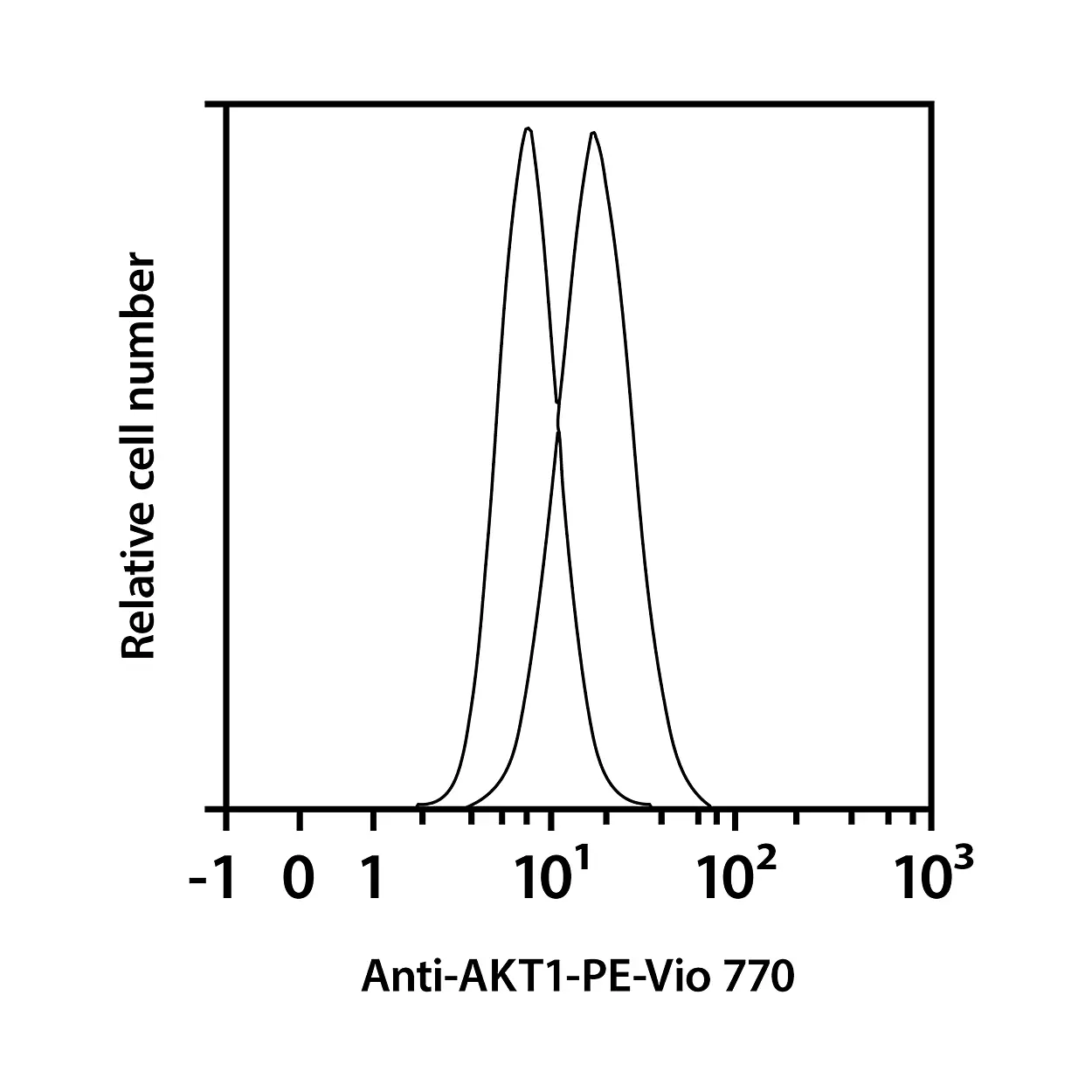
Histogram showing validation of antibody specificity via RNA interference
Validation of antibody specificity – RNA interference

RNA interference (RNAi)

RNAi knockdown involves silencing the target antigen using RNAi. Transfection of cells with small RNA molecules, typically small interfering (siRNA) or short hairpin (shRNA), inhibits the translation of the target RNA. Comparing the transfected cells with control cells reveals the specificity of the tested antibody to its antigen.

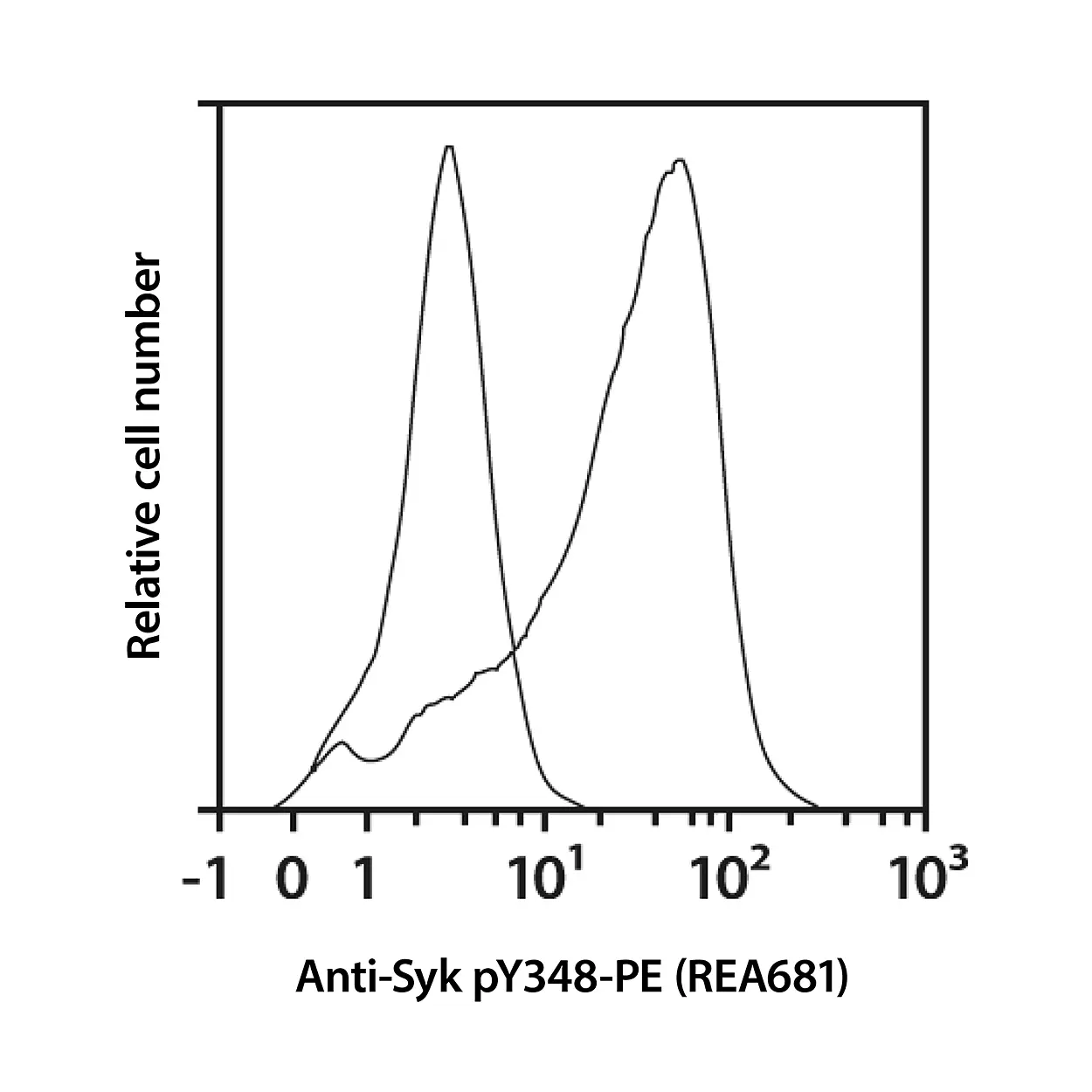
Histogram showing Antibody Validation via cell stimulation
Validation of antibody specificity – cell stimulation

Cell stimulation

Stimulation of cells is used to upregulate or induce antigen expression. Cells are exposed to specific stimuli, such as cytokines, growth factors, or chemical modulators, which induce the upregulation or post-translational activation of the protein of interest. Then, the antibody’s binding is evaluated to provide a physiologically relevant positive control and confirm target-specific recognition.

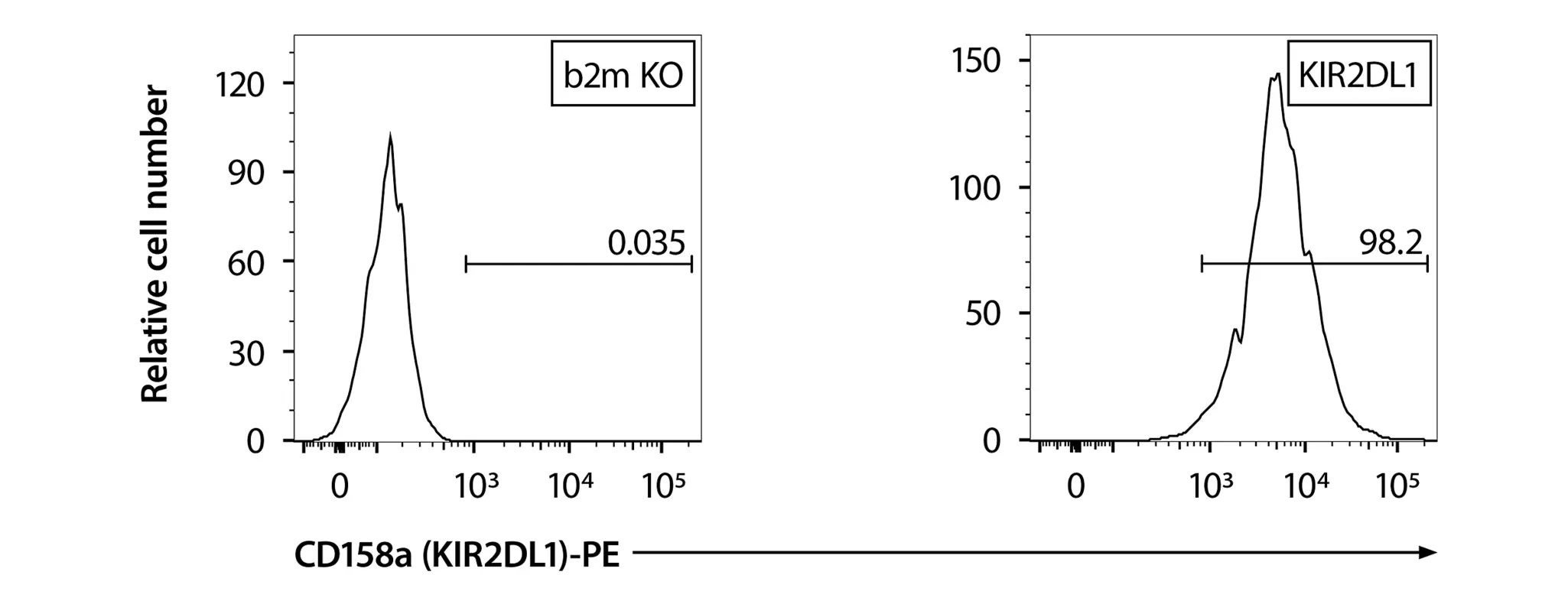
Histograms shwoing Validation of Antibody Specificity using CD158a (KIR2DL1)-Overexpression
Validation of antibody specificity – protein overexpression

Protein overexpression

Overexpression of the target protein will artificially increase the protein’s levels in cells, creating a controlled system to rigorously test antibody specificity. This is typically achieved by transfecting cells with a plasmid encoding the target protein, resulting in expression levels higher than endogenous levels. A validated antibody shows significantly stronger binding in overexpressing cells, while reduced or absent signals are seen in negative controls.

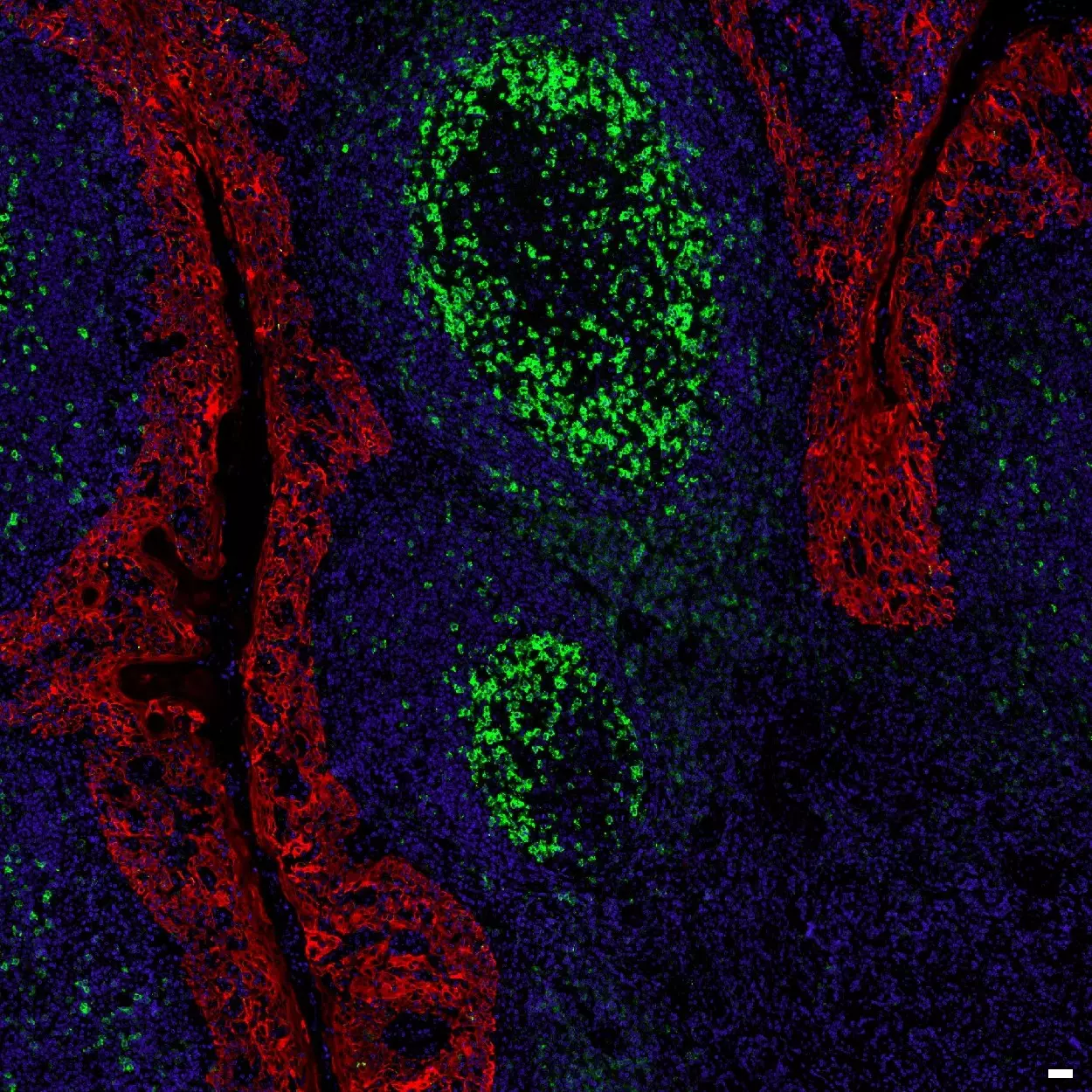
Validation of antibody specificity – counterstaining

Counterstaining

Counterstaining is used to verify the specificity and localization of an antibody by providing a reference signal against which the antibody staining can be interpreted. In practice, a secondary marker or dye that labels a known cellular structure, compartment, or cell population is applied alongside the antibody of interest.

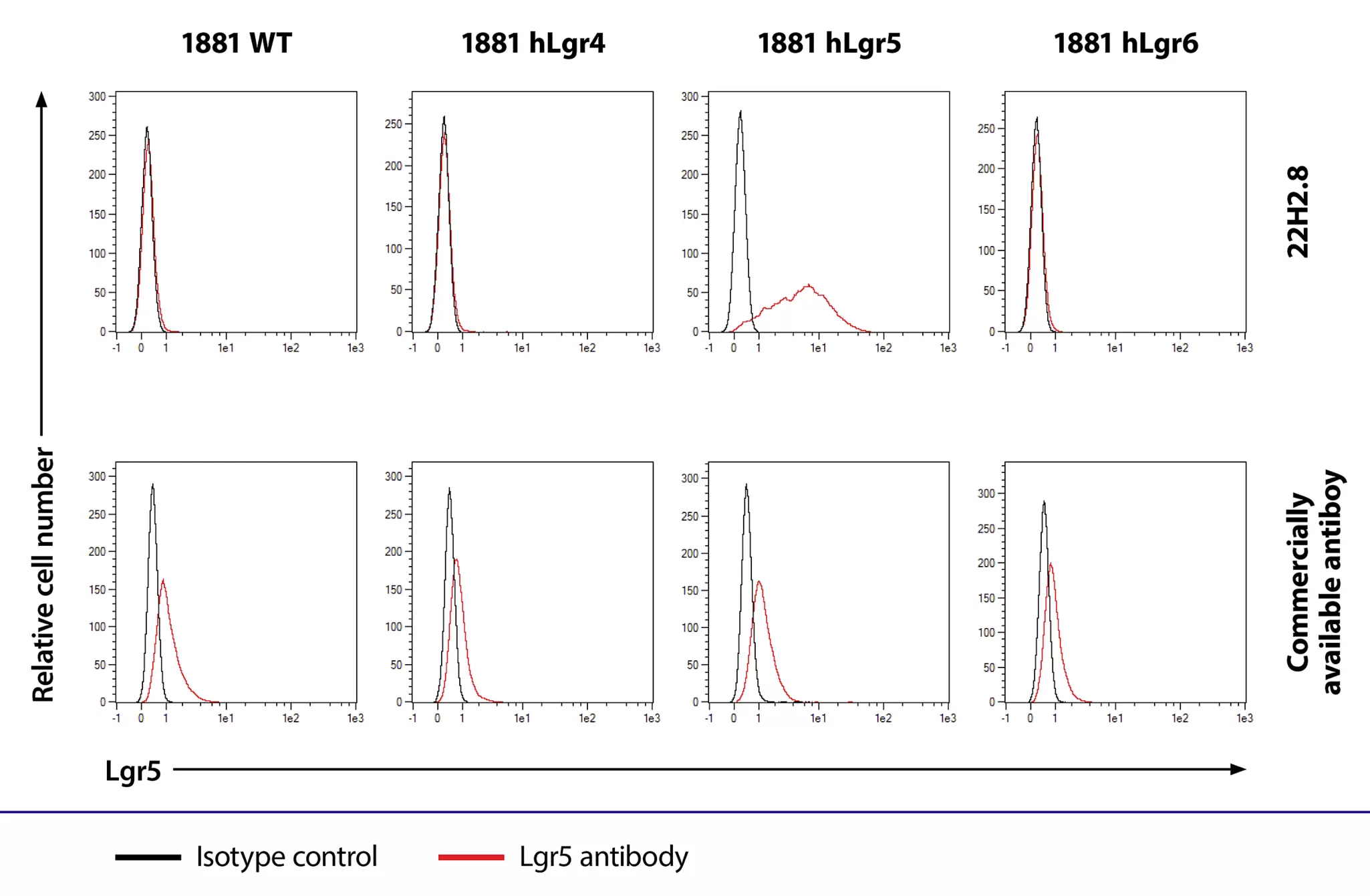
Histograms showing cross-reactivity testing of Lgr5 antibodies with the close Lgr5 homologs, Lgr4 and Lgr6 to verify specific recognition of human Lgr5 by clone 22H2.8.
Validation of antibody specificity – cross-reactivity testing

Assessment of cross-reactivity

Cross-reactivity testing ensures the specificity of REAfinity Clones by evaluating their ability to bind to related molecules with similar structures or non-target antigens.

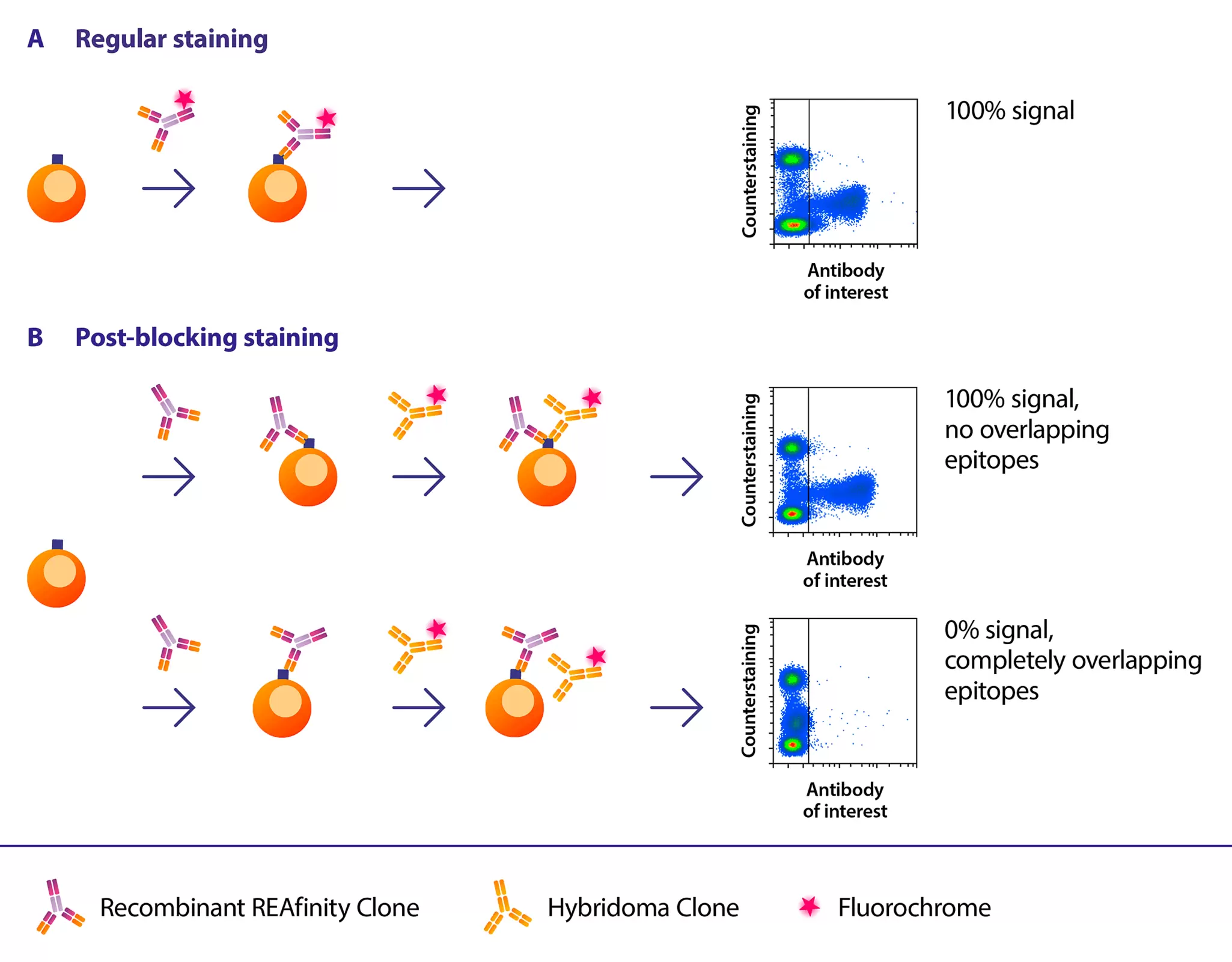
Schematic Overview of Epitope Competition Assay used for validation of antibody specificity
Validation of antibody specificity – epitope competition assay

Epitope competition assay

The epitope competition assay is used to evaluate and compare the antibody specificity of REAfinity Clones with that of other well-characterized clones available on the market.

3.2 Validation methods in use for sensitivity testing

Sensitivity testing ensures reliable detection across experimental conditions.

At Miltenyi Biotec, we employ a variety of methods to validate the sensitivity of our antibodies, as described in the examples below. Information on how each antibody has been tested can be found on its respective product detail page under Extended Validation.

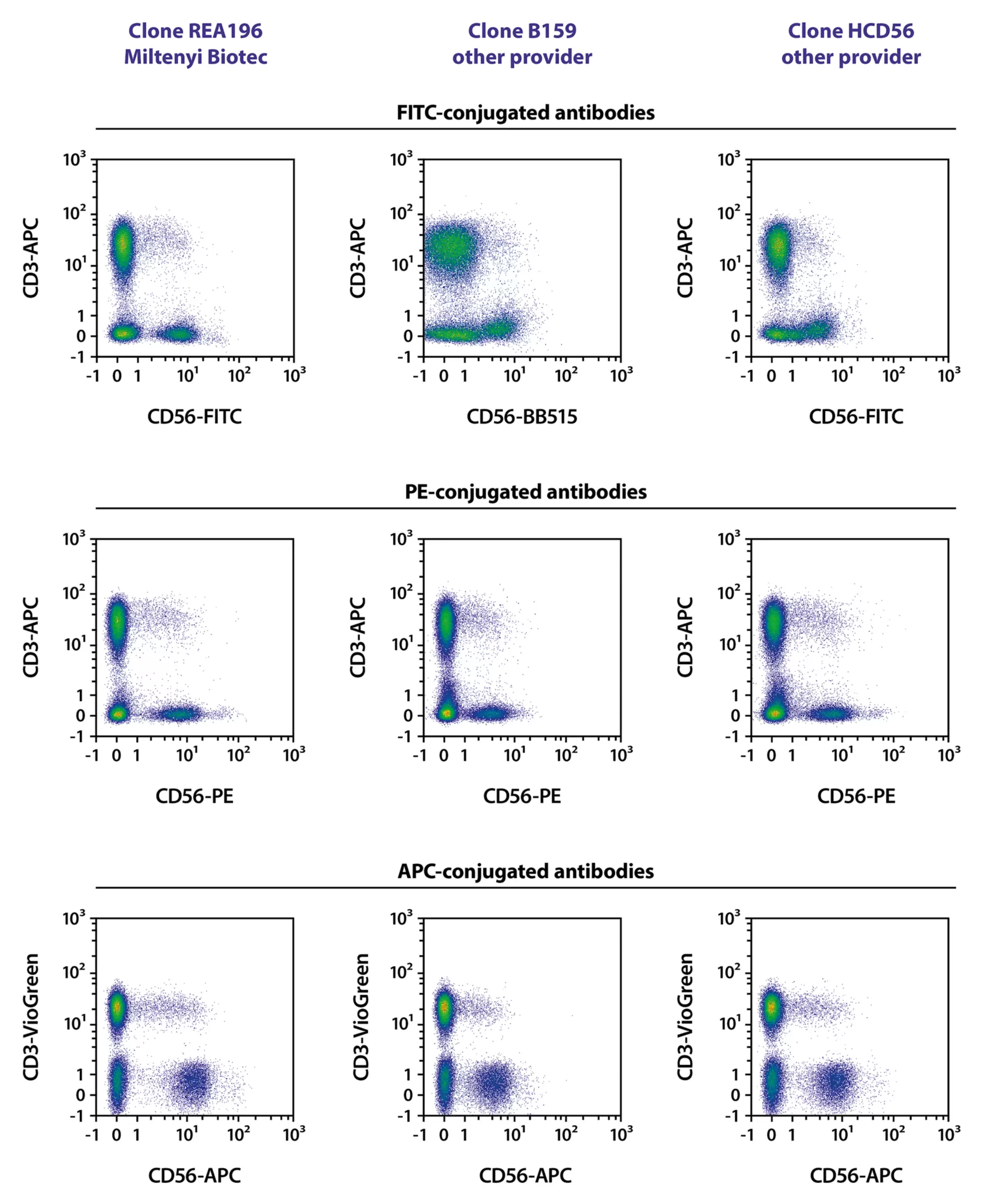
Dot plots highlighting Antibody Validation using functional testing
Validation of antibody sensitivity – performance comparison

Performance comparison

Performance comparison of our conjugated antibodies are conducted to ensure similar or better performance in their specific applications by comparing the antibody to those from other providers.

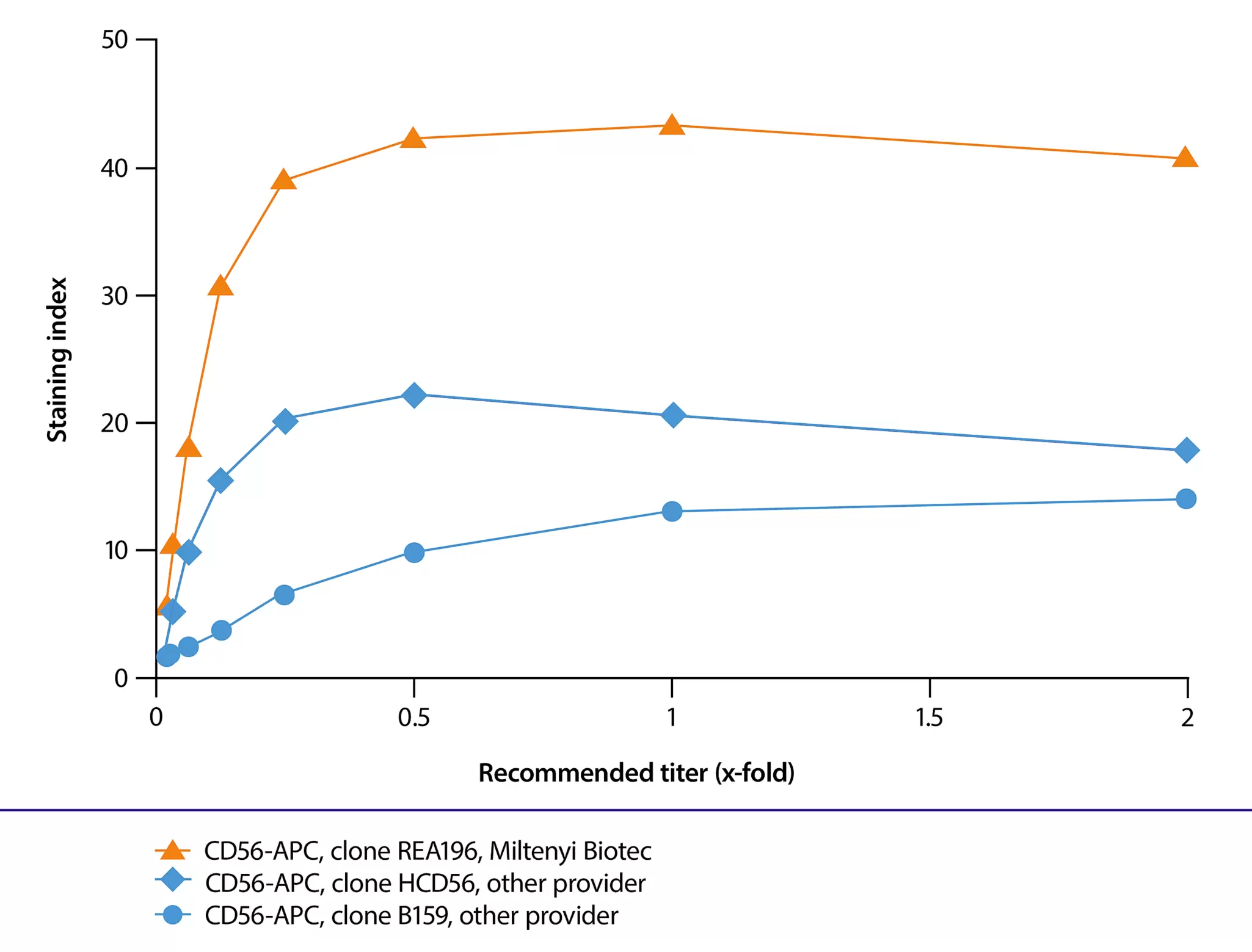
Titration of CD56 antibody for Antibody Validation: Performance of fluorochrome-conjugated CD56 antibodies (clone REA196) were compared to two commercially available clones in human PBMCs.
Validation of antibody sensitivity – serial dilution testing

Serial dilution testing

Serial dilution testing is performed to ensure our antibodies deliver consistent, sensitive, and reproducible results. By evaluating performance across a range of concentrations, we confirm optimal working conditions and high-quality detection for applications such as flow cytometry and imaging.

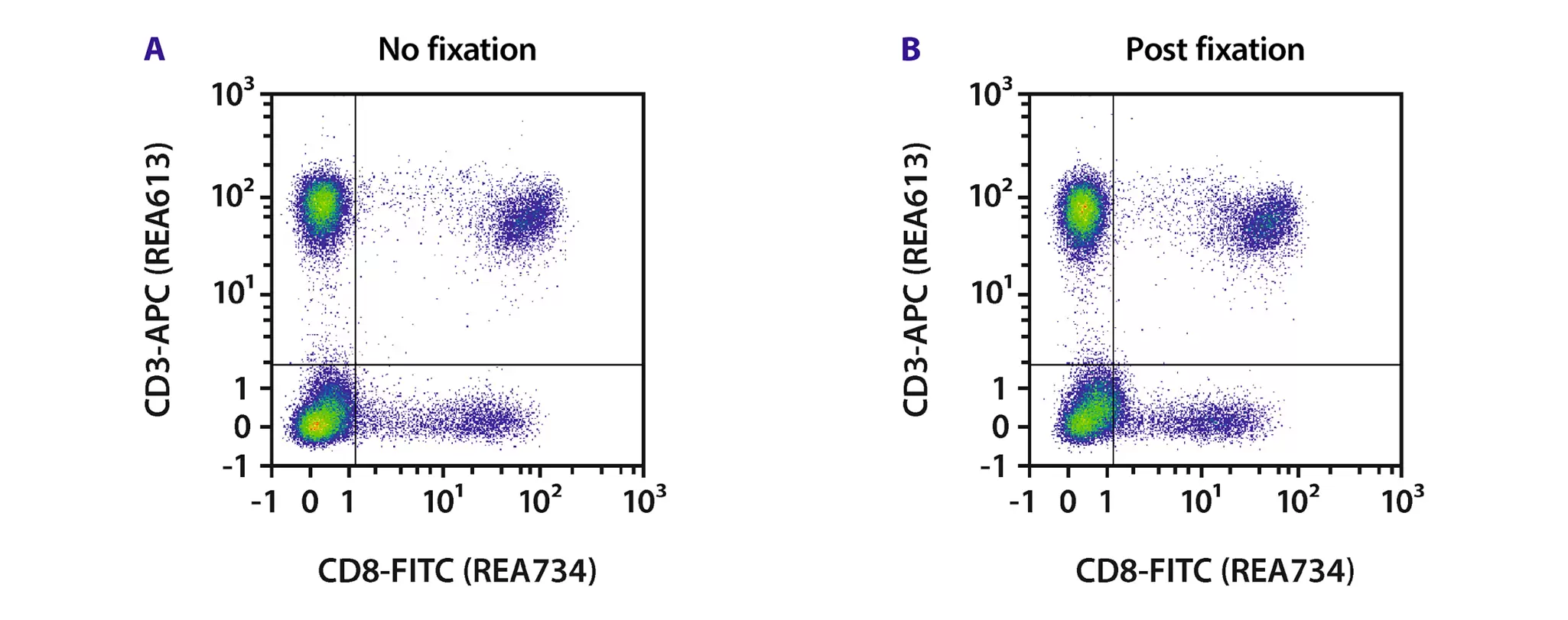
Dot plots comparing the performance of the antibody after fixation.
Validation of antibody sensitivity – fixation stability

Fixation stability

Fixation stability is tested to ensure the antibody can reliably detect its target epitope after the fixation process, providing accurate and consistent results in fixed samples.

3.3 Validation methods in use for reproducibility testing

Reproducibility testing guarantees consistent performance across lots and conjugations.

At Miltenyi Biotec, we utilize multiple methods to validate the reproducibility of our antibodies, as outlined in the examples below. Information on how each antibody has been tested can be found on its respective product detail page under Extended Validation.

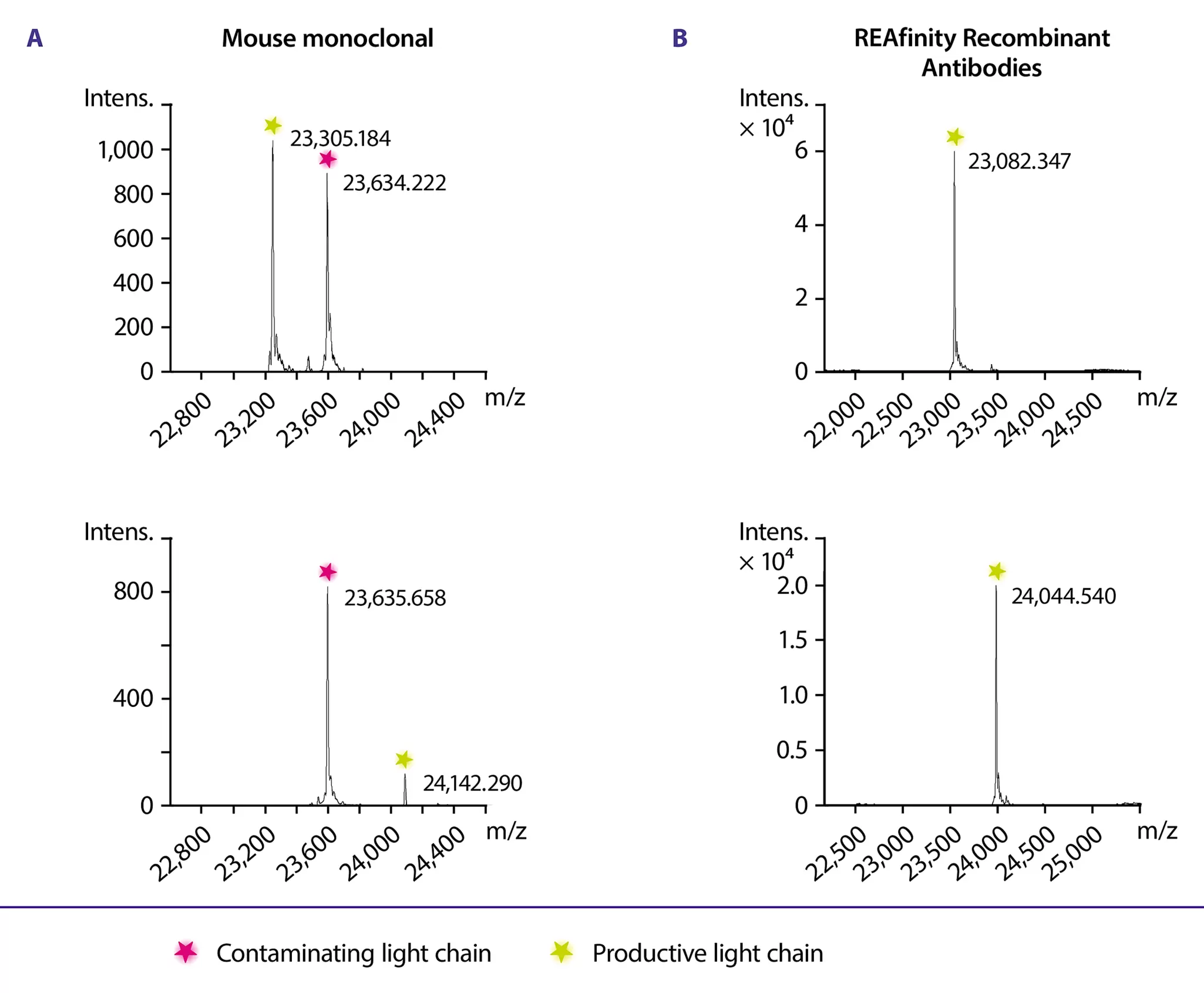
Mass Spectrometry analysis for antibody reproducibility and purity testing of REAfinity vs monoclonal antibodies
Reproducibility testing – mass spectrometry analysis

Purified antibody products

Purified antibody products are tested for impurities using mass cytometry to detect unbound light chains or fragmented antibody species. Elevated light chain–only signals indicate incomplete assembly, degradation, or the presence of residual free chains from the production process.

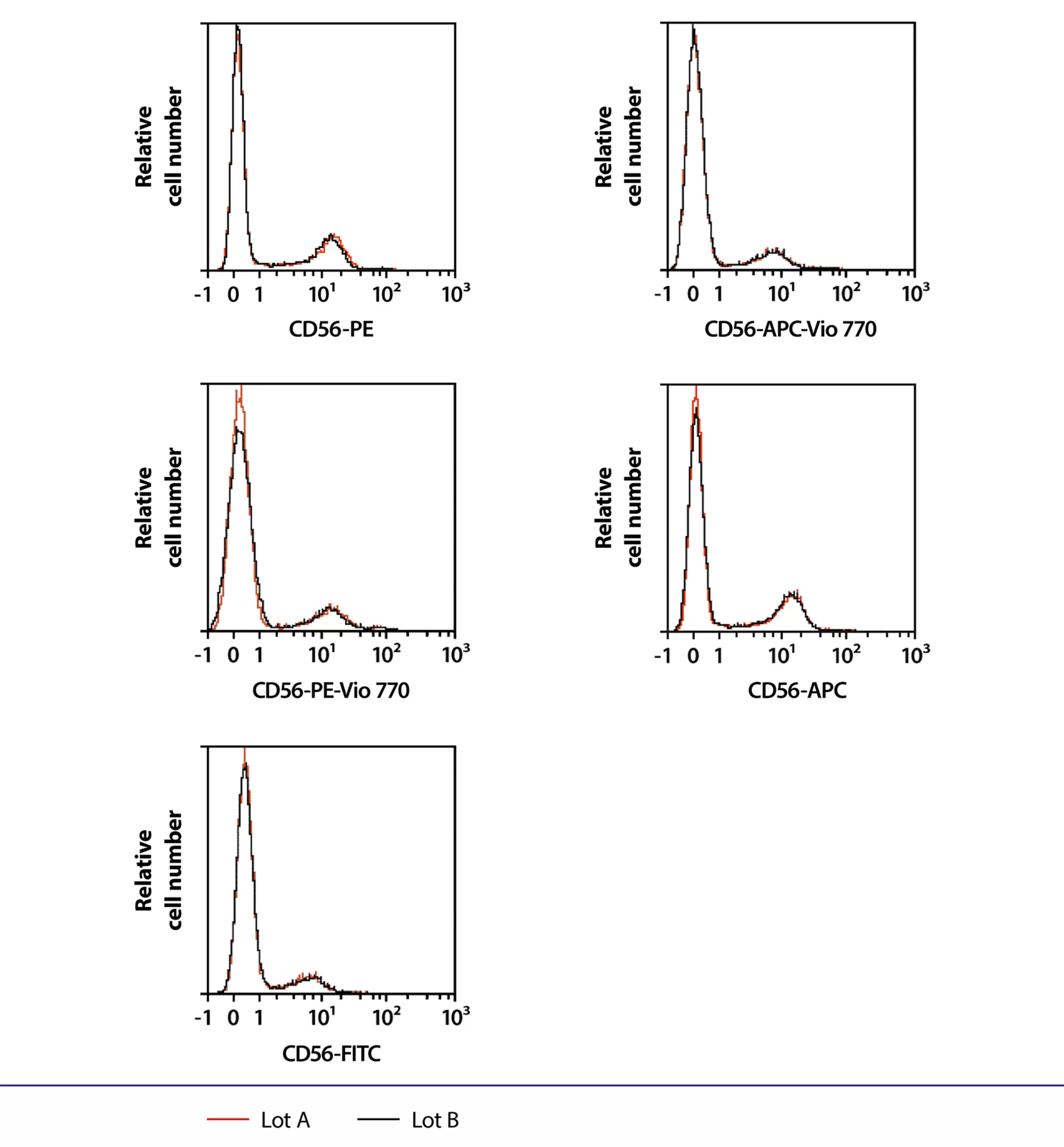
Histogram showing lot-to-lot consistent performance of REAfinity Recombinant Antibodies
Reproducibility testing – lot-to-lot consistent performance

Lot-to-lot consistent performance

Lot-to-lot consistent performance is tested at two stages: during antibody raw material production, and in the fluorochrome-conjugation process (including purification steps to remove unconjugated fluorochromes and antibodies). Different lots are tested side-by-side and compared for their staining specificity and sensitivity.

4. Quality control of REAfinity Recombinant Antibodies

Our recombinant antibody production follows a certified quality management system in compliance with international standards. Every manufacturing step is rigorously monitored and controlled by adequate measures that follow predefined standard operating procedures (SOPs), including raw material entry controls, in-process monitoring, pure antibody testing, and final product quality assays.

Quality control of the final filled product

After passing all in-process controls, each product is filled into vials and undergoes final QC testing in its final formulation to guarantee high quality and consistent product performance from lot to lot. This includes application-specific testing on suitable tissue or cell samples under defined internal specifications.
Some antibodies support multiple applications. Each product page clearly indicates whether an application is:

  • QC-tested
  • Tested during development
  • Reported in literature

This ensures full transparency for your experimental planning.

Icon depicting 3 antibody vials

Lot-specific Certificates of Analysis (CoA)

Every analytical antibody batch is accompanied by a lot-specific Certificate of Analysis (CoA) confirming quality, purity, and performance. This guarantees traceability and regulatory transparency for research, diagnostic, and analytical use. CoAs can be downloaded directly using the lot number via our CoA database.

Icon depicting two shaking hands with the text "satisfaction guaranteed"

Your satisfaction matters

Every Miltenyi Biotec reagent is quality-checked to ensure reliable, consistent results. We know how important it is to be sure of the quality of reagents when you start an experiment. This is why we carry out strict quality control on all reagent batches. You can be assured that all reagents leave our production facilities in the best quality and condition.

Resources

REAfinity Recombinant Antibody logo combined with a quality sign
Background information

REAfinity Recombinant Antibody Technology

Discover why recombinant antibodies outperform conventional antibodies and how they can improve your research and advance scientific progress.

Vio Dye logo combined with a quality sign
Background information

Vio® and Vio Bright Dyes

Explore Vio and Vio Bright Dyes, the perfect companion for antibodies in conventional and spectral flow cytometry.

Video

Recombinant antibodies in flow cytometry

Learn how six leading experts view the role of antibodies in the reproducibility crisis, and find out what steps we can all take to drive meaningful change.

All REAfinity Recombinant Antibody products

1210 products found

|

You have previously chosen International as your location.
What do you want to do?