Automate more.
Handle less.
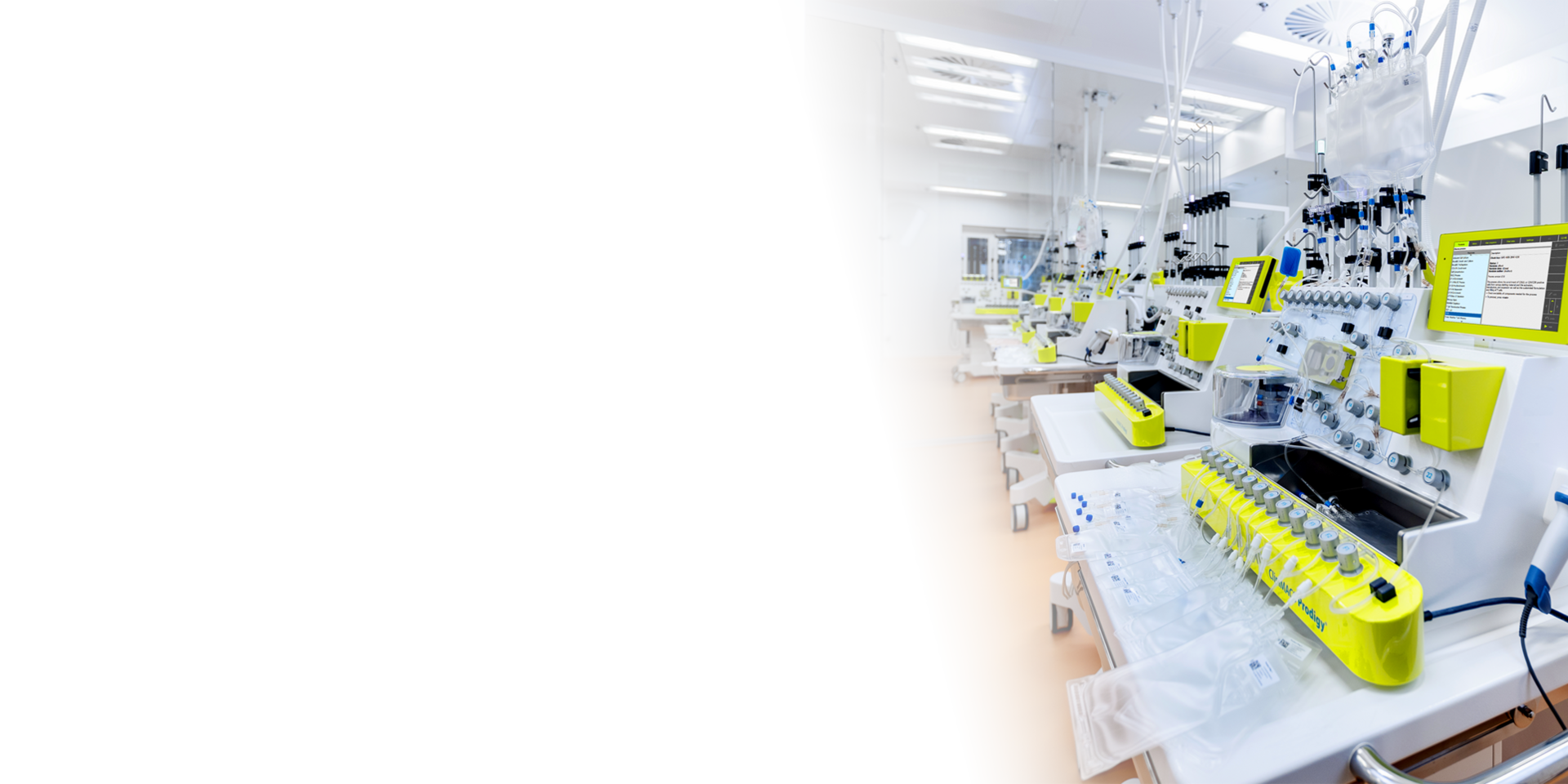
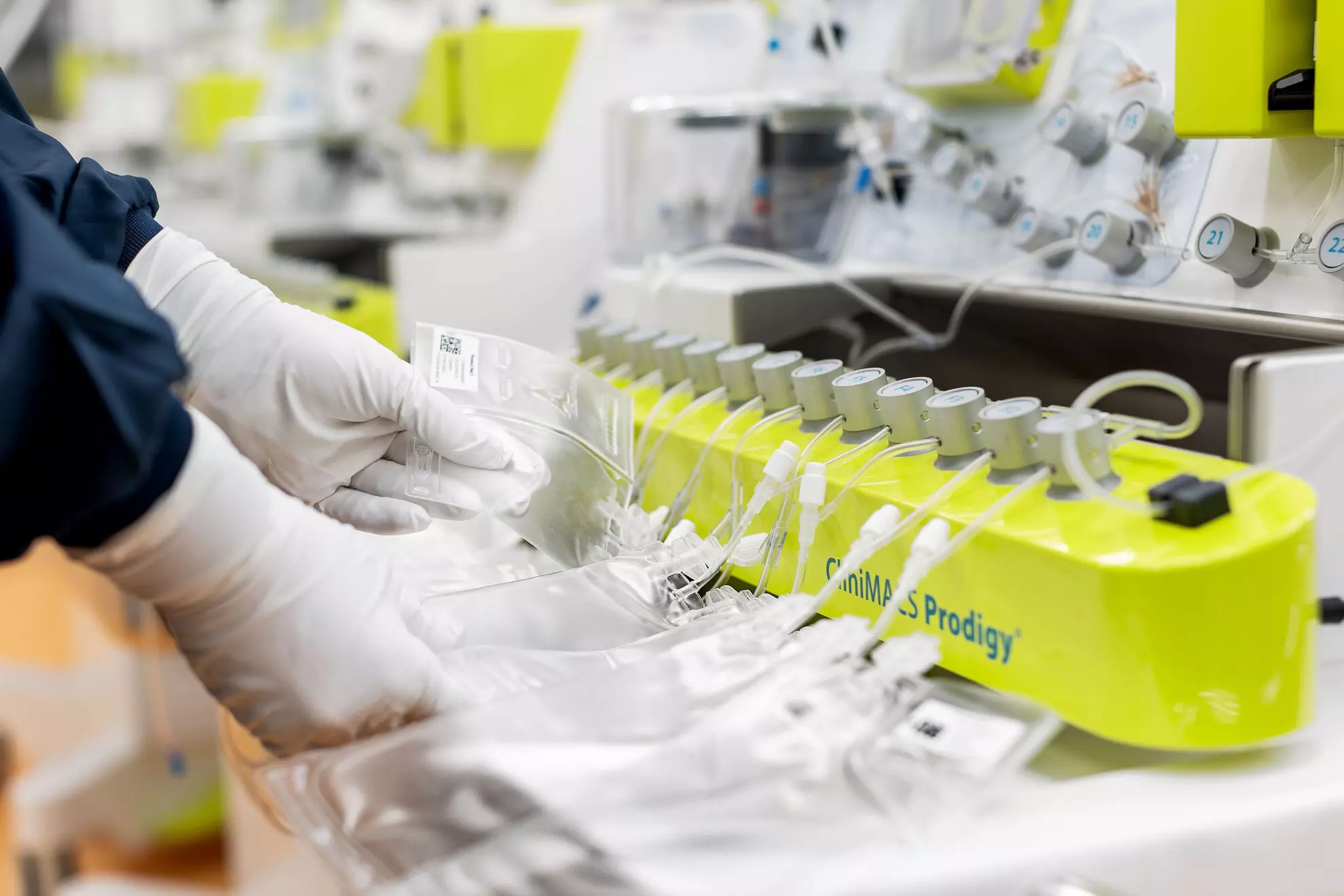
Bring key CAR T cell manufacturing steps together in one closed, automated setup, from starting material processing to final filled product bags.
Designed for commercial-scale production and point-of-care (PoC) cell manufacturing in hospitals, the workflow helps reduce hands-on time and support reproducible, cost-efficient manufacturing, so you can move engineered T cell therapies closer to patients.

Automate more.
Handle less.
From starting material to final filled drug product
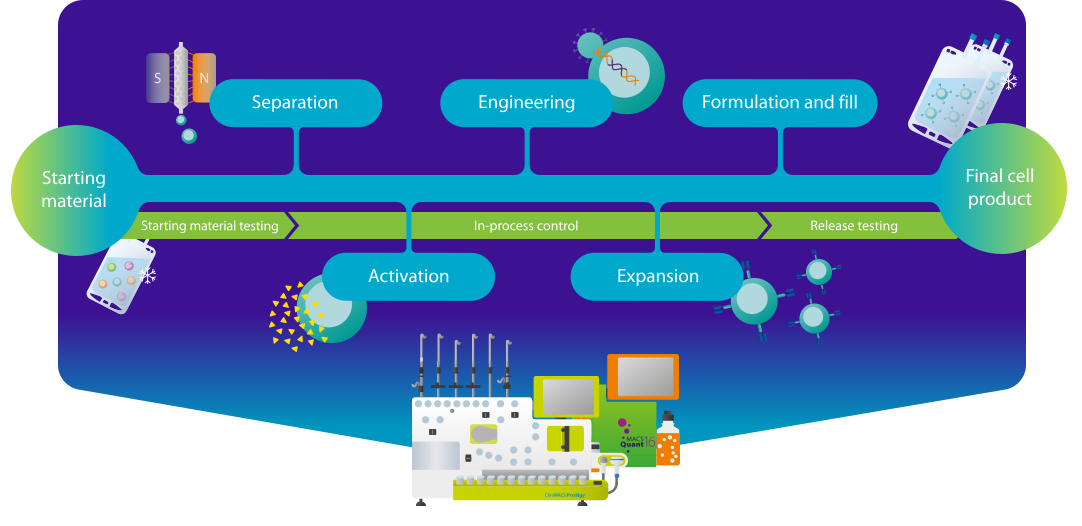
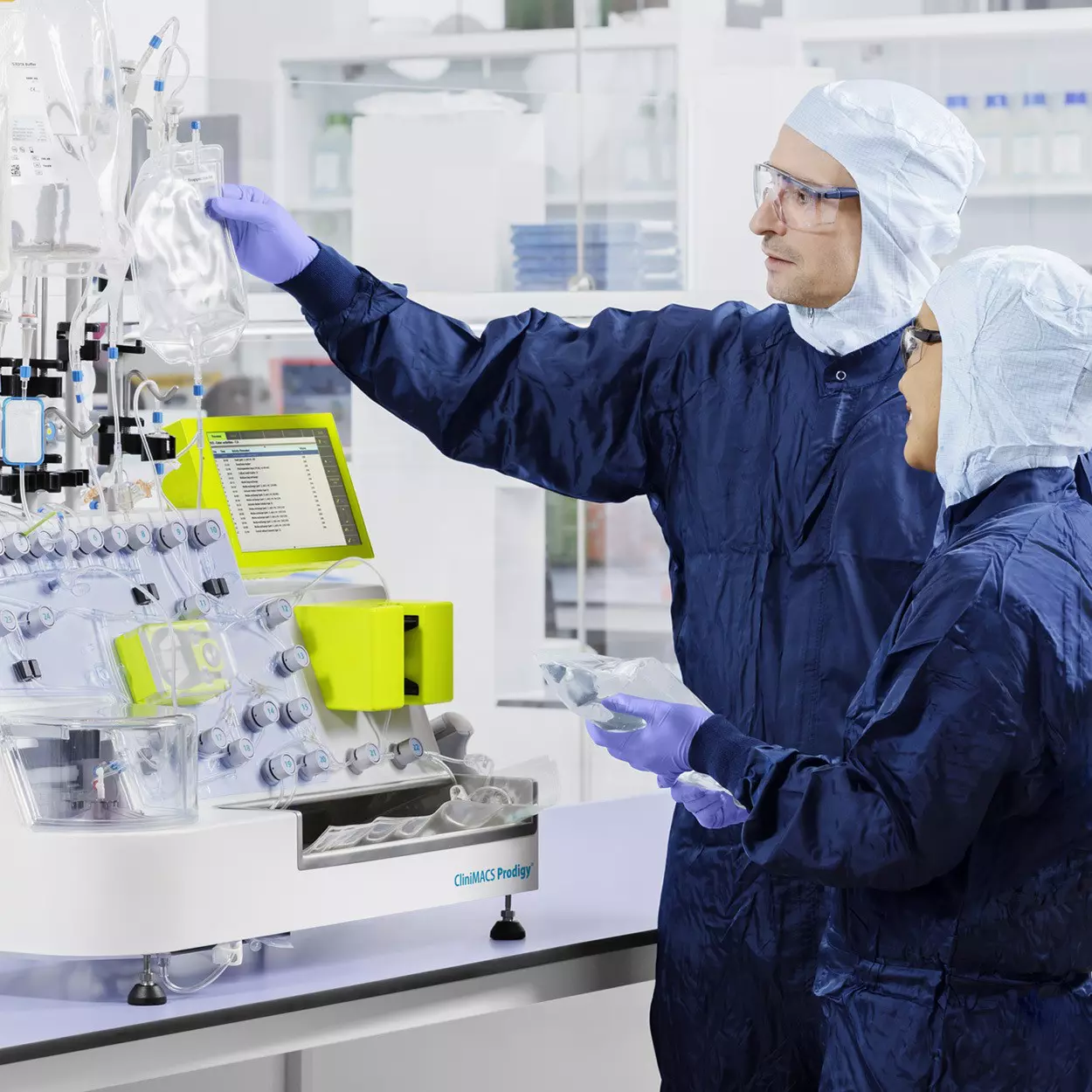
The CliniMACS Prodigy® T Cell Transduction and Automated Formulation (TCTf) Process is built on the CliniMACS Prodigy Platform, with automated formulation and filling enabled by the CliniMACS® Formulation Unit, to support CAR T cell manufacturing from cell preparation to your final filled drug product.
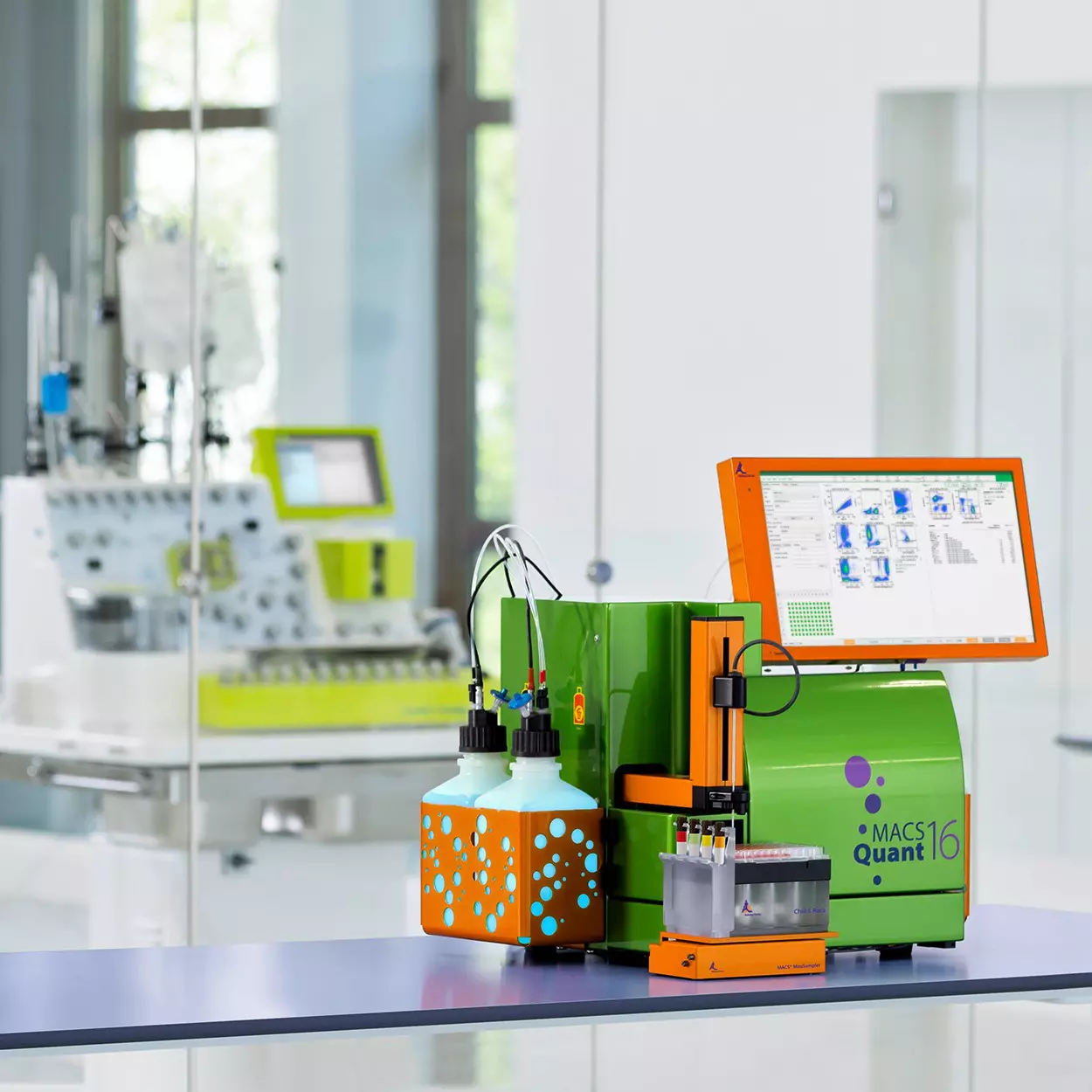
With established protocols, expert support, and the MACSQuant® Analyzer 16-based analytics, the process helps teams implement a standardized workflow while keeping flexibility for input material, process parameters, final dose, output format, and sampling points for in-process control and release testing.
Configure the final product by defining a fresh or cryopreservation-ready output, final volume, concentration, QC sampling, and filling of up to 8 final product bags.
For more details and performance data on automated CAR T cell and TCR-engineered T cell manufacturing workflows, explore our application page.
99% manufacturing success rate
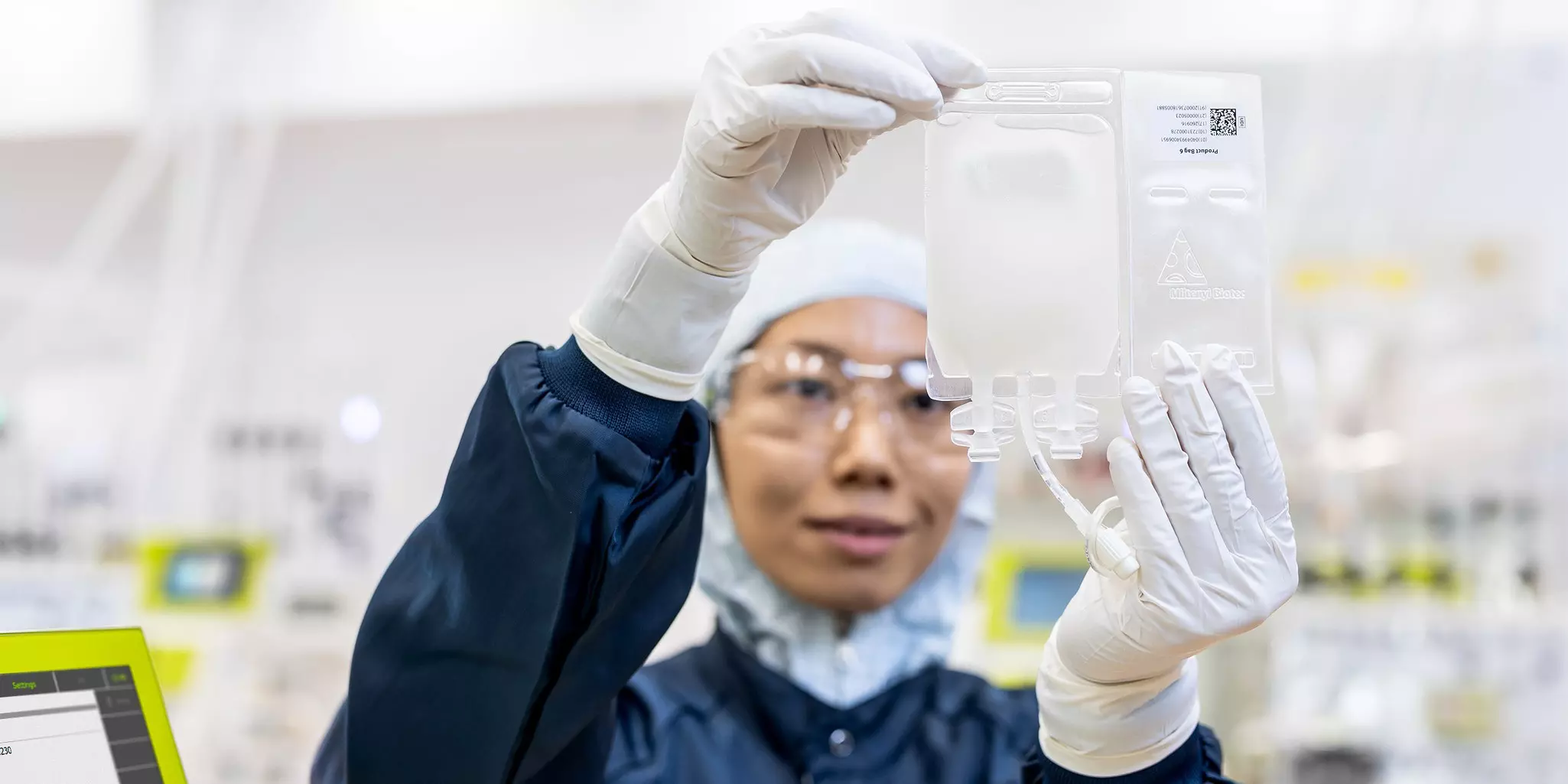
Fewer open handling steps and less operator interaction can help reduce contamination risk and support reproducible, GMP-compliant manufacturing. In defined CliniMACS Cell Factory® settings, automated closed manufacturing has achieved a 99% manufacturing success rate, providing the consistency and reliability needed for both commercial-scale production and hospital-based PoC manufacturing.1
Lower labor-related costs by approximately 50%
By integrating more steps into one closed workflow, automated CAR T cell manufacturing can help reduce manual workload, cleanroom burden, and staffing pressure. This may streamline batch scheduling and improve manufacturing efficiency, helping address key operational factors that influence vein-to-vein time. Compared with modular CAR T cell manufacturing workflows, a closed, automated workflow requires about 50% fewer hands-on operator hours and a 3–4-fold less Grade A cleanroom time.2 Additionally, internal estimates indicate approximately 50% lower labor-related costs.3
Stay flexible without losing control
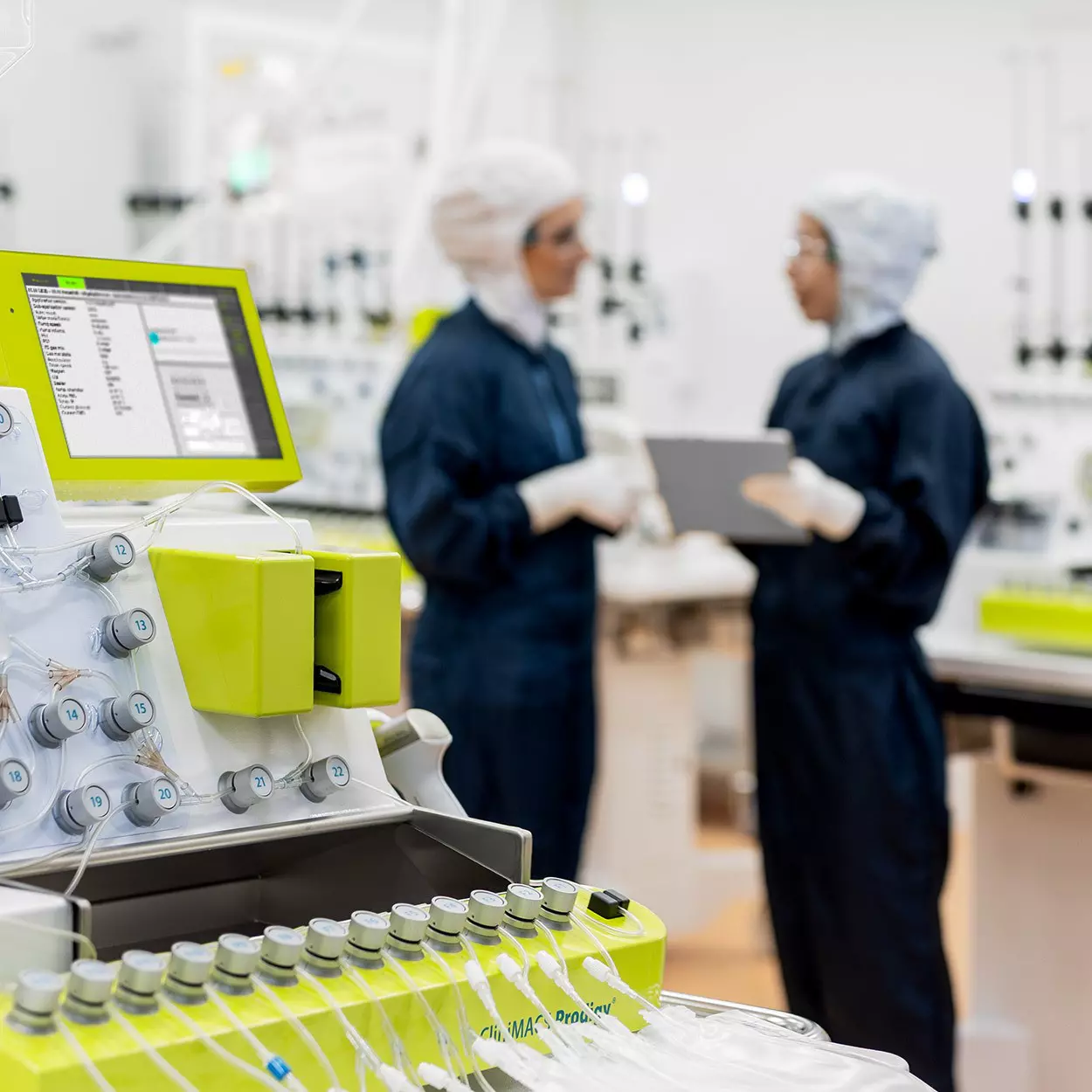
Adapt key workflow parameters, from starting material and enrichment strategy, to transduction conditions, cell washes, media exchanges, culture conditions, process timing, and final product formulation. Established protocols and expert support help guide implementation, so teams can address therapy-specific process needs and dose requirements while maintaining a standardized manufacturing workflow.
Trusted across clinical and commercial cell manufacturing
7/8
Approved engineered T cell therapies4 are manufactured using Miltenyi Biotec's solutions
350+
Active clinical trials worldwide5 are carried out using CliniMACS Instruments
400+
Custom programmed applications created with assistance of Miltenyi Biotec's experts
Faster release, safer handling
"Automated formulation helped accelerate our release testing timelines while reducing operator effort. In this clinical manufacturing setting, the closed workflow supported product shipment before complete release data were available, shortening vein-to-vein time."

Well received by regulatory authorities
"By integrating final formulation and filling into the closed CliniMACS Prodigy workflow, we strengthened the safety and robustness of our CAR T cell manufacturing process. The transition to this integrated workflow was well received and approved by involved regulatory authorities during late-stage clinical development."

Watch how manufacturing and analytics work together
See how automated cell manufacturing on the CliniMACS Prodigy Platform and flow-based analytics on the MACSQuant Analyzer 16 can support an aligned CAR T cell manufacturing workflow, from starting material processing to final product preparation.
Tailor, implement, and analyze
Ready to discuss your manufacturing workflow?
Whether you are planning PoC manufacturing or building a centralized production model, our experts can help you evaluate how the TCTf process could fit your workflow, final product requirements, and analytics setup.
Footnotes and cited references
2. Roddie, C. et al. (2026) A comparison of two manufacturing methods in the phase I COBALT study of CD19CAR T for LBCL. Mol. Ther. Adv. 34: 201695.
3. Saving estimates are based on internal comparative analyses of a modular semi-automated workflow (6 instruments) vs. the closed and automated CliniMACS Prodigy T Cell Transduction and Automated Formulation (TCTf) workflow on one instrument, using a 7-day manufacturing process. Cleanroom cost assumptions are based on US market estimates. Cost modeling and facility layout simulations were performed by Miltenyi Biotec B.V & Co. KG. Results are illustrative and may vary depending on assay design, process design, laboratory configuration, staffing model, and operating conditions.
4. Approved cell therapies and gene-modified cell therapies in EU and USA, excluding minimally manipulated cell therapies, cord blood products, and tissue-engineered therapies.
5. Active clinical trials, hospital treatments, or commercial treatments using CliniMACS Instruments for manufacturing of cell products.
You have previously chosen International as your location.
What do you want to do?


