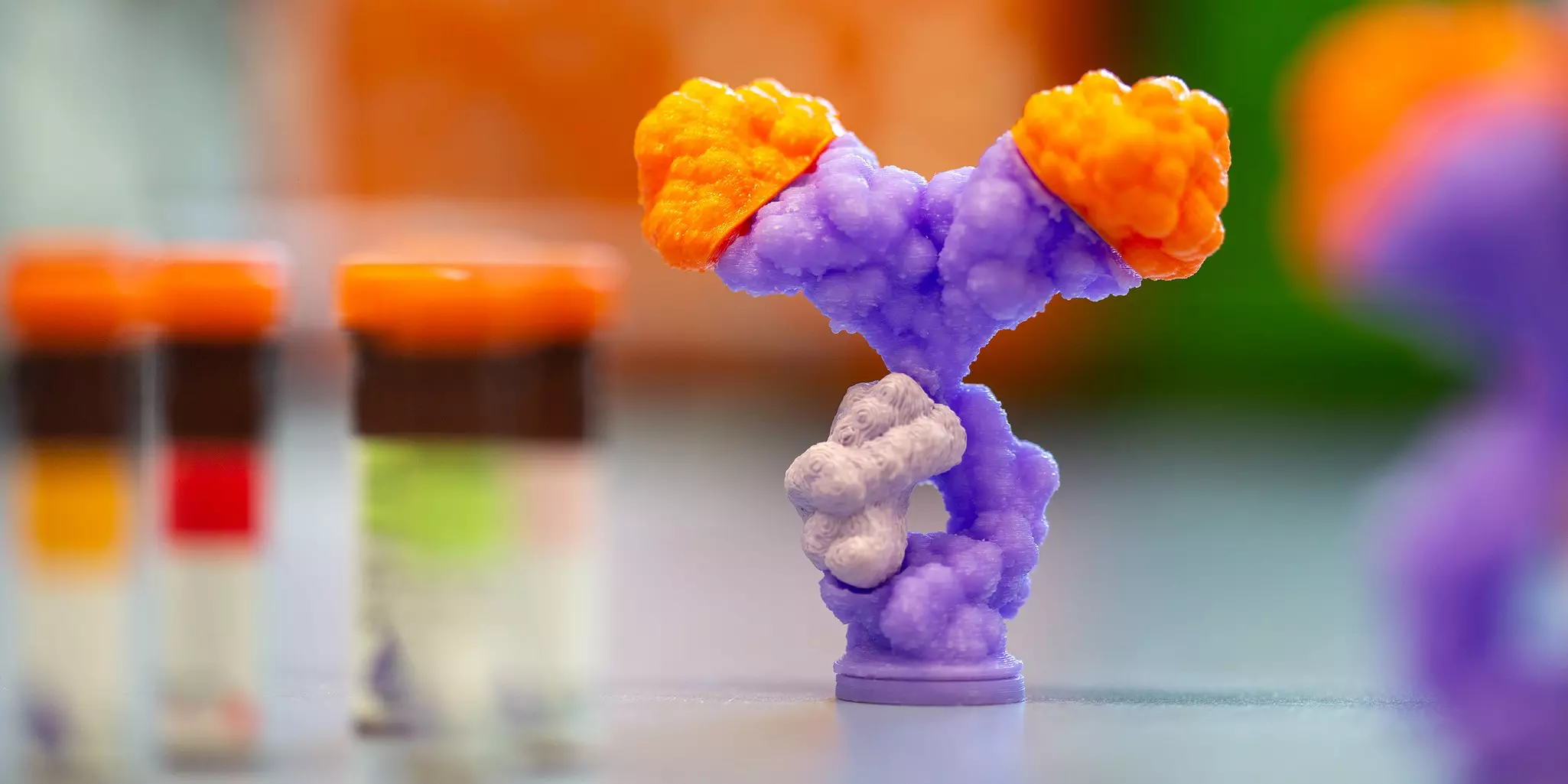
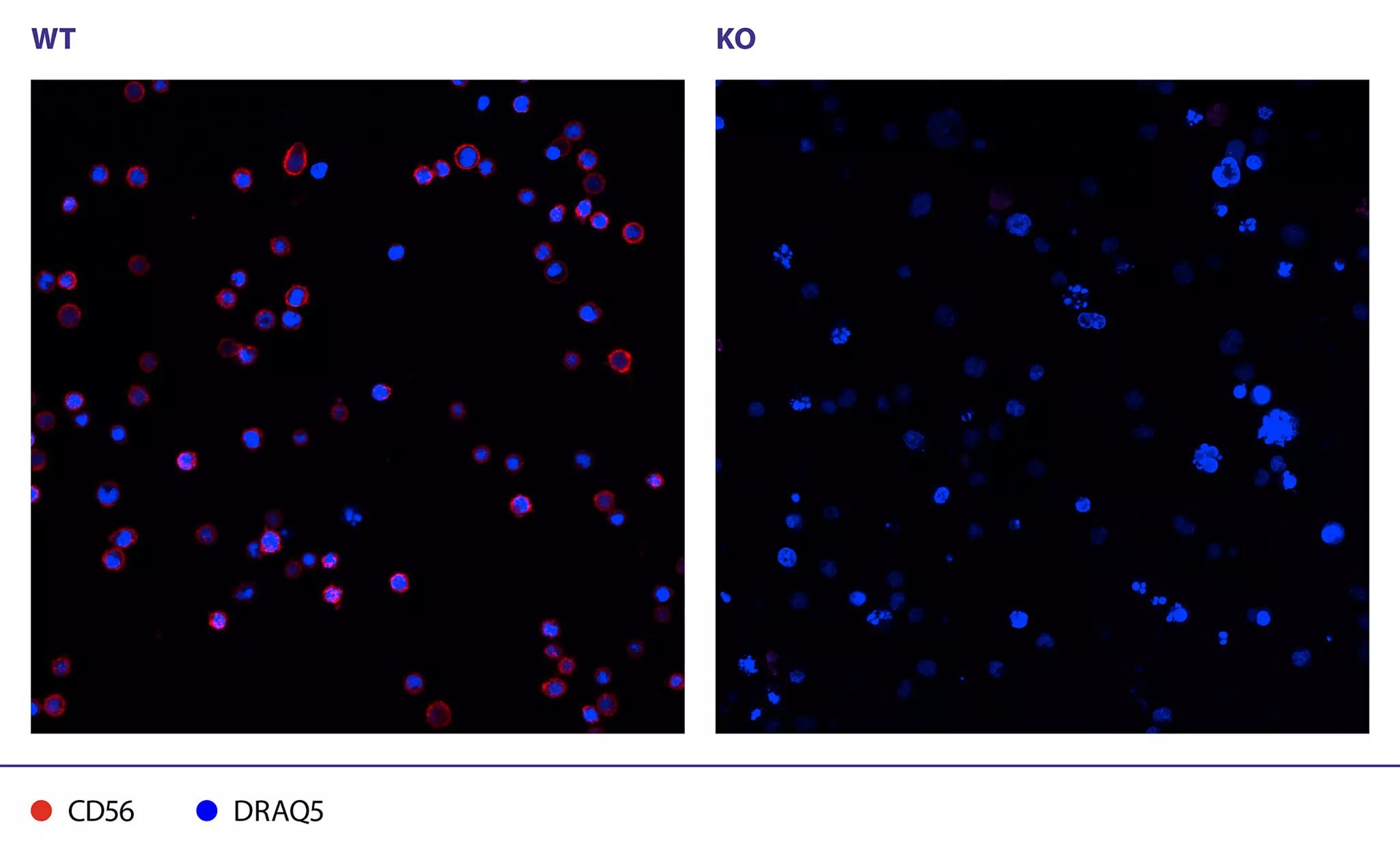
Traditional antibody production involves immunizing animals, such as mice or rabbits, and collecting their blood or spleen cells to isolate the antibodies. These antibodies are usually polyclonal, representing a mixed population with varying specificities. Hybridoma technology improves upon this process by creating immortalized cell lines that produce monoclonal antibodies. However, conventional methods can result in batch variability, off-target binding, cross-reactivity, and genetic drift over time.
Recombinant antibody technology overcomes these limitations by producing antibodies through a fully defined genetic approach. DNA sequences that encode the variable regions of the antibodies are cloned into expression vectors and expressed in host cells. The result is recombinant antibodies and monoclonal antibodies that are fully characterized, reproducible, and highly reliable, giving researchers consistent performance across experiments and applications.