
Synonyms: TNFRSF13c, BR3, BAFFR, Bcmd, Bcmd-1, Lvis22
EXTENDED VALIDATION
 90/100 Bioz rating
- Clone:
- 7H22-E16
- Type of antibody:
- Primary antibodies
- Isotype:
- rat IgG1κ
- Applications:
- FC Glossary
- Select a conjugate:


Related products for CD268 Antibody, anti-mouse


Flow cytometry applications
APC
Biotin
FITC
PE
PE-Vio 770
Recommended dilution:
1:10
Remark:
Cells should be stained prior to fixation, if formaldehyde is used as a fixative.
Data source:
Miltenyi Biotec
Conjugate:
APC
Used products:
130-102-500
Description:
Mouse spleen cells (BALB/c) were stained with CD268 antibodies as well as with CD19-APC or PE and analyzed by flow cytometry using the MACSQuant® Analyzer. Cell debris and dead cells were excluded from the analysis based on scatter signals and propidium iodide fluorescence.
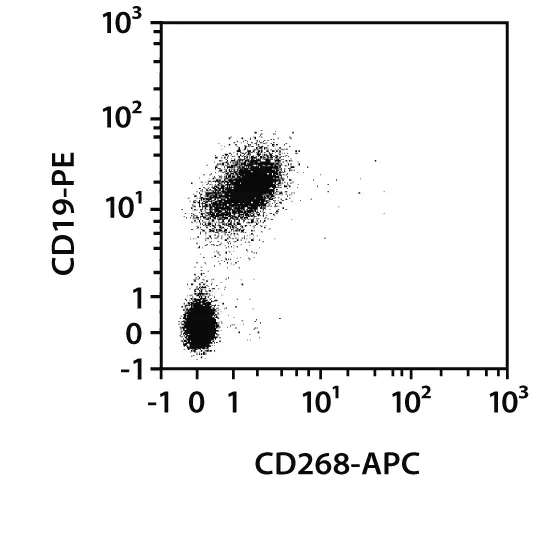
Extended validation for CD268 Antibody, anti-mouse
Specificity
In order to compare the epitope specificity of an antibody, the clone being used is compared with other known clones recognizing the same antigen in a competition assay.
Other clones
Overlap in epitope recognition with 7H22-E16
REA1217
high
Cells were incubated with an excess of purified unconjugated CD268 (7H22-E16) antibody followed by staining with fluorochrome-conjugated antibodies from other known clones targeting the same antigen. Fluorescence intensity was then used to assess epitope overlap: a minimal or absent signal indicated high epitope overlap, an intermediate signal suggested partial overlap, and a strong signal reflected low overlap.
Sensitivity
Selected fluorochrome conjugated antibodies from Miltenyi Biotec were compared to commercially available hybridoma clones in flow cytometry analysis.
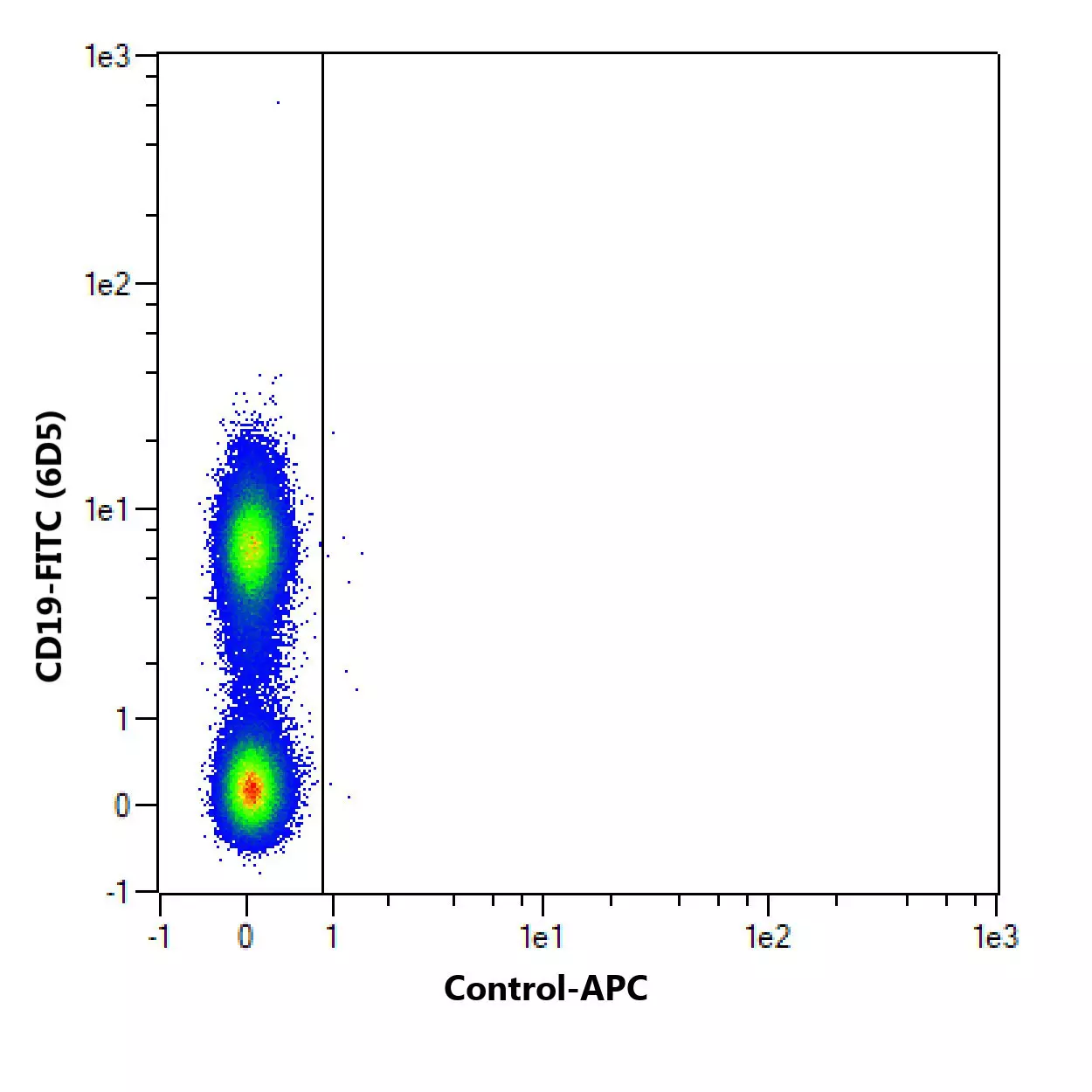
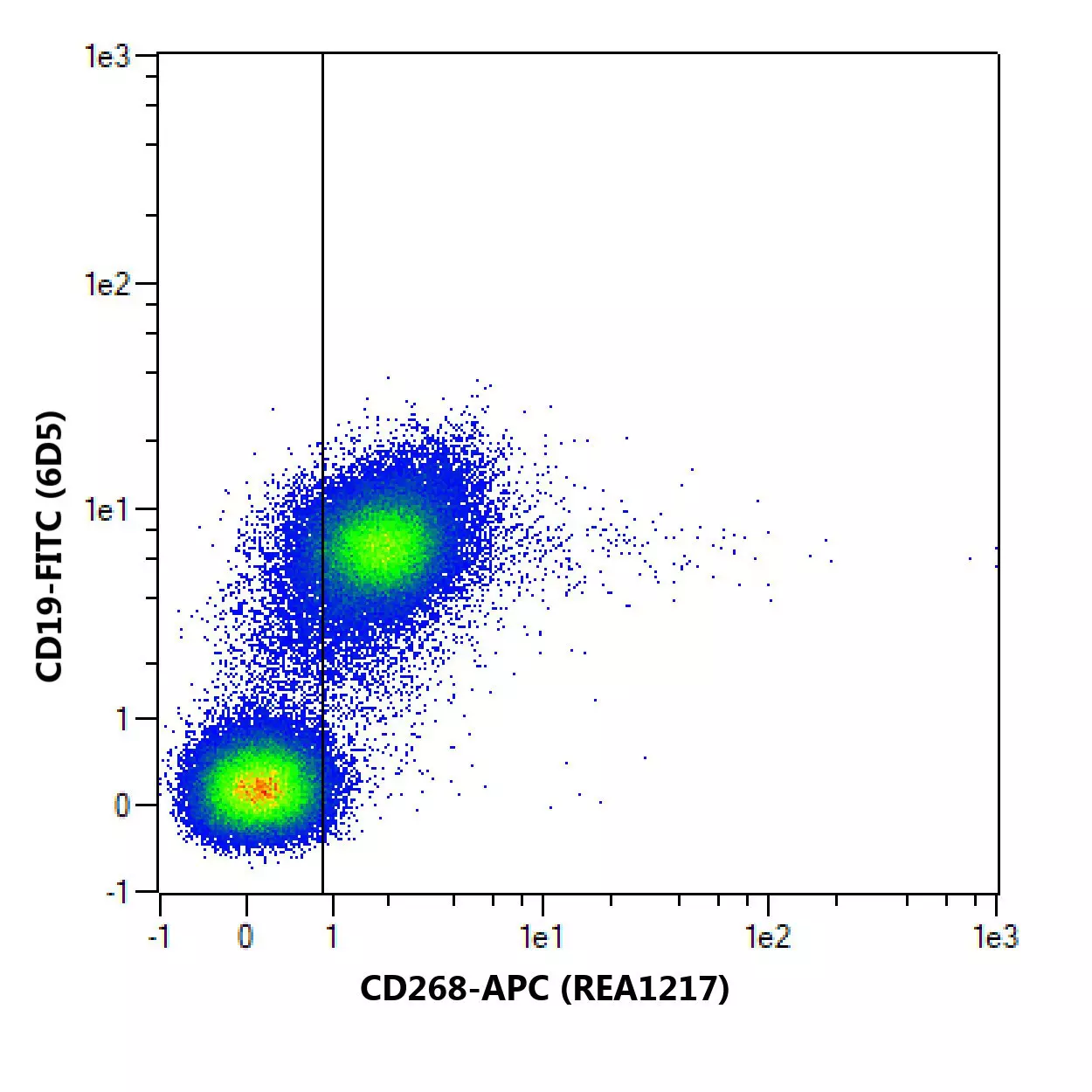
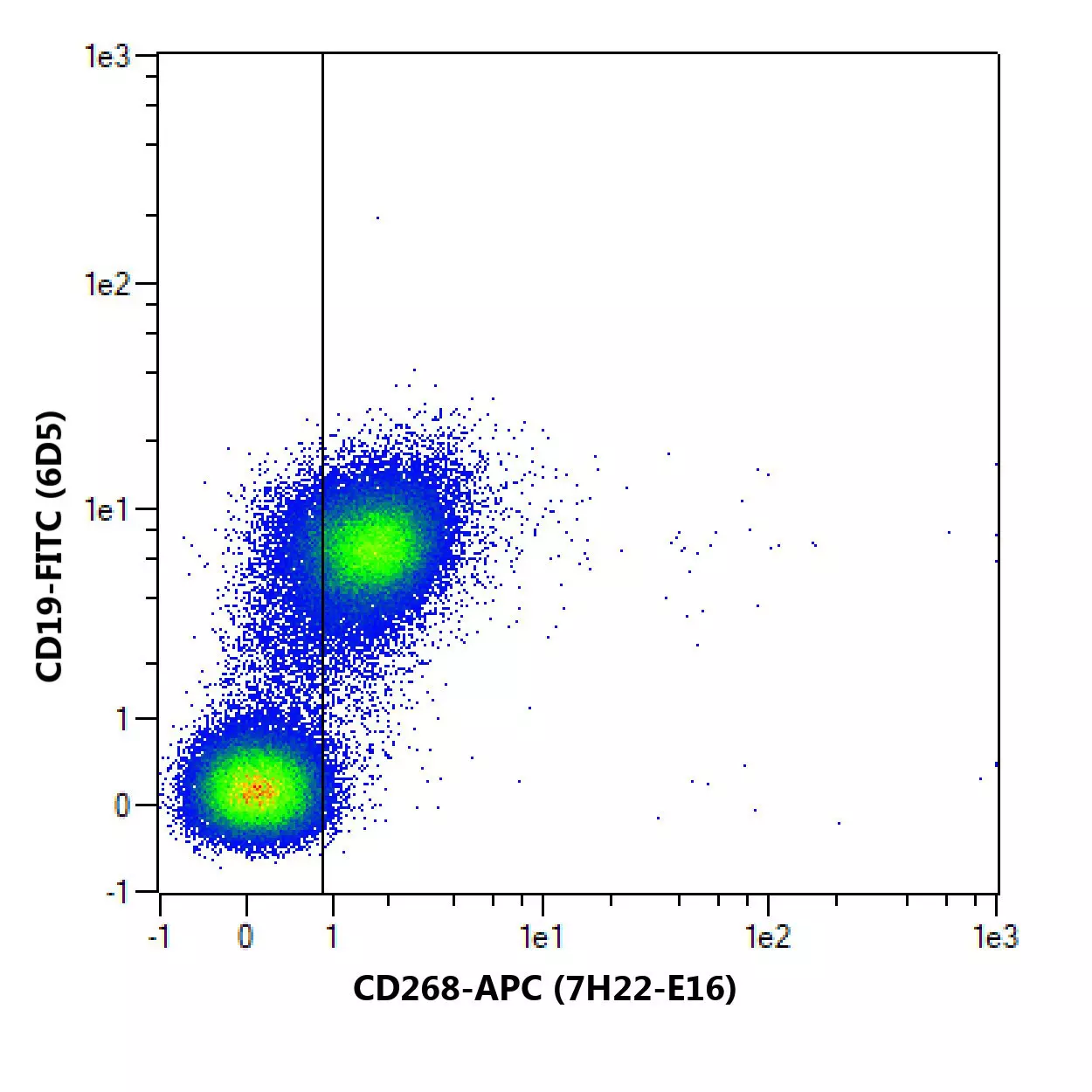
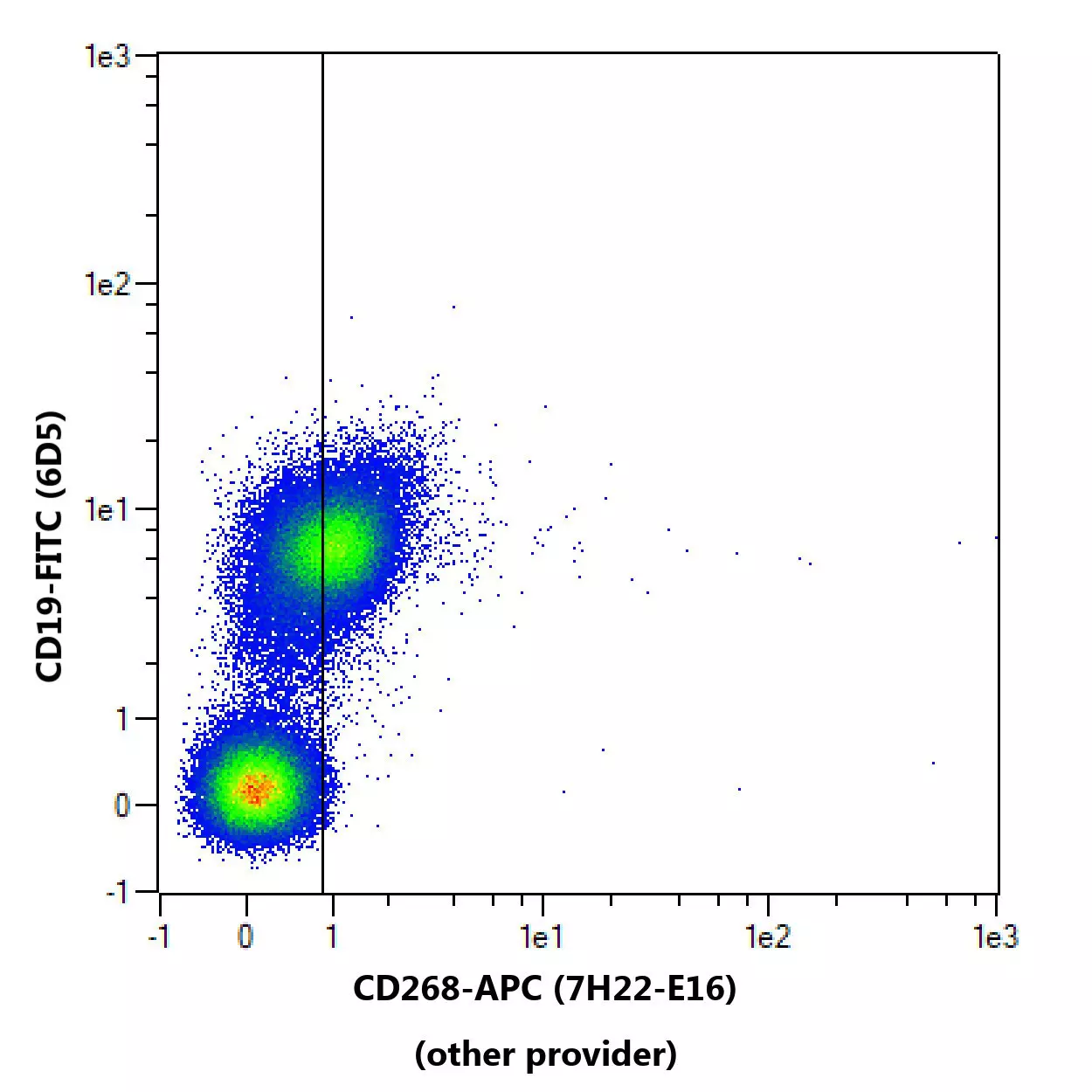
Flow cytometric comparison of different clones for CD268. Splenocytes of C57BL/6 mice were stained with CD268 antibodies followed by a suitable counterstain. As a control, CD268 antibody staining was omitted and cells were measured in the same channel. Flow cytometry analysis was performed with the MACSQuant® Analyzer. Cell debris, dead cells, and doublets were excluded from the analysis based on scatter signals and 4',6-diamidino-2-phenylindole (DAPI) fluorescence. The recommended titers of respective antibodies from different suppliers were used.
To provide an indication on how an antibody performs after fixation of cells, in-house data on staining results before and after fixation with 3.7% formaldehyde using Miltenyi Biotec antibodies are provided. Different experimental settings may lead to different results.
No fixation
Post fixation
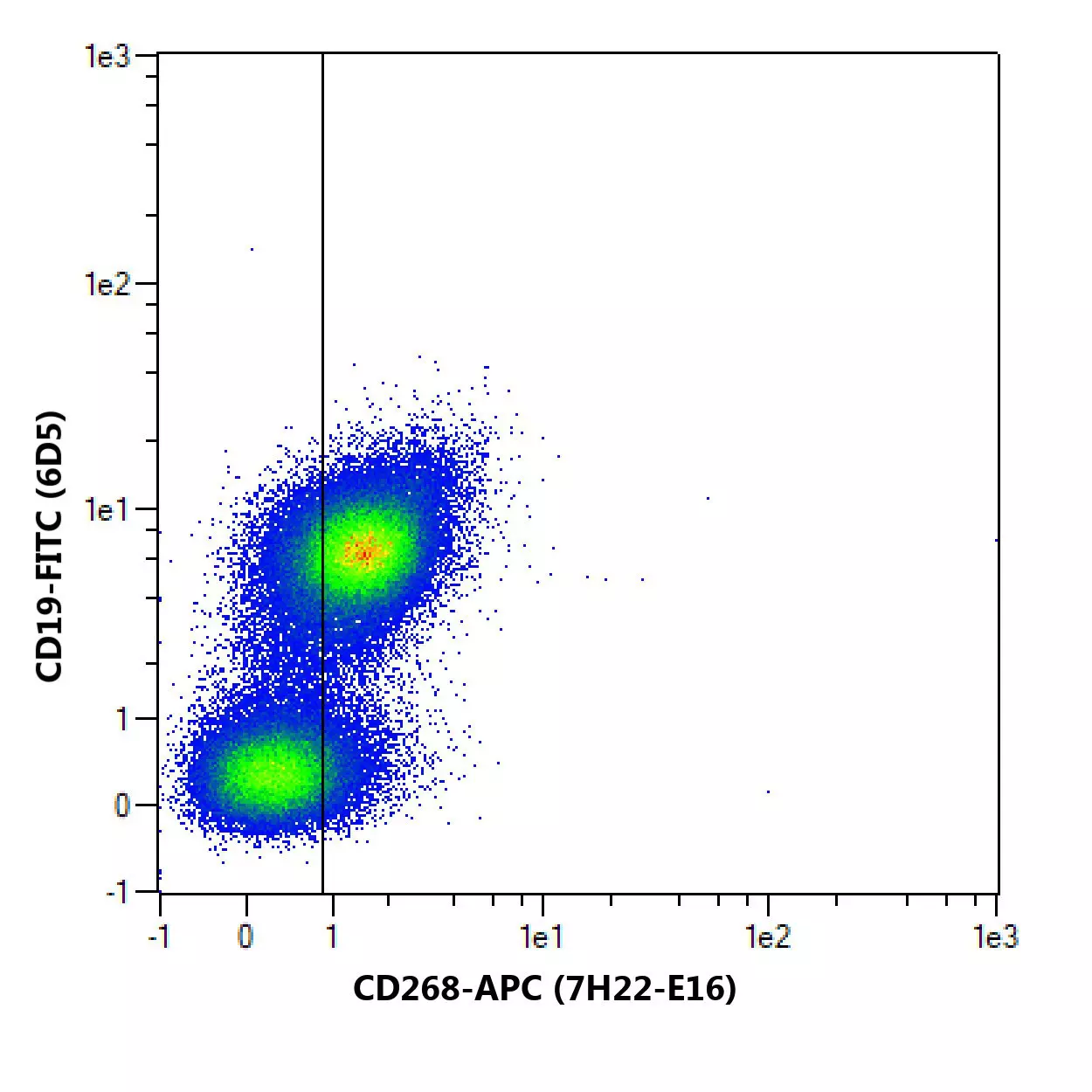
Comparison of staining pattern on non-fixed and fixed cells using CD268 (7H22-E16). The performance of the antibody after fixation was tested by comparing the staining pattern on fresh (no fixation) versus fixed (post fixation) cells.
Specifications for CD268 Antibody, anti-mouse
Overview
Clone 7H22-E16 reacts with CD268, also known as B cell activation factor receptor (BAFF-R), a type III transmembrane TNF receptor family member. CD268 is expressed at high levels on resting B cells, at lower levels on activated B cells, and on a small subset of activated/memory T cells. BAFF, also known as BLys, mediates costimulatory responses in peripheral B and T cells. BAFF is a key regulator for B cell differentiation as well as survival and activation of peripheral B cell populations. Accordingly, CD268 appears to be particularly involved in the regulation of normal B cell survival and maturation, but also in the pathophysiology of aggressive B cell malignancies and autoimmune diseases.
TNFRSF13c, BR3, BAFFR, Bcmd, Bcmd-1, Lvis22
Detailed product information
Technical specifications
Clone
7H22-E16
Clonality
monoclonal
Isotype
rat IgG1κ
Isotype control
Isotype Control Antibody, rat IgG1
Host
rat
Type of antibody
Primary antibodies
Species reactivity
mouse
Antigen
CD268
Molecular mass of antigen [kDa]
19
Distribution of antigen
B cells, T cells, leukocytes, lymphocytes, spleen
Entrez Gene ID
RRID
AB_2660673, AB_2660669, AB_2660672, AB_2660670, AB_2660671, AB_2660674
Resources for CD268 Antibody, anti-mouse
Certificates
To access a Certificate of Analysis (CoA) follow the link below and enter the specific lot of your product.
Should you wish to request additional documentation, such as a Safety Data Sheet (SDS) in other languages than English or Swedish, an SDS-replacement document, or a Certificate of Origin (CoO), please direct your inquiry to your local technical support team.
 Powered by Bioz
You have previously chosen International as your location.
What do you want to do?