PepTivator® Parvovirus B19 VP2 is a pool of lyophilized peptides, consisting mainly of 15-mer sequences with 11 amino acids overlap, covering the complete VP2 protein sequence, (UniProt ID: Q9PZT0-2).
In vitro stimulation of antigen-specific T cells with PepTivator Peptide Pools causes the secretion of effector cytokines and the up-regulation of activation markers, which then allow the detection and isolation of antigen-specific T cells.


Related products for PepTivator® Parvovirus B19 VP2
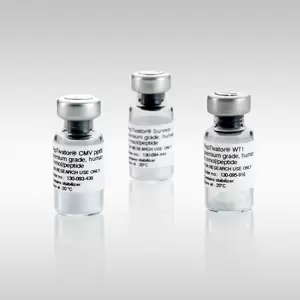

(excl. tax)
PepTivator® Parvovirus B19 VP2 is a pool of lyophilized peptides, consisting mainly of 15-mer sequences with 11 amino acids overlap, covering the complete VP2 protein sequence, (UniProt ID: Q9PZT0-2).
In vitro stimulation of antigen-specific T cells with PepTivator Peptide Pools causes the secretion of effector cytokines and the up-regulation of activation markers, which then allow the detection and isolation of antigen-specific T cells.
Parvovirus B19 is a small, non-enveloped DNA virus belonging to the Parvoviridae family and the Erythroparvovirus genus. It is the etiologic agent of erythema infectiosum (fifth disease), a common childhood illness characterized by a “slapped cheek” rash and other flu-like illnesses. The parvovirus B19 capsid is composed of two major structural proteins: VP1 and VP2. The VP2 protein consists of 554 aa and is the major capsid protein of parvovirus B19, making up about 95% of the viral capsid. It plays a crucial role in the virus’s structure and immunogenicity. Moreover, VP2 is a key target of cellular immune responses, making a comprehensive peptide pool an essential tool for studying T cell reactivity, mapping epitopes, and advancing vaccine and diagnostic research.
The PepTivator Peptide Pools have been specially developed for efficient in vitro Stimulation of antigen-specific CD4+ and CD8+ T cells, as peptides of 15 amino acid length with 11 amino acid overlap represent the optimized solution for stimulating both CD4+ and CD8+ T cells in various applications. Stimulation of T cells with PepTivator Peptide Pools causes the secretion of effector cytokines and upregulation of activation markers, which then allows the detection or isolation of antigen-specific T cells. Quantitative, phenotypical, or functional analysis of antigen-specific T cell immunity can provide important information on the natural course of the natural course of immune responses.
You have previously chosen International as your location.
What do you want to do?