The CD154 Enrichment and Detection Kit is designed for the easy identification and enrichment of activated antigen-specific CD4+ T cells from single-cell suspensions derived from mouse lymphoid tissues. The used Anti-PE MicroBeads UltraPure enhances sensitivity and minimizes background of debris and dead cells. Cell stimulation and fluorescent labeling for subsequent cell detection and enrichment are conveniently performed in a single step.


Related products for CD154 Enrichment and Detection Kit (PE), mouse

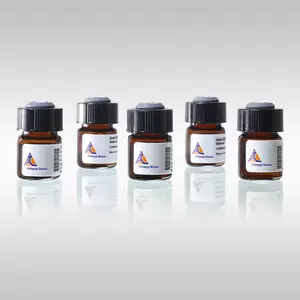
The CD154 Enrichment and Detection Kit is designed for the easy identification and enrichment of activated antigen-specific CD4+ T cells from single-cell suspensions derived from mouse lymphoid tissues. The used Anti-PE MicroBeads UltraPure enhances sensitivity and minimizes background of debris and dead cells. Cell stimulation and fluorescent labeling for subsequent cell detection and enrichment are conveniently performed in a single step.
CD154, also known as CD40L, gp39, T-BAM, and TRAP is transiently up-regulated on activated CD4+ T cells and plays an important role as a costimulatory molecule in the interaction between T cells and antigen-presenting cells through ligation of CD40. Due to its transient expression within hours of activation, CD154 can be used as a marker for activated antigen-specific CD4+ T cells1,2.
Cells are activated with a desired antigen to induce CD154 expression and simultaneously incubated with the CD154 Detection Cocktail (PE) included in the CD154 Enrichment and Detection Kit. For optimal detection of CD154 on antigen-specific CD4+ T cells, the CD154 Detection Cocktail contains i) CD154-PE, ii) a CD40 blocking antibody to prevent the down-regulation of CD154 surface expression, and iii) a CD28 antibody to provide a costimulatory signal. After a short incubation period, cells are magnetically labeled with Anti-PE MicroBeads UltraPure and separated over a MACS Column. The enriched antigen-specific CD154+ T cells are eluted as the positive fraction and subjected to flow cytometric analysis.
MS, LS, or autoMACS® Columns.
Antigen-specific CD154+ T cells were enriched using the CD154 Enrichment and Detection Kit, two MS Columns, and a MiniMACS™ Separator. Spleen cells from a KLH immunized BALB/c mouse were restimulated in vitro with 100 μg/mL KLH or were not restimulated in the presence of the CD154 Detection Cocktail (PE) for 6 hours.
CD154+ T cells were magnetically isolated using Anti-PE MicroBeads UltraPure. Cells were fluorescently stained with CD4-FITC and CD45R (B220)-PerCP. Cell debris and dead cells were excluded from the analysis based on scatter signals and propidium iodide (PI) fluorescence. CD45R+ cells were excluded from the analysis.
- Rausch, S. et al. (2008) Functional analysis of effector and regulatory T cells in a parasitic nematode infection. Infect. Immun. 76 (5): 1908-1919
- Kirchhoff, D. et al. (2007) Identification and isolation of murine antigen-reactive T cells according to CD154 expression. Eur. J. Immunol. 37: 2370-2377
- Frentsch, M. et al. (2005) Direct access to CD4+ T cells specific for defined antigens according to CD154 expression. Nat Med 11: 1118-1124
- Chattopadhyay, P. K. et al. (2005) A live-cell assay to detect antigen-specific CD4+ T cells with diverse cytokine profiles. Nat Med 11: 1113-1117
You have previously chosen International as your location.
What do you want to do?