
Synonyms: FN, CIG
RECOMBINANT
- Clone:
- REAL555
- Type of antibody:
- Releasable fluorochromes, Primary antibodies, Recombinant antibodies
- Applications:
- MICS, IF, IHC Glossary
- Select a conjugate:


Related products for Fibronectin Antibody, anti-human, REAdye_lease™


MICS (MACSima Imaging Cyclic Staining) applications
FITC
PE
Fixation:
frozen – Acetone
Species tested:
human
Tissue used:
smooth muscle
Recommended dilution:
1:50
Data source:
Miltenyi Biotec
Compatible applications:
IF, IHC
Conjugate:
FITC
Used products:
130-122-856
Testing grade:
Description:
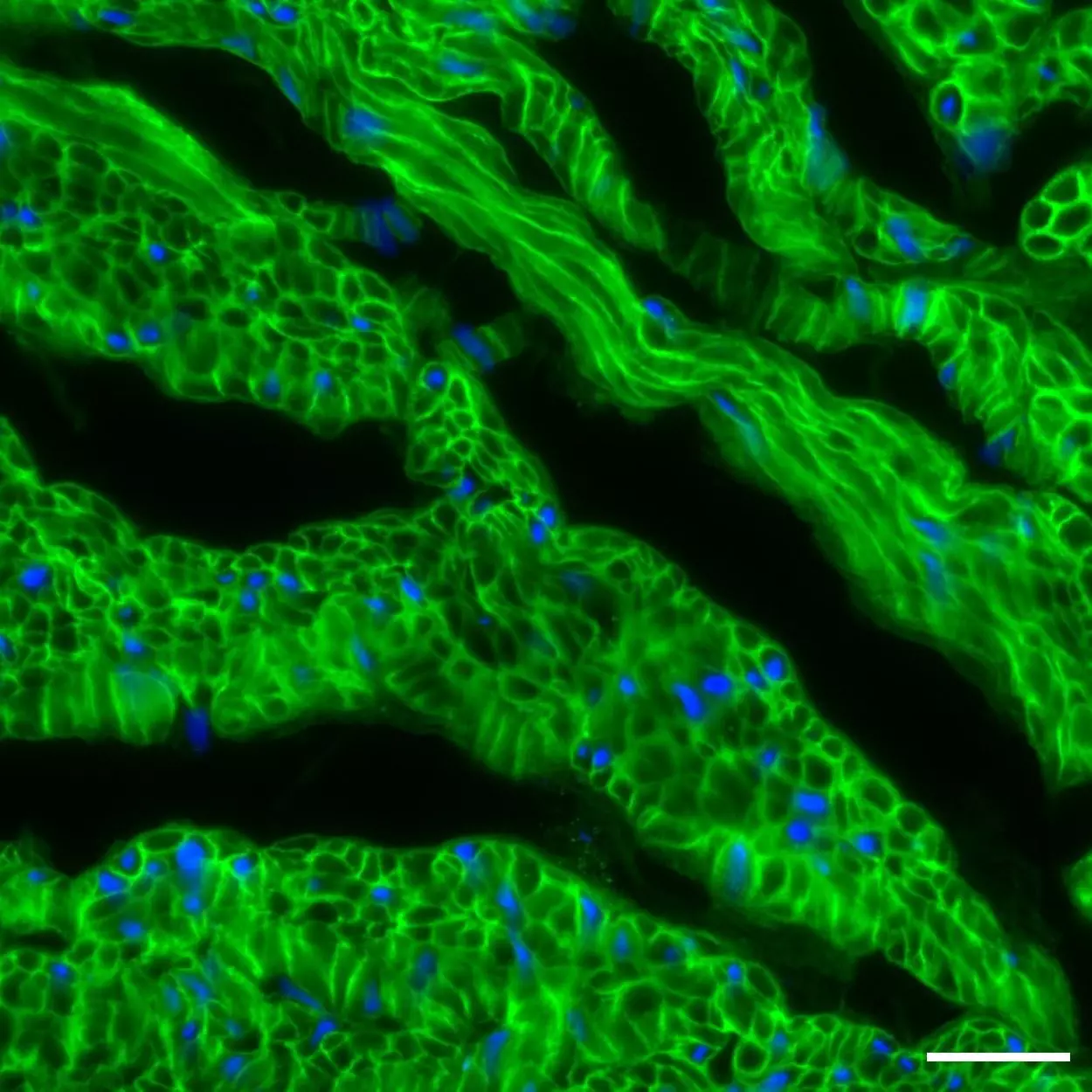
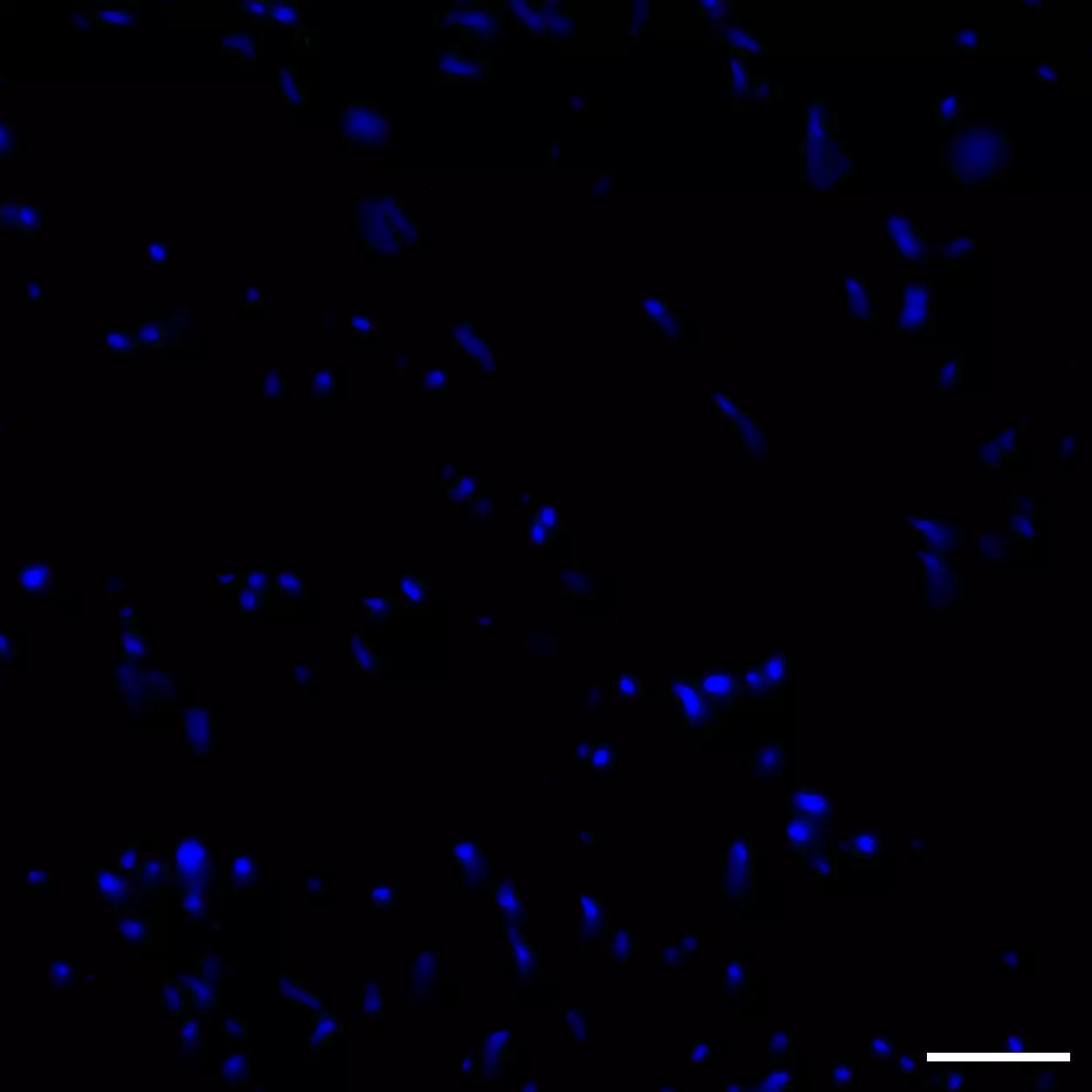
Immunofluorescence analysis of a human smooth muscle cryosection fixed with ice-cold acetone. The section was stained using Fibronectin Antibody, anti-human, FITC (green) for 10 min at room temperature (A). Fibronectin Antibody, anti-human, FITC staining was released using the REAlease Release Reagent (B). Nuclei were visualized with Hoechst™ (blue). Scale bar: 30 µm.
A
 view details
B
 view details
Fixation:
frozen – PFA
Species tested:
human
Tissue used:
smooth muscle
Recommended dilution:
1:50
Data source:
Miltenyi Biotec
Compatible applications:
IF, IHC
Conjugate:
FITC
Used products:
130-122-856
Testing grade:
Description:
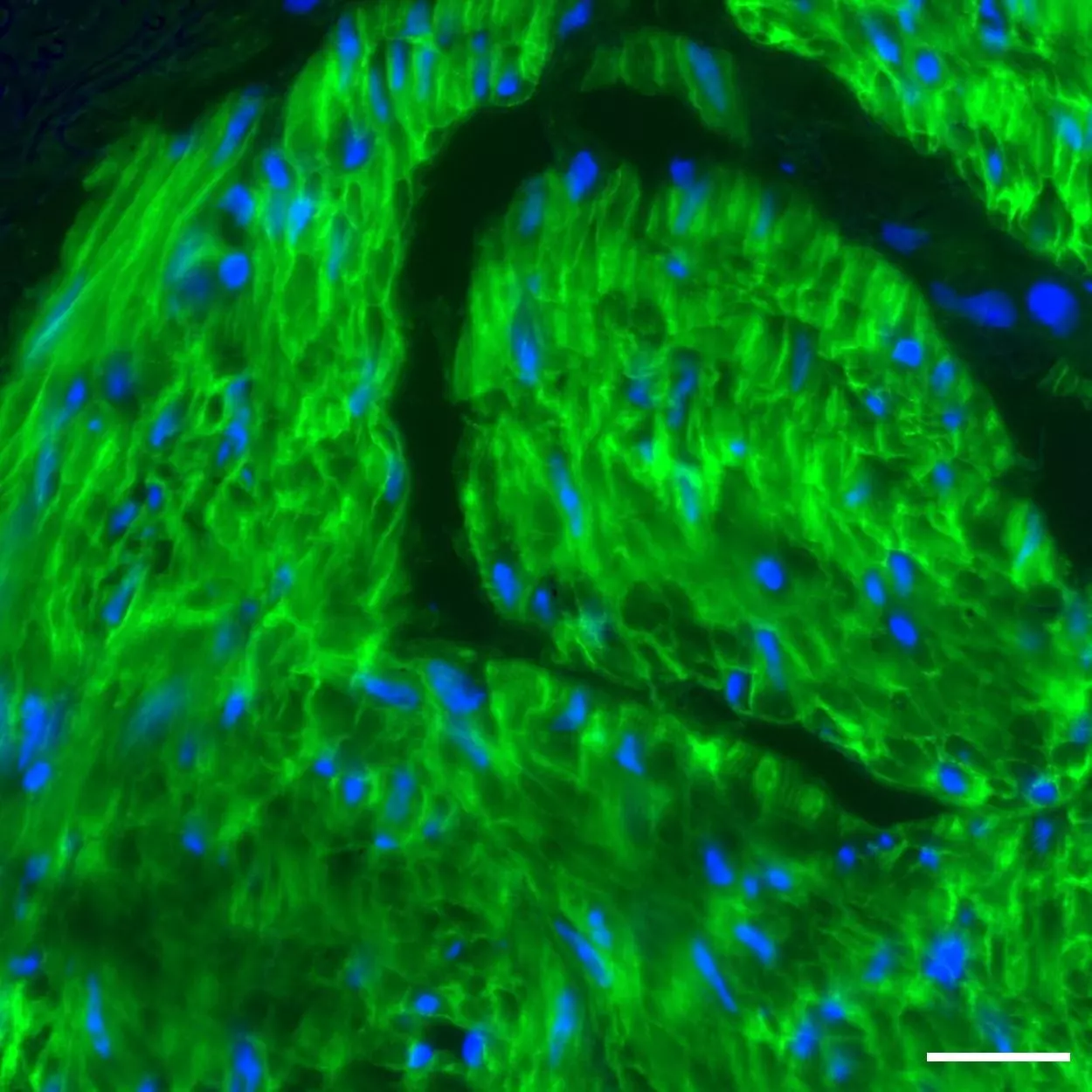
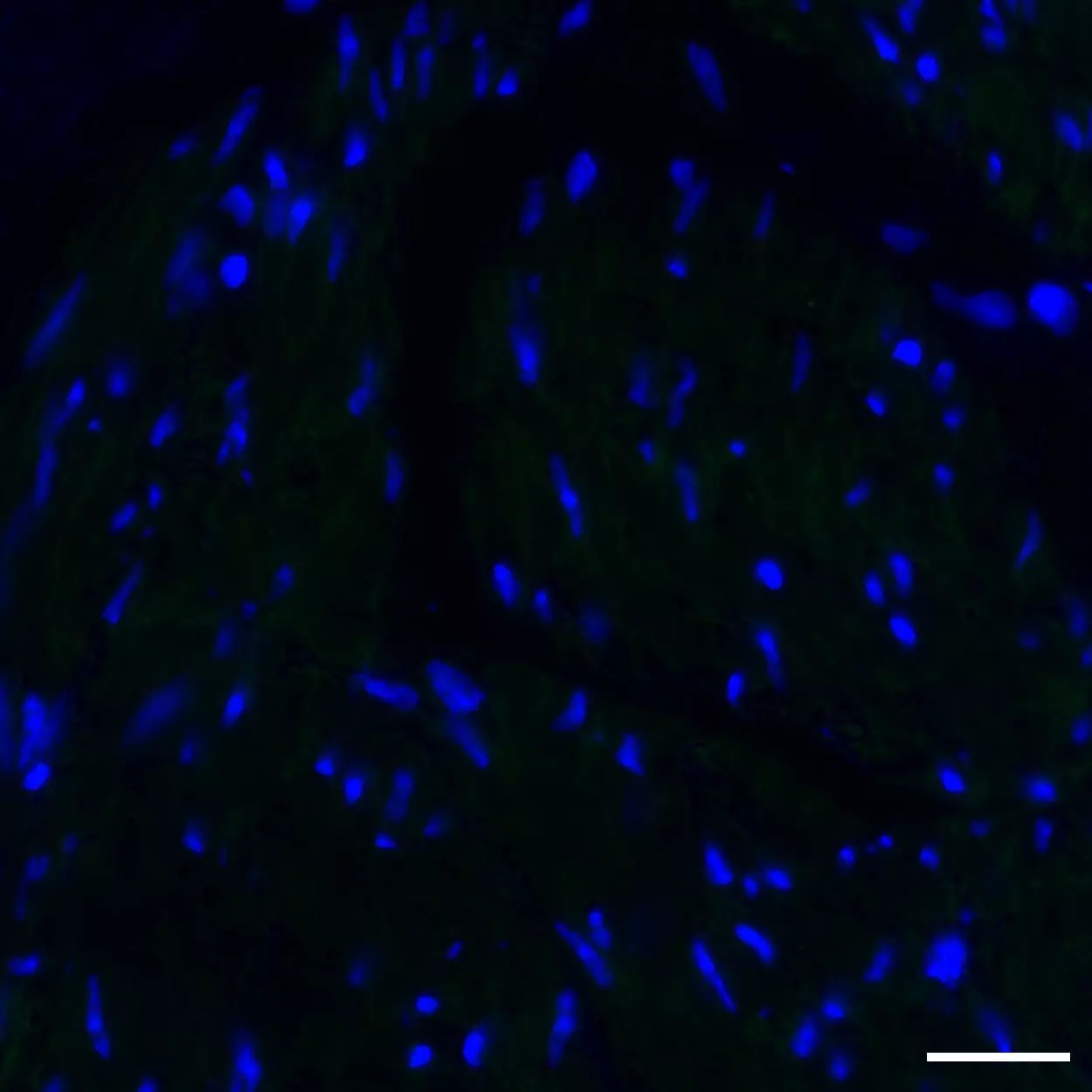
Immunofluorescence analysis of a human smooth muscle cryosection fixed with 4% PFA. The section was stained using Fibronectin Antibody, anti-human, FITC (green) for 10 min at room temperature (A). Fibronectin Antibody, anti-human, FITC staining was released using the REAlease Release Reagent (B). Nuclei were visualized with Hoechst™ (blue). Scale bar: 30 µm.
A
 view details
B
 view details
Specifications for Fibronectin Antibody, anti-human, REAdye_lease™
Overview
Clone REAL555 is an antibody fragment derived from the full Fibronectin antibody molecule. It displays no binding to Fc receptors. The recombinantly engineered antibody fragments are multimerized to form the REAdye_lease Complex to bind markers with high avidity.
Clone REAL555 recognizes Fibronectin, a glycoprotein of the extracellular matrix that binds to membrane-spanning receptor proteins called integrins. There are two different types of fibronectin. Soluble plasma fibronectin, which is the main element in blood plasma and insoluble cellular fibronectin, which is located to a higher extent in the extracellular matrix. Fibronectin is involved in different processes, e.g. cell adhesion, growth, migration including embryogenesis, wound healing, and metastasis. Liver, pancreatic, urothelial, colorectal and thyroid cancers displayed moderate to strong expression of Fibronectin.
For removal of REAdye_lease fluorochromes for optional relabeling with different fluorochrome-conjugated REAdye_lease antibodies use the REAlease Support Kit (130-120-675).
FN, CIG
Detailed product information
Technical specifications
Clone
REAL555
Clonality
monoclonal
Isotype control
Control Antibody
Host
cell line
Type of antibody
Releasable fluorochromes, Primary antibodies, Recombinant antibodies
Species reactivity
human
Antigen
Fibronectin
Distribution of antigen
smooth muscle
RRID
AB_2905204, AB_2905203
Resources for Fibronectin Antibody, anti-human, REAdye_lease™
Certificates
To access a Certificate of Analysis (CoA) follow the link below and enter the specific lot of your product.
Should you wish to request additional documentation, such as a Safety Data Sheet (SDS) in other languages than English or Swedish, an SDS-replacement document, or a Certificate of Origin (CoO), please direct your inquiry to your local technical support team.
Citations for Fibronectin Antibody, anti-human, REAdye_lease™
Publications
- Speziale, P. et al. (2019) Fibronectin and Its Role in Human Infective Diseases. Cells 8 (12): 1516
- Rick, J. W. et al. (2019) Fibronectin in malignancy: Cancer-specific alterations, protumoral effects, and therapeutic implications. Semin. Oncol. 46 (3): 284-290
You have previously chosen International as your location.
What do you want to do?