Pioneering perspectives
Prof. Fabian Müller, University Hospital Erlangen, Germany
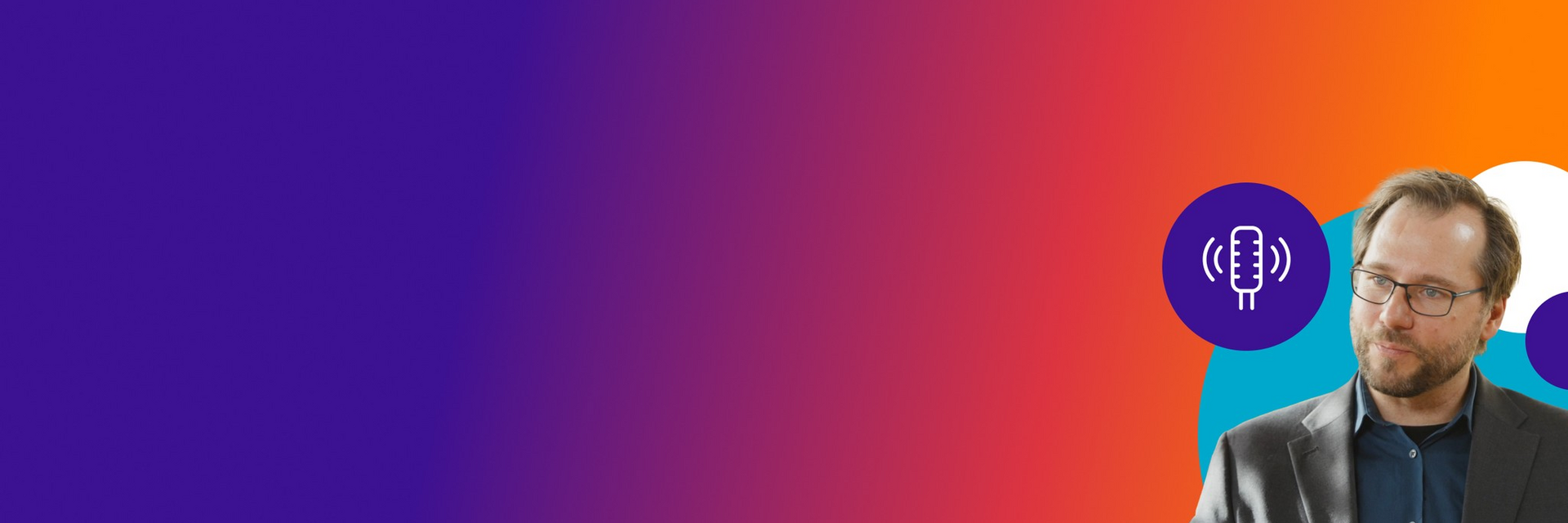

Pioneering perspectives
"The first patient treated is now four and a half years out and still in remission."
Prof. Fabian Müller, University Hospital Erlangen, Germany
Further discussion
One infusion, lasting remission: cell therapy and the future of autoimmune disease care
As an attending physician in Hematology and Oncology and Head of the CAR T Cell Therapy Unit at University Hospital Erlangen, Prof. Fabian Müller has spent much of his career treating patients with lymphoma and leukemia. In recent years, however, his work has expanded into a rapidly emerging field: the use of CD19 CAR T cell therapies for severe autoimmune diseases.1 His work has helped position CAR T cell therapy for autoimmune diseases as one of the most exciting developments in modern immunotherapy, attracting international attention and shaping the future of the field.2,3
According to Prof. Müller, the most significant shift brought about by cell therapies is the possibility of replacing lifelong treatment with a single intervention. Traditionally, patients with severe autoimmune diseases rely on continuous medication, often cycling through multiple therapies as their disease progresses or becomes resistant.3,4 Treatment with CAR T cells offers a fundamentally different approach. “We do CAR T cell therapy. That is one treatment, one infusion,” he explains. “Those patients then don't take any drugs anymore.” Prof. Müller adds that for the patients treated so far, this strategy has resulted in deep remissions and a dramatic improvement in quality of life.
At the same time, he cautions against overestimating current evidence. While outcomes have been remarkable, long-term data are still limited. “The first patient treated is now four and a half years out and still in remission,” he notes. “But we don't yet have long follow-up for most patients.” Continued collaboration between hematologists, oncologists, and specialists such as rheumatologists will therefore be essential to refine treatment approaches and better understand long-term outcomes.
A major focus of Prof. Müller’s work is overcoming misconceptions around cell therapy. One topic that frequently arises is the lymphodepleting chemotherapy administered before CAR T cell infusion. Fludarabine and cyclophosphamide are widely accepted by hematologists as standard components of lymphodepletion and conditioning regimens.5–7 However, their use is associated with recognized long-term risks, including prolonged cytopenias, infections, immunosuppression, neurotoxicity, infertility, and secondary malignancies, which raise concerns among physicians less familiar with these agents.6,8 Prof. Müller emphasizes the importance of open dialogue and evidence-based decision-making as cellular therapies continue to expand into new therapeutic areas.
He also sees manufacturing innovation as a key enabler for broader adoption. For autoimmune diseases, his team is using the CliniMACS Prodigy® Platform to generate what they refer to as a “fresh in, fresh out” product. “Fresh out of the patient, into the machine, out of the machine – also fresh again,” he explains. Unlike conventional manufacturing approaches that require shipment and cryopreservation of cellular products, this rapid process minimizes delays and reduces logistical complexity.9 “It's a very short protocol, and that has a lot of advantages,” he says.
Looking ahead, Prof. Müller believes the future of cell therapies in autoimmune disease may differ significantly from oncology. While long-term CAR T cell persistence is critical in cancer, it may be less important in autoimmune disorders, where remission can persist even after CAR T cells have disappeared.3,10 This opens the door to alternative manufacturing strategies, including donor-derived products that could treat multiple patients and substantially reduce costs.11 “The biggest future step,” he says, “is going to be determining which cellular product we can use to achieve lasting remission for different patients.”
Through his work, Prof. Müller is helping redefine what remission can mean for patients with autoimmune disease: not lifelong disease control, but the possibility of living symptom-free after a single treatment.
“The biggest future step is determining which cellular product we can use to achieve lasting remission for different patients.”
Prof. Fabian Müller, University Hospital Erlangen, Germany
Watch more interviews

You have previously chosen International as your location.
What do you want to do?